
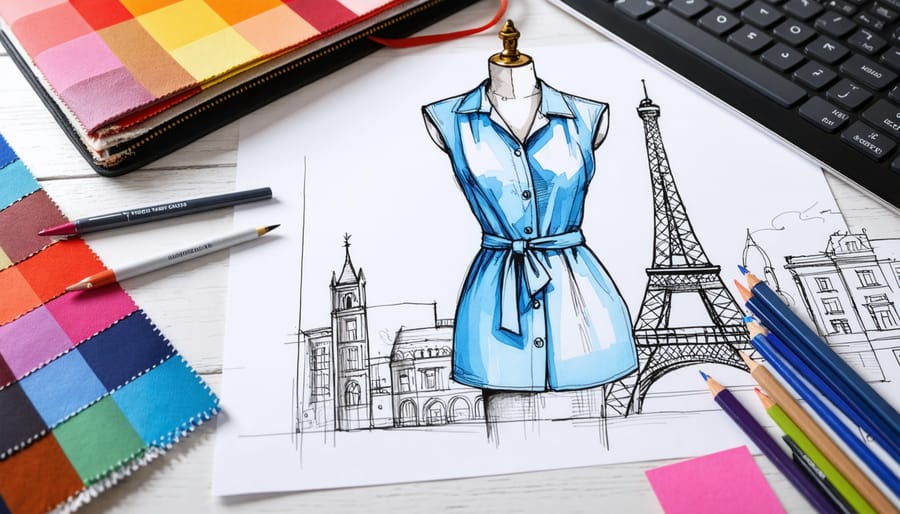
Transform your creative passion into a thriving career as a fashion designer through a journey that blends artistry with business acumen. From iconic fashion houses in Paris to sustainable startups revolutionizing the industry, fashion design offers a dynamic landscape where innovation meets self-expression. Today’s designers aren’t just sketching beautiful garments—they’re shaping cultural conversations, championing sustainability, and redefining what’s possible in the world of style.
The path to becoming a fashion designer demands dedication, technical expertise, and an entrepreneurial spirit. Whether you dream of launching your own label or collaborating with established brands, understanding the essential steps, required skills, and industry expectations will position you for success. With the fashion industry generating over $2.5 trillion annually worldwide, emerging designers have unprecedented opportunities to make their mark while building meaningful careers.
Let’s explore how to transform your fashion dreams into reality, from choosing the right education and building a standout portfolio to navigating internships and launching your career in this ever-evolving industry. Whether you’re a recent graduate or considering a career change, this comprehensive guide will illuminate the path to becoming a successful fashion designer in today’s dynamic market.
Essential Skills and Education for Fashion Design Success
Creative and Technical Skills
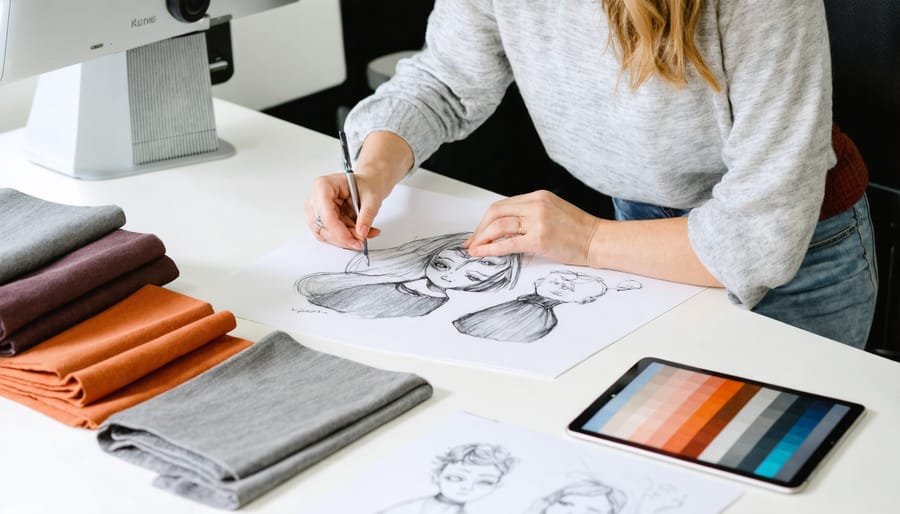
To thrive as a fashion designer, you’ll need a dynamic blend of creative flair and technical expertise. Your artistic abilities should include strong sketching skills, a keen eye for color theory, and an understanding of fabric draping. Being able to translate your creative vision onto paper through fashion illustrations and technical drawings is essential.
On the technical side, pattern-making and garment construction knowledge are fundamental. You should be comfortable working with different fabrics, understanding their properties, and knowing how they behave when cut and sewn. Mastering sewing techniques, from basic stitching to complex couture methods, will set you apart in the industry.
In today’s digital age, proficiency in design software is non-negotiable. Programs like Adobe Illustrator and Photoshop are industry standards for creating digital fashion illustrations and mood boards. Specialized software like CLO 3D or Browzwear for virtual garment visualization is becoming increasingly important.
Beyond these core skills, you’ll need:
– Strong color and trend forecasting abilities
– Knowledge of textile science and manufacturing
– Understanding of garment fitting and sizing
– Proficiency in fashion CAD software
– Basic photography and styling skills
– Knowledge of sustainable design practices
Remember, these skills develop over time through education and experience. Focus on building a strong foundation in the basics while staying open to learning new technologies and techniques as the industry evolves.
Educational Pathways
The journey to becoming a fashion designer offers multiple educational paths, each as unique as the styles you’ll create. A bachelor’s degree in Fashion Design remains the most comprehensive route, typically taking four years to complete. These programs blend creative coursework with technical skills, covering everything from sketching and pattern-making to textile science and fashion history.
For those seeking a faster track, two-year associate degrees provide focused training in essential design skills. Many community colleges offer these programs at more accessible price points, making them an attractive option for emerging designers. Certificate programs, ranging from six months to a year, can also provide specialized knowledge in areas like sustainable fashion, digital design, or couture techniques.
Online courses and specialized workshops have revolutionized fashion education, allowing aspiring designers to learn while maintaining other commitments. Platforms like Parsons x Teen Vogue or Central Saint Martins’ online programs offer flexibility without compromising on quality education.
Consider complementing your main studies with courses in business management, marketing, or sustainable practices – these additional skills are increasingly valued in today’s fashion industry. Many successful designers also pursue internships alongside their education, gaining hands-on experience and building industry connections.
Remember, while formal education provides a strong foundation, your unique creativity and passion for fashion are equally important. Some designers have built successful careers through self-study and practical experience, though having formal credentials can open more doors initially.
Building Your Fashion Design Portfolio
Your portfolio is your fashion story – it’s where your creativity takes center stage and speaks volumes about your unique vision. Think of it as your personal runway show, carefully curated to showcase your best work and potential.
Start by selecting your strongest designs, including both technical drawings and finished pieces. Include a mix of hand-drawn sketches, digital illustrations, and photographs of completed garments. Remember to showcase your versatility – from casual wear to evening gowns, or streetwear to sustainable fashion, depending on your interests and specialties.
Document your creative process by including mood boards, fabric swatches, and development sketches. These elements demonstrate your ability to transform inspiration into wearable art. Don’t shy away from including experimental pieces that highlight your innovative thinking, even if they’re not commercially viable – creativity counts!
Organization is key. Create clear sections that flow naturally, perhaps divided by collections, seasons, or design categories. Each piece should tell a story, so include brief descriptions about your inspiration, design choices, and technical considerations. Consider both physical and digital versions of your portfolio – many employers now prefer digital submissions, but having a beautifully bound physical portfolio can make a strong impression during in-person interviews.
Quality over quantity is crucial. Choose 15-20 of your absolute best pieces rather than overwhelming viewers with everything you’ve ever created. Update your portfolio regularly, removing older work as you create stronger pieces. Remember to showcase any relevant industry experience, including internships, collaborations, or fashion show participation.
For digital portfolios, ensure your images are high-resolution and well-lit. Consider creating a professional website to host your portfolio, making it easily accessible to potential employers worldwide. Include your contact information and professional social media links, but keep the focus on your work.
Your portfolio should reflect not just your technical skills, but also your personal style and fashion philosophy. Let your authentic voice shine through – after all, the fashion industry thrives on unique perspectives and fresh ideas.
Global Career Opportunities
Industry Sectors
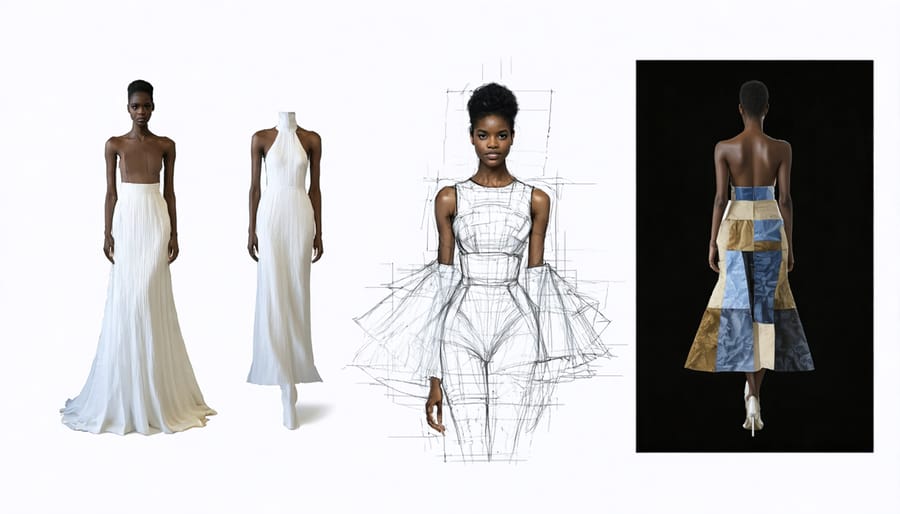
The fashion design industry offers diverse fashion career opportunities across multiple exciting sectors. At the pinnacle sits haute couture, where designers create exclusive, made-to-measure garments for elite clientele. This sector emphasizes artisanal craftsmanship and pushes creative boundaries, though it represents a small portion of the industry.
Ready-to-wear (prêt-à-porter) is where most designers find their niche, creating stylish, wearable collections for the mass market. This sector balances creativity with commercial viability, producing seasonal collections in standard sizes. Fast fashion offers another dynamic avenue, focusing on trend-responsive designs and quick production cycles.
Sustainable and ethical fashion is rapidly growing, perfect for designers passionate about environmental consciousness and social responsibility. This sector combines innovation with eco-friendly practices, creating fashion with purpose.
Specialization opportunities abound in accessories design, focusing on bags, shoes, and jewelry, while sportswear and athleisure continue to expand, blending functionality with style. Digital fashion is emerging as an exciting new frontier, with designers creating virtual clothing for gaming and social media.
The luxury market occupies a sweet spot between haute couture and ready-to-wear, offering high-end designs with broader accessibility. Each sector presents unique challenges and rewards, allowing designers to align their creative vision with their values and career goals.
International Fashion Hubs
The fashion world’s geographic landscape is as diverse as its styles, offering exciting opportunities for aspiring designers across the globe. While the “Big Four” – Paris, Milan, New York, and London – remain the traditional powerhouses of haute couture and ready-to-wear fashion, new creative hubs are emerging to challenge this hierarchy.
Paris continues to reign supreme for haute couture, with historic fashion houses and prestigious ateliers providing unparalleled opportunities for designers seeking to master their craft. Milan offers a gateway into luxury leather goods and accessories, while New York leads in commercial fashion and innovative streetwear. London stands out for its experimental approach and nurturing of avant-garde talent.
However, don’t overlook emerging fashion capitals that are reshaping the industry landscape. Tokyo’s Harajuku district has become synonymous with boundary-pushing street style, while Seoul’s dynamic fashion scene combines K-pop influence with cutting-edge technology. Shanghai and Dubai are rapidly establishing themselves as luxury retail destinations, offering fresh perspectives and opportunities for designers who can bridge Eastern and Western aesthetics.
For the ambitious designer, these diverse markets present unique advantages: lower competition in emerging markets, exposure to different cultural influences, and the chance to be part of fashion’s next big movement. Consider starting your career in a smaller market to build experience before targeting the major fashion capitals, or explore opportunities in sustainable fashion hubs like Copenhagen and Stockholm, where eco-conscious design is revolutionizing the industry.
Breaking Into the Industry
Networking and Internships
In the fashion world, your network can be just as valuable as your design skills. Landing fashion industry internships is crucial for gaining hands-on experience and understanding the day-to-day realities of the industry. Start by targeting internships at both established fashion houses and emerging brands to diversify your experience.
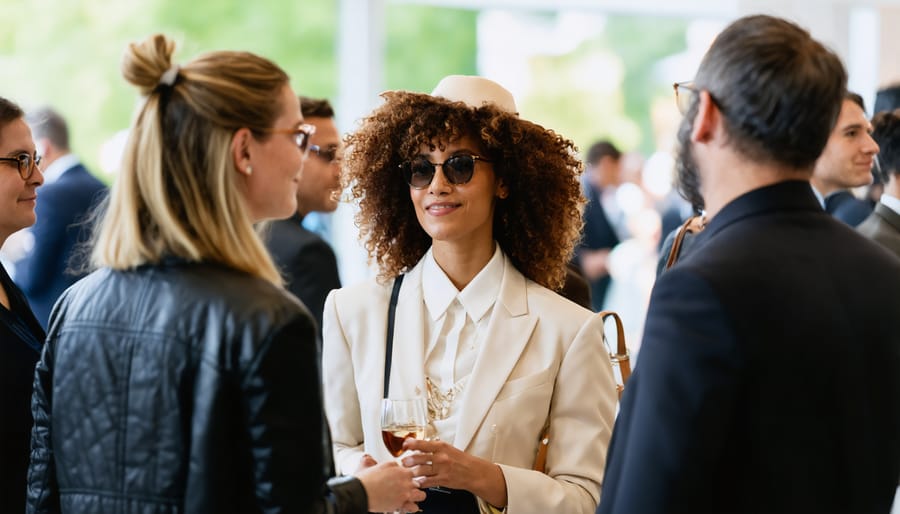
Focus on building industry connections through fashion events, trade shows, and social media platforms like LinkedIn and Instagram. Don’t underestimate the power of engaging with local fashion communities – they often provide intimate networking opportunities that can lead to meaningful relationships.
Consider joining professional organizations like the Council of Fashion Designers of America (CFDA) or local fashion guilds. These memberships can open doors to exclusive events, mentorship programs, and job opportunities. Remember to maintain authenticity in your networking approach – genuine relationships often lead to the most rewarding opportunities.
Document your internship experiences through a professional portfolio, and don’t be afraid to reach out to designers you admire for informational interviews. Many successful designers started their careers by making bold moves and connecting with industry peers. Your network can provide invaluable support, mentorship, and career opportunities as you navigate your path in fashion design.
Personal Branding
In today’s digital-first fashion landscape, your personal brand is as crucial as your design portfolio. Start by identifying what makes your aesthetic unique – whether it’s your sustainable approach, avant-garde silhouettes, or cultural influences. This distinctive voice will become your signature in the industry.
Social media platforms, particularly Instagram and Pinterest, are your virtual runway. Create a cohesive visual identity across all platforms, showcasing not just your designs, but your creative process and inspiration sources. Remember that crafting your brand story is about authenticity and connection with your audience.
Develop a professional website that serves as your digital portfolio. Include high-quality images of your work, behind-the-scenes content, and your design philosophy. Consider starting a fashion blog or YouTube channel to share your journey and expertise, building authority in your niche.
Networking is essential – engage with fashion communities online and offline. Collaborate with other creatives, participate in industry discussions, and share your unique perspective on current trends. Don’t forget to maintain consistency in your visual aesthetic, tone of voice, and values across all platforms.
Remember, your personal brand should evolve with you while staying true to your core design principles. It’s not just about showcasing your work – it’s about creating an emotional connection with your audience and standing out in the competitive fashion industry.
Success Stories and Industry Insights
Let’s be inspired by the incredible journeys of today’s fashion powerhouses. Take Tory Burch, who started her empire from her kitchen table and now runs a billion-dollar global brand. Her advice? “Embrace your ambitions and stay true to your aesthetic vision.”
Rising star Christopher John Rogers shares how he turned his apartment-based design studio into a brand worn by Vice President Kamala Harris and countless celebrities. “Don’t be afraid to start small,” he emphasizes. “What matters is the uniqueness of your perspective.”
Stella McCartney’s commitment to sustainable fashion proves that success and ethics can go hand in hand. “The future of fashion lies in innovation and responsibility,” she notes. Her journey demonstrates how passionate advocacy can reshape industry standards.
Self-taught designer Virgil Abloh’s path from architecture to founding Off-White reminds us that unconventional routes can lead to extraordinary destinations. “The path isn’t always linear,” he shared before his passing. “Your diverse experiences become your unique advantage.”
Industry insiders consistently emphasize the importance of internships and networking. “My internship at Alexander McQueen taught me more than four years of school,” reveals emerging designer Grace Chen. “It’s about absorbing everything – from sketch to store.”
Remember, success stories are as diverse as fashion itself. Whether you’re dreaming of haute couture or sustainable streetwear, your unique vision and determination can carve a path to success.
The journey to becoming a fashion designer is as unique and diverse as the styles you’ll create along the way. From mastering the fundamentals of design and pattern-making to building your distinctive creative voice, every step shapes your future in this dynamic industry. Remember that success comes in many forms – whether you’re dreaming of launching your own label, working with major fashion houses, or revolutionizing sustainable fashion. Stay true to your vision while remaining adaptable to industry changes and emerging technologies. Network actively, seek mentorship, and never stop learning from both successes and setbacks. The fashion world welcomes bold dreamers who combine creativity with dedication, business acumen with artistic flair. Your unique perspective and determination are exactly what the industry needs to evolve and thrive. Take that first step today – your future in fashion design awaits!
You may also like
-
Make Real Money as a Beauty Freelancer: Your Path to a Flexible Career
-
Fashion Industry Connections That Actually Matter: A Real-World Networking Playbook
-
How J&J is Transforming Beauty Industry Diversity (From the Inside Out)
-
How Fashion Tech Is Revolutionizing Your Wardrobe (And Career)
-
From Application to Runway: Your Career Path at Fashion Nova