
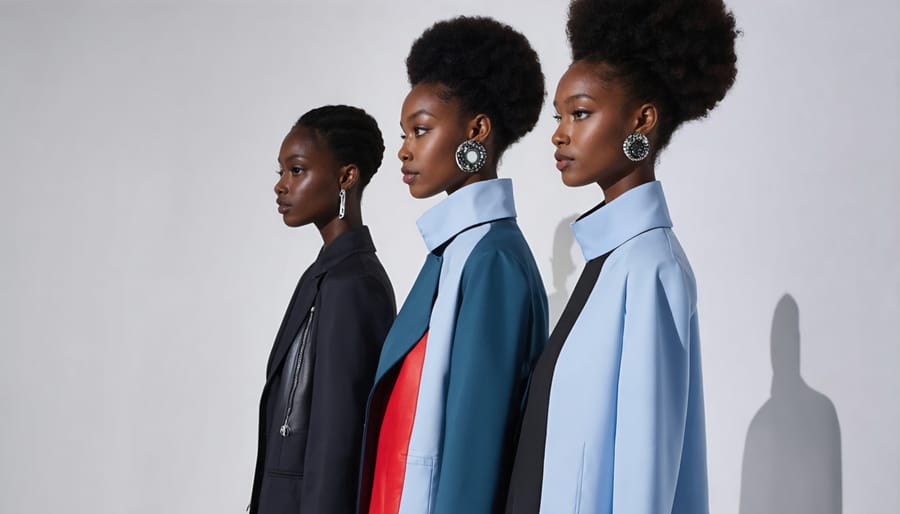
Fashion freedom takes on new meaning as adaptive clothing transforms self-expression for millions of women worldwide. Gone are the days when functionality meant sacrificing style – today’s adaptive fashion celebrates both form and accessibility with innovative designs that empower every body. From magnetic closures that replace traditional buttons to seamless side openings that make dressing effortless, adaptive clothing is revolutionizing the way women approach their wardrobes. Leading designers are now creating collections that blend universal design principles with contemporary trends, proving that fashion can be both inclusive and irresistibly chic. This growing movement isn’t just about clothes; it’s about dignity, independence, and the freedom to express personal style without compromise. Whether you’re seeking professional wear that adapts to mobility needs or elegant evening wear with thoughtful modifications, the adaptive fashion revolution is creating a world where style knows no boundaries.
Breaking Barriers: The Rise of Adaptive Fashion
From Medical Necessity to Fashion Statement
Gone are the days when adaptive clothing meant sacrificing style for function. What started as purely medical necessity has blossomed into a powerful movement celebrating both accessibility and fashion-forward design. Today’s adaptive clothing champions are proving that style knows no boundaries, transforming what was once purely utilitarian into statement pieces that turn heads for all the right reasons.
Innovative designers are now collaborating with disability advocates and fashion influencers to create collections that seamlessly blend trendy aesthetics with adaptive features. Magnetic closures disguise themselves as elegant buttons, while hidden zippers and adjustable waistbands are incorporated into the latest runway-inspired looks.
This evolution reflects a broader cultural shift toward inclusivity in fashion. Women are demanding – and deserving – clothing that not only meets their functional needs but also expresses their personality and style preferences. From board meetings to wedding celebrations, adaptive fashion now offers options for every occasion, proving that practical solutions and contemporary style aren’t mutually exclusive.
The transformation from medical necessity to fashion statement represents more than just a design evolution – it’s a powerful reminder that fashion can be both accessible and aspirational.
The Growing Market and Consumer Voice
The adaptive fashion market is experiencing a remarkable transformation, driven by passionate consumers who refuse to compromise on style or functionality. Social media campaigns and disability advocates have amplified voices demanding fashionable, accessible clothing options, pushing major retailers to expand their adaptive collections.
This consumer-led revolution has caught the attention of both established fashion houses and innovative startups. Market research shows the adaptive clothing sector is projected to reach $400 billion globally by 2026, reflecting not just growing demand but also increased awareness of diverse fashion needs.
Fashion influencers with disabilities are reshaping the conversation around adaptive clothing, sharing their experiences and style tips with millions of followers. Their advocacy has encouraged brands to collaborate with disability consultants and fashion experts, resulting in designs that truly understand and serve their audience.
The rise of direct-to-consumer brands specializing in adaptive fashion has also created healthy competition, driving innovation and pushing larger retailers to improve their offerings. This market evolution demonstrates how consumer voices can transform an industry, making fashion more inclusive and accessible for everyone.
Smart Design Features That Make a Difference
Magnetic Closures and Easy-Access Designs
Gone are the days of struggling with tiny buttons and frustrating zippers. Today’s innovative fashion solutions are revolutionizing how we think about clothing closures. Magnetic fasteners are leading this transformation, offering both style and practicality that works for everyone.
These genius closures look just like traditional buttons from the outside but feature powerful magnets that snap together effortlessly. Imagine slipping on your favorite blazer with one smooth motion, or securing that perfect wrap dress without any awkward reaching or twisting. The best part? They’re virtually invisible, maintaining the clean lines and sophistication of traditional designs.
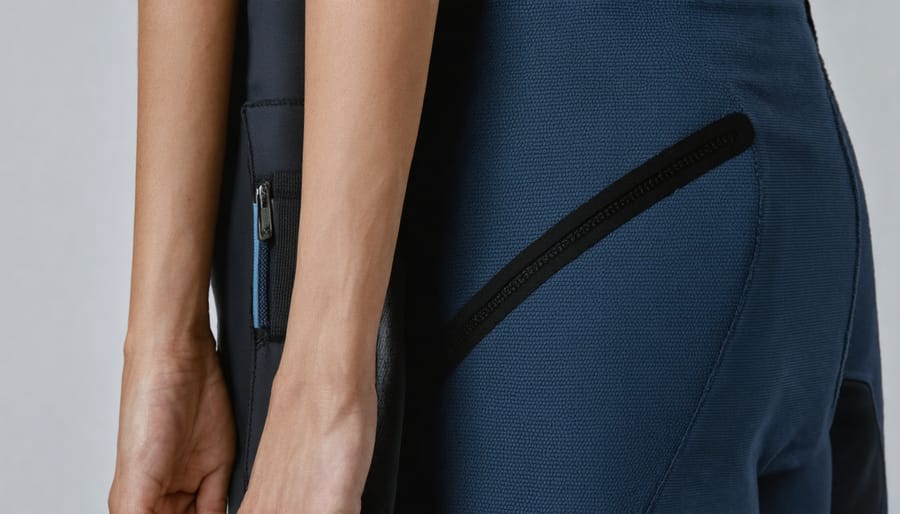
But it’s not just about magnets. Easy-access designs are incorporating clever features like hidden side zippers, stretch panels, and wrap-around closures that make dressing a breeze. Designers are reimagining classics with overlapping panels that eliminate the need for traditional fasteners altogether, while strategic placement of closures ensures they’re within easy reach.
These thoughtful design elements are becoming increasingly popular across all fashion categories, from workwear to evening attire. The result? Clothing that’s not just beautiful but truly empowering, allowing everyone to express their style independently and confidently. Fashion-forward brands are proving that when it comes to accessible design, there’s no need to compromise on style or sophistication.
Sensory-Friendly Fabrics
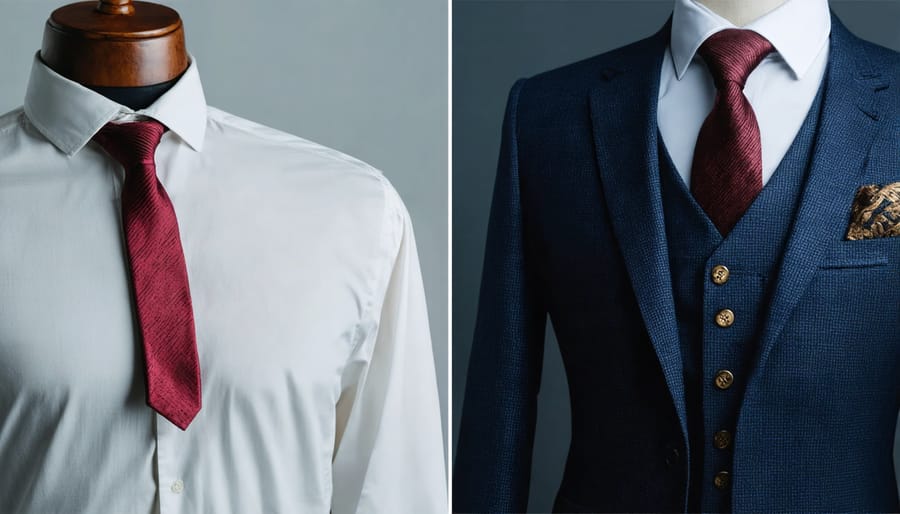
When it comes to adaptive fashion, the fabric choice can make or break your comfort game. Today’s innovative textile technologies have revolutionized the way we think about comfortable, adaptable materials. Super-soft modal and bamboo fabrics lead the pack, offering breathability and moisture-wicking properties that keep you feeling fresh throughout the day.
Cotton-spandex blends deserve special mention for their perfect balance of stretch and structure. These fabrics move with your body while maintaining their shape, making them ideal for pieces that need frequent adjusting. For those with sensory sensitivities, brushed jersey and micro-modal materials provide that coveted “barely-there” feeling while looking totally polished.
Temperature-regulating fabrics like merino wool and specially treated cottons are game-changers for those who experience temperature sensitivity. These smart materials adapt to your body’s needs, keeping you cozy when it’s cool and breezy when it’s warm.
For those concerned about skin irritation, tagless garments made from hypoallergenic materials like organic cotton and silk-alternative fabrics offer supreme comfort without compromising on style. Many brands now incorporate flat-lock seams and seamless construction techniques, eliminating potential pressure points and creating smoother lines under clothing.
The best part? These fabrics aren’t just functional – they’re fashionable too. From luxuriously soft sweaters to stretchy, structured blazers, sensory-friendly materials are proving that comfort and style aren’t mutually exclusive.
Adjustable and Convertible Pieces
Versatility is the name of the game when it comes to adaptive fashion, and adjustable pieces are leading the charge in this revolution. Think wrap dresses that can be styled multiple ways, pants with adjustable waistbands and lengths, and tops with convertible necklines that work for various occasions and mobility needs.
One of the most exciting innovations is the emergence of modular clothing systems. These brilliant pieces feature removable sleeves, adjustable hemlines, and reversible designs that can transform from day to night with minimal effort. Magnetic closures and adjustable ties replace traditional buttons and zippers, making these pieces both functional and fashionable.
The convertible magic doesn’t stop there. Multi-way cardigans can be worn as wraps, shrugs, or traditional sweaters, while innovative skirts feature adaptable lengths and customizable fits. These pieces aren’t just practical; they’re statement makers that celebrate individual style while accommodating different needs throughout the day.
For those who love to maximize their wardrobe, convertible pieces offer incredible value. A single item can create multiple looks, perfect for travel or capsule wardrobes. From dresses that transform from maxi to midi length, to tops with adjustable compression levels, these adaptable pieces prove that style and functionality can coexist beautifully.
When shopping for adjustable pieces, look for high-quality fabrics that maintain their shape and sturdy construction that can handle frequent adjustments. The best part? These versatile pieces often become the most reached-for items in your wardrobe, proving that adaptive fashion is truly fashion for everyone.
Style Without Compromise
Trending Adaptive Fashion Brands
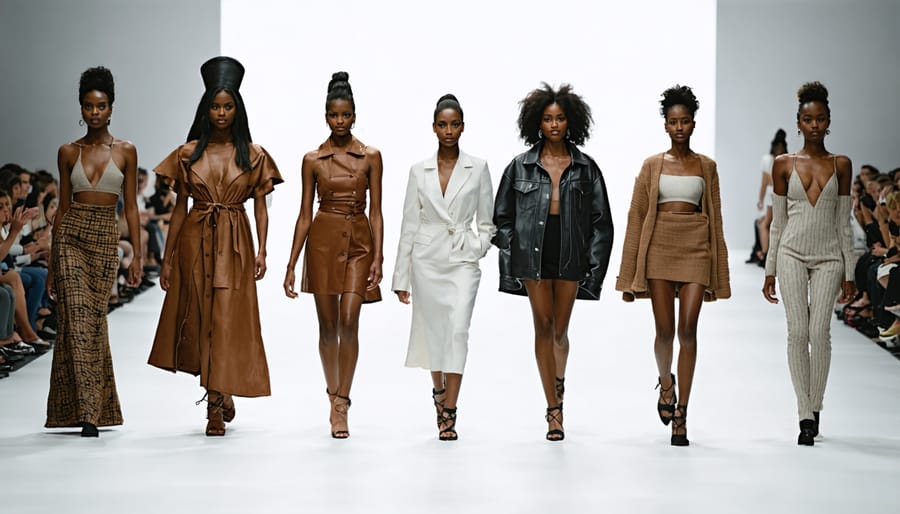
The adaptive fashion landscape is blooming with innovative brands that are revolutionizing the industry as part of the broader body positivity revolution. Leading the charge is FFORA, whose sleek accessories and clothing pieces seamlessly blend functionality with high fashion aesthetics. Their magnetic closures and adjustable features have become a game-changer for fashion enthusiasts seeking both style and accessibility.
IZ Adaptive continues to impress with their contemporary collections, featuring everything from professional wear to casual classics. Their innovative seated design approach ensures clothes look fabulous whether standing or sitting, with thoughtful details like magnetic closures and adjusted hemlines.
Tommy Adaptive, part of the Tommy Hilfiger family, brings their signature American cool to the adaptive fashion space. Their collections feature magnetic buttons, adjustable waists, and easy-access openings while maintaining the brand’s classic preppy aesthetic.
Emerging brand Open Style Lab is pushing boundaries with their tech-forward approach, collaborating with designers and engineers to create stunning pieces that work for everyone. Their sensory-friendly fabrics and innovative closures are setting new standards in adaptive fashion.
Nike’s FlyEase technology has also made waves, bringing adaptive solutions to athletic wear with their revolutionary easy-entry footwear and activewear systems, proving that performance wear can be both accessible and stylish.
Celebrity Influence and Representation
Celebrity advocacy has transformed adaptive fashion from a niche market into a mainstream conversation. Stars like Selma Blair, who openly shares her journey with MS, have brought adaptive fashion into the spotlight, making it more visible and desirable. Their influence has encouraged major brands to embrace inclusive design, proving that style and accessibility can coexist beautifully.
Social media influencers are also changing the game. Disability advocates like Molly Burke and Madison Lawson use their platforms to showcase stunning adaptive fashion looks, breaking down stereotypes and demonstrating that adaptive clothing can be both functional and fashion-forward. Their content not only inspires confidence but also educates followers about the importance of inclusive design.
The red carpet has become a powerful platform for adaptive fashion visibility. Stars like Ali Stroker have dazzled in custom-designed adaptive evening wear, while Paralympic athletes regularly showcase adaptive sportswear at high-profile events. These moments of representation help normalize adaptive fashion and encourage designers to think more inclusively.
This increased visibility has sparked important conversations about representation in fashion campaigns. More brands are featuring models with diverse abilities, creating authentic representation that resonates with real consumers. This shift isn’t just about selling clothes – it’s about celebrating different bodies and abilities while proving that everyone deserves to feel confident and stylish in what they wear.
The Future of Inclusive Fashion
The fashion industry is experiencing a revolutionary shift towards true inclusivity, and adaptive clothing is at the forefront of this transformation. Designers and brands are increasingly embracing technology and innovation to create garments that are both stylish and accessible, signaling an exciting future for adaptive fashion.
Smart fabrics are leading the charge, with developments in temperature-regulating materials and self-adjusting fits. Imagine clothes that can adapt to body temperature changes or fabrics that automatically adjust their tension for comfort throughout the day. These innovations aren’t just conceptual – they’re becoming reality, with major fashion houses investing heavily in adaptive technology research.
3D printing is another game-changer, offering the potential for custom-fitted adaptive clothing at scale. This technology enables designers to create pieces that perfectly conform to individual body shapes while incorporating necessary adaptive features seamlessly into the design. The result? Clothing that’s both functional and fashion-forward, without compromising on style.
Artificial intelligence is revolutionizing the shopping experience too. Virtual fitting rooms equipped with AI technology are being developed to help shoppers find their perfect fit without the physical demands of traditional shopping. These digital solutions are particularly promising for those who find conventional shopping challenging.
The future also holds exciting possibilities in sustainable adaptive fashion. Brands are exploring eco-friendly materials that maintain adaptive properties while reducing environmental impact. This intersection of sustainability and accessibility is creating a new standard for conscious fashion consumption.
Perhaps most importantly, we’re seeing a shift in the fashion industry’s approach to design. The “design for all” philosophy is becoming mainstream, with adaptive features being incorporated into regular fashion lines rather than being treated as a separate category. This integration is breaking down barriers and creating a more inclusive fashion landscape where style truly knows no bounds.
The message is clear: adaptive fashion isn’t just about necessity – it’s about innovation, style, and the freedom to express yourself through clothing, regardless of ability.
The transformative power of adaptive fashion extends far beyond mere clothing choices – it’s a movement that’s revolutionizing how women express themselves and navigate their daily lives. As we’ve explored throughout this article, adaptive clothing represents a beautiful fusion of functionality and style, proving that fashion can be both accessible and chic. By embracing authentic style through adaptive fashion, women are reclaiming their independence and celebrating their unique identities.
The rise of adaptive fashion marks a significant shift in the industry, where inclusivity isn’t just a buzzword but a driving force for innovation. These thoughtfully designed pieces empower women to dress confidently, participate fully in their daily activities, and express their personality without compromise. From magnetic closures that make getting ready a breeze to adjustable features that ensure perfect fit, every detail serves both purpose and style.
As we look to the future, it’s clear that adaptive fashion will continue to evolve, bringing even more innovative solutions that combine cutting-edge design with accessibility. The message is powerful and clear: style knows no boundaries, and every woman deserves to feel confident, comfortable, and fashionable in her clothing choices. By embracing adaptive fashion, we’re not just changing how we dress – we’re transforming lives and creating a more inclusive world where fashion truly works for everyone.
You may also like
-
How Fashion’s Top Women Leaders Are Reshaping Mentorship Networks
-
How Fashion Storytelling Transforms Women’s Digital Expression
-
How Fashion’s Body Positivity Revolution is Changing Women’s Lives
-
Fashion Education Transformed Women’s Careers – Here’s How It Changed Everything
-
How Fashion Education Transforms Women’s Lives Beyond the Classroom