
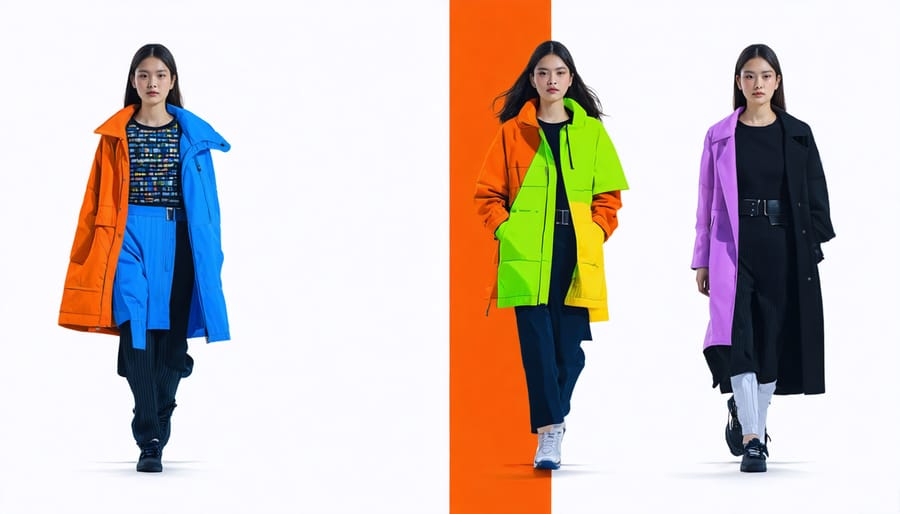
The adaptive fashion revolution promises inclusivity, but critical voices raise valid concerns about its current trajectory. While brands trumpet accessibility, many adaptive clothing lines fall short of real-world needs, often prioritizing aesthetics over functionality. Sky-high price points—frequently triple the cost of standard clothing—create an economic barrier that contradicts the movement’s inclusive mission. Quality control issues plague even established adaptive fashion lines, with users reporting inconsistent sizing, fragile adaptations, and designs that don’t fully consider diverse mobility needs. These challenges highlight a crucial disconnect between marketing promises and lived experiences, suggesting that the industry needs a radical rethink of how it approaches adaptive design. Rather than celebrating incremental progress, it’s time to demand meaningful innovation that truly serves the community it claims to support.
The Reality Gap in Adaptive Fashion
Style vs. Functionality Debate
The eternal tug-of-war between looking fabulous and feeling comfortable has never been more evident than in the z-health fashion scene. While designers strive to balance style with functionality, many pieces still fall short of meeting both needs effectively. Fashion enthusiasts with chronic conditions often find themselves choosing between trendy pieces that look amazing but feel restrictive, or functional items that prioritize comfort but lack that fashion-forward edge we all crave.
This struggle is particularly visible in seasonal collections, where beautiful designs sometimes overshadow practical considerations. Take, for instance, those gorgeous wrap dresses that look stunning on Instagram but prove challenging for people with limited mobility. Or those chic adaptive jeans that nail the aesthetic but might not accommodate medical devices comfortably.
Yet, this ongoing debate has sparked innovation in the fashion industry. Creative solutions are emerging as designers increasingly recognize that style and functionality aren’t mutually exclusive. The key lies in understanding that true fashion innovation means creating pieces that make everyone feel both confident and comfortable.
Price Point Problems
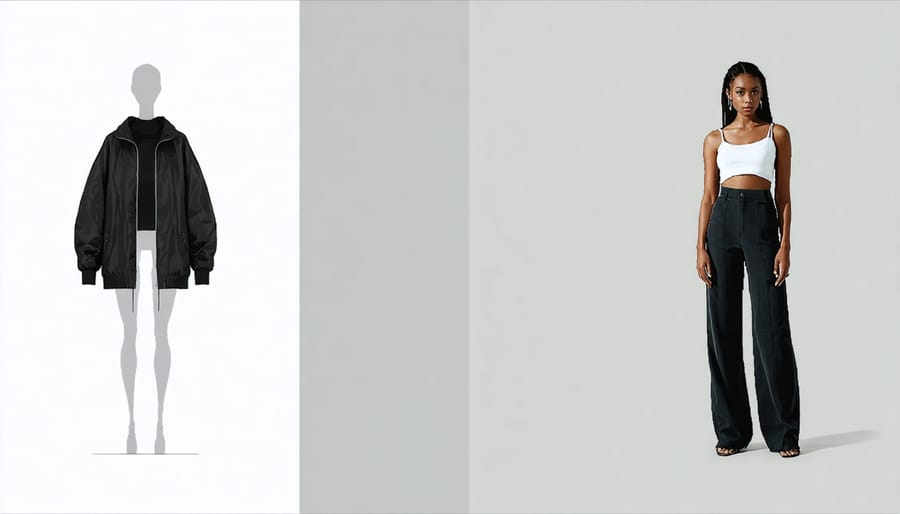
Let’s talk about the elephant in the room – the price tags on adaptive fashion pieces can make even the most seasoned fashionista’s eyes water. While we all love the idea of inclusive design, the reality is that many adaptive fashion items come with premium pricing that puts them out of reach for many consumers who need them most.
A simple adaptive button-down shirt can cost three times more than its mainstream counterpart, while specialized sensory-friendly dresses often start at $150. This pricing structure creates a frustrating paradox: those who require adaptive clothing often face additional medical expenses and income limitations, yet they’re expected to pay significantly more for basic wardrobe essentials.
The reasons behind these high costs are complex – from smaller production runs to specialized design requirements. However, this doesn’t make it any easier for consumers to swallow the steep prices. Some fashion advocates argue that the industry needs to find innovative solutions to bring down costs without compromising on quality or functionality. Until then, the price point remains one of the biggest hurdles in making adaptive fashion truly accessible to everyone who needs it.
Common Design Oversights
Fabric Sensitivities
When it comes to z-health products, one of the most significant concerns lies in their fabric choices and their impact on those with chronic conditions. While innovative fabric technologies promise comfort and healing properties, many users report unexpected sensitivities to these materials.
The synthetic blends commonly used in z-health garments can trigger reactions in people with multiple chemical sensitivities or compromised immune systems. Reports of skin irritation, respiratory issues, and heightened inflammation are particularly concerning, especially since these products are marketed as therapeutic solutions.
Natural fiber alternatives aren’t always the answer either. While cotton and bamboo options exist, they often lack the performance features that make z-health products appealing in the first place. The challenge lies in finding the sweet spot between comfort, functionality, and sensitivity considerations.
Many users have shared stories of investing in expensive z-health pieces only to discover they can’t wear them due to unexpected reactions. This highlights a crucial gap in product testing and the need for more transparent fabric composition labeling. For those managing chronic conditions, the trial-and-error process of finding suitable materials can be both frustrating and costly.
The fashion industry needs to address these concerns by developing more inclusive fabric options that consider various sensitivities while maintaining therapeutic benefits.

Accessibility Features
When it comes to z-health closures, one of the most frustrating challenges many of us face is the limited adjustability options. Those tiny zippers and clasps that looked super cute in the store can become our worst enemies when we’re rushing to get ready! Many designs feature rigid, one-size systems that don’t account for different body shapes, hand mobility issues, or daily fluctuations in comfort needs.
Let’s talk about those impossible-to-grip zipper pulls that seem to have been designed for tiny woodland creatures rather than human fingers. And don’t even get me started on those delicate clasps that require the precision of a surgeon to operate! While these closures might photograph beautifully for social media, they often fall short in real-world usability.
The fashion industry’s current approach to closure systems often prioritizes aesthetics over functionality. We’re seeing gorgeous designs with hidden zippers that become a workout to reach, and trendy magnetic closures that either snap too tight or come undone at the most inconvenient moments. Many of us have experienced that awkward dance of trying to zip up a back closure without calling for backup!
What we really need are innovative solutions that don’t compromise on style or functionality. Some brands are starting to listen, incorporating larger pulls, magnetic assists, and adjustable features, but we still have a long way to go before these become the industry standard.
The Consumer Voice
Unmet Needs
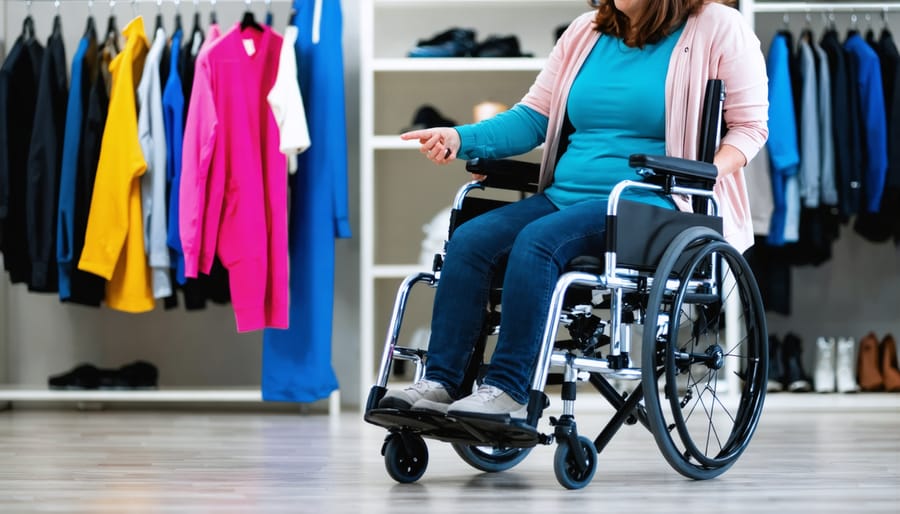
Despite the growing attention to adaptive fashion, many community members still face significant challenges that haven’t been adequately addressed. A recurring theme is the limited variety in styles and designs, with many expressing frustration at being unable to find trendy, fashion-forward pieces that align with current trends. While basic necessities are becoming more available, fashion-conscious individuals want more than just functional clothing – they’re seeking pieces that express their personality and style.
Cost remains a major concern, with adaptive clothing often priced significantly higher than conventional alternatives. This price disparity creates an accessibility barrier, particularly for those already managing additional healthcare expenses. The community also highlights the need for more inclusive sizing options, noting that adaptive clothing shouldn’t mean compromising on fit and proportion.
Many users point out the lack of consideration for different types of disabilities and mobility needs in current designs. There’s a strong desire for brands to engage more directly with the community during the design process, ensuring that solutions actually address real-world challenges. Additionally, there’s a call for better representation in marketing campaigns and more transparent information about adaptive features in online shopping experiences.
Success Stories
Despite the criticisms, Z-Health has achieved remarkable success stories that showcase its potential in transforming lives through adaptive movement. Take Sarah Martinez, a former athlete who struggled with chronic knee pain. After six months of Z-Health training, she not only regained full mobility but returned to competitive sports, crediting the program’s focus on neurological training for her recovery.
The corporate wellness sector has also seen wins, with tech giant MetaCore reporting a 40% reduction in workplace-related injuries after implementing Z-Health principles in their employee wellness program. Their case study revealed improved posture, decreased repetitive strain issues, and enhanced overall employee satisfaction.
Professional dancers have particularly embraced Z-Health’s methodology. The Contemporary Dance Alliance noted that dancers incorporating Z-Health techniques showed better balance, faster injury recovery, and increased performance longevity. Notable success came from the Seattle Dance Company, where lead performer James Chen overcame a career-threatening hip injury through targeted Z-Health protocols.
These victories highlight how, when properly implemented, Z-Health’s approach can deliver tangible results. While the program isn’t without its critics, these success stories demonstrate its potential to create positive change when matched with dedicated practice and proper guidance.
As we’ve explored throughout this discussion, z-health fashion faces significant challenges that need addressing. While innovative adaptive designs are emerging, there’s still a considerable gap between what’s available and what’s truly needed. The fashion industry must embrace a more inclusive approach, considering diverse body types, mobility needs, and lifestyle requirements in their design process.
The criticism surrounding z-health fashion isn’t just about pointing out flaws – it’s a call to action for designers, brands, and retailers to do better. We need more affordable options, better accessibility in mainstream stores, and designs that don’t compromise style for function. Most importantly, we need to amplify the voices of those who wear adaptive fashion, making them central to the design process rather than afterthoughts.
Looking ahead, the future of adaptive fashion holds promise, but only if we continue pushing for change. By demanding better representation, more inclusive design practices, and equal access to stylish, functional clothing, we can help create a fashion industry that truly serves everyone. After all, fashion should be a source of joy and self-expression for all, regardless of physical abilities or health conditions.
You may also like
-
Adaptive T-Shirts: Stylish Solutions That Make Getting Dressed Easier
-
Adaptive Jeans That Actually Look Stylish: Fashion Meets Function for Chronic Conditions
-
How Adaptive Bras Are Transforming Life for Women with Chronic Conditions
-
Adaptive Clothing: The Fashion Revolution Making Style Accessible for All
-
Stylish Without Struggle: Adaptive Clothing That Makes Fashion Work for You