
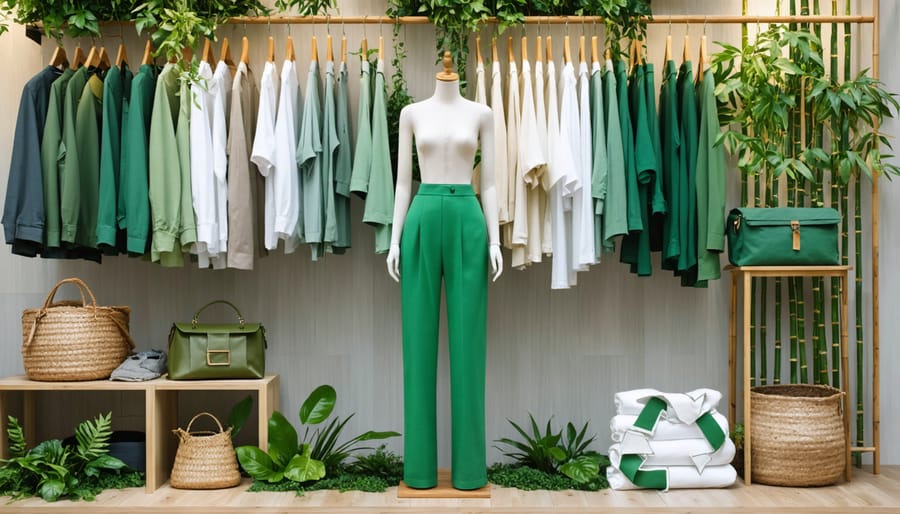
The fashion industry stands at a critical crossroads, where style meets responsibility in an unprecedented way. Fast fashion’s environmental toll has reached alarming levels – with the industry contributing to 10% of global carbon emissions and 20% of global water pollution. Yet, within this challenge lies an exciting transformation that’s reshaping how we express ourselves through clothing.
Today’s conscious consumers are driving a fashion revolution, demanding transparency and sustainability without compromising on style. From innovative fabric technologies created from recycled ocean plastics to zero-waste design principles and ethical manufacturing practices, sustainable fashion is proving that looking good and doing good aren’t mutually exclusive.
This shift isn’t just a trending hashtag – it’s a fundamental reimagining of how we produce, consume, and value clothing. Leading brands are pioneering circular fashion models, while emerging designers are building sustainability into their DNA from day one. The result? A new era of fashion that celebrates creativity, champions environmental stewardship, and empowers consumers to make choices that align with their values.
As we explore this evolving landscape, one thing becomes clear: sustainable fashion isn’t just about eco-friendly materials or ethical production – it’s about creating a more conscious, intentional relationship with what we wear.
The Real Cost of Fast Fashion
Environmental Impact
Let’s face it, girlfriends – our fashion choices have a bigger impact on Mother Earth than we might think. The fashion industry is one of the world’s biggest environmental challengers, using a staggering amount of water (it takes about 2,700 liters to make just one cotton t-shirt!) and contributing significantly to global carbon emissions.
Fast fashion’s rapid production cycles are leaving a heavy footprint on our planet. The industry accounts for about 10% of global carbon emissions – that’s more than international flights and maritime shipping combined! And don’t even get us started on textile waste. Each year, millions of tons of clothing end up in landfills, with many pieces worn just a handful of times before being tossed.
But here’s the empowering part: we can make a difference! By choosing sustainably produced clothing, supporting brands that use eco-friendly materials, and embracing slow fashion, we’re not just making better choices for our wardrobes – we’re voting with our dollars for a cleaner, greener future. The next time you’re updating your closet, remember that every piece tells a story – make sure yours is one that helps protect our beautiful planet.

Social Responsibility
The fashion industry’s transformation begins with putting people first. More brands are embracing ethical manufacturing practices that prioritize worker well-being, fair wages, and safe working conditions. Gone are the days when we turned a blind eye to sweatshops and exploitation – today’s conscious consumers demand transparency and accountability.
Leading sustainable fashion brands are setting new standards by ensuring their workers receive living wages, reasonable working hours, and comprehensive benefits. Many have implemented strict workplace safety protocols and regular third-party audits to maintain high ethical standards. Some brands even empower their workers through skill development programs and education initiatives, creating pathways for career growth.
What’s truly inspiring is how these changes ripple through communities. When fashion workers are treated fairly and paid well, they can support their families, invest in education, and contribute to local economic growth. This human-centered approach to fashion production isn’t just about making clothes – it’s about creating positive social impact and building a more equitable industry for everyone involved.
Game-Changing Sustainable Practices
Eco-Friendly Materials
The fashion industry is experiencing a beautiful revolution, with sustainable textile production leading the way toward a greener future. Gone are the days when eco-friendly meant compromising on style – today’s sustainable materials are as luxurious as they are Earth-conscious.
Innovative fabrics like Tencel, made from sustainably harvested wood pulp, offer a silky-smooth alternative to traditional materials while using significantly less water in production. Recycled polyester, crafted from plastic bottles, is giving new life to waste materials while creating durable, fashion-forward pieces that look and feel amazing.
Plant-based alternatives are also making waves in the fashion world. Pineapple leather (Piñatex) and mushroom leather are revolutionizing accessories, while organic cotton and hemp provide breathable, chemical-free options for everyday wear. These materials aren’t just better for the planet – they often offer superior comfort and durability too!
The best part? These eco-friendly materials are becoming increasingly accessible. From high-street brands to luxury labels, fashion houses are embracing sustainable alternatives, making it easier than ever to build an environmentally conscious wardrobe without sacrificing style. By choosing clothes made from these innovative materials, we’re not just making a fashion statement – we’re voting for a more sustainable future with our wardrobes.
Circular Fashion
Gone are the days when fashion followed a simple buy-wear-dispose cycle. Today’s fashion revolution is all about embracing circular fashion principles that transform how we create, consume, and reimagine our wardrobes. Think of it as fashion’s version of “reduce, reuse, recycle” – but make it fabulous!
Leading brands are introducing innovative recycling programs that make it super easy for you to give your pre-loved pieces a second life. Drop off your old jeans at collection points, and they might return as a chic new denim jacket or even eco-friendly home insulation. How cool is that?
Zero-waste design is another game-changer that’s revolutionizing the industry. Designers are getting creative with pattern cutting, ensuring every scrap of fabric finds its purpose. Imagine puzzle pieces fitting perfectly together – that’s exactly how zero-waste patterns work! Some brands are even turning textile waste into stunning new materials or using technology to create made-to-order pieces that eliminate overproduction.
The best part? You can join this circular fashion movement right now. Start by choosing brands with take-back programs, caring for your clothes to extend their life, and exploring rental or swap services. Every small choice helps close the loop and makes fashion more sustainable for everyone. Remember, yesterday’s waste can become tomorrow’s wardrobe treasure!
Transparent Supply Chains
Ever wondered where your favorite dress really comes from? Today’s fashion-forward consumers are asking this crucial question, and brands are stepping up to provide answers. Transparent supply chains are becoming the new must-have in fashion, and it’s about more than just knowing where your clothes are made.
Think of transparency as your garment’s life story – from the cotton fields to your closet. Leading brands are now using innovative technologies like blockchain and QR codes to let you trace every step of your clothing’s journey. With a quick scan of your phone, you can discover who grew the cotton, which artisans crafted the fabric, and where the final piece was sewn together.
This openness isn’t just about feeling good about your purchase (though that’s definitely a bonus!). It’s about ensuring fair wages, safe working conditions, and ethical practices throughout the entire production process. When brands are transparent, they’re more likely to maintain high standards because, let’s face it, nobody wants their not-so-great practices exposed to the world.
Some brands are taking it even further by sharing their supplier lists publicly and providing detailed impact reports. This level of honesty helps us make more informed choices about our wardrobes and supports companies that align with our values. After all, knowing the story behind your outfit makes it even more special to wear.
Ready to embrace transparency? Look for brands that openly share their manufacturing processes and aren’t afraid to answer tough questions about their supply chain practices.
Sustainable Fashion Entrepreneurs Making Waves
Success Stories
Meet the trailblazers who are revolutionizing the fashion industry through sustainable practices. Stella McCartney has been leading the charge since 2001, proving that luxury and sustainability can coexist beautifully. Her brand has pioneered the use of innovative materials like mushroom leather and recycled ocean plastics, while maintaining its position as a coveted luxury label.
Reformation’s founder, Yael Aflalo, transformed a small vintage clothing store into a sustainability powerhouse that’s now valued at over $500 million. The brand’s commitment to transparency includes publishing its environmental impact reports and implementing a revolutionary factory-to-closet tracking system.
Speaking of game-changers, Patagonia’s Rose Marcario demonstrated that profitability and planet-friendly practices go hand in hand. Under her leadership, the company’s revenues quadrupled while maintaining its strict environmental standards. Their Worn Wear program, encouraging repairs and resale, has become a model for circular fashion.
Let’s not forget emerging entrepreneurs like Sophia Demetriades, founder of Sophia Joy. Starting with just $5,000, she built a thriving accessories brand using deadstock materials and employing local artisans. Her company now ships worldwide and has prevented over 50,000 pounds of textile waste from reaching landfills.
These success stories prove that sustainable fashion isn’t just a trend – it’s a viable business model that’s reshaping the industry’s future while inspiring a new generation of conscious entrepreneurs.
Business Models That Work
Let’s talk about the game-changers who are proving that sustainable fashion isn’t just good for the planet – it’s great for business too! Take Reformation, for example. They’ve mastered the art of transparent production, showing customers exactly how their clothes are made while serving up Instagram-worthy styles that make sustainability seriously cool.
Then there’s Rent the Runway, revolutionizing how we think about our wardrobes. Their rental model means fewer clothes in landfills and more designer pieces in our closets – talk about a win-win! And let’s not forget Patagonia, the OG of sustainable fashion. They’ve shown that encouraging customers to repair rather than replace can actually build brand loyalty and boost profits.
Smaller brands are crushing it too! Companies like Vetta have perfected the capsule wardrobe concept, creating mix-and-match pieces that reduce waste while maximizing style options. Meanwhile, Eileen Fisher’s take-back program turns old garments into new treasures, proving that circular fashion is both possible and profitable.
The secret sauce? These brands understand that today’s fashion lovers want it all – style, sustainability, and transparency. They’re not just selling clothes; they’re selling a movement. By focusing on quality over quantity, embracing innovative materials, and creating genuine connections with their community, they’ve built business models that are as sustainable as they are successful.
Making Sustainable Fashion Work for You
Smart Shopping Strategies
Ready to revolutionize your wardrobe while staying eco-conscious? Let’s make sustainable shopping your new fashion superpower! Start by embracing the “30 wears test” – before purchasing any item, ask yourself if you’ll wear it at least 30 times. This simple rule helps eliminate impulse buys and ensures each piece earns its place in your closet.
Consider building a capsule wardrobe with versatile, high-quality pieces that mix and match effortlessly. Invest in timeless classics made from sustainable materials like organic cotton, hemp, or recycled fabrics. These pieces might cost more initially but offer better value over time.
Thrifting and clothes swapping are fantastic ways to refresh your style while giving pre-loved pieces a second life. Many online platforms now make it super easy to find designer secondhand clothing in great condition. When shopping new, look for brands that prioritize transparency and sustainable practices.
Don’t forget to care for your clothes properly – wash in cold water, air dry when possible, and repair minor damages instead of replacing items. Remember, the most sustainable garment is the one already in your wardrobe!
Building a Sustainable Wardrobe
Building a sustainable wardrobe doesn’t mean sacrificing style – it’s about making mindful choices that benefit both your personal aesthetic and the planet. Start by taking inventory of what you already own and identify pieces that truly reflect your style. Consider learning how to create a capsule wardrobe with versatile, high-quality pieces that mix and match effortlessly.
When shopping, opt for timeless designs over fast-fashion trends, and invest in quality pieces that will last longer. Look for brands that use sustainable materials like organic cotton, hemp, or recycled fabrics. Don’t forget to explore secondhand stores and clothing swap events – they’re treasure troves of unique pieces with character and history.
Care for your clothes properly by following care labels, using eco-friendly detergents, and repairing items when needed instead of replacing them. Consider renting statement pieces for special occasions rather than buying them. Remember, sustainable fashion isn’t about perfection – it’s about making better choices one step at a time while expressing your unique style.
As we’ve explored throughout this article, sustainable fashion isn’t just a passing trend – it’s a powerful movement reshaping our relationship with style and self-expression. By embracing eco-conscious fashion choices, we’re not only curating more meaningful wardrobes but also becoming part of a larger story of positive change.
The future of fashion is bright, sustainable, and inclusive. From innovative recycled materials to ethical manufacturing practices, the industry is evolving to meet the demands of conscious consumers like you. Every sustainable purchase we make sends a clear message to brands that we value both style and responsibility.
Remember, your journey toward sustainable fashion doesn’t have to be perfect. Start small, make mindful choices, and celebrate each step toward a more sustainable wardrobe. Whether it’s investing in quality pieces, supporting ethical brands, or exploring secondhand fashion, your choices matter.
Together, we’re creating a fashion industry that values creativity, diversity, and environmental stewardship. As more brands embrace sustainability and transparency becomes the norm, we’ll continue to see exciting innovations that make eco-friendly fashion more accessible and appealing than ever.
Let’s carry this momentum forward, making conscious choices that reflect our values and inspire others to join the sustainable fashion movement. After all, true style isn’t just about what we wear – it’s about the impact we choose to make.