
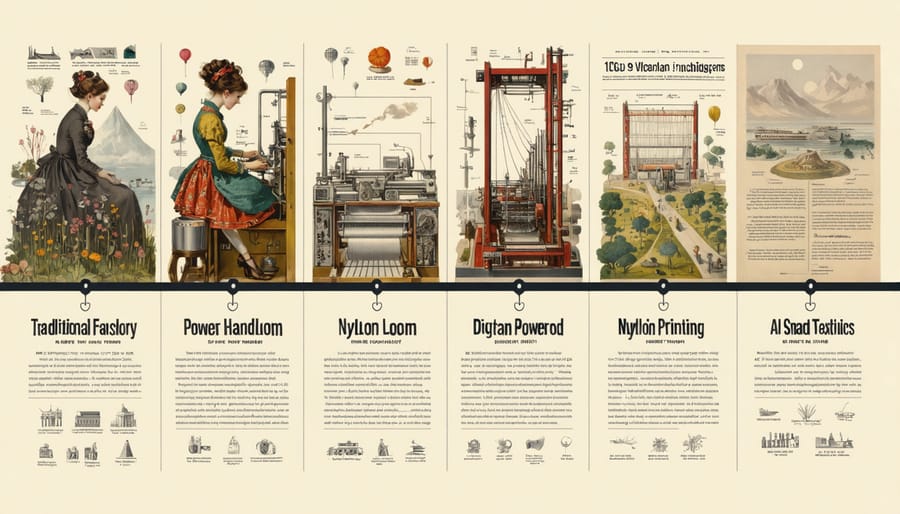
From the humble spindle to AI-powered smart fabrics, innovations in textile manufacturing have revolutionized how we express ourselves through fashion. Each technological leap has not only transformed production methods but also redefined global fashion trends and our relationship with clothing.
Picture this: before the Industrial Revolution, a single dress could take weeks to create by hand. Today, that same garment can be designed, produced, and shipped to your doorstep in mere days. This dramatic evolution isn’t just about speed – it’s about democratizing fashion, enabling self-expression, and pushing the boundaries of what’s possible in style and sustainability.
From sustainable fabric innovations to 3D-printed couture, the textile industry continues to weave together tradition and technology, creating a tapestry of possibilities that shapes how we dress, shop, and express our individuality. Let’s explore the game-changing innovations that have transformed not just our closets, but our entire fashion culture.
The Power Loom Revolution: When Fashion Became Accessible
From Handloom to Power Loom
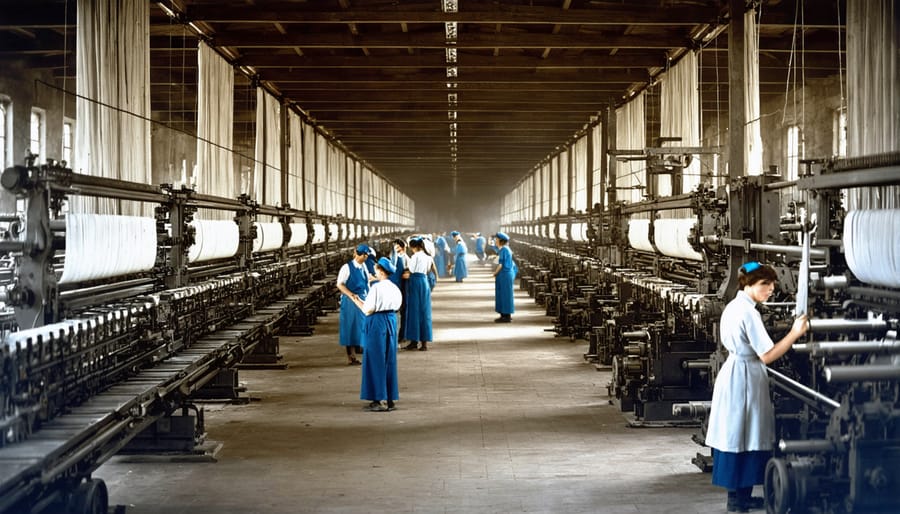
The fashion revolution truly began when the humble handloom gave way to the mighty power loom. This game-changing shift didn’t just speed up production – it completely transformed how we experience fashion today. Imagine going from weaving one dress at a time to creating hundreds in a single day! This incredible leap forward meant that suddenly, beautiful fabrics weren’t just for the elite anymore.
The power loom, introduced in the late 18th century, brought fashion democracy to life. It cut production time by 40 times compared to traditional handlooming, making trendy pieces accessible to everyone. This innovation sparked a ripple effect that we’re still riding today – fast fashion, seasonal collections, and the ability to experiment with different styles without breaking the bank.
But it wasn’t just about speed and quantity. Power looms also introduced consistency in fabric quality and opened doors for exciting new textile patterns and designs that were previously impossible to create by hand.
The Birth of Ready-to-Wear Fashion
Before the mid-1800s, having a new outfit meant visiting your local dressmaker or tailor for custom-made pieces – a luxury reserved for the wealthy. Everything changed when sewing machines and standardized sizing revolutionized the fashion industry. Suddenly, clothes could be produced quickly, efficiently, and in large quantities.
The game-changer? Department stores. These fashion havens introduced the concept of browsing ready-made garments that could be purchased and worn immediately. Gone were the days of lengthy fittings and waiting weeks for a single dress. This democratization of fashion meant style was no longer exclusive to the elite.
The ready-to-wear revolution transformed how we shop and express ourselves through clothing. It paved the way for fast fashion, seasonal collections, and the ability to experiment with different styles without breaking the bank. This shift didn’t just change the industry – it changed how we view and consume fashion forever.
Synthetic Fabrics: The Future Arrives
Nylon’s Fashion Revolution
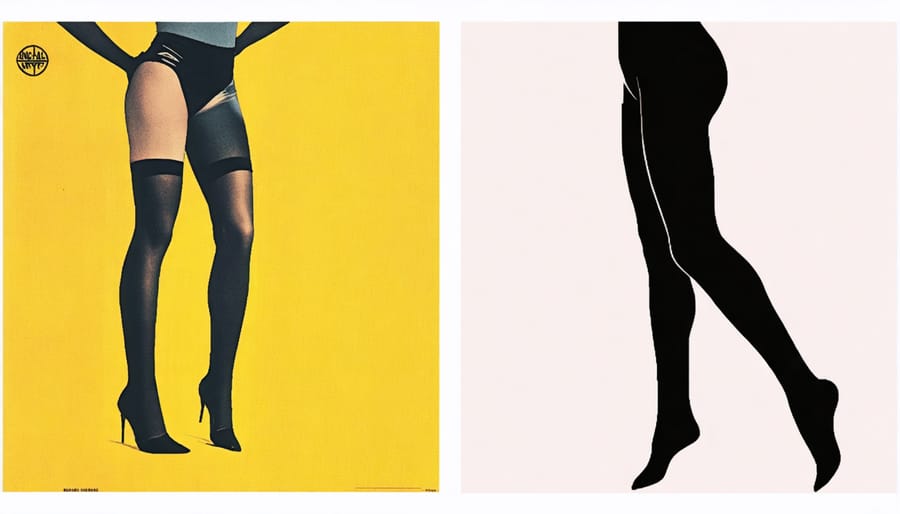
When nylon burst onto the fashion scene in 1938, it didn’t just introduce a new fabric – it sparked a revolution in how women dressed and accessed luxury. Before nylon, silk stockings were a coveted luxury item that many women could only dream of owning. The introduction of nylon stockings changed everything, offering a durable, affordable alternative that looked just as elegant as silk.
The fabric’s versatility quickly expanded beyond hosiery. Suddenly, women could own multiple pieces of lingerie, swimwear, and dresses that were not only beautiful but also practical – they dried quickly, held their shape, and didn’t require the delicate care that silk demanded. This democratization of fashion meant that working women could look just as polished as their wealthy counterparts without breaking the bank.
Nylon’s impact went beyond just accessibility. Its strength and flexibility opened new possibilities in design, allowing for the creation of figure-hugging silhouettes that celebrated women’s bodies in ways previously impossible. From the iconic nylon stockings of the 1940s to today’s athleisure wear, this revolutionary fiber continues to shape how we dress and express ourselves.
Spandex: Making Fashion Flexible
Ever wondered why your favorite leggings move with you like a second skin? Enter spandex – the game-changing fiber that revolutionized our wardrobes in the 1950s. This stretchy wonder, also known as elastane or Lycra, transformed fashion from rigid and restrictive to wonderfully flexible and body-positive.
Unlike traditional fabrics, spandex can stretch up to 500% its original size and snap right back into shape. This incredible feature opened up a whole new world of possibilities for designers and everyday fashion lovers alike. From athleisure to body-con dresses, spandex made comfort and style perfect partners.
The impact? Revolutionary. Activewear became truly functional, swimsuits started flattering every body type, and those perfect-fitting jeans? They’re probably 2% spandex. This innovative fiber empowered women to move freely while feeling confident in their clothes. Today’s fashion landscape would look completely different without this stretchy sensation – imagine yoga pants that don’t stretch or shapewear that doesn’t shape!
Whether you’re crushing it at the gym or rocking that little black dress, you’re probably wearing something with spandex right now. It’s the silent hero making fashion more inclusive, comfortable, and fabulous for everyone.
Smart Textiles: Where Tech Meets Fashion
Self-Cleaning Fabrics
Imagine never having to wash your favorite blazer again! Self-cleaning fabrics are revolutionizing our wardrobes, making life easier while staying perfectly on-trend. These innovative textiles use advanced nanotechnology to break down dirt, sweat, and stains when exposed to sunlight or specific environmental conditions. Just like the rapid street style evolution we’ve witnessed, this game-changing technology is transforming how we care for our clothes.
The magic lies in tiny nanostructures woven into the fabric that create a protective barrier, preventing liquids from penetrating while allowing sweat to evaporate. Some fabrics even incorporate silver nanoparticles that naturally fight bacteria, keeping your clothes fresh longer. Leading fashion houses are already incorporating these self-cleaning properties into everything from workout wear to luxury pieces, proving that sustainable fashion can be both practical and chic.
With busy modern lifestyles, these innovative textiles aren’t just convenient – they’re helping us reduce water consumption and extend the life of our favorite pieces, making sustainable fashion more accessible than ever.
Temperature-Regulating Materials
Gone are the days of switching outfits multiple times to stay comfortable throughout your busy day! The latest temperature-regulating fabrics are like having a personal thermostat woven right into your clothing. These innovative materials work with your body to keep you feeling just right, whether you’re running to catch the subway or cooling down after yoga class.
Phase-change materials (PCMs) are leading this comfort revolution, storing and releasing heat as needed. When you start getting warm, these smart fabrics absorb excess body heat, helping you stay cool. Then, when temperatures drop, they release that stored warmth back to keep you cozy. It’s like having a fabric that thinks for itself!
Brands are now incorporating these game-changing materials into everything from workout wear to office essentials. Some even feature moisture-wicking properties that work alongside the temperature regulation, ensuring you stay dry and confident all day long. The best part? These fabrics feel luxuriously soft against your skin while working their magic, proving that comfort and style can absolutely go hand in hand.

Sustainable Tech in Fashion
The fashion industry is embracing a greener future with groundbreaking eco-friendly innovations that are as stylish as they are sustainable. From biodegradable sequins made from algae to fabrics created from recycled ocean plastics, sustainable tech is revolutionizing how we approach fashion. Lab-grown leather alternatives are giving traditional animal products a run for their money, while innovative dyeing processes using natural bacteria are reducing water waste and harmful chemical use.
Smart recycling systems are now transforming old garments into new fashion pieces, giving preloved clothing a second life. Brands are also incorporating AI-powered waste reduction technology in their manufacturing processes, ensuring precise cutting patterns that minimize fabric waste. The rise of 3D-printed accessories using plant-based materials shows how cutting-edge technology can merge with eco-consciousness.
These sustainable innovations aren’t just good for the planet – they’re creating beautiful, unique pieces that let us express our style while supporting environmental conservation. It’s proof that fashion can be both forward-thinking and earth-friendly!
Digital Printing: Customization Revolution
Print-on-Demand Fashion
Print-on-demand fashion has revolutionized how we express our personal style, bringing a fresh perspective to an industry traditionally dominated by mass production. This innovative approach allows fashion enthusiasts to create unique pieces that perfectly reflect their individuality, much like how fashion subcultures have influenced mainstream trends. With just a few clicks, you can now design your own statement pieces, from graphic tees to custom-printed dresses, and have them delivered to your doorstep.
This technology hasn’t just transformed personal style; it’s reshaping the entire fashion ecosystem. By producing items only when ordered, print-on-demand significantly reduces waste and unsold inventory, making it a more sustainable alternative to traditional fast fashion. It’s empowering independent designers and creative minds to launch their collections without the hefty upfront investments typically required in fashion retail, democratizing the industry in ways we’ve never seen before.
Sustainable Digital Innovation
Digital printing is revolutionizing fashion while giving Mother Earth a much-needed hug! This game-changing technology uses up to 95% less water than traditional textile printing methods and significantly reduces fabric waste. Unlike conventional processes that require minimum order quantities, digital printing allows designers to print exactly what they need – even just a single yard of fabric!
What’s super exciting is how this tech brings unlimited creativity to sustainable fashion. Imagine your wildest print dreams coming to life without harming the planet! Digital printing eliminates the need for screen setup and color separations, meaning less chemical waste and energy consumption. Plus, the precision of digital printing means fewer mistakes and less fabric ending up in landfills.
Many eco-conscious brands are now embracing this innovation, offering customizable, on-demand pieces that speak to both style and sustainability. It’s proof that fashion can be fabulous and environmentally responsible at the same time!
As we look ahead, the innovations that revolutionized the textile industry continue to evolve, promising an even more exciting future for fashion. Today’s smart fabrics can monitor our health, change colors on demand, and adapt to weather conditions – capabilities our ancestors could never have imagined when they first operated those groundbreaking spinning jennies.
The sustainability movement has sparked a new wave of innovation, with recycled materials and bio-engineered fabrics leading the charge. Imagine wearing a dress made from orange peels or a jacket grown from mushroom leather! These aren’t just fashion statements; they’re solutions to some of our industry’s biggest challenges.
3D printing and AI-driven design are democratizing fashion creation, allowing anyone with a vision to bring their ideas to life. Meanwhile, blockchain technology is revolutionizing supply chain transparency, ensuring we know exactly where our clothes come from and who made them.
The textile innovations of yesterday laid the foundation for today’s fashion revolution, and as technology continues to advance, one thing is clear: the future of fashion is limited only by our imagination.
You may also like
-
How Fashion’s Revolutionary Designers Transformed the Way We Dress
-
How Vintage Fashion Shaped Modern Style: A Global Journey Through Time
-
How 70s Fashion Changed Forever: The Designers Who Sparked a Cultural Revolution
-
Japanese Street Style Revolution: How J-Fashion Subcultures Shaped Global Fashion