
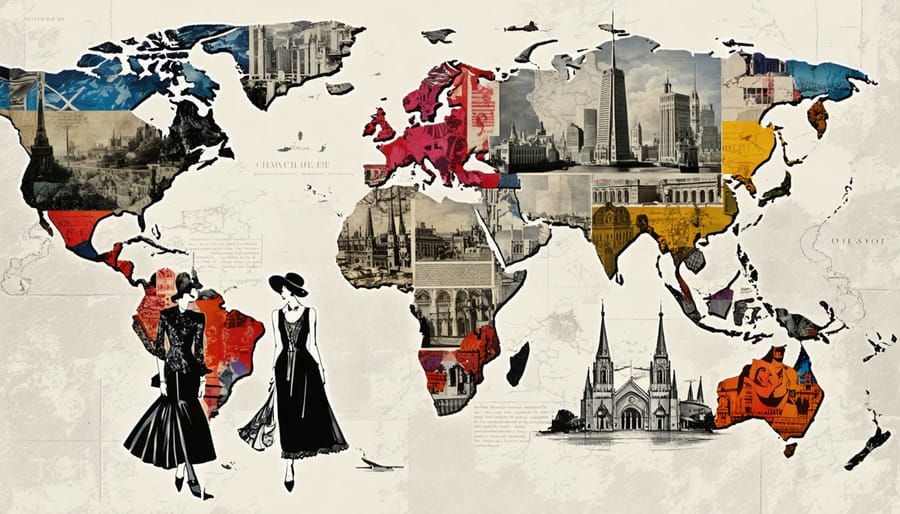
Step into a world where hemlines tell stories and silhouettes whisper secrets of the past. Vintage fashion isn’t just about old clothes—it’s a fascinating journey through time that continues to shape our modern wardrobes through revolutionary fashion game-changers who dared to break the rules.
From the liberating flapper dresses of the 1920s to the bold power suits of the 1980s, each era has left an indelible mark on how we express ourselves through clothing today. These timeless styles aren’t just preserved in museums; they’re being reinvented on runways, street corners, and in your own closet, proving that true style never really goes out of fashion.
What makes vintage fashion so captivating is its ability to tell stories of social revolution, cultural transformation, and personal empowerment. Whether it’s a perfectly tailored 1950s cocktail dress or a rebellious 1970s leather jacket, these pieces carry with them the spirit of innovation and self-expression that continues to inspire fashion lovers worldwide.
Join us as we explore how yesterday’s trends are shaping tomorrow’s style revolution, one iconic piece at a time.
The Roaring Twenties: Birth of Modern Fashion
Flapper Culture Goes Global
The flapper movement wasn’t just an American phenomenon – it sparked a global fashion revolution that transformed how women dressed and expressed themselves worldwide. In Paris, designers like Coco Chanel embraced the liberating silhouette, creating loose-fitting garments that allowed women to move freely and dance the Charleston. The straight, drop-waist dresses and shorter hemlines quickly spread across Europe, with London’s bright young things adopting the style as their own.
Even in conservative societies like Japan, modern girls known as “moga” emerged, mixing traditional kimonos with Western flapper elements like bobbed hair and dramatic makeup. In Latin America, especially in vibrant cities like Buenos Aires, women incorporated local flair into the flapper aesthetic, adding bold colors and elaborate embroidery to the classic silhouette.
The global reach of cinema played a huge role in spreading flapper culture, with Hollywood stars like Louise Brooks becoming international style icons. Their influence transcended borders, inspiring women from Shanghai to Sydney to embrace this revolutionary new way of dressing that symbolized freedom and modernity.
Art Deco’s Fashion Legacy
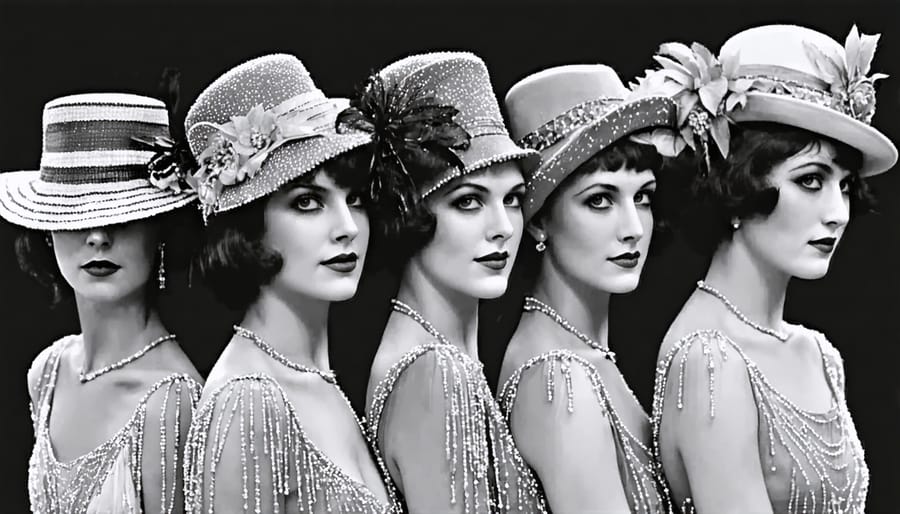
The glamorous spirit of Art Deco continues to captivate designers and fashion lovers alike, proving that true style never really fades. Those sleek geometric patterns and luxurious embellishments that defined the Roaring Twenties have become timeless elements in modern wardrobes. Think about those stunning beaded cocktail dresses you’ve spotted on red carpets, or the bold angular jewelry that makes such a statement – that’s pure Art Deco influence speaking through the decades.
What makes Art Deco so enduring is its perfect balance of sophistication and drama. The movement’s signature elements – symmetrical designs, metallic accents, and streamlined silhouettes – regularly appear in contemporary collections, from high street to haute couture. Modern designers frequently draw inspiration from this era’s innovative use of materials and its celebration of feminine power through fashion.
The influence extends beyond evening wear into everyday style. Those clean lines and dramatic contrasts show up in everything from blazer cuts to accessories, while the era’s bold confidence continues to inspire us to dress fearlessly and embrace our personal style with the same spirit that made the Art Deco period so revolutionary.
Post-War Fashion Revolution (1940s-1950s)
The New Look Revolution
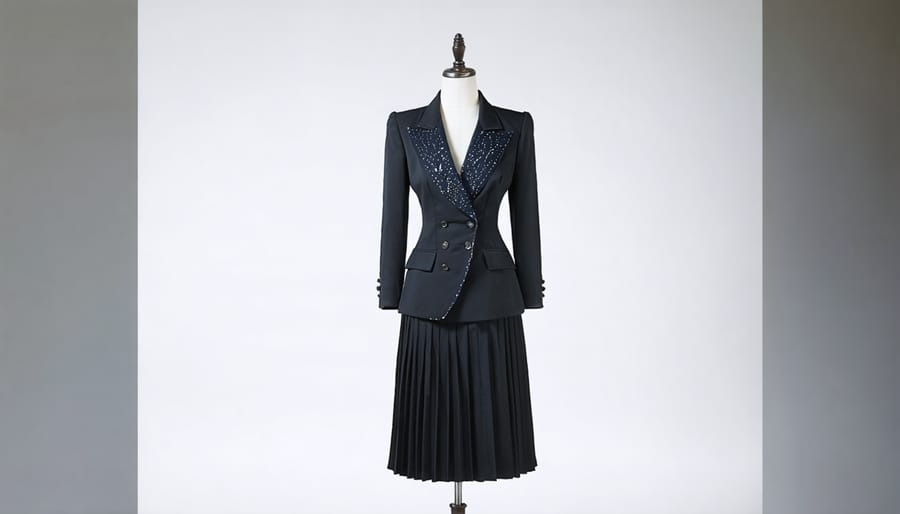
In the aftermath of World War II, fashion was ready for a revolution, and Christian Dior delivered exactly that. His 1947 “New Look” collection transformed fashion identity in ways that still influence our wardrobes today. Imagine the scene: women who had spent years in utilitarian, fabric-rationed clothing suddenly presented with full skirts that used up to 20 yards of fabric, nipped-in waists, and curved shoulders that celebrated femininity in its most dramatic form.
The New Look wasn’t just about clothes – it was about hope, renewal, and breaking free from wartime restrictions. Dior’s vision gave women permission to embrace luxury again, trading in their boxy, military-inspired silhouettes for hourglass figures that celebrated curves and confidence. The cinched waists, padded hips, and full skirts became symbols of a new era of prosperity and feminine power.
While some criticized the collection as wasteful in post-war Europe, its influence was unstoppable. The style spread globally, democratizing high fashion and inspiring countless interpretations at every price point. Department stores rushed to create affordable versions, making the New Look accessible to women of all backgrounds. This revolutionary aesthetic didn’t just change hemlines – it reminded the world that fashion could be both an art form and a powerful tool for personal expression, setting the stage for decades of style innovation to come.
American Fashion Independence
While Europe had long dominated fashion trends, the 1940s marked a turning point as American designers began crafting their own distinctive voice in the fashion world. World War II inadvertently catalyzed this shift, as Paris’s fashion industry faced severe disruptions, creating an opportunity for American creativity to flourish.
The rise of ready-to-wear fashion revolutionized how Americans dressed, making stylish clothing accessible to the masses. Designers like Claire McCardell pioneered practical yet chic designs that celebrated comfort and versatility, introducing sporty separates and casual wear that perfectly suited the American lifestyle. The iconic “American Look” emerged, characterized by clean lines, functional designs, and mix-and-match versatility.
Department stores became fashion destinations, offering affordable ready-to-wear collections that democratized style. The Garment District in New York City buzzed with activity, becoming the heart of American fashion manufacturing. This period saw the birth of distinctly American innovations like the shirtwaist dress, wrap dresses, and coordinated separates.
magazines like Harper’s Bazaar and Vogue began featuring American designers prominently, helping establish their credibility and influence. This era marked the beginning of America’s fashion independence, paving the way for the casual, comfortable, and confident style that would become a hallmark of American fashion identity.
Cultural Revolution: The Swinging Sixties
London’s Fashion Influence
London has consistently been a powerhouse of fashion innovation, setting trends that ripple across the globe. From the swinging sixties’ mod culture to the rebellious punk movement of the ’70s, British style has always dared to be different. The city’s influence began with iconic moments like Mary Quant’s introduction of the miniskirt, which revolutionized women’s fashion and symbolized female liberation.
The British capital’s fashion legacy continued through legendary designers like Vivienne Westwood, who transformed punk street style into haute couture, and Alexander McQueen, whose dramatic runway shows challenged conventional fashion boundaries. The city’s vintage markets, from Portobello Road to Camden Market, have long been treasure troves for fashion enthusiasts seeking unique pieces with history.
Today, London’s fashion influence remains strong through its mix of tradition and innovation. Modern British designers draw inspiration from the city’s rich fashion heritage while adding contemporary twists. This beautiful blend of old and new continues to inspire global fashion trends, making London a permanent fixture in the vintage fashion narrative.
Street Style Emerges
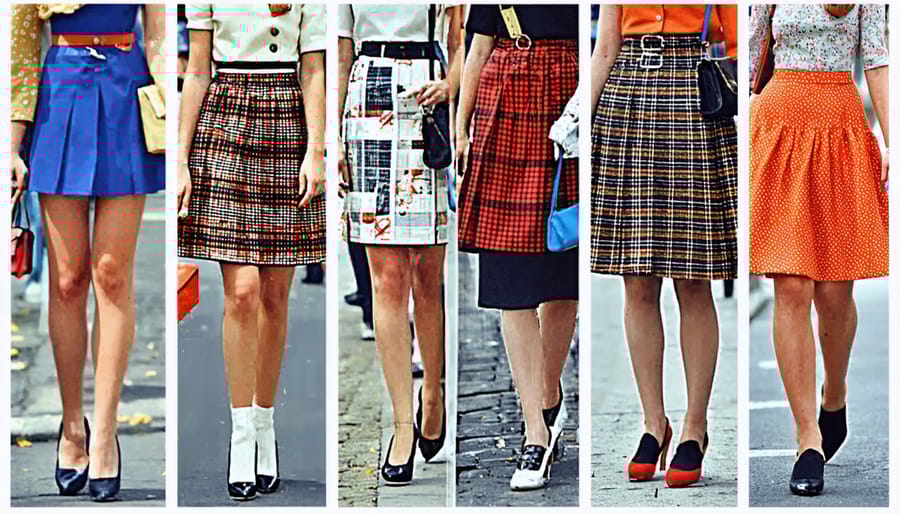
The 1960s and ’70s marked a revolutionary shift in fashion’s landscape, as style inspiration began bubbling up from the streets rather than trickling down from haute couture houses. This democratization of fashion gave birth to global street style movements that continue to influence designers today.
Youth culture played a pivotal role in this transformation. From London’s mod scene to New York’s hip-hop fashion pioneers, everyday people became the new fashion oracles. The emergence of street photography and style magazines like i-D and The Face helped document and celebrate these authentic, unfiltered expressions of personal style.
What made street style so revolutionary was its accessibility and authenticity. Unlike the exclusive world of haute couture, street fashion drew inspiration from real life – mixing vintage finds with contemporary pieces, high with low, and breaking traditional fashion rules. This democratic approach to style empowered individuals to become their own fashion creators rather than passive consumers.
Today’s vintage-loving fashionistas continue to draw inspiration from these boundary-breaking decades, proving that true style innovation often starts on the sidewalk, not the catwalk.
Vintage Fashion in Modern Context
Sustainable Fashion Movement
In recent years, vintage fashion has become more than just a style choice – it’s emerged as a powerful force in the sustainable fashion movement. As our awareness of fast fashion’s environmental impact grows, more fashion-conscious individuals are turning to pre-loved pieces as their way of making a statement both stylistically and environmentally.
This shift represents more than just a trend; it’s part of a broader cultural fashion revolution that’s reshaping how we think about clothing consumption. By choosing vintage, we’re not just celebrating timeless style – we’re actively participating in circular fashion, reducing waste, and preserving the craftsmanship of bygone eras.
What makes vintage fashion particularly special in the sustainability conversation is its unique ability to combine environmental consciousness with individual expression. Each piece tells a story, carries history, and often boasts superior quality compared to many modern fast-fashion alternatives. From hand-stitched 1950s dresses to perfectly worn-in 1990s denim, these pieces offer something that new clothing simply can’t replicate – character and sustainability wrapped into one.
The movement has also sparked a renaissance in clothing care and repair, encouraging people to value and maintain their garments rather than viewing them as disposable. This return to mindful consumption isn’t just changing how we shop – it’s transforming our entire relationship with fashion.
Digital Age Revival
Social media has breathed new life into vintage fashion, transforming what was once considered “old” into the epitome of cool. Platforms like Instagram and TikTok have become virtual runways where vintage enthusiasts showcase their most treasured finds, creating a global community of fashion archaeologists who celebrate the stories behind each piece.
The digital age has democratized vintage fashion knowledge, with influencers and content creators sharing tips on authentication, styling, and sourcing. Through engaging videos and photos, they’re teaching a new generation how to mix decades-old pieces with contemporary styles, making vintage fashion more accessible and appealing than ever.
What’s particularly exciting is how social media has sparked micro-trends within vintage fashion. One week, it might be 1970s prairie dresses taking over our feeds, the next, it could be 1990s slip dresses or 1960s mod sunglasses. This digital renaissance has also given rise to online vintage marketplaces and Instagram shops, making it easier for fashion lovers to find unique pieces from any era, anywhere in the world.
The sustainability conversation on social media has further fueled vintage fashion’s popularity. As more people become conscious of fast fashion’s environmental impact, vintage clothing represents both style and responsibility, resonating with environmentally aware consumers who want to make meaningful fashion choices.
As we look to the future, vintage fashion continues to weave its timeless magic into our modern wardrobes, proving that true style knows no boundaries of time or tradition. The resurgence of vintage elements in contemporary fashion isn’t just a passing trend – it’s a powerful testament to the cyclical nature of style and our deepening appreciation for sustainable, meaningful fashion choices.
Today’s designers regularly draw inspiration from past decades, reimagining classic silhouettes and patterns for modern sensibilities. We’re seeing the return of 70s-inspired flares, 90s minimalism, and 60s mod influences, but with fresh twists that speak to our current cultural moment. This beautiful dance between past and present allows us to express our individuality while honoring the rich tapestry of fashion history.
Looking ahead, vintage fashion’s influence shows no signs of waning. If anything, it’s becoming more relevant as conscious consumers seek out unique, sustainable alternatives to fast fashion. Whether you’re mixing your grandmother’s vintage brooch with a modern blazer or sporting a completely restored 1950s dress, you’re participating in a beautiful tradition of style storytelling.
The future of fashion lies not just in innovation, but in our ability to celebrate and reinterpret the best of what came before. As we continue to embrace vintage fashion, we’re not just wearing clothes – we’re carrying forward stories, memories, and the artistry of generations past, making them uniquely our own.