
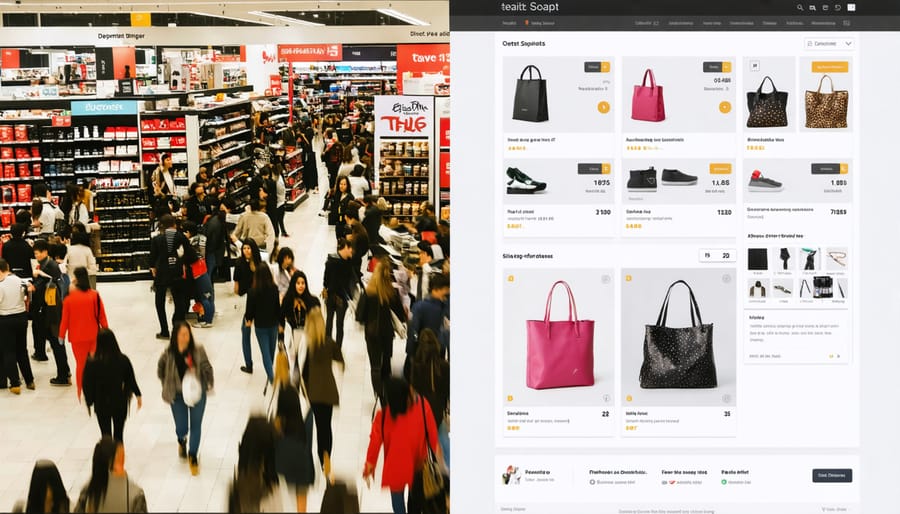
The fashion industry is experiencing a revolutionary shift as more brands bypass traditional retail middlemen to connect directly with you, their customer. Direct-to-consumer (DTC) brands like Glossier, Warby Parker, and Everlane have transformed how we shop, offering premium products at surprisingly accessible prices while building genuine relationships with their communities. Gone are the days of settling for whatever your local department store decides to stock – today’s savvy shoppers are embracing a more intimate, personalized way to discover and buy their favorite fashion and beauty items.
This powerful business model isn’t just changing how we shop; it’s reshaping the entire fashion landscape. By cutting out traditional retail markups and investing in direct customer relationships, DTC brands deliver higher quality, better prices, and more authentic experiences. They’re listening to what you want, creating products that actually solve your needs, and building lasting connections that traditional retail simply can’t match.
Whether you’re a conscious consumer looking for sustainable options or a trend-setter seeking the next big thing, understanding the DTC revolution will transform how you build your wardrobe and beauty collection. Let’s explore how this game-changing model is putting the power back in your hands.
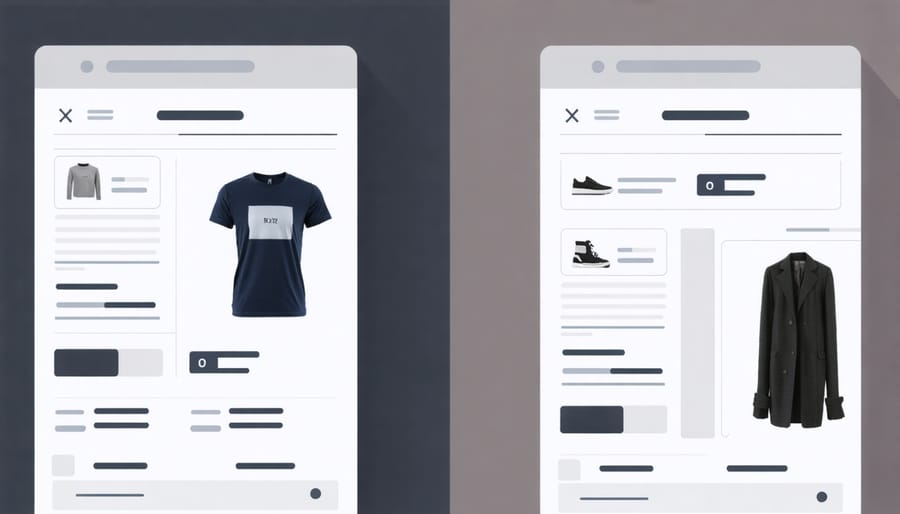
Why Fashion and Beauty Brands Are Going Direct
Customer Connection & Data Control
One of the most exciting aspects of the DTC model is how it creates a direct line between you and your favorite brands. Instead of your feedback getting lost in a chain of retailers and middlemen, your voice is heard loud and clear! When you shop directly from brands, they can gather real-time data about your preferences, sizing needs, and shopping habits, helping them create products that truly speak to you.
Think of it as having a personal relationship with your favorite brand. They know when you prefer shopping, what styles catch your eye, and even how you like your products packaged. This intimate connection means brands can send you personalized recommendations and exclusive offers that actually match your style journey.
Plus, this direct relationship helps brands be more inclusive and responsive. When they see real women of different sizes, shapes, and styles shopping their collections, they can adjust their offerings to better serve everyone. It’s like having a fashion bestie who actually listens and evolves with you, creating a shopping experience that feels personal, empowering, and authentically you.
Price Control & Better Margins
One of the most empowering aspects of the direct-to-consumer (DTC) model is how it puts pricing power back in the hands of fashion brands while making luxury more accessible to everyone. By cutting out traditional retail markups, which can inflate prices by 2-3 times, DTC brands can offer premium quality at more attainable price points. This approach has revolutionized how many startup funding models work in fashion, creating win-win situations for both brands and customers.
Think about it: when you buy directly from a brand, you’re not paying for multiple middlemen, expensive retail space, or traditional marketing campaigns. Instead, you’re investing in the actual quality of the product. This direct relationship allows brands to maintain healthy profit margins while offering you better value. Plus, they can respond quickly to your feedback and adjust prices based on real demand, not arbitrary retail calendars.
Many successful DTC brands use this pricing flexibility to create inclusive collections that cater to diverse style preferences and budgets, proving that fashion can be both accessible and aspirational.
Success Stories That Changed the Game
Glossier’s Community-First Approach
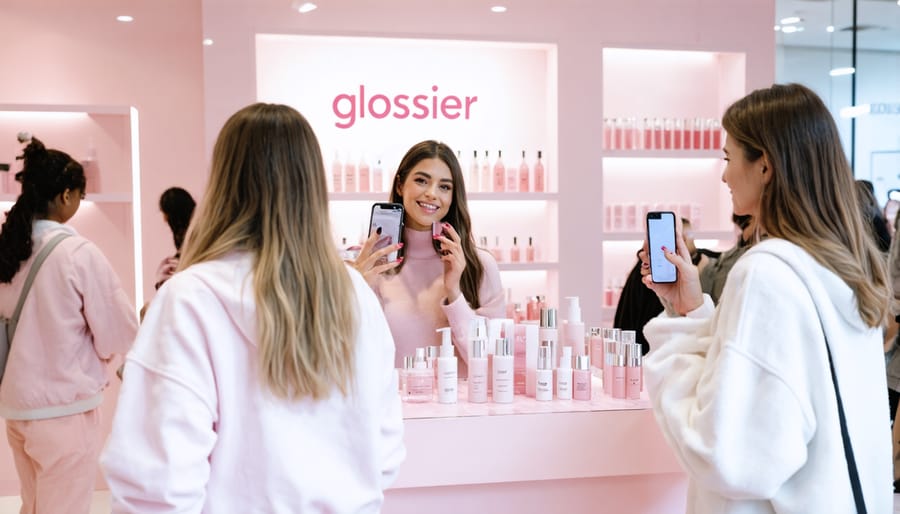
Glossier’s rise to beauty stardom is a masterclass in community-driven business. Founded by Emily Weiss in 2014, the brand transformed from a beauty blog into a billion-dollar empire by putting its customers at the heart of everything. Unlike traditional beauty brands that dictate trends from above, Glossier built its empire from the ground up by listening to what real people wanted.
The brand’s genius lies in its authentic engagement with customers. Through social media, Glossier doesn’t just sell products; it creates conversations. Their Instagram feed feels less like a promotional platform and more like a friend sharing beauty tips, featuring real customers and their unfiltered experiences. This approach has created a loyal following of “Glossier Girls” who don’t just buy products – they champion the brand.
Product development at Glossier is uniquely collaborative. Before launching new items, the brand actively seeks input from its community. Their bestselling Cloud Paint blush, for instance, was developed after countless customers requested a foolproof cream blush. This feedback-driven approach ensures products that truly resonate with their audience.
Their showrooms reflect this community-first philosophy too. Rather than traditional retail spaces, they’re designed as Instagram-worthy meetups where customers can test products, take selfies, and connect with fellow beauty enthusiasts. This strategy has turned shopping into a social experience, strengthening the bond between brand and consumer.
Reformation’s Sustainable Fashion Revolution
Reformation has become a shining example of how direct-to-consumer fashion can align perfectly with sustainable fashion practices while building a devoted following. Since its launch in 2009, the brand has revolutionized how we think about eco-conscious fashion, making sustainability sexy and accessible to the modern woman.
By cutting out traditional retail middlemen, Reformation maintains complete control over its production process, from fabric selection to final delivery. This direct relationship with customers allows them to respond quickly to fashion trends while maintaining their eco-friendly commitments. Their transparent approach includes sharing the environmental impact of each garment, helping shoppers make informed decisions about their purchases.
What sets Reformation apart is their ability to blend sustainability with style. Their limited-edition drops create excitement and reduce waste, while their size-inclusive approach ensures every woman can participate in their sustainable fashion revolution. The brand’s tech-forward showrooms and detailed online sizing guides make shopping feel personal and empowering, even without traditional retail touchpoints.
Their success proves that conscious consumers don’t need to sacrifice style for sustainability. By embracing digital-first shopping experiences and maintaining direct relationships with their community, Reformation has created a blueprint for future-forward fashion brands that want to make a positive impact while staying profitable and relevant.
Making DTC Work for Your Style
Finding Your Perfect DTC Match
Finding your ideal DTC brand match is like dating – it’s all about discovering the perfect fit for your unique style and values. Start by following potential brands on social media to get a feel for their aesthetic and brand personality. Pay attention to how they interact with customers and handle feedback – this reveals volumes about their commitment to service.
Look for transparency in pricing and production practices. Reliable DTC brands typically share detailed information about their manufacturing processes, materials, and pricing structure. They’re proud to show you exactly what goes into creating their products.
Read customer reviews, but don’t just focus on star ratings. Dive into detailed reviews that discuss fit, quality, and customer service experiences. Pay special attention to how the brand handles returns and exchanges – this is often where true customer care shines through.
Trust your instincts! If a brand’s values align with yours and their aesthetic speaks to you, that’s a great sign. Start small with one purchase to test the waters. Many DTC brands offer welcome discounts or trial packages, making it easier to experience their products firsthand without a major commitment.
Maximizing the DTC Experience
Ready to make the most of your DTC shopping experience? Let’s dive into some game-changing tips that’ll help you unlock all those amazing perks! First up, always sign up for brand newsletters – they’re your golden ticket to exclusive drops, early access, and special discounts that aren’t available anywhere else. Most DTC brands reward their loyal community with first dibs on new collections and member-only sales.
Don’t shy away from reaching out directly to customer service with questions about sizing, materials, or styling advice. Unlike traditional retail, DTC brands pride themselves on personalized support and often have style experts ready to help you make the perfect choice. Many even offer virtual try-ons or detailed size guides specifically designed for their pieces.
Take advantage of flexible return policies and at-home try-ons – these brands want you to feel confident in your purchases. Consider joining loyalty programs, which often include perks like birthday gifts, points systems, and exclusive events. And don’t forget to check out their social media channels, where many DTC brands share styling tips, behind-the-scenes content, and flash sales that make you feel like part of their growing community.
The Future of Fashion and Beauty Shopping
Tech Integration & Personalization
Gone are the days of one-size-fits-all shopping experiences! Today’s DTC brands are riding the wave of the digital shopping revolution, using cutting-edge technology to create personalized experiences that feel like having a bestie who totally gets your style.
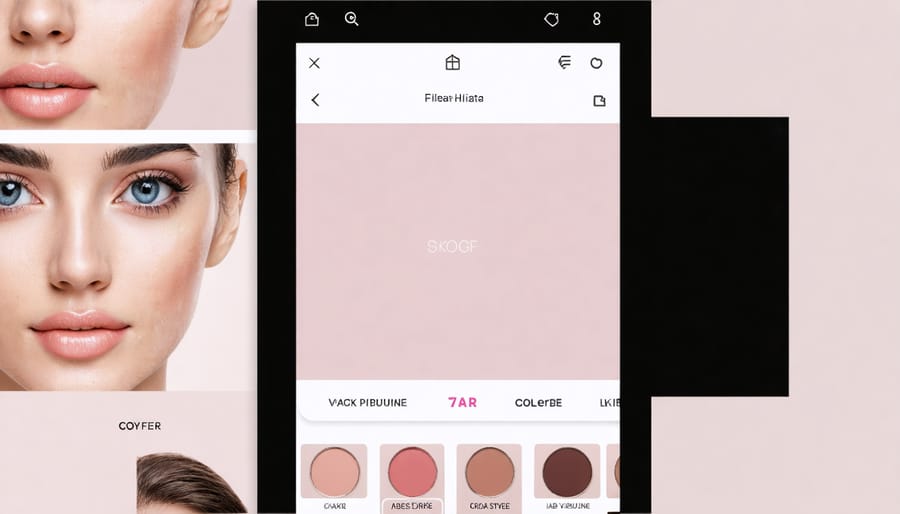
Imagine virtual try-ons that let you see exactly how that stunning blazer will look on your body type, or AI-powered skincare recommendations that consider your unique concerns and goals. These aren’t just cool features – they’re game-changers that make shopping more inclusive and confidence-boosting for everyone.
Many DTC brands now use smart algorithms to learn from your browsing and purchase history, creating a curated selection that feels hand-picked just for you. Plus, with augmented reality (AR) tools, you can visualize products in your space or on yourself before clicking “add to cart” – no more wondering if that lipstick shade will actually work with your skin tone!
The best part? These tech innovations aren’t just about making shopping easier; they’re about making it more meaningful. From size-inclusive 3D body scanning to personalized sustainability recommendations, DTC brands are using technology to ensure every shopper feels seen, understood, and empowered to express their unique style. It’s shopping that celebrates who you are, powered by tech that understands what you need.
Sustainability & Transparency
The direct-to-consumer model isn’t just revolutionizing how we shop – it’s paving the way for a more conscious and transparent fashion industry. By cutting out middlemen, DTC brands have unprecedented control over their supply chains, making it easier to implement and monitor ethical practices. This direct relationship with manufacturers has become a game-changer for sustainability in fashion, allowing brands to make responsible choices at every step.
Many DTC brands are leading the charge by sharing their production journey with customers – from sourcing materials to manufacturing processes. You’ll often find detailed information about fabric origins, worker conditions, and environmental impact right on their websites. This transparency helps us make informed choices about our purchases and aligns with our values.
What’s particularly exciting is how DTC brands are using their direct connection with customers to educate and inspire sustainable choices. Through newsletters, social media, and packaging inserts, they’re sharing tips on garment care, recycling options, and the importance of mindful consumption. Some brands even offer take-back programs for worn items or provide repair services to extend product life.
The model also reduces excess inventory through made-to-order options and precise demand forecasting, minimizing waste and environmental impact. It’s empowering to know that when we choose DTC brands, we’re often supporting businesses that prioritize both people and planet alongside profit.
The direct-to-consumer revolution has fundamentally transformed how we shop, empowering both brands and consumers in unprecedented ways. By cutting out the middleman, DTC brands have created a more intimate, transparent, and personalized shopping experience that resonates with today’s savvy consumers. We’re no longer just passive shoppers; we’re active participants in a movement that values authenticity, sustainability, and genuine connections.
As we’ve seen, successful DTC brands have proven that it’s possible to deliver high-quality products at fair prices while building meaningful relationships with their customers. This model isn’t just a trend – it’s reshaping the future of retail, offering opportunities for innovative brands to thrive and for consumers to make more informed, conscious purchasing decisions.
Whether you’re a fashion enthusiast, beauty lover, or conscious consumer, the DTC model offers something truly special: the power to support brands that align with your values while enjoying premium products at reasonable prices. As we continue to embrace this shopping revolution, we’re not just changing how we buy – we’re transforming the entire retail landscape.
Ready to join the DTC movement? Start exploring these innovative brands, engage with their communities, and experience firsthand how direct-to-consumer shopping can enhance your style journey while making conscious consumption more accessible than ever. The future of shopping is here, and it’s more personal, sustainable, and empowering than ever before.
You may also like
-
How Beauty Influencers Are Reshaping High Fashion’s Digital Future
-
Smart Money: How Fashion Startups Are Getting Creative with Funding (And Making It Work)
-
Fashion’s Digital Revolution: How Tech is Reshaping Your Shopping Experience
-
How Sustainable Fashion Is Redefining Modern Style (And Your Wardrobe)