
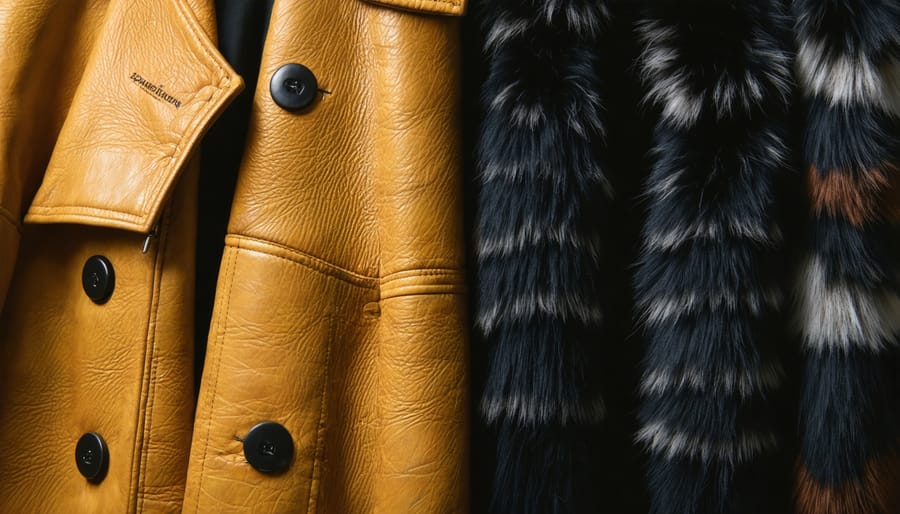
The choice between animal welfare and animal rights shapes every fashion purchase we make, from leather bags to wool sweaters. While both movements advocate for animals, they represent fundamentally different approaches to our relationship with the animal kingdom. Animal welfare focuses on ensuring humane treatment and ethical material sourcing, supporting responsible farming practices that minimize animal suffering. Animal rights, however, takes a more absolute stance: animals shouldn’t be used for human purposes at all, including fashion. As style-conscious consumers, we’re increasingly caught between these competing philosophies, trying to balance our love for fashion with our ethical concerns. Understanding this distinction isn’t just academic—it’s crucial for making informed choices about the clothes we wear and the brands we support. Whether you’re considering a vintage leather jacket or a faux fur coat, knowing where you stand on this spectrum will help you build a wardrobe that aligns with your values.
Animal Welfare vs. Animal Rights: Understanding the Key Differences
Animal Welfare: The Practical Approach
Animal welfare takes a balanced, practical approach to how we interact with animals, focusing on ensuring their well-being while acknowledging their role in our lives. Think of it as creating a win-win situation where animals are treated with respect and compassion, while still allowing for responsible use in industries like fashion and agriculture.
This perspective emphasizes the five freedoms: freedom from hunger and thirst, freedom from discomfort, freedom from pain and disease, freedom to express natural behaviors, and freedom from fear and distress. For example, in the fashion industry, this might mean sourcing wool from farms that prioritize gentle sheep-handling practices and proper animal care.
Unlike more extreme positions, animal welfare advocates work within existing systems to improve conditions and create realistic standards. They focus on implementing practical solutions like better housing conditions, proper veterinary care, and humane handling practices. This approach allows us to continue benefiting from animal products while ensuring the animals live comfortable, healthy lives – proving that ethical fashion choices don’t have to be all-or-nothing.
Animal Rights: The Philosophical Perspective
When we talk about animal rights, we’re diving into a philosophical perspective that views animals as beings deserving of fundamental rights, similar to humans. Animal rights advocates believe that animals shouldn’t be seen as resources or property, but as individuals with inherent value and the right to live free from exploitation.
This viewpoint goes beyond just ensuring good treatment – it questions whether we have the right to use animals for any purpose, including fashion. Think of it like this: just as we recognize human rights regardless of a person’s intelligence or abilities, animal rights supporters argue that animals deserve similar basic rights simply because they’re conscious beings who can experience emotions and suffering.
In the fashion context, this philosophy translates to avoiding all animal-derived materials – not just fur, but also leather, wool, and silk. It’s about recognizing that style doesn’t have to come at the cost of animal autonomy. This perspective has helped fuel the growing vegan fashion movement, where innovative designers are creating stunning pieces that align with these ethical principles.
How These Philosophies Shape Fashion Choices
Welfare-Certified Materials in Fashion
For the fashion-conscious shopper who wants to make ethical choices, there are plenty of welfare-certified materials that allow you to stay stylish while supporting responsible farming practices. Let’s explore some of these fantastic options!
Responsible wool stands out as a leading example, with certifications like the Responsible Wool Standard (RWS) ensuring sheep are treated humanely and farms maintain high animal welfare standards. These wool products come with transparent sourcing information, so you know exactly how your cozy sweater came to be.
Down and feathers can also be ethically sourced through certifications like the Responsible Down Standard (RDS). These materials are collected from farms that prioritize animal welfare, prohibit force-feeding, and ensure birds live in suitable conditions before their natural molting process.
Looking for leather alternatives? Many brands now offer leather products certified by the Leather Working Group, which promotes sustainable practices and animal welfare standards throughout the supply chain. You’ll also find innovative options like wine leather and pineapple leather that deliver that luxe look without animal products.
When shopping, look for these certification labels and don’t hesitate to ask brands about their sourcing practices. Many fashion houses are proud to share their commitment to animal welfare and can provide detailed information about their materials’ origins.
Rights-Based Alternatives
The fashion industry is evolving beautifully, and there’s never been a better time to explore cruelty-free alternatives that align with animal rights principles. From innovative plant-based leathers made from pineapple leaves, cork, and mushrooms to luxurious faux furs that rival their traditional counterparts, conscious fashion has entered an exciting new era.
Synthetic alternatives aren’t just kinder to animals – they’re often more sustainable and budget-friendly too! Many pioneering brands are creating gorgeous handbags from recycled ocean plastics, while others are developing bio-engineered materials that look and feel identical to animal products. The best part? These alternatives often require less water and produce fewer carbon emissions during production.
For the style-conscious fashionista, vegan fashion doesn’t mean compromising on quality or aesthetics. Today’s plant-based leather accessories often outlast their animal-derived counterparts, and they’re becoming increasingly available at every price point. From high-street brands to luxury fashion houses, more companies are embracing these innovative materials.
Beyond fashion, beauty brands are leading the charge with cruelty-free cosmetics and skincare. Many are replacing animal-derived ingredients with plant-based alternatives that deliver the same (or better!) results. Whether you’re looking for that perfect leather-look jacket or a new lipstick, there’s a compassionate choice waiting for you.
Making Informed Choices for Your Wardrobe
Reading Labels and Certifications
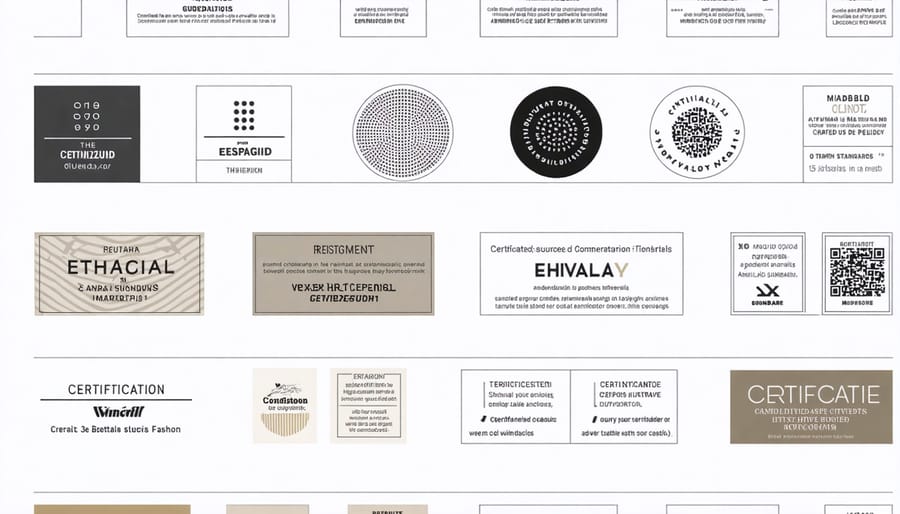
When it comes to making ethical purchasing decisions, understanding labels and certifications is your fashion compass. Look for well-established certifications like the Responsible Wool Standard (RWS) and the Global Organic Textile Standard (GOTS), which ensure animals are treated humanely throughout the production process.
Pay attention to specific terminology on labels. “Cruelty-free” typically indicates no animal testing, while “vegan” means no animal products were used at all. However, remember that “faux fur” doesn’t automatically equal ethical – some synthetic alternatives can have environmental impacts worth considering.
As ethical fashion certification standards continue to evolve, look for brands that are transparent about their sourcing practices. The Leather Working Group (LWG) certification, for example, ensures leather products come from suppliers who maintain animal welfare standards.
Don’t be shy about reaching out to brands directly if their certifications aren’t clear. Many fashion-forward companies now pride themselves on their ethical practices and are happy to share details about their animal welfare policies. Remember, being an informed consumer is always in style!
Balancing Ethics with Style
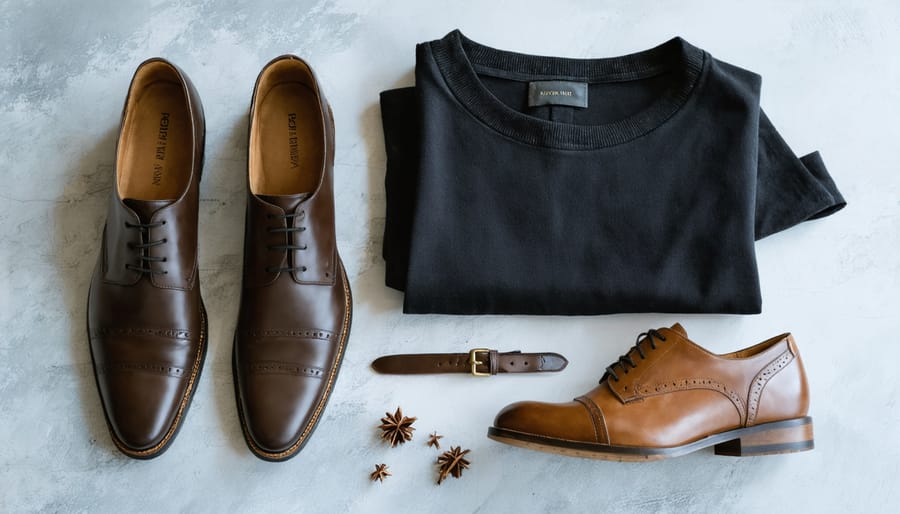
Looking fabulous while making ethical choices doesn’t have to be a compromise. The key is finding that sweet spot where style meets consciousness. Start by exploring sustainable fashion brands that prioritize both animal welfare and trendy designs. Consider faux fur and vegan leather alternatives that have come a long way in both quality and style – many are now virtually indistinguishable from their animal-derived counterparts.
Mix and match conscious pieces with your existing wardrobe to create unique looks that reflect your personal style. Vintage and secondhand shopping can be a fantastic way to find one-of-a-kind pieces while giving pre-loved items a second life. When shopping for new items, look for certifications like the Leaping Bunny logo or PETA-approved vegan labels.
Remember, making ethical fashion choices doesn’t mean sacrificing your signature style. Instead, think of it as an opportunity to get creative and innovative with your wardrobe. Experiment with sustainable materials like cork leather, pineapple leather, or recycled fabrics. These modern alternatives often bring unique textures and details that can elevate your outfit game.
The fashion industry is constantly evolving, with more brands embracing cruelty-free practices while maintaining high style standards. Your choices can make a difference while keeping you runway-ready.
As we wrap up our exploration of animal welfare versus animal rights in fashion, remember that your wardrobe choices are powerful statements about your values. The fashion landscape is evolving, offering more conscious alternatives than ever before, making it easier to align your style with your ethical beliefs.
Whether you lean towards supporting improved conditions for animals in the fashion industry or advocate for completely animal-free fashion, what matters most is making informed decisions that reflect your personal values. The key isn’t about following trends blindly or feeling pressured to make immediate dramatic changes – it’s about becoming more conscious of your choices and their impact.
Consider starting small: perhaps begin by researching the brands you already love, understanding their animal welfare policies, or exploring cruelty-free alternatives for your next purchase. Remember that every thoughtful choice, no matter how small, contributes to positive change in the fashion industry.
Your fashion journey is uniquely yours. Some might choose to gradually transition to more ethical fashion choices, while others might embrace an immediate switch to completely vegan fashion. Both approaches are valid and worthy of respect. What’s most important is staying true to your values while expressing your personal style.
As you continue your fashion journey, stay curious and open-minded. Keep exploring new sustainable and ethical brands, engage in conversations about conscious fashion, and share your discoveries with others. Fashion should be fun, empowering, and aligned with your beliefs – never a source of guilt or pressure.
You have the power to influence the fashion industry through your choices. Every purchase is a vote for the kind of world you want to live in. Let your wardrobe be a reflection of not just your style, but also your values and the positive change you wish to see in the world.
You may also like
-
Beauty Tech is Changing Your Makeup Bag (Here’s What You Need to Know)
-
Nature’s Secret Fashion Revolution: Bio-Inspired Materials Transforming Beauty and Style
-
Zero Waste Fashion: Transform Your Wardrobe into an Eco-Conscious Statement
-
How Fashion Cycles Shape the Future of Sustainable Style
-
Why Fashion’s Hidden Labor Crisis Matters to Your Wardrobe