
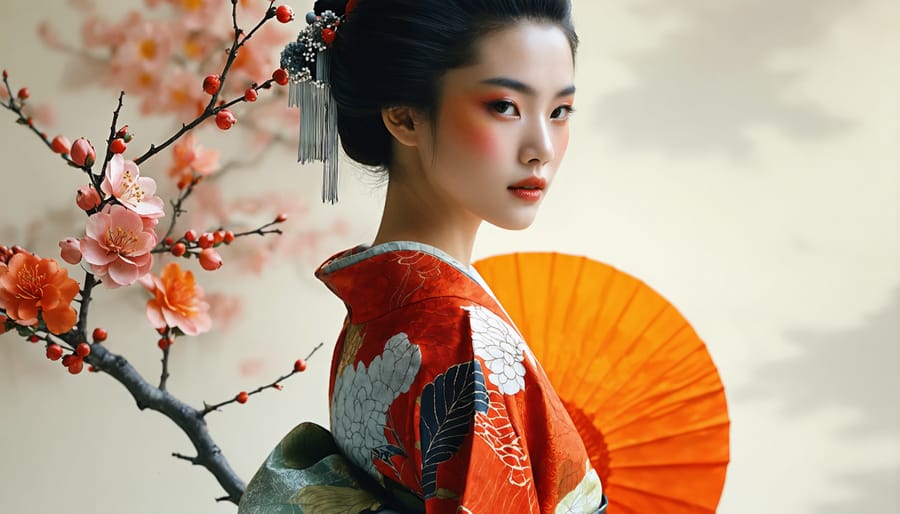
Fashion’s evolution tells a story far more profound than mere changing hemlines and seasonal colors. From the revolutionary mini-skirts of the 1960s to today’s gender-fluid designs, fashion trends mirror our society’s most significant cultural shifts, technological advances, and evolving values.
As we witness the unprecedented fusion of streetwear with luxury fashion and the rise of sustainable practices, today’s fashion landscape is experiencing its most dynamic transformation yet. Social media has democratized style influence, turning everyday individuals into trendsetters and challenging traditional fashion hierarchies. Meanwhile, the resurgence of vintage aesthetics alongside futuristic innovations creates a uniquely modern dialogue between past and present.
This continuous reinvention of fashion reflects our collective journey toward self-expression and cultural identity. Whether through the bold return of Y2K styles, the growing influence of diverse cultural perspectives, or the increasing emphasis on conscious consumption, each trend carries deeper significance about who we are and who we aspire to be.
What makes today’s fashion evolution particularly fascinating is its unprecedented accessibility and fluidity. No longer bound by rigid rules or exclusive gatekeepers, fashion has become a powerful tool for personal empowerment and social commentary, inviting everyone to participate in its ongoing narrative.
The Renaissance of Cultural Heritage in Fashion
From Heritage to Haute Couture
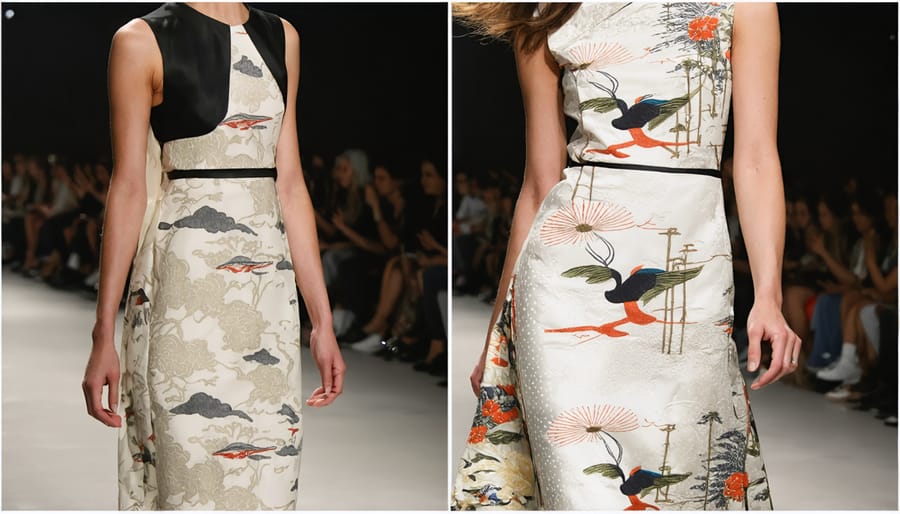
In a beautiful fusion of past and present, traditional dress elements are making their way into the most prestigious runways around the world. Today’s leading designers are drawing inspiration from cultural heritage to create pieces that speak both to our roots and our future. From intricate Indian embroidery techniques appearing on modern blazers to African wax prints transforming contemporary dresses, heritage-inspired fashion celebrates diversity while pushing creative boundaries.
We’re seeing Vietnamese áo dài-inspired silhouettes reimagined as evening wear, and traditional Mexican textile patterns lending their vibrant spirit to sophisticated streetwear collections. This cultural exchange in fashion isn’t just about aesthetics – it’s about storytelling and preservation, allowing ancestral craftsmanship to thrive in modern contexts.
What makes this trend particularly exciting is how it empowers artisans and traditional craftspeople worldwide. Many luxury fashion houses are now collaborating with local communities, ensuring traditional techniques aren’t just preserved but celebrated on a global stage. These partnerships create stunning pieces that carry both cultural significance and contemporary appeal.
For the style-conscious consumer, this means access to pieces that aren’t just beautiful but meaningful. Whether it’s a hand-woven textile transformed into a modern blazer or traditional beadwork adorning a minimalist dress, these pieces offer a way to connect with cultural heritage while staying firmly rooted in contemporary style.
Street Style Meets Cultural Identity
In today’s vibrant fashion landscape, the lines between traditional cultural dress and contemporary street style are beautifully blurring. We’re witnessing an inspiring fusion where heritage meets modern expression, creating uniquely personal style statements that honor both past and present.
From kimono-inspired oversized jackets paired with distressed denim to traditional African prints reimagined as sleek bomber jackets, cultural elements are finding new life in everyday wear. This isn’t just about fashion – it’s about celebrating identity and heritage while staying true to your personal style journey.
What makes this trend particularly powerful is how it’s being driven by young designers and fashion enthusiasts from diverse backgrounds. They’re taking cherished elements from their cultural wardrobes and seamlessly integrating them into contemporary looks. Think hand-embroidered details on streetwear, traditional textile patterns on sneakers, or ancestral jewelry styled with minimal modern outfits.
The beauty of this movement lies in its authenticity. It’s not about appropriation, but rather appreciation and personal connection. Whether it’s incorporating a handwoven scarf from your grandmother’s collection into your workwear or rocking traditional beadwork on your favorite denim jacket, these style choices tell your unique story.
This blend of street style and cultural identity isn’t just a trend – it’s a powerful form of self-expression that bridges generations and celebrates our diverse fashion heritage while looking firmly toward the future.
Empowering Women Through Cultural Fashion
Breaking Fashion Boundaries
Today’s fashion landscape is experiencing a beautiful revolution as women boldly blend traditional elements with contemporary styles. Gone are the rigid rules of fashion – we’re witnessing a fascinating fusion where vintage meets modern, and cultural heritage mingles with cutting-edge trends.
Women are masterfully incorporating traditional textiles into sleek, modern silhouettes, creating looks that honor their roots while embracing the present. Picture hand-woven fabrics paired with tailored blazers, or ancestral patterns reimagined on minimalist dresses. This isn’t just about mixing old and new; it’s about crafting a personal narrative through clothing.
The movement is particularly evident in how traditional accessories are being styled. Heritage jewelry pieces are finding new life paired with casual streetwear, while traditional scarves are being transformed into modern statement pieces. Women are experimenting with family heirlooms, wearing them in unexpected ways that breathe fresh life into cherished pieces.
What’s truly exciting is how this trend celebrates diversity and individual expression. Women from different cultural backgrounds are sharing their heritage through fashion, creating a rich tapestry of styles that challenges conventional fashion norms. Whether it’s incorporating indigenous prints into business attire or styling traditional formal wear with contemporary accessories, these bold combinations are rewriting the rules of fashion.
This evolution isn’t just about aesthetics – it’s a powerful statement of identity and self-expression. By breaking fashion boundaries, women are creating spaces where tradition and innovation coexist beautifully, proving that style knows no boundaries.
Cultural Pride in Modern Wardrobes
Today’s fashion landscape is witnessing a beautiful renaissance as designers and style enthusiasts embrace their heritage while pushing creative boundaries. The art of expressing cultural identity through fashion has evolved into a powerful movement that celebrates diversity and authenticity in our modern wardrobes.
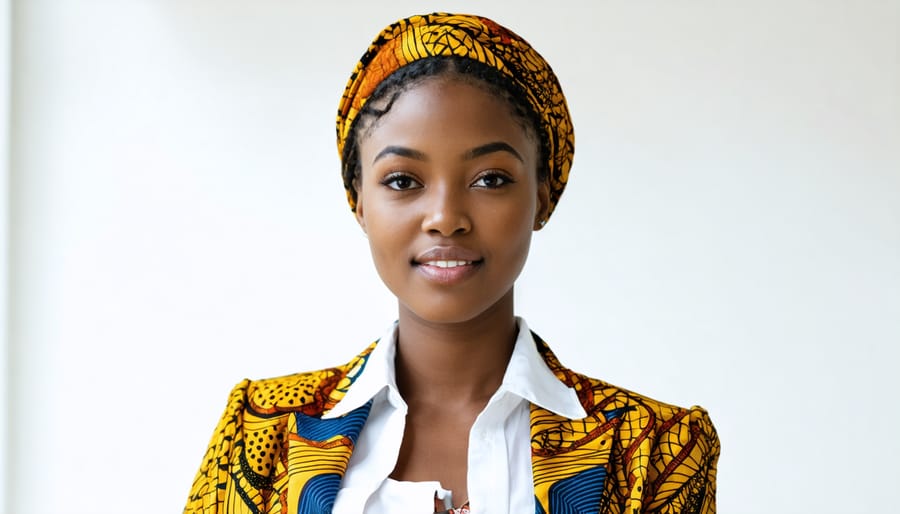
Take, for instance, the stunning fusion of traditional African prints in contemporary silhouettes, where bold Ankara fabrics transform minimalist blazers and sleek jumpsuits into statement pieces. Asian influences have similarly revolutionized modern fashion, with kimono-inspired wrap dresses and mandarin collars adding sophisticated touches to everyday wear.
Indigenous artisans are collaborating with contemporary brands, bringing their traditional beadwork and embroidery techniques to modern accessories and streetwear. Mexican huipil-inspired designs are being reimagined in modern cuts, while Indian sari draping techniques influence evening wear silhouettes.
What makes these fusion styles particularly exciting is their versatility. A hand-woven ikat jacket can elevate a simple jeans-and-tee combination, while traditional block-printed fabrics work beautifully in modern workplace attire. These pieces aren’t just fashion statements – they’re conversations starters that bridge generations and cultures.
This movement goes beyond mere aesthetic appeal; it’s about preserving cultural heritage while creating something fresh and relevant for today’s fashion-conscious individual. It proves that honoring one’s roots and embracing contemporary style aren’t mutually exclusive – they’re complementary forces creating some of fashion’s most exciting innovations.
Sustainable Fashion Through Traditional Techniques
Ancient Wisdom, Modern Solutions
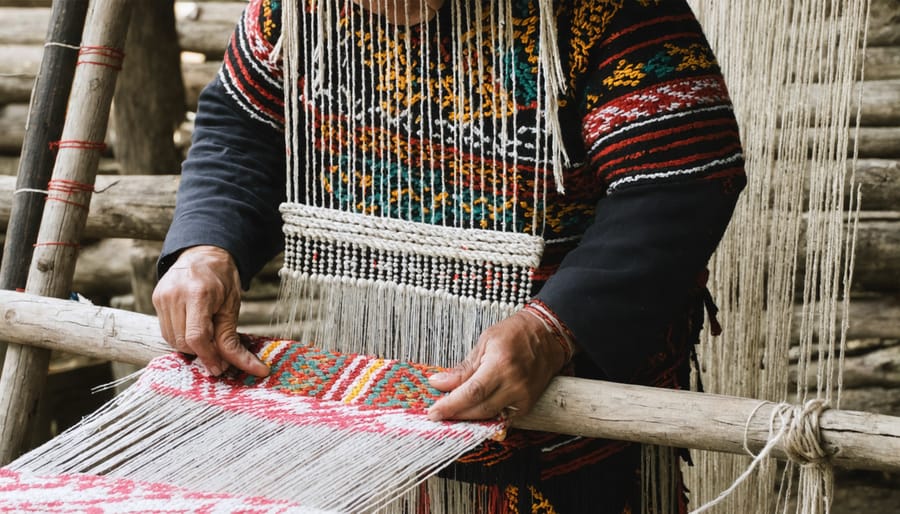
In an era where fast fashion faces increasing scrutiny, the fashion industry is turning to traditional textile techniques for sustainable solutions. Ancient wisdom is proving to be surprisingly relevant in addressing modern environmental challenges. Artisanal methods like hand-weaving, natural dyeing, and indigenous craft techniques are not just preserving cultural heritage – they’re revolutionizing how we approach sustainable fashion.
Take the revival of traditional indigo dyeing, for instance. This age-old technique uses natural ingredients and creates zero chemical waste, while producing stunning, unique pieces that tell a story. Similarly, ancient hand-looming practices are being adapted to create durable, high-quality fabrics that last longer than mass-produced alternatives.
What’s particularly exciting is how these time-honored methods are being reimagined for contemporary wardrobes. Designers are combining ancestral knowledge with modern innovation, creating pieces that are both eco-conscious and fashion-forward. Traditional techniques like Japanese Sashiko stitching aren’t just aesthetically beautiful – they also extend garment life through reinforcement and repair.
This marriage of old and new isn’t just about sustainability; it’s about empowering traditional artisan communities and celebrating diverse cultural heritage. By choosing pieces created using these ancient methods, we’re not just making environmentally conscious choices – we’re supporting centuries-old craftsmanship and helping preserve invaluable cultural knowledge for future generations.
Artisanal Craftsmanship in Contemporary Design
In an era of fast fashion and mass production, there’s a beautiful renaissance happening in the fashion world – the revival of artisanal craftsmanship. Traditional craftspeople are becoming the unsung heroes of contemporary design, bringing soul and story to modern wardrobes. From hand-embroidered details to carefully woven textiles, these age-old techniques are finding new life in today’s fashion landscape.
What makes this movement particularly special is how it bridges generations of skill and creativity. Imagine a leather bag that takes days to hand-stitch or a jacket featuring intricate beadwork passed down through generations. These pieces aren’t just clothing; they’re wearable art that carries cultural heritage and personal meaning.
Modern designers are collaborating with local artisans worldwide, creating unique pieces that blend traditional techniques with contemporary aesthetics. This partnership isn’t just about fashion – it’s about preserving cultural heritage, supporting sustainable practices, and celebrating human creativity in its purest form.
The rise of artisanal fashion also reflects a growing consumer desire for authenticity and connection. Each handcrafted piece tells a story – of the hands that made it, the traditions that shaped it, and the innovation that brought it into the modern world. It’s a powerful reminder that true style isn’t about following trends, but about wearing pieces that resonate with personal values and cultural appreciation.
Styling Traditional Elements for Modern Life
Everyday Fusion Fashion
Creating a fusion wardrobe doesn’t mean overhauling your entire closet. The key to successful contemporary wardrobe styling lies in thoughtfully blending traditional pieces with modern elements. Start by identifying heritage items that speak to you – perhaps your grandmother’s silk scarf or a classic cheongsam – and pair them with current staples like high-waisted jeans or sleek blazers.
Layer with intention: drape a traditional woven shawl over a fitted leather jacket, or style a vintage kimono-inspired wrap top with tailored trousers. Accessories are your best friends in fusion styling – traditional beadwork, heritage jewelry, or handwoven belts can transform simple, modern outfits into unique expressions of cultural appreciation.
Don’t shy away from mixing patterns and textures. A traditional ikat print can work beautifully with modern stripes when balanced with solid pieces. The secret is maintaining proportion – if wearing a voluminous traditional piece, balance it with fitted modern elements.
Remember, fusion fashion is about creating dialogue between past and present, allowing you to honor cultural heritage while expressing your contemporary identity. It’s not about rules, but about finding combinations that make you feel confident and authentic.
Special Occasion Style
Special occasions call for that perfect blend of tradition and contemporary style, and today’s fashion landscape offers endless possibilities for creating memorable looks. The key lies in thoughtfully incorporating traditional elements while maintaining a modern edge. Start with classic silhouettes – think A-line dresses or well-tailored suits – as your canvas, then add cultural touches through accessories, fabrics, or embellishments.
Consider incorporating heritage prints, such as paisley or traditional florals, in unexpected color combinations. Traditional embroidery work can elevate a simple evening gown, while ancestral jewelry pieces can transform a modern outfit into something truly special. The beauty of contemporary formal wear lies in its flexibility – you can honor your cultural roots while expressing your personal style.
For those seeking balance, try pairing a traditional top with modern bottoms, or vice versa. A hand-woven silk blouse can look stunning with sleek palazzo pants, while a contemporary cocktail dress can be beautifully complemented by traditional accessories. Remember, the goal isn’t to create a costume but to weave meaningful elements into your formal attire authentically.
When selecting pieces, focus on quality materials and craftsmanship that honor traditional techniques while meeting modern standards of comfort and practicality.
As we look to the future of fashion, it’s clear that the most exciting innovations aren’t just about pushing boundaries – they’re about building bridges between our rich cultural heritage and contemporary style. The fashion landscape has evolved into a beautiful tapestry where traditional craftsmanship meets modern technology, creating possibilities that were unimaginable just a few decades ago.
This fusion isn’t just about aesthetics; it’s about preservation through progression. When we incorporate traditional techniques and cultural elements into modern designs, we’re not just creating fashion – we’re keeping stories alive. From handwoven textiles being reimagined through sustainable production methods to ancient patterns finding new life in digital prints, we’re witnessing a renaissance that honors our past while embracing our future.
The key is finding your own authentic way to participate in this evolution. Whether you’re drawn to modernized versions of traditional garments or prefer subtle nods to cultural elements in contemporary pieces, there’s space for everyone to contribute to this ongoing narrative. Remember that fashion is more than just clothing – it’s a powerful form of self-expression that can help preserve cultural heritage for generations to come.
As we continue to innovate and experiment with new styles, let’s celebrate this unique moment in fashion history where tradition and progress dance together, creating something truly extraordinary. After all, the most sustainable fashion trends are those that honor where we’ve been while boldly stepping into where we’re going.