
From ancient tribal markings to modern designer logos, clothing has always spoken volumes before we utter a single word. Every thread we wear weaves a story of identity, power, and personal expression that transcends mere fashion choices.
In cultures worldwide, clothing serves as a silent language, rich with meanings that shift across time and borders. A business suit commands authority in corporate America, while vibrant saris tell stories of celebration and tradition in South Asian communities. Even the smallest details – from the direction of buttons to the choice of colors – carry centuries of symbolic weight.
Today’s fashion-conscious individuals aren’t just wearing clothes; they’re curating personal narratives through carefully chosen symbols. Whether it’s sporting a feminist slogan tee that broadcasts your values or donning your grandmother’s vintage brooch that connects you to your heritage, each piece in your wardrobe has the potential to make a powerful statement.
The beauty of clothing symbolism lies in its accessibility – you don’t need designer labels or deep knowledge of fashion history to harness its power. Every morning, as you stand before your closet, you have the opportunity to choose not just what to wear, but what to say to the world without speaking a word.
As we explore the rich tapestry of clothing symbolism together, you’ll discover how to intentionally craft your visual story and make every outfit a meaningful expression of who you are.
Beyond Beauty: The Cultural Power of Accessories
Ancient Origins of Symbolic Accessories
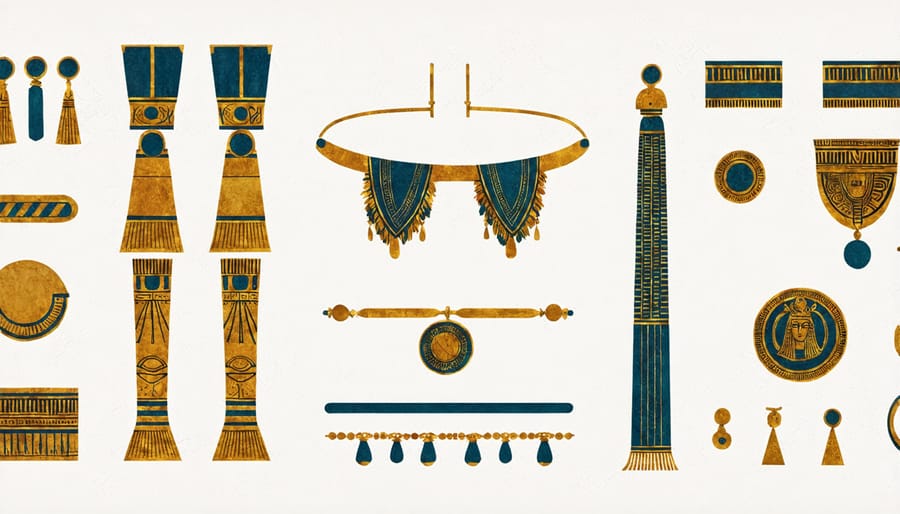
From the ornate crowns of ancient Egyptian pharaohs to the delicate jade pendants of Chinese emperors, accessories have long been powerful symbols of status, belief, and identity. These meaningful adornments weren’t just pretty decorations – they told stories about who you were and where you belonged in society.
Take the signet rings of ancient Rome, for instance. These weren’t just fashion statements; they were like ancient signatures, used to seal important documents and showcase family heritage. Meanwhile, Native American tribes created intricate beadwork that spoke volumes about their clan affiliations and personal achievements.
The medieval European courts were particularly fond of symbolic jewelry, where everything from the type of metal to the choice of gemstone carried deep meaning. Pearls represented purity, while rubies symbolized passion and power. Even the humble brooch evolved from a practical fastener to a statement piece that could reveal everything from marital status to political allegiance.
What’s fascinating is how these ancient traditions of using accessories as personal storytellers continue to influence modern fashion. When we wear meaningful jewelry or carry heritage pieces today, we’re participating in a tradition that’s as old as civilization itself.
Modern Identity Through Accessories
In today’s fashion landscape, accessories have become powerful tools for self-expression and identity. While traditional cultural elements continue to influence our choices, modern interpretations have given rise to a fresh wave of meaningful adornments. From delicate evil eye necklaces that blend protection with style to reimagined zodiac accessories that speak to our celestial connections, these pieces tell our personal stories in subtle yet impactful ways.
Statement pins and patches have emerged as vehicles for social consciousness, while sustainable materials in jewelry reflect environmental values. The beauty of contemporary symbolic accessories lies in their versatility – a vintage-inspired charm bracelet might carry deeply personal totems, while a handcrafted beaded necklace could represent connection to one’s heritage.
What makes today’s symbolic accessories particularly special is their ability to bridge cultures and generations. Whether it’s mixing family heirlooms with modern pieces or wearing culturally significant symbols in fresh, respectful ways, these choices help us write our own fashion narratives while honoring the past.
Global Symbols in Contemporary Fashion
Eastern Influences
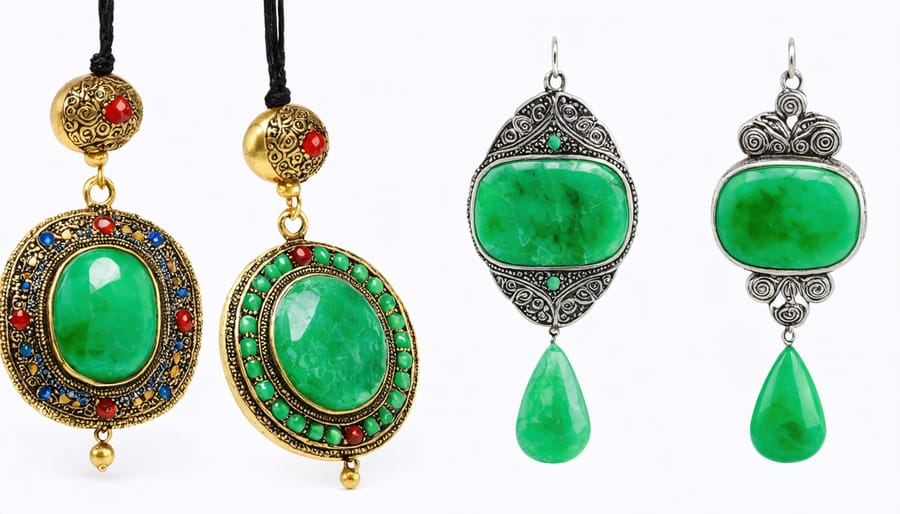
The rich tapestry of Eastern fashion influences has gifted us with some of the most meaningful accessories in modern style. From the protective evil eye amulets of the Middle East to the jade bangles of Chinese tradition, these symbolic elements carry stories of protection, prosperity, and personal power.
Take the lotus flower motif, a recurring symbol in Asian accessories that represents rising above adversity – perfect for the modern woman crafting her own path. Traditional Indian maang tikkas aren’t just stunning hair accessories; they’re connected to the third eye chakra, symbolizing wisdom and spiritual awareness. Meanwhile, the hamsa hand, popular in both Middle Eastern and North African cultures, has found its way onto everything from delicate necklaces to statement earrings, offering protection and good fortune to its wearer.
Contemporary designers are reimagining these meaningful symbols in fresh, wearable ways. Think minimalist evil eye rings in rose gold, abstract cherry blossom prints on silk scarves, and modern interpretations of traditional Chinese knot buttons. These pieces allow us to connect with ancient wisdom while expressing our individual style, creating a beautiful bridge between heritage and modern fashion.
The key to wearing these symbolic accessories authentically is understanding their significance and choosing pieces that resonate with your personal journey. Whether it’s a dainty Om pendant or a bold dragon-embroidered clutch, these elements add both meaning and magic to your everyday look.
Western Interpretations
Western fashion has always been a melting pot of global influences, constantly evolving through its fascinating cultural fashion evolution. From the incorporation of Chinese silk motifs into evening wear to the adaptation of Native American turquoise jewelry in bohemian styles, Western designers consistently draw inspiration from diverse cultural symbols.
Today’s fashion landscape celebrates this fusion more thoughtfully than ever before. You might spot mandala patterns on sustainable cotton dresses, or see ancient Egyptian hieroglyphics reimagined as minimalist jewelry designs. These interpretations aren’t just about aesthetics – they’re about creating meaningful connections through fashion while respecting their origins.
What makes Western interpretations unique is how they blend traditional symbolism with contemporary sensibilities. A kimono-inspired blazer might feature traditional Japanese patterns while maintaining a modern silhouette, creating a piece that honors its roots while feeling fresh and wearable. Similarly, African tribal prints are being reimagined in unexpected color palettes and silhouettes, bringing new life to age-old symbols.
This beautiful intersection of cultures has opened up countless possibilities for personal expression. Whether you’re drawn to Sanskrit-inspired tattoo prints on casual wear or prefer subtle nods to Celtic knots in your accessories, there’s a way to incorporate meaningful symbolism into your everyday style while celebrating its rich heritage.
Personal Expression Through Symbolic Accessories
Finding Your Style Voice
Finding your personal style voice begins with understanding that every accessory you choose tells a story about who you are. Start by reflecting on the values and experiences that matter most to you. Are you drawn to delicate pieces that represent your gentle nature, or bold statement accessories that showcase your confidence? Your choice of symbols can be as unique as your journey.
Consider creating a mood board of symbols that resonate with you – perhaps butterflies representing transformation, or geometric shapes signifying strength and balance. When selecting pieces, think beyond trends and focus on items that make you feel authentically you. A family heirloom reimagined as modern jewelry or a cultural motif incorporated into your daily wear can become powerful expressions of your identity.
Don’t be afraid to mix traditional and contemporary elements. Your style voice might combine ancestral symbols with modern designs, creating a look that’s both meaningful and fresh. Remember, the most powerful accessories are those that make you feel confident and connected to your story.
Experiment with different combinations, but always trust your instincts. The right symbolic pieces will feel natural and empowering, becoming extensions of your personality rather than just decorative elements. Your style voice is unique – let it speak through thoughtfully chosen symbols that reflect your authentic self.
Mixing Cultural Elements Respectfully
When exploring cultural elements in fashion, it’s essential to approach with respect and understanding. Cultural appreciation in fashion starts with learning about the significance behind the pieces you’re drawn to. Before incorporating cultural accessories into your wardrobe, take time to research their origins and meaning.
Consider connecting with artisans and designers from the culture you’re inspired by, supporting authentic creators rather than mass-produced interpretations. Look for pieces that have been thoughtfully created with permission and collaboration from the originating culture. This approach not only ensures respectful representation but also helps preserve traditional craftsmanship.
When wearing cultural elements, be prepared to share their story and acknowledge their origins. Avoid wearing sacred or ceremonial items as casual accessories, and be mindful of context. Instead, opt for pieces that are meant for everyday wear and have been explicitly shared by their cultural creators.
Remember that appreciation means celebrating diversity while respecting boundaries. Choose pieces that promote cultural exchange and understanding, creating meaningful connections through fashion rather than simply adopting aesthetic elements without context.
The Future of Symbolic Fashion
Digital Age Influences
In today’s interconnected world, social media has revolutionized how we express ourselves through clothing symbolism. Platforms like Instagram and Pinterest have created a global fashion consciousness where symbolic elements from different cultures merge and evolve in real-time. What might start as a small trend in Tokyo can become a worldwide phenomenon within days, carrying its symbolic meaning across borders and cultures.
The digital age has also democratized fashion symbolism, giving rise to viral movements where clothing becomes a powerful tool for social expression. Think of the all-black outfits during social justice movements or the viral “power suit” challenges encouraging women to embrace their professional identity. These digital-driven trends aren’t just fashion statements – they’re visual conversations about identity, values, and social change.
Social media has also sparked a renaissance in personal symbolism, with many fashion enthusiasts creating their own meaningful style codes. Whether it’s mixing traditional cultural symbols with modern streetwear or using specific color combinations to represent personal growth journeys, the digital space has become a laboratory for symbolic fashion innovation.
Influencers and content creators have become modern interpreters of fashion symbolism, often explaining the cultural significance behind trending pieces and encouraging mindful adoption of symbolic elements. This digital dialogue has created a more educated fashion community, where wearing meaningful pieces goes beyond aesthetic appeal to embrace authentic personal expression and cultural appreciation.
Sustainable Symbolism
In today’s fashion landscape, sustainability isn’t just a trend – it’s becoming a powerful symbol of conscious living and ethical choices. More and more fashion enthusiasts are discovering that their wardrobe can reflect both personal style and environmental values, creating a beautiful intersection of meaningful symbolism and eco-conscious fashion.
Traditional symbols are being reimagined through sustainable materials and practices. Think of peace symbols crafted from recycled metals, traditional tribal patterns printed with natural dyes, or ancient protective symbols woven into organic fabrics. These pieces carry double meaning: honoring cultural heritage while championing environmental stewardship.
The rise of secondhand and vintage shopping has added another layer to sustainable symbolism. Wearing pre-loved pieces with historical or cultural significance not only reduces waste but also connects us to stories and traditions of the past. A vintage kimono or an upcycled traditional dress becomes a statement of both cultural appreciation and environmental responsibility.
Many sustainable fashion brands are now incorporating symbolic elements that represent harmony with nature – think leaf motifs, earth tones, and traditional craft techniques. These design choices serve as visible reminders of our connection to the environment and our commitment to protecting it.
By choosing sustainable fashion with meaningful symbols, we’re not just making a style statement – we’re participating in a larger narrative about conscious consumption and cultural preservation. It’s a powerful way to align our values with our visual identity while contributing to a more sustainable future in fashion.
As we’ve explored throughout this journey, accessories and clothing are far more than just decorative elements – they’re powerful tools for self-expression, cultural celebration, and personal empowerment. When we choose to wear pieces that carry deep meaning, whether it’s a family heirloom, a cultural symbol, or an accessory that represents our values, we’re not just getting dressed – we’re telling our unique story to the world.
The beauty of meaningful fashion lies in its ability to bridge generations, cultures, and communities. Every time you select a piece with intention, you’re participating in a tradition as old as humanity itself, while simultaneously making it uniquely yours. Whether it’s wearing your grandmother’s vintage brooch to an important meeting or incorporating traditional beadwork into your contemporary outfit, these choices help preserve cultural heritage while creating modern narratives.
Remember that the power to choose what symbols you wear and how you wear them is deeply personal and transformative. Your fashion choices can serve as daily reminders of your goals, heritage, and beliefs. They can boost your confidence, connect you with your community, and help you express parts of your identity that words alone cannot capture.
As you continue to build your wardrobe, consider each piece not just for its aesthetic value, but for the story it tells and the meaning it holds. Let your accessories be conversation starters, cultural bridges, and sources of personal strength. In doing so, you’re not just following fashion trends – you’re participating in the timeless tradition of using clothing and accessories as powerful symbols of who you are and what you stand for.