
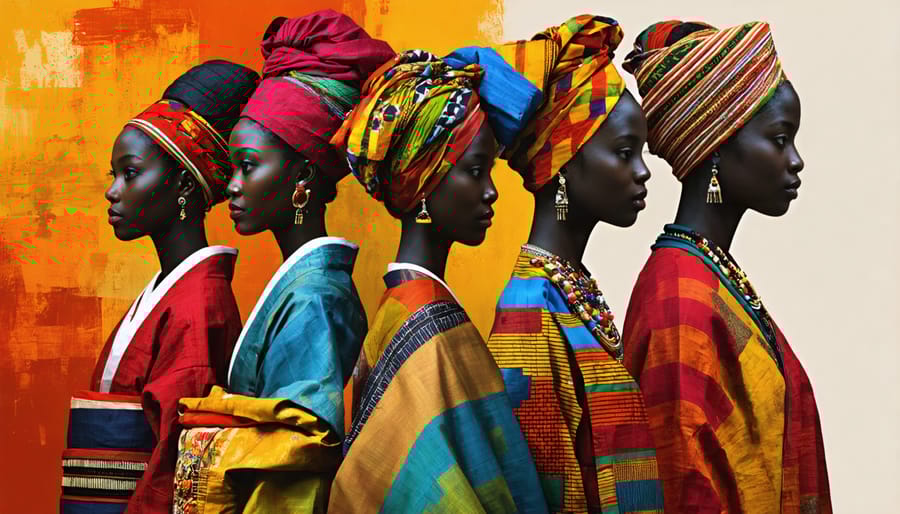
From ancient wedding ceremonies to modern graduation traditions, rituals and ceremonies mark life’s pivotal moments through a delicate dance of symbolism, heritage, and personal expression. These sacred practices transcend mere celebration, creating powerful spaces where traditional dress in modern fashion meets contemporary interpretation, allowing us to honor both our roots and our evolution.
Today’s ceremonial practices are experiencing a renaissance as young women reimagine ancient customs through a fresh lens. Whether donning a carefully chosen wedding dress, participating in cultural coming-of-age ceremonies, or creating personal rituals for self-empowerment, we’re witnessing a beautiful fusion of time-honored traditions with individual expression.
As we navigate this intersection of past and present, ceremony becomes more than just following prescribed steps – it transforms into a powerful tool for self-discovery, community connection, and authentic celebration. In exploring these sacred spaces, we find that the most meaningful rituals are those that respect heritage while embracing our unique journey forward.
Let’s dive into how modern women are revolutionizing ceremonial practices while keeping their sacred essence intact, creating celebrations that resonate with both tradition and personal truth.
The Power of Ceremonial Dress in Modern Celebrations
Wedding Attire Across Cultures
Wedding attire speaks volumes about cultural identity, with each tradition weaving its own beautiful story through ceremonial dress. While the Western white wedding dress has become globally recognized, it’s just one thread in a rich tapestry of bridal fashion worldwide.
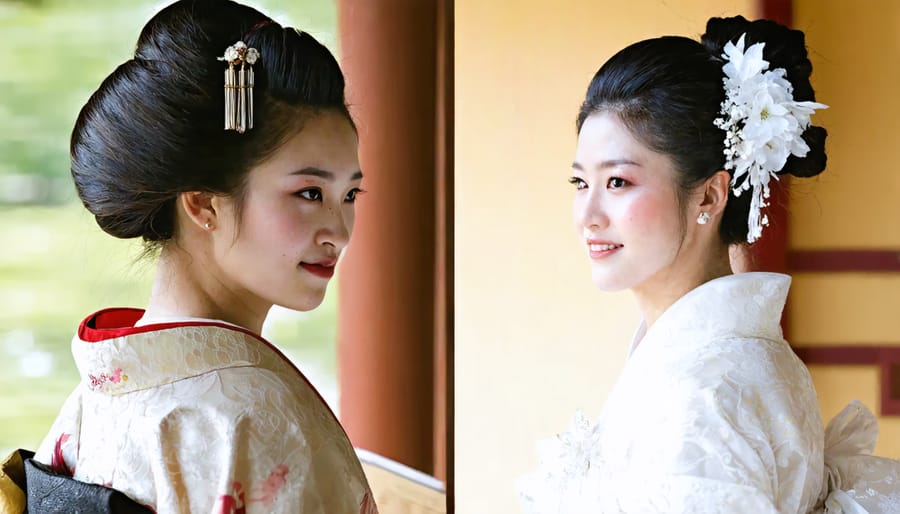
In South Asian weddings, brides often dazzle in vibrant red lehengas or saris, symbolizing prosperity and passion. The intricate embroidery and beadwork tell stories of artisanal heritage, while the complementary jewelry sets create a symphony of tradition and glamour. Japanese brides embrace the striking contrast of traditions, often changing from a pure white shiromuku kimono, representing purity, to a colorful uchikake robe during their celebration.
Chinese wedding ceremonies feature the stunning qipao or cheongsam in lucky red, often embellished with golden phoenix and dragon motifs. Korean brides honor their heritage in the hanbok, with its clean lines and rainbow-like color palette making a powerful statement about cultural preservation in modern times.
African wedding attire celebrates both tradition and personal expression, from Ghana’s kente cloth to Nigeria’s aso oke fabrics. These outfits often feature bold prints and colors that represent family heritage and regional identity.
Whatever the culture, modern brides are increasingly finding creative ways to honor their heritage while expressing their personal style, proving that wedding fashion can be both traditionally meaningful and contemporarily relevant.
Coming of Age Ceremonies
Coming of age ceremonies represent some of the most visually stunning and symbolically rich celebrations across cultures, with ceremonial dress playing a starring role in marking these pivotal life transitions. From the elaborate kimonos worn during Japan’s Seijin no Hi to the intricate beadwork of Maasai warriors’ attire, these garments tell powerful stories of heritage and transformation.
The quinceañera tradition beautifully exemplifies this fusion of culture and couture, with young Latina women donning spectacular ball gowns that blend traditional elements with contemporary style. These dresses, often in bold colors and adorned with intricate embroidery, symbolize the transition from childhood to womanhood while making an unmistakable fashion statement.
In Native American communities, coming of age ceremonies often feature handcrafted regalia passed down through generations. Young women might wear specially beaded moccasins, while traditional jingle dresses create mesmerizing sounds during ceremonial dances. These garments aren’t just beautiful – they’re living links to ancestral wisdom and community values.
Modern interpretations of these ceremonies are evolving too, with many young people finding creative ways to honor their heritage while expressing their personal style. Whether it’s incorporating traditional textiles into contemporary silhouettes or adding meaningful cultural accessories to modern outfits, these celebrations continue to showcase the powerful connection between identity, tradition, and personal expression through dress.
The Art of Wearing Sacred Garments
Symbolic Colors and Patterns
Colors and patterns in ceremonial wear are far more than just aesthetic choices – they’re powerful storytellers that carry deep cultural significance. Just as symbolic meaning in fashion continues to evolve, traditional ceremonial colors maintain their profound importance across cultures.
White, often representing purity and new beginnings, remains a staple in Western wedding ceremonies while holding different meanings elsewhere – in some Asian cultures, it’s associated with mourning. Red, celebrated in Chinese wedding traditions, symbolizes luck, prosperity, and joy. In contrast, purple has historically represented royalty and spiritual authority, while gold embodies divine presence and celestial connection.
Patterns tell equally compelling stories. The intricate geometric designs found in indigenous textile traditions often represent creation stories or natural elements. Spirals and circles, appearing in ceremonies worldwide, symbolize the continuous cycle of life and spiritual journey. Meanwhile, repeated patterns like waves or mountains can represent community strength and ancestral connections.
Modern ceremonial wear often incorporates these traditional elements with contemporary twists. Think ombré effects in traditional colors, or ancient patterns reimagined in unexpected color combinations. The beauty lies in how these symbolic elements adapt while maintaining their spiritual essence. Whether you’re choosing a wedding gown or selecting attire for a cultural celebration, understanding these color and pattern meanings adds depth to your ceremonial experience while honoring age-old traditions.
Preservation and Care
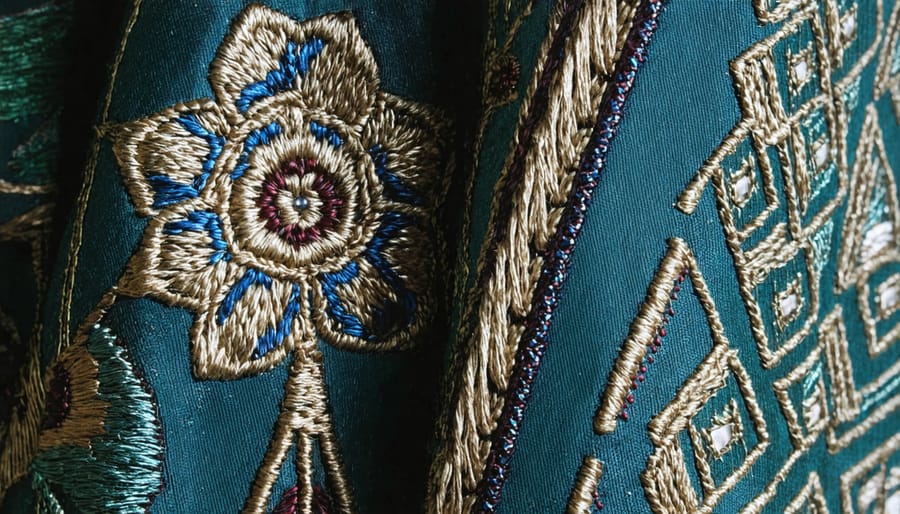
Your ceremonial garments aren’t just beautiful pieces – they’re precious heirlooms that deserve the utmost care to preserve their magic for generations to come. Whether it’s your grandmother’s wedding dress or a hand-embroidered ritual robe, proper maintenance ensures these treasured pieces continue telling their stories.
Start by storing your ceremonial garments in a cool, dry place away from direct sunlight. Invest in acid-free tissue paper and storage boxes specifically designed for delicate fabrics. Before storing, ensure the garment is thoroughly cleaned according to its specific care requirements – some pieces may need professional cleaning by specialists who understand ceremonial textiles.
For hanging pieces, use padded hangers to maintain shape and prevent stress on delicate fabrics. Cover garments with breathable cotton garment bags rather than plastic, which can trap moisture and lead to mildew. If your piece has beading or embellishments, store it flat to prevent stretching or damage.
Regular gentle maintenance is key. Inspect your garments every few months for signs of deterioration or pest damage. Use a soft brush to remove dust, and spot-clean when necessary using appropriate techniques for the fabric type. For pieces with cultural or religious significance, consult with community elders or specialists about specific care traditions.
When handling ceremonial garments, always wear clean, dry hands or white cotton gloves. Avoid wearing jewelry that could snag delicate fabrics, and never rush the process – caring for these pieces is itself a mindful ritual that honors their significance. Remember, proper preservation isn’t just about maintaining fabric – it’s about protecting memories and cultural heritage for future celebrations.
Modern Interpretations of Traditional Ceremony Wear
Fusion Fashion
In today’s fashion landscape, designers are masterfully bridging the gap between time-honored ceremonial traditions and contemporary style sensibilities. These modern adaptations of traditional wear are creating stunning fusion pieces that honor cultural heritage while speaking to current fashion sensibilities.
Take, for example, Zara Wong’s latest collection, which reimagines traditional Chinese qipao elements through a streetwear lens, featuring mandarin collars on oversized blazers and traditional silk brocade patterns on modern bomber jackets. Similarly, designer Maya Patel has revolutionized the Indian lehenga by transforming it into evening wear separates that work just as beautifully for a wedding as they do for a red-carpet event.
African designers are making waves too, with labels like Tongoro Studio incorporating traditional West African ceremonial prints into contemporary silhouettes that resonate with fashion enthusiasts worldwide. Their approach proves that ceremonial elements can be both respectful of tradition and incredibly wearable for everyday life.
What’s particularly exciting is how these fusion pieces are becoming staples in modern wardrobes. Think kimono-inspired wrap dresses with clean, minimal lines, or traditional Mexican embroidery techniques applied to sustainable denim pieces. These interpretations aren’t just fashion statements – they’re conversations between past and present, tradition and innovation.
Accessories haven’t been left behind in this movement either. Traditional ceremonial jewelry is being reimagined in subtle, everyday pieces. Designer Sarah Chen creates delicate necklaces inspired by traditional Chinese wedding jewelry, while Moroccan-influenced brands are transforming ceremonial metalwork into contemporary statement pieces that complement any outfit.
The beauty of this fusion approach lies in its ability to make ceremonial elements more accessible while maintaining their spiritual and cultural significance. It’s not about diminishing traditions, but rather giving them new life in a modern context, allowing more people to connect with and appreciate these rich cultural elements through their daily fashion choices.
Sustainable Ceremonial Fashion
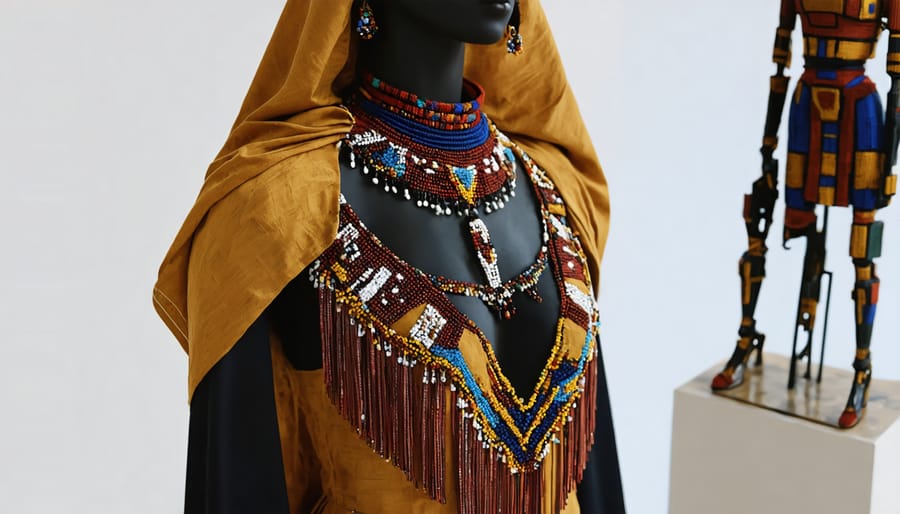
The fashion industry’s shift toward sustainability has beautifully merged with ceremonial wear, creating a new wave of conscious celebration fashion. Gone are the days when single-use ceremonial garments gathered dust in closets or ended up in landfills. Today’s mindful approach to ceremonial fashion honors both tradition and our planet.
Consider investing in versatile pieces that can be styled differently for various ceremonies. A carefully chosen silk wrap dress in a neutral tone can serve as the base for multiple celebrations, easily transformed with different accessories and cultural elements. Many contemporary designers are now creating convertible ceremonial wear that can be shortened, restyled, or repurposed after the main event.
Natural and sustainable fabrics are taking center stage in ceremonial fashion. Peace silk, organic cotton, and hemp-based fabrics offer beautiful alternatives to conventional materials. These eco-friendly options not only reduce environmental impact but often carry their own beautiful stories of traditional craftsmanship and ethical production.
For those drawn to vintage ceremonial wear, consider breathing new life into family heirlooms. Many contemporary tailors specialize in restoring and modernizing traditional garments, preserving their cultural significance while making them wearable for today’s ceremonies. This approach not only honors family heritage but also represents the ultimate in sustainable fashion.
Rental services have also revolutionized ceremonial fashion. High-end platforms now offer carefully curated collections of ceremonial wear, making sustainable choices more accessible. These services ensure that beautiful, high-quality garments receive multiple uses while allowing individuals to access luxury pieces without the environmental burden of one-time wear.
When creating new ceremonial garments, consider working with local artisans who use traditional, sustainable techniques. Many indigenous communities have been practicing sustainable fashion for generations, using natural dyes, zero-waste cutting techniques, and biodegradable materials. Supporting these artisans helps preserve important cultural knowledge while promoting environmental consciousness.
Remember, sustainable ceremonial fashion isn’t just about the materials – it’s about creating meaningful connections with our garments and ensuring they tell stories that last generations. Choose pieces that honor both tradition and our planet’s future, creating ceremonies that celebrate not just the moment, but our commitment to a more sustainable world.
As we reflect on the enduring significance of ceremonial garments, it’s clear that these precious pieces are far more than just beautiful clothing – they’re living threads that connect us to our heritage and help us write our own stories of celebration and tradition. In today’s fast-paced world, where trends come and go at lightning speed, ceremonial dress remains a powerful anchor, grounding us in the rituals and meanings that make life’s special moments truly unforgettable.
Whether it’s a hand-embroidered wedding lehenga passed down through generations, a meticulously crafted indigenous ceremonial robe, or a modern interpretation of traditional dress, these garments carry within their folds the stories, hopes, and dreams of those who wore them before us. They remind us that fashion can be both meaningful and magnificent, both traditional and transformative.
As we continue to embrace diversity and celebrate individual expression in fashion, ceremonial garments stand as testament to the beauty of cultural preservation and evolution. They show us how we can honor our roots while creating new traditions that resonate with our contemporary lives. By choosing to wear and celebrate these special pieces, we’re not just participating in ceremonies – we’re keeping cultural legacies alive and creating lasting memories that will inspire future generations to do the same.