
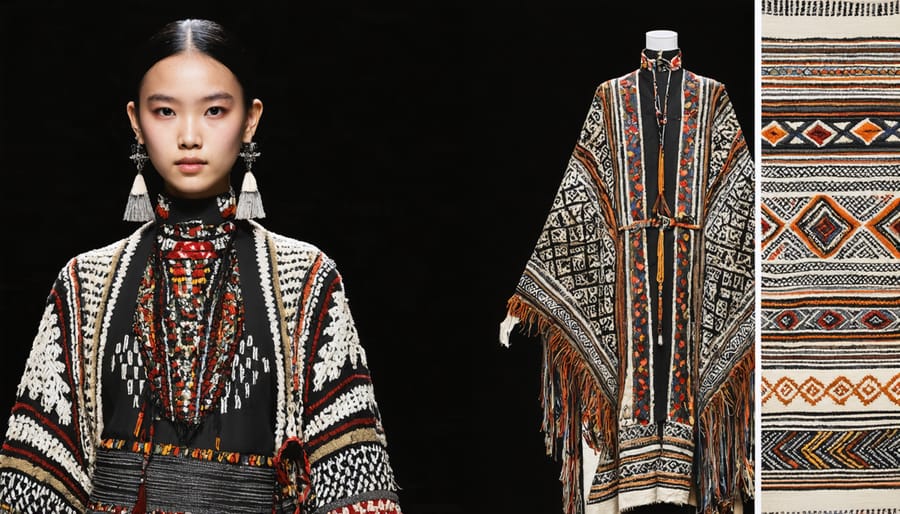
From ancient looms in Mesopotamia to today’s high-tech fashion labs, textiles tell the fascinating story of human creativity and innovation. The first threads of our textile journey began over 34,000 years ago, when early humans twisted plant fibers into cords, revolutionizing not just clothing but human civilization itself. These humble beginnings—weaving reeds, spinning wool, and crafting natural dyes—laid the foundation for the vibrant, diverse fashion landscape we celebrate today.
What started as a basic need for protection evolved into an art form that transcends cultures and centuries. Picture the luxurious silk roads of ancient China, the intricate cotton weaves of India, and the bold patterns of African textiles—each telling its own story of innovation, trade, and cultural exchange. These historical techniques don’t just belong in museums; they’re experiencing a powerful renaissance in modern sustainable fashion, where ancient wisdom meets contemporary style.
Today’s fashion revolution draws direct inspiration from these time-honored traditions, proving that understanding our textile origins isn’t just about looking back—it’s about crafting a more conscious, creative future in fashion. As we embrace slow fashion and sustainable practices, these ancient textile techniques offer both inspiration and practical solutions for modern style challenges.
The Birth of Textile Crafting
First Fibers: Nature’s Gift
Picture this: our earliest ancestors, wandering through nature, discovering the incredible potential of fibers all around them. Long before designer labels and trending hashtags, Mother Nature was serving up the original sustainable fashion solutions. These natural fibers became the foundation of what would later spark the evolution of textile production.
The OG textile queens? Flax and wool, darling! Flax, transformed into linen, was rocking the fashion scene as early as 8000 BCE in ancient Mesopotamia. Can you believe our style ancestors were already living that lightweight, breathable fabric life? Meanwhile, wool was serving looks and keeping everyone cozy, especially in cooler climates where sheep-herding communities thrived.
But let’s not forget about cotton, the true MVP of natural fibers. This fluffy miracle worker first strutted its stuff in the Indus Valley around 5000 BCE, and honestly? It’s been a fashion icon ever since. And silk? Talk about luxury! When ancient Chinese civilizations discovered this gorgeous fiber around 3000 BCE, they created what would become the ultimate status symbol.
These incredible natural materials didn’t just clothe our ancestors – they laid the foundation for everything we wear today, proving that sometimes the best fashion inspiration comes straight from nature itself.
Early Weaving Techniques
Picture this: our fashionable ancestors sitting beneath the shade of trees, weaving magic with their hands. Early weaving wasn’t just about creating clothes – it was an art form that laid the foundation for everything we wear today. These first textile artists used simple yet ingenious techniques, working with natural fibers from plants and animal hair.
The most basic method was finger weaving, where skilled hands interlaced strands to create durable fabrics. Imagine doing this with your own fingers – it’s like braiding hair, but way more intricate! Soon, our creative ancestors developed basic looms using tree branches and stones as weights, revolutionizing the textile-making process.
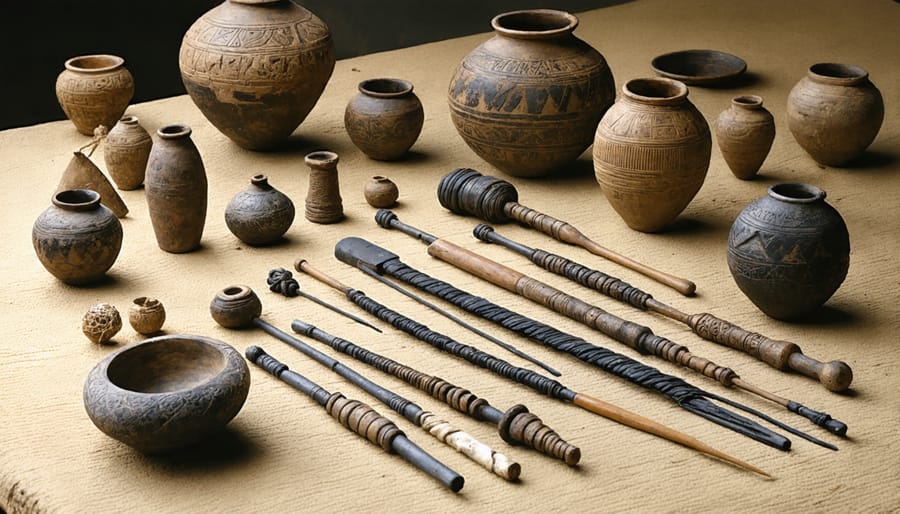
These early weavers discovered that different weaving patterns created unique textures and designs. They experimented with over-under techniques, creating everything from simple plain weaves to more complex diagonal patterns. The tools were surprisingly simple: wooden sticks for separating threads, bone needles for detailed work, and spindles for spinning fibers into yarn.
What’s fascinating is how these ancient techniques still influence modern fashion. That gorgeous herringbone blazer in your closet? Its pattern was first created by these early textile pioneers. Talk about timeless style!
Cultural Evolution of Textile Traditions
Silk Road Stories
Picture this: a bustling network of trade routes stretching across continents, where fabrics became the silent storytellers of civilization. The legendary Silk Road wasn’t just about trading silk – it was a vibrant tapestry of ideas, techniques, and innovation that revolutionized the way we dress today. Through cultural exchange through the Silk Road, ancient civilizations shared their textile secrets, creating a fashion fusion that still influences our wardrobes.
Chinese silk met Indian cotton, Persian patterns blended with Byzantine designs, and Central Asian wool techniques transformed European fashion forever. Merchants didn’t just trade fabrics; they exchanged dyeing methods, weaving techniques, and embellishment styles that would become the foundation of modern fashion. Imagine delicate Chinese silks being transformed into romantic European gowns, or Persian paisley patterns finding their way onto Indian saris.
This amazing exchange gave birth to some of our favorite textile techniques – like ikat weaving, block printing, and intricate embroidery styles that we still can’t get enough of today. The Silk Road wasn’t just a trading route; it was fashion’s first global networking event, proving that style has always been about breaking boundaries and embracing diversity. Next time you wear that gorgeous printed scarf or admire a beautifully embroidered jacket, remember: you’re wearing a piece of this incredible historical fashion journey.
Indigenous Textile Heritage
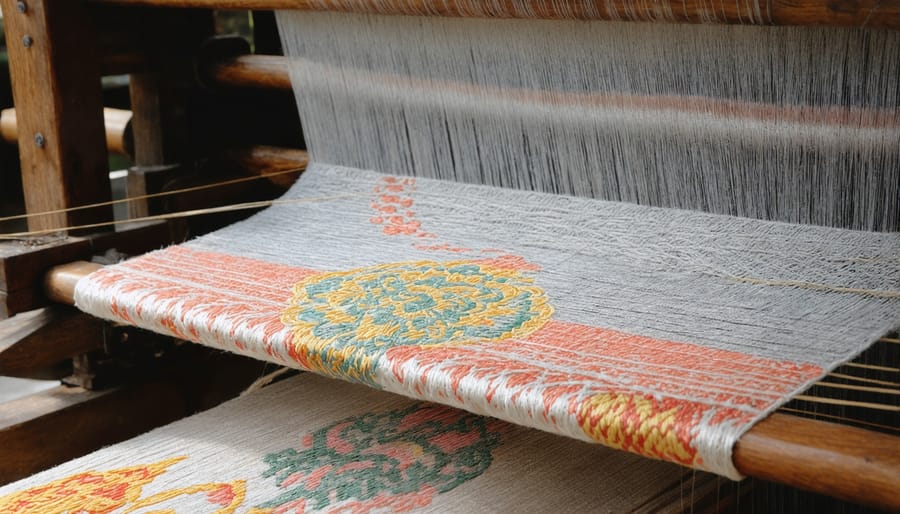
From the vibrant patterns of Andean weaving to the intricate batik techniques of Indonesia, indigenous textile traditions continue to inspire and influence today’s fashion landscape. These time-honored techniques aren’t just about creating beautiful fabrics – they’re living stories woven into every thread, telling tales of cultural identity and artistic expression.
Take the mesmerizing kente cloth of Ghana, where each pattern carries deep symbolic meaning, or the exquisite embroidery of Mexico’s Otomi people, whose designs draw from nature and ancient mythology. These masterful crafts have been passed down through generations, with each artisan adding their own creative touch while preserving their heritage.
What’s particularly exciting is how these traditional methods are finding new life in contemporary fashion. Modern designers are collaborating with indigenous artisans, creating stunning pieces that bridge the gap between ancient wisdom and current trends. From hand-loomed fabrics appearing on international runways to traditional dyeing techniques being reimagined for sustainable fashion, these age-old practices are proving more relevant than ever.
The revival of these techniques isn’t just about fashion – it’s about celebrating diversity, supporting local communities, and ensuring these precious skills continue to thrive in our fast-paced world. As we embrace these traditions, we’re not just wearing beautiful clothes; we’re wearing stories, culture, and art that have stood the test of time.
Sacred Threads
Throughout history, textiles have woven themselves into the very fabric of spiritual and religious practices, creating a beautiful tapestry of tradition and meaning. In many cultures, the creation and wearing of certain textiles transcends mere fashion, becoming a sacred act of devotion and celebration.
Consider the intricate silk brocades adorning Buddhist temples, each thread carefully chosen to honor divine teachings. In Hinduism, the pure white cotton of a priest’s dhoti symbolizes spiritual cleanliness, while the vibrant red saris worn by brides represent love and prosperity. Native American communities have long incorporated sacred symbols into their weaving, telling stories of creation and tribal wisdom through carefully chosen patterns and colors.
The tradition of prayer shawls spans multiple faiths – from the Jewish tallit to the Islamic prayer rug – each piece becoming a personal sanctuary of worship. Even today, these ancient practices influence modern fashion, with designers drawing inspiration from sacred geometries and traditional motifs to create pieces that carry both style and soul.
Perhaps most fascinating is how these sacred textile traditions have survived centuries, passed down through generations of artisans who understand that some threads connect us not just to each other, but to something greater than ourselves. In our modern world, these ancient textile traditions remind us that fashion can be both beautiful and meaningful, carrying stories of faith, culture, and human connection.
Handcrafted Textiles in Contemporary Fashion
Sustainable Style Movement
As we embrace a more conscious approach to fashion, it’s fascinating to see how ancient wisdom aligns perfectly with modern sustainability goals. Traditional textile methods, passed down through generations, are experiencing a remarkable revival in today’s eco-conscious fashion landscape. These time-honored sustainable textile practices naturally embody the principles we’re desperately trying to reintegrate into modern fashion.
Think about it: our ancestors used locally-sourced natural fibers, created dyes from plants and minerals, and crafted garments meant to last for years. These methods weren’t just sustainable by default – they were born from a deep understanding of working in harmony with nature. Today’s sustainable fashion movement isn’t reinventing the wheel; it’s rediscovering what our forebears already knew.
What’s truly exciting is how contemporary designers are reimagining these traditional techniques for modern wardrobes. Hand-loomed fabrics, natural dyeing processes, and zero-waste pattern cutting are no longer relics of the past – they’re becoming the cornerstone of forward-thinking fashion brands. These practices not only honor our textile heritage but also offer solutions to fashion’s environmental challenges.
The movement has sparked a beautiful fusion where ancient craftsmanship meets contemporary design, creating pieces that are both timeless and trendy. It’s proof that sustainable fashion isn’t just about making eco-friendly choices – it’s about connecting with the rich history of textile craftsmanship while stepping confidently into a more sustainable future.
Modern Artisans
Today’s fashion landscape is witnessing a beautiful renaissance of traditional textile techniques, reimagined through the lens of contemporary artisans. These modern creators are breathing new life into age-old practices, proving that heritage craftsmanship has a vital place in sustainable, mindful fashion.
Take Emily Chen, whose zero-waste collections incorporate Japanese shibori dyeing with cutting-edge digital printing. Her pieces tell a story of cultural preservation while speaking to the eco-conscious fashionista. Similarly, Maria Rodriguez’s handwoven accessories blend ancestral Peruvian techniques with sleek, urban aesthetics, creating pieces that feel both timeless and totally now.
What’s particularly exciting is how these artisans are making traditional techniques accessible to a new generation. Through social media and online workshops, designers like Aisha Mohammed are teaching traditional African textile techniques to global audiences, proving that cultural appreciation can foster connection and creativity.
The movement isn’t just about preserving the past – it’s about innovation. Contemporary textile artists are experimenting with unexpected materials, like recycled plastics woven using ancient looming techniques, or traditional batik patterns created with earth-friendly dyes. These fusion approaches are creating entirely new textile traditions that honor their roots while embracing future possibilities.
These modern artisans aren’t just designers; they’re storytellers, educators, and innovators, bridging the gap between ancient wisdom and contemporary fashion needs. Their work reminds us that sustainable, meaningful fashion isn’t just about what we wear – it’s about connecting with the rich textile heritage that spans cultures and generations.
Wearing History
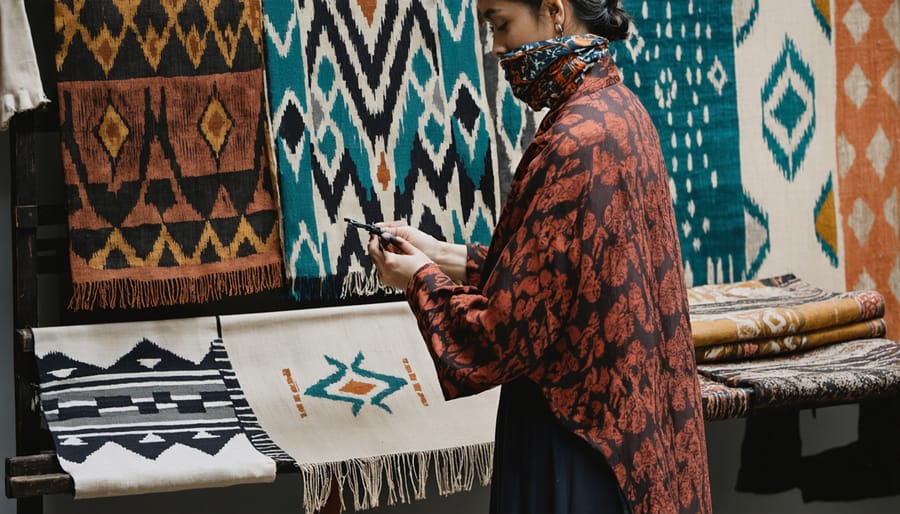
Traditional textiles aren’t just pieces of history – they’re fashion statements waiting to be reinvented. The key to incorporating these timeless elements into your modern wardrobe lies in striking the perfect balance between heritage and contemporary style. Start small by adding accessories like handwoven scarves or embroidered belts to your everyday outfits. These pieces can instantly elevate a simple jeans-and-tee combination while honoring ancestral craftsmanship.
For a bolder approach, try mixing traditional prints with modern silhouettes. A ikat-printed blazer paired with sleek trousers creates a powerful office look, while traditional batik fabrics can be transformed into chic wrap dresses perfect for summer soirées. Don’t shy away from combining different cultural textiles – a Mexican embroidered blouse can beautifully complement African wax print pants, creating a unique global fusion.
The sustainability aspect of traditional textiles also aligns perfectly with modern fashion values. Many ancient weaving and dyeing techniques are environmentally friendly, making these pieces both stylish and conscious choices. Consider investing in quality handwoven pieces that tell a story and will last for years to come.
Remember, wearing historical textiles isn’t about creating museum-worthy outfits – it’s about celebrating diverse craft traditions while expressing your personal style. Let these time-honored techniques inspire your wardrobe choices and connect you to the rich tapestry of global fashion heritage.
As we reflect on the remarkable journey of textiles through time, it’s impossible not to feel inspired by how these ancient crafts continue to shape our modern wardrobes. Traditional textile techniques, passed down through generations, are experiencing a beautiful renaissance in contemporary fashion. From hand-woven Indian silk sarees reimagined as evening wear to indigenous patterns gracing runway collections, our fashion choices today are a testament to the enduring power of textile heritage.
What makes this connection particularly special is how it bridges cultures and generations. Modern designers are increasingly turning to traditional textile-making methods not just for inspiration, but as a way to preserve these precious skills and celebrate diversity in fashion. This revival isn’t just about aesthetics – it’s about sustainability, cultural appreciation, and conscious consumption.
The influence of traditional textiles in today’s fashion serves as a powerful reminder that style isn’t just about following trends; it’s about telling stories, honoring heritage, and expressing individual identity. As we embrace innovative fabric technologies and sustainable materials, we’re not leaving tradition behind – we’re weaving it into our future.
Whether you’re wearing a bohemian-inspired dress with traditional embroidery or a modern blazer crafted using ancient weaving techniques, you’re participating in a beautiful continuation of textile history. This enduring influence reminds us that fashion is more than just clothing – it’s a living, breathing connection to our shared human story.
You may also like
-
Japanese Traditional Fabric: The Ancient Textiles Transforming Your Modern Wardrobe
-
Why Khadi is Fashion’s Most Sustainable Secret (And How to Style It)
-
How Ethiopian Fabric Patterns Are Redefining Modern Fashion’s DNA
-
How 60s Runway Fashion Shattered Fashion’s Glass Ceiling
-
Gothic Glamour Reborn: How Victorian Dark Romance is Reshaping Modern Fashion