
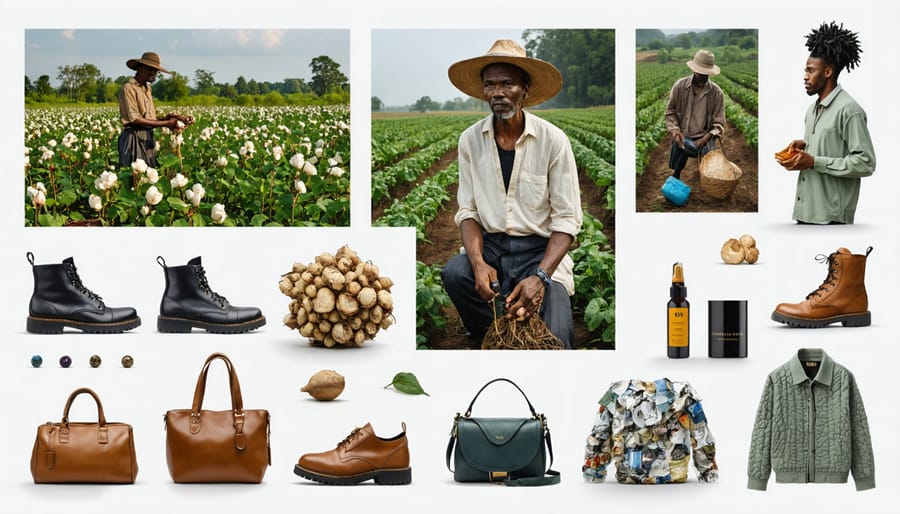
Transform your shopping habits with real-world examples of ethical sourcing that prove why ethical sourcing matters more than ever. Patagonia revolutionized outdoor wear by ensuring 100% of their cotton is organic and establishing direct relationships with farmers who use regenerative practices. Stella McCartney demonstrates luxury can be ethical, sourcing vegan leather alternatives and traceable wool while maintaining high-end appeal. Even smaller brands like Reformation show how transparency transforms business, publishing their environmental impact reports and supplier details quarterly.
These industry pioneers aren’t just changing fashion – they’re redefining what conscious consumption means for all of us. From LUSH Cosmetics’ direct trade partnerships with small-scale farmers to Everlane’s radical transparency about factory conditions and pricing, ethical sourcing has evolved from a marketing buzzword into a powerful movement reshaping how we shop, style, and express ourselves.
By supporting these innovative brands and understanding their sourcing practices, you’re not just building a more sustainable wardrobe – you’re voting with your wallet for a fashion industry that values people and planet alongside profit.
Sustainable Cotton Champions
Patagonia’s Farm-to-Fabric Journey
When it comes to leading the sustainable fashion revolution, Patagonia’s farm-to-fabric journey is nothing short of incredible. Their regenerative organic cotton program isn’t just about creating cute clothes – it’s a complete game-changer for how we think about fashion’s impact on our planet.
Picture this: instead of just buying cotton from whoever has the best price, Patagonia partners directly with farmers in India who use amazing regenerative practices. These farming heroes actually help reverse climate change by putting more carbon back into the soil! How cool is that? They skip harmful pesticides and instead use natural methods that keep the soil healthy and thriving.
But what makes this program extra special is how it touches every step of the process. From the moment the cotton seed goes into the ground to the final stitch on your favorite Patagonia piece, they’re tracking and improving everything. They ensure farmers get fair wages (yes, queen!), work in safe conditions, and can provide for their families.
The result? Gorgeous, durable pieces that you can feel amazing wearing, knowing they’re part of something bigger. Each Patagonia organic cotton item tells a story of empowerment, sustainability, and positive change. It’s proof that fashion can be both stylish and kind to our planet – and that’s something we can all get behind!
Eileen Fisher’s Transparent Supply Chain
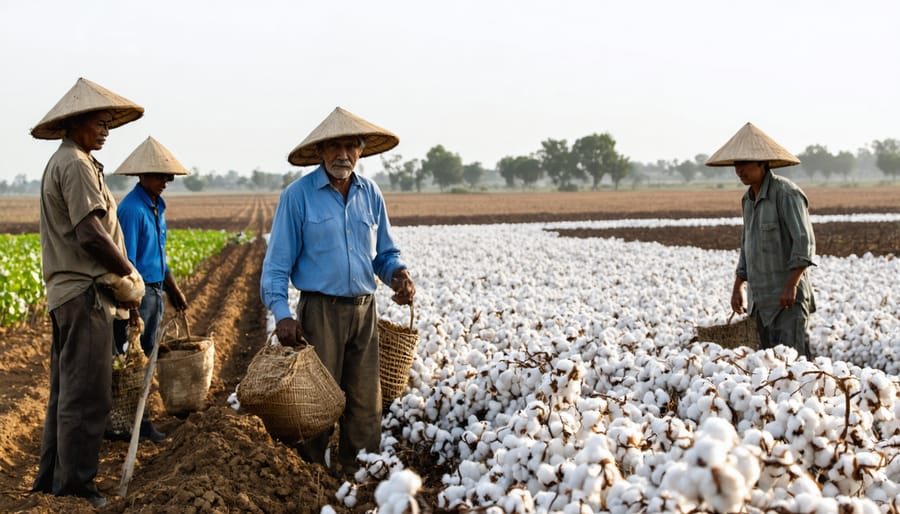
Eileen Fisher has become a shining example of transparency in fashion, making waves with their commitment to ethical cotton sourcing that goes beyond surface-level sustainability claims. The brand’s “Vision2020” initiative transformed their supply chain by implementing full transparency from farm to finished product, showing fashion lovers exactly how their favorite pieces come to life.
What sets Eileen Fisher apart is their innovative cotton tracking system. Using blockchain technology, customers can trace their garments back to the organic cotton fields where it all begins. This isn’t just about knowing where your clothes come from – it’s about connecting with the entire journey of your fashion choices.
The brand partners with organic cotton farmers in India, ensuring fair wages and supporting sustainable farming practices. They’ve also established the Fisher Found program, which helps communities maintain traditional cotton-growing techniques while adapting to modern environmental challenges.
But perhaps what’s most inspiring is their commitment to continuous improvement. Regular audits of their supply chain partners, combined with public reporting of their findings, show that ethical fashion isn’t just a destination – it’s an ongoing journey. They’ve even created educational programs to help other brands follow in their footsteps, proving that true sustainability is about lifting the entire industry.
The result? A collection of timeless pieces that not only look good but feel good to wear, knowing they’ve been created with respect for both people and planet.
Clean Beauty Pioneers
Lush’s Direct Trade Programs
When it comes to ethical sourcing done right, Lush Cosmetics stands out as a true pioneer in the beauty industry. Their direct trade programs go beyond just buying ingredients – they’re building lasting relationships with communities worldwide and setting new standards for responsible sourcing.
Take their Sustainable Lush Fund (SLush Fund), for example. This innovative program invests directly in regenerative farming projects and community initiatives across the globe. From supporting women-led argan oil cooperatives in Morocco to partnering with indigenous communities in Peru for sustainable brazil nut harvesting, Lush ensures their ingredients come with a story of positive impact.
What makes Lush’s approach special is their commitment to fair pricing and long-term partnerships. Instead of chasing the lowest prices, they pay premium rates to ensure their suppliers can invest in sustainable practices and community development. They’ve even created their own supply chains in some regions, cutting out middlemen and ensuring more money reaches the actual farmers and producers.
The company regularly sends their buying team to visit suppliers, building personal connections and understanding local challenges firsthand. This hands-on approach has helped them develop products that not only pamper their customers but also empower communities. Through transparency and direct relationships, Lush shows how beauty brands can make a real difference while creating amazing products we all love to use.
The Body Shop’s Community Trade
The Body Shop has been a trailblazer in ethical sourcing since 1987, when founder Anita Roddick launched their Community Trade program – a revolutionary approach that put people and planet first. Today, this pioneering initiative works with over 20 suppliers worldwide, empowering local communities while delivering high-quality, sustainable ingredients for their beloved beauty products.
One of their most inspiring partnerships is with the Tungteiya Women’s Association in Ghana, which supplies shea butter for The Body Shop’s moisturizers. This collaboration supports over 600 women, providing fair wages and helping fund community projects like healthcare centers and water systems. The result? Sustainable income for local women and premium ingredients for conscious consumers.
Their ethical sourcing extends beyond ingredients to packaging too. In India, they work with Teddy Exports, employing over 200 artisans who handcraft gift boxes and accessories using environmentally friendly materials. This partnership not only provides stable employment but also preserves traditional craftsmanship.
What makes The Body Shop’s approach special is their commitment to long-term relationships with suppliers. Rather than chasing the lowest prices, they focus on building sustainable partnerships that benefit everyone involved. They pay premium prices, offer skills training, and invest in community development projects, creating a ripple effect of positive change that extends far beyond beauty products.
Innovative Material Solutions
Stella McCartney’s Vegan Leather Revolution
When it comes to revolutionizing sustainable fashion, Stella McCartney’s innovative approach to vegan leather has become a game-changer. By embracing circular fashion practices, the brand has proven that luxury and sustainability can coexist beautifully.
McCartney’s groundbreaking Mylo™ leather, created from mushroom roots, offers a cruelty-free alternative that feels and looks just as luxurious as traditional leather. This innovative material requires significantly less water and produces fewer carbon emissions compared to animal leather production. The best part? It’s completely biodegradable!
The brand’s commitment goes beyond just creating alternatives – they’re reshaping the entire conversation around sustainable fashion. By incorporating materials like recycled polyester and innovative plant-based leather alternatives in their collections, they’ve shown that ethical choices don’t mean compromising on style or quality.
What’s particularly inspiring is how McCartney’s approach has influenced other luxury brands to explore sustainable alternatives. From handbags to shoes, each piece tells a story of conscious creativity and environmental responsibility. The success of these vegan leather products has proven that fashion-forward consumers are ready to embrace sustainable alternatives that align with their values.
This revolution isn’t just about creating eco-friendly products – it’s about setting new standards for the entire fashion industry and showing that sustainable luxury is the future of fashion.
Adidas x Parley Ocean Plastic
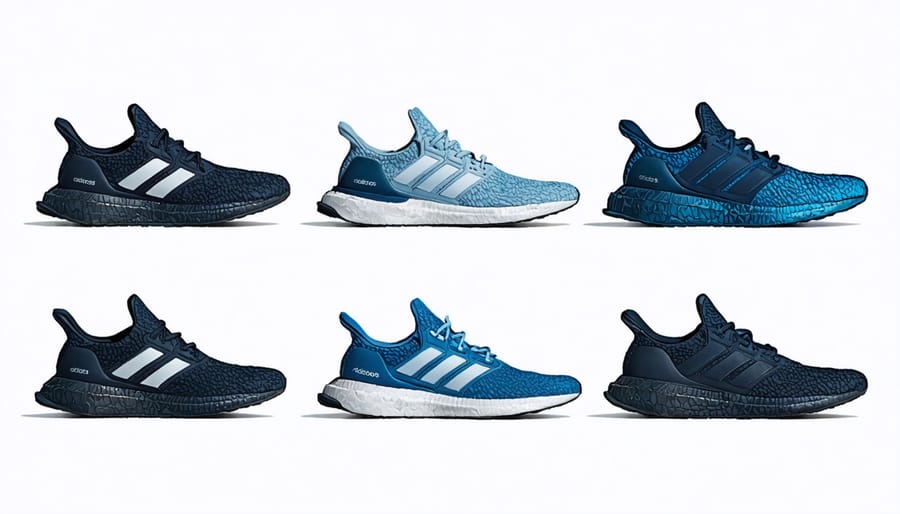
When fashion meets environmental activism, magic happens – and that’s exactly what the Adidas x Parley collaboration brings to the table. Since 2015, this groundbreaking partnership has transformed marine plastic waste into stunning, high-performance athletic wear that proves style and sustainability can go hand in hand.
Picture this: Each year, millions of tons of plastic waste threaten our oceans and marine life. Instead of letting this waste drift endlessly, Adidas and Parley collect it from coastal areas, transform it into high-quality yarn, and create fabulous sneakers and activewear that look just as amazing as they feel. Talk about turning trash into treasure!
The collection isn’t just about looking good – it’s about doing good. Each piece contains at least 75% intercepted marine plastic waste, and the initiative has already repurposed millions of plastic bottles. The best part? These pieces perform just as well as traditional Adidas gear, proving that eco-friendly fashion doesn’t mean compromising on quality or style.
What makes this collaboration truly special is how it’s changed the conversation around sustainable fashion. It’s shown that big brands can make a real difference while creating products we actually want to wear. From their iconic UltraBoost sneakers to their workout tops and leggings, each piece tells a story of ocean conservation while helping you look and feel amazing.
Local Artisan Partnerships
Brother Vellies’ African Artisan Program
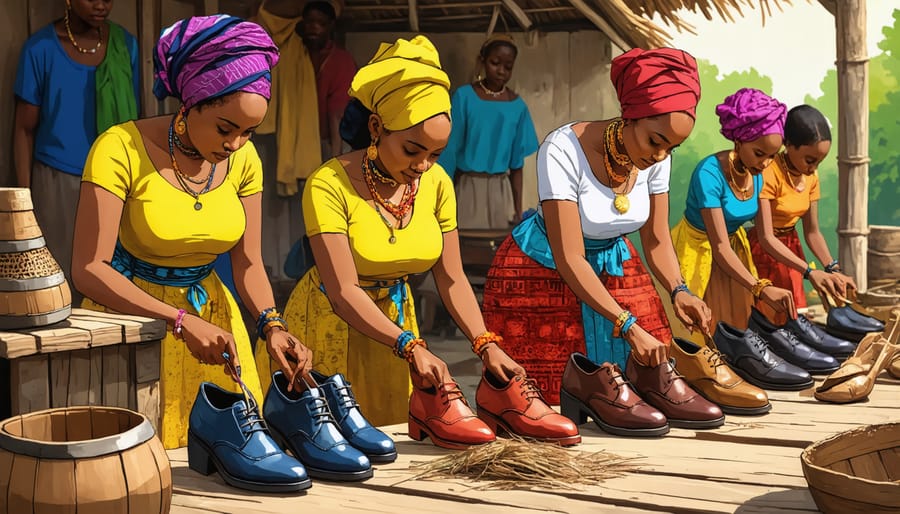
Brother Vellies is rewriting the fashion narrative by championing traditional African craftsmanship while creating sustainable employment opportunities across the continent. Founded by Aurora James, this luxury accessories brand works directly with artisans in countries like Kenya, South Africa, and Morocco, preserving age-old techniques that have been passed down through generations.
What sets Brother Vellies apart is their commitment to fair wages and ethical working conditions. The brand partners with workshops that employ local artisans, primarily women, providing them with steady income and professional development opportunities. These skilled craftspeople create stunning pieces using indigenous materials and traditional methods, from hand-beading to vegetable tanning of leather.
The program goes beyond just employment – it’s about cultural preservation and community empowerment. Each piece tells a story of heritage and craftsmanship, from Kenyan beaded sandals to Moroccan babouche slippers. The brand ensures that traditional techniques aren’t just preserved but celebrated on a global stage, giving these artisans recognition for their incredible skills.
Brother Vellies also focuses on sustainable materials, using byproducts from the food industry and working with naturally sourced materials like kudu leather and wild-sourced feathers. This approach not only minimizes waste but also ensures that each piece has minimal environmental impact while maximizing social benefit.
Through this program, Brother Vellies demonstrates how luxury fashion can be both ethically sourced and culturally enriching, proving that style and sustainability can go hand in hand.
Maiyet’s Global Artisan Network
Imagine walking into a sunlit workshop in India, where skilled artisans craft intricate beadwork passed down through generations. This is the essence of Maiyet’s revolutionary approach to luxury with a conscience, where traditional craftsmanship meets modern design sensibilities.
Maiyet has built an impressive network spanning multiple continents, collaborating with artisans in Indonesia, Italy, India, Peru, and Kenya. Their partnerships go beyond simple manufacturing relationships – they’re about preserving cultural heritage while creating sustainable livelihoods. In Mongolia, they work with cashmere herders who maintain centuries-old techniques, while in Bolivia, their partnerships with local jewelers have revived ancient metalworking traditions.
What makes Maiyet’s approach truly special is their commitment to long-term relationships. They invest in artisan communities through skills training, business development, and fair wages. This investment has enabled many artisans, particularly women, to become financially independent while maintaining their cultural traditions.
The brand’s collections showcase how traditional techniques can create contemporary fashion pieces that resonate with modern consumers. From hand-woven silks to intricately carved accessories, each piece tells a story of cultural preservation and ethical production. Through these partnerships, Maiyet demonstrates that luxury fashion can be both beautiful and socially responsible, setting a new standard for ethical sourcing in the fashion industry.
As we’ve seen, ethical sourcing isn’t just a trend – it’s becoming the new standard in fashion and beauty. More and more brands are stepping up to ensure their products are created with respect for both people and the planet, and this shift is largely thanks to conscious consumers like you who demand better practices.
By supporting brands that prioritize ethical sourcing, you’re not just making a purchase – you’re casting a vote for the kind of world you want to live in. Every ethically sourced item in your closet or beauty cabinet represents workers being paid fairly, environments being protected, and communities being uplifted.
The best part? You don’t have to compromise on style or quality to make ethical choices. Today’s responsible brands are proving that fashion can be both sustainable and stunning, conscious and cutting-edge. Whether you’re investing in timeless pieces from transparent supply chains or discovering innovative beauty products made with responsibly sourced ingredients, you’re part of a growing movement that’s reshaping the industry.
Remember, your purchasing power is real, and every choice matters. Start small by researching your favorite brands’ sourcing practices, asking questions about their supply chains, and gradually transitioning to more ethical alternatives. Together, we can create a more sustainable and ethical fashion future – one mindful purchase at a time.
You may also like
-
Luxury with a Conscience: How These Fashion Brands Are Redefining Ethical Style
-
Fashion’s Hidden Cost: Why Ethical Sourcing Matters to Your Wardrobe
-
Smart Shopping Revolution: How Digital Tools Are Reshaping Beauty and Fashion Choices
-
Smart Shopping Made Beautiful: Digital Education Tools Reshaping Fashion Choices
-
Fast Fashion’s Hidden Toll: Why Your Wardrobe Choices Matter More Than Ever