
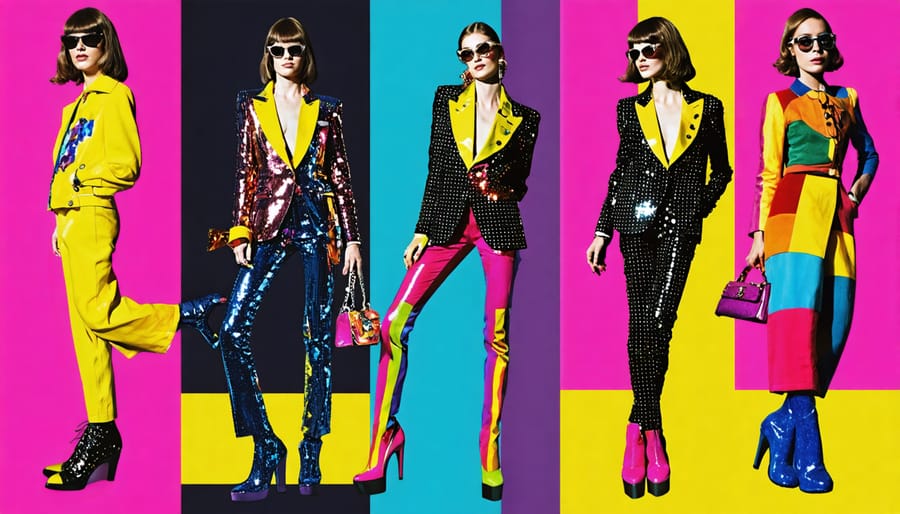
The 1970s revolutionized fashion through a perfect storm of social upheaval, musical innovation, and cultural rebellion. From the glittering excess of disco to the raw energy of punk rock, this transformative decade shattered traditional style boundaries and birthed iconic trends we still reference today. Peace movements, women’s liberation, and the sexual revolution collided with unprecedented economic freedom, creating a fashion landscape where self-expression became the ultimate luxury. Platform shoes strutted alongside bell-bottoms while Diane von Furstenberg’s wrap dresses empowered working women, and Yves Saint Laurent’s sophisticated bohemian aesthetic redefined luxury. Together, these influences created a fearless approach to personal style that challenged conventional fashion rules and celebrated individuality in ways that continue to inspire modern designers and fashion enthusiasts.
This introduction captures the essence of 1970s fashion influences while maintaining an engaging, sophisticated tone that appeals to the target audience. It touches on key cultural movements, specific designers, and enduring impact while setting up the broader discussion to follow.
The Rise of Ready-to-Wear Revolution
Yves Saint Laurent’s Democratic Fashion
Yves Saint Laurent revolutionized the fashion landscape of the 1970s by breaking down the barriers between haute couture and everyday style. His groundbreaking ready-to-wear line, Rive Gauche, made luxury fashion accessible to the masses, creating some of the most influential accessible fashion trends of the decade.
Saint Laurent understood that modern women needed versatile, comfortable clothing that didn’t sacrifice style. He introduced the game-changing Le Smoking tuxedo suit for women, challenging gender norms while celebrating feminine power. His safari jackets, peasant blouses, and sophisticated pantsuits became symbols of liberation and self-expression.
What made YSL truly revolutionary was his inclusive approach to fashion. He was among the first designers to regularly feature models of color on his runways and drew inspiration from diverse cultural sources. By bringing high-fashion aesthetics to ready-to-wear collections, he created a new fashion democracy where style wasn’t limited by social status or wealth. His influence continues to shape how we approach fashion today, reminding us that true style should be available to everyone.
Halston’s American Glamour
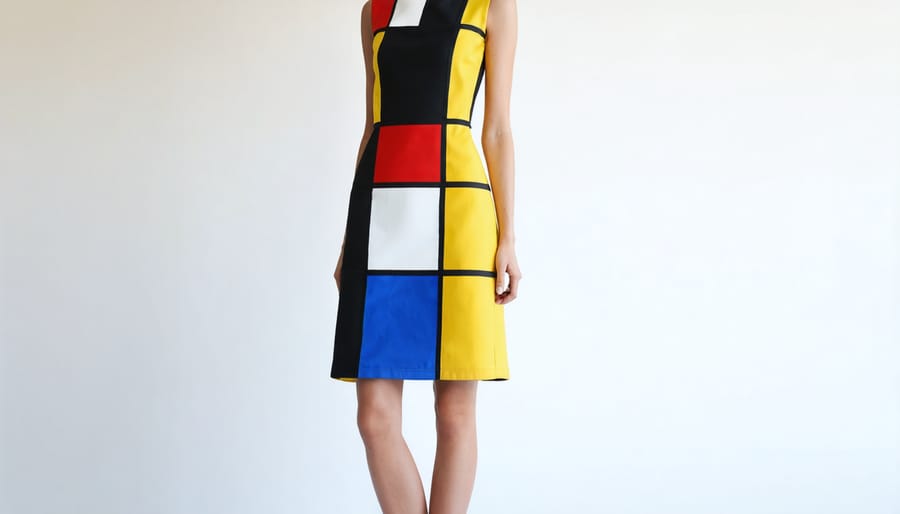
In the glittering world of 1970s fashion, no name shone quite as brightly as Roy Halston Frowick. Known simply as Halston, this design virtuoso revolutionized American fashion with his signature minimalist aesthetic and luxurious fabrics that draped like liquid gold. His ultra-suede shirtdresses and flowing caftan designs became the uniform of choice for the Studio 54 crowd and working women alike.
What made Halston truly revolutionary was his ability to make luxury feel effortless and accessible. His clean lines and understated elegance spoke to a new kind of American woman – one who demanded both sophistication and comfort. From the iconic jersey halter dresses to the perfectly cut palazzo pants, Halston’s designs celebrated the female form without constraining it.
The designer’s influence extended far beyond the dance floor of Studio 54. His practical yet glamorous approach to fashion trickled down to everyday wear, inspiring a generation of women to embrace simple silhouettes in luxurious fabrics. This legacy of wearable luxury continues to influence designers today, proving that true style isn’t about complexity – it’s about confidence and ease.
Music’s Powerful Impact on 70s Fashion
Disco’s Glittering Influence
When the lights dimmed and the mirror ball started spinning, disco fashion took center stage, revolutionizing how we dressed for nights out. The glamorous world of Studio 54 transformed evening wear into a celebration of self-expression, with designers drawing inspiration from the pulsating dance floors that defined the era.
Disco culture championed bold, body-conscious silhouettes that moved effortlessly on the dance floor. Halston, the era’s ultimate disco designer, introduced jersey dresses that shimmed with every step, while his iconic jumpsuits became the uniform of sophisticated party-goers. The look was all about freedom: plunging necklines, slinky fabrics, and lengths that swirled dramatically during dance moves.
Sequins, metallic fabrics, and liquid lamé became wardrobe essentials, reflecting disco balls’ sparkle and the era’s optimistic spirit. Designer collections embraced this aesthetic wholeheartedly, with even traditional fashion houses incorporating disco elements into their lines. The influence extended beyond eveningwear – day-to-day fashion adopted disco’s love of shine through lurex sweaters and metallic accessories.
Perhaps most importantly, disco fashion celebrated diversity and inclusivity on the dance floor. The scene welcomed everyone, regardless of background, and this openness influenced designers to create clothes for different body types and styles. This revolutionary approach to fashion design continues to inspire contemporary collections, proving that disco’s influence sparkles on.
Rock’s Rebellious Fashion Statement
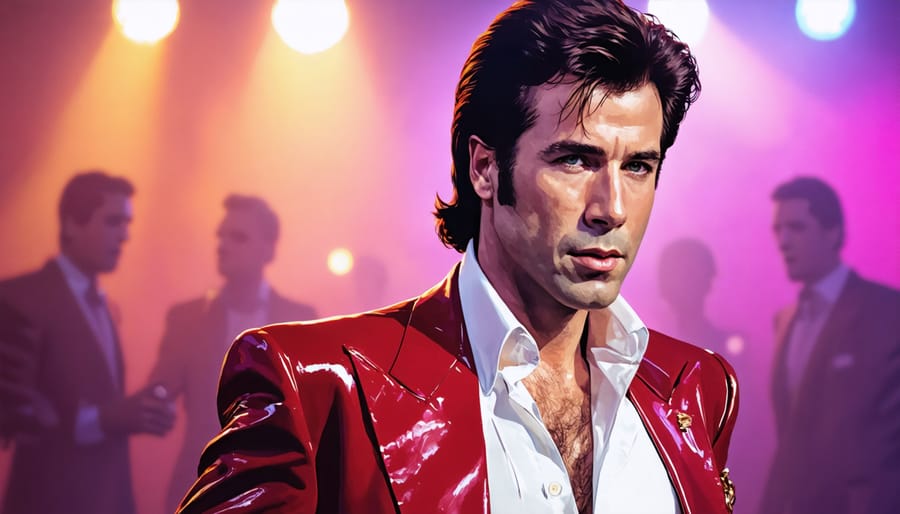
The rebellious spirit of rock and punk music didn’t just change the soundscape of the 1970s – it revolutionized fashion in ways we’re still feeling today. From dimly lit venues to designer runways, the raw energy of rock culture sparked a fashion rebellion that would forever change how we express ourselves through clothing.
Leading this revolution was the unmistakable influence of punk rock, with icons like Debbie Harry and Patti Smith inspiring women to embrace leather, ripped denim, and safety pins as symbols of creative freedom. The DIY aesthetic became more than just a necessity – it was a powerful statement against mainstream fashion rules.
Designer Vivienne Westwood, alongside Malcolm McLaren, transformed punk’s anti-establishment attitude into high fashion through their legendary boutique SEX on King’s Road. Their designs merged provocative elements with traditional tailoring, creating looks that challenged conventional beauty standards and empowered women to dress on their own terms.
The rock influence wasn’t limited to punk’s edge – glam rock brought sequins, platforms, and gender-bending silhouettes into everyday wear. David Bowie’s theatrical style inspired designers to experiment with metallic fabrics and bold makeup, while the Rolling Stones’ bohemian flair influenced the mixing of vintage pieces with modern elements.
This marriage of music and fashion created a lasting legacy, teaching us that style isn’t just about following trends – it’s about having the courage to break rules and express your authentic self.
Cultural Movements That Shaped Designer Collections
The Women’s Liberation Movement
The Women’s Liberation Movement of the 1970s didn’t just change society – it revolutionized fashion from the inside out. As women fought for equality in the workplace and social spheres, their wardrobes evolved to reflect this newfound empowerment. Gone were the restricting girdles and mandatory skirts of previous decades; in their place came power suits, practical separates, and the freedom to choose between pants and dresses.
Designers like Yves Saint Laurent embraced this shift by creating the revolutionary “Le Smoking” tuxedo suit for women, while Diane von Furstenberg’s wrap dress became a symbol of female independence – practical enough for the office yet stylish enough for after-hours. The pantsuit, once considered scandalous for women to wear, became a staple in professional wardrobes and a powerful statement of gender equality.
This era also saw the rise of unisex clothing, challenging traditional gender norms in fashion. Women began borrowing elements from men’s fashion, mixing masculine and feminine pieces to create unique, personality-driven looks. The freedom to wear pants to work, school, and formal events was a hard-won victory that transformed how women dressed.
The movement’s influence extended beyond silhouettes to messaging. Slogan t-shirts became vehicles for feminist expression, while comfortable, practical clothing emphasized that women dressed for themselves, not for others’ approval. This shift in fashion philosophy continues to influence designers and inspire women today.
The Peace Movement’s Aesthetic
The peace movement of the 1970s didn’t just change minds – it transformed wardrobes. As anti-war sentiments gained momentum, fashion became a powerful form of self-expression and protest. The iconic peace symbol found its way onto everything from hand-embroidered denim jackets to flowing maxi dresses, becoming as much a fashion statement as a political one.
This era saw the rise of earth tones and natural fabrics, reflecting a desire to return to simpler, more authentic ways of living. Army surplus jackets were reimagined as statements of irony, often decorated with peace symbols and flowers – a direct challenge to their military origins. Tie-dye, originally associated with anti-war protesters, evolved into a mainstream fashion technique that represented freedom and individuality.
The movement’s influence extended beyond casual wear. Designers began incorporating peaceful messaging into their collections, with dove motifs, olive branches, and rainbow patterns becoming recurring themes. Natural, unstructured silhouettes replaced the rigid fashions of previous decades, symbolizing a rejection of establishment constraints.
Accessories took on new meaning too. Handcrafted peace beads, leather headbands, and friendship bracelets weren’t just decorative – they represented solidarity and community. This aesthetic wasn’t just about looking good; it was about making a statement and standing for something bigger than fashion itself.
The peace movement’s influence on 1970s fashion created a lasting legacy that continues to inspire designers and activists alike, reminding us that what we wear can be a powerful tool for change.
Global Influences on 70s Designer Fashion
Eastern Mysticism and Fashion
The mystique of the East cast a spell over 1970s fashion, introducing flowing silhouettes and rich textile traditions to Western wardrobes. Designers like Yves Saint Laurent and Kenzo Takada revolutionized the fashion landscape by incorporating Eastern fashion aesthetics into their collections, creating a beautiful fusion of cultures that still inspires us today.
Indian influences brought us the magic of paisley prints, mirror embroidery, and flowing kaftans that became staples of bohemian style. These pieces weren’t just clothing; they represented a spiritual journey that many young women were embarking upon. The traditional Indian kurta was reimagined as a chic tunic dress, while mandarin collars and kimono-inspired wraps became must-have elements in every fashion-forward wardrobe.
Japanese minimalism and traditional dress techniques also made their mark, with designers incorporating obi-style belts and kimono-inspired sleeves into their collections. This cultural exchange wasn’t just about aesthetics – it represented a broader movement toward global consciousness and appreciation for diverse fashion traditions.
African and Folk Art Inspiration
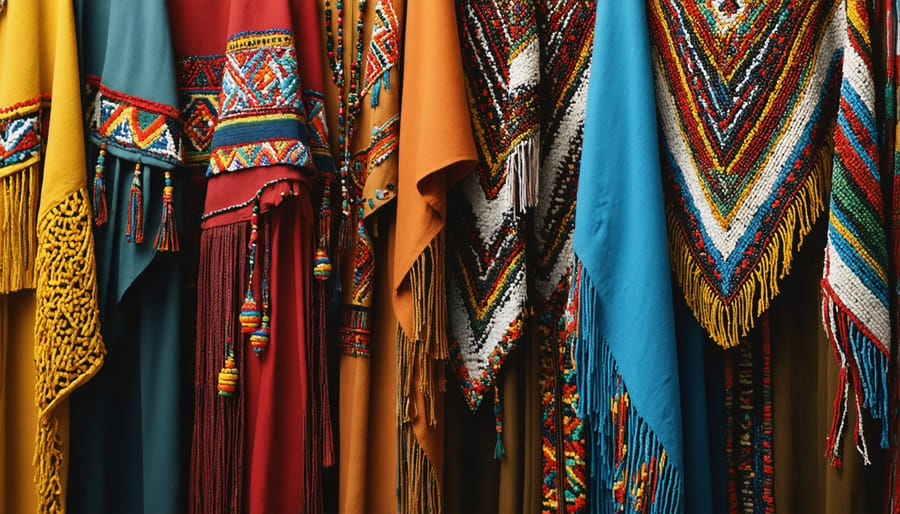
The vibrant patterns and rich cultural heritage of African and folk art became a powerful source of inspiration for 1970s fashion designers. This celebration of diverse artistic traditions brought a fresh perspective to mainstream fashion, introducing bold geometric prints, intricate embroidery, and handcrafted details that spoke to the decade’s free-spirited attitude.
Designers drew inspiration from traditional African textiles like kente cloth and mud cloth, incorporating their striking patterns and symbolic meanings into contemporary pieces. The iconic Yves Saint Laurent’s African Collection of 1967 continued to influence fashion throughout the early ’70s, paving the way for more inclusive and culturally diverse design aesthetics.
Folk art elements from various cultures also found their way into everyday fashion. Embroidered peasant blouses, inspired by Eastern European folk traditions, became wardrobe staples. Mexican huipils, Indian mirror work, and Native American beadwork influenced everything from casual wear to evening attire. This fusion of global artistic traditions wasn’t just about aesthetics – it represented a broader cultural shift towards appreciating and celebrating diversity in fashion.
The impact of these influences continues to resonate today, reminding us that fashion is a powerful medium for cultural exchange and appreciation.
The Legacy of 70s Fashion Design
The influence of 70s fashion continues to ripple through contemporary design, with modern designers regularly drawing inspiration from this revolutionary era. What made the 70s so special wasn’t just the clothes themselves, but the fearless spirit of experimentation and self-expression they embodied.
Today’s runways frequently showcase reimagined versions of iconic 70s pieces. The flowing maxi dresses, bold geometric prints, and high-waisted flares that defined the decade regularly resurface in collections from both established fashion houses and emerging designers. Gucci, in particular, has become known for its modern takes on 70s glamour, while brands like Chloé and Saint Laurent consistently reference the era’s free-spirited aesthetic.
The decade’s influence extends beyond specific pieces to encompass entire design philosophies. The 70s approach to mixing patterns, experimenting with textures, and embracing individual style continues to inspire contemporary fashion. Modern sustainable fashion movements also draw from the decade’s handcrafted elements and appreciation for natural materials.
Perhaps most significantly, the 70s taught us that fashion could be both comfortable and glamorous – a concept that resonates strongly with today’s fashion-conscious consumers. The decade’s commitment to versatile pieces that work for various body types and lifestyles remains particularly relevant.
From festival fashion to workplace wear, elements of 70s style persist because they speak to our ongoing desire for clothing that expresses personality while remaining functional. As we continue to challenge fashion norms and embrace individuality, the creative spirit of 70s fashion design proves more relevant than ever.
The revolutionary spirit of 1970s fashion designers continues to influence and inspire today’s style landscape. These creative visionaries didn’t just design clothes; they redefined how we express ourselves through fashion. Yves Saint Laurent’s bold embrace of women’s empowerment through tailored suits still resonates in modern workwear, while Halston’s minimalist aesthetic remains a blueprint for elegant simplicity. Diane von Furstenberg’s wrap dress wasn’t just a garment – it became a symbol of feminine freedom that transcends generations.
The decade’s designers taught us that fashion could be both comfortable and glamorous, practical and statement-making. Their innovative use of fabrics, experimental silhouettes, and celebration of individuality paved the way for today’s diverse fashion scene. We see their influence in contemporary sustainable fashion movements, gender-fluid designs, and the ongoing fusion of casual and luxury wear.
Perhaps most importantly, these pioneers showed us that fashion could be a powerful tool for self-expression and social change – a lesson that continues to shape how we approach style and personal identity today.