
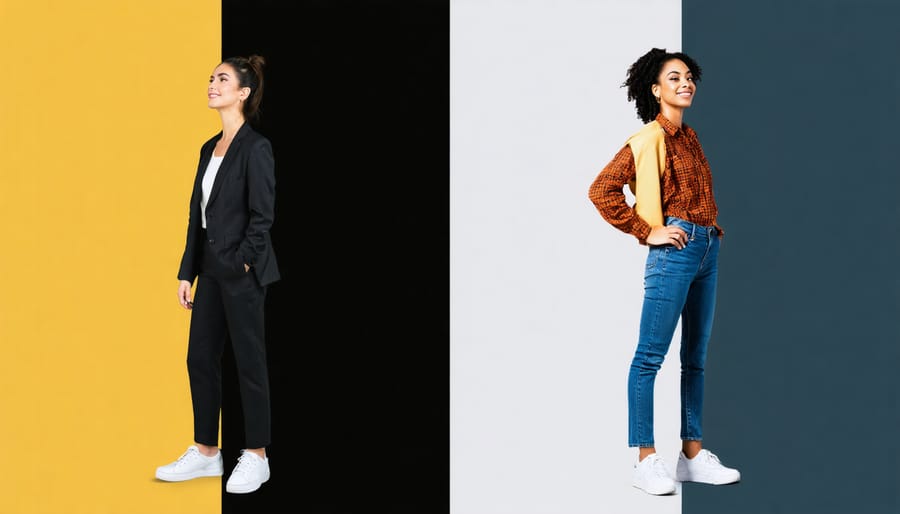
Every purchase you make tells a story about who you are and who you want to become. In the fascinating world of consumer psychology, our shopping decisions are far more complex than simple transactions – they’re deeply emotional journeys shaped by psychological triggers, social influences, and personal aspirations.
From the dopamine rush of finding the perfect pair of shoes to the subtle impact of store layouts on our buying decisions, understanding consumer behavior helps us decode the invisible forces guiding our choices. Research shows that up to 95% of our purchasing decisions happen in our subconscious mind, driven by emotional rather than rational factors.
Today’s savvy shoppers aren’t just buying products; they’re investing in experiences, identity, and personal transformation. Whether it’s the luxury brands that make us feel powerful, the sustainable choices that align with our values, or the impulse buys that offer instant gratification, each decision reflects a complex interplay between our desires, fears, and social connections.
Join us as we explore the psychology behind why we buy what we buy, and discover how understanding these hidden influences can help you make more conscious, empowered choices in your fashion journey. Your wardrobe isn’t just a collection of clothes – it’s a reflection of your psychological landscape.
The Emotional Power Behind Fashion Choices
The Feel-Good Factor
Ever noticed how slipping into your favorite outfit can instantly boost your confidence? Science shows that clothing affects our emotions in profound ways, influencing not just how others perceive us, but how we view ourselves.
Think of your wardrobe as your personal mood-lifting toolkit. That power suit that makes you stand taller in meetings, those comfortable yet chic loungewear pieces that help you feel put-together while working from home, or that bold dress that transforms you into the life of the party – each piece plays a unique role in shaping your emotional state.
Research suggests that when we wear clothes that make us feel good, our brain chemistry actually changes. We experience increased levels of dopamine, often called the “feel-good hormone,” which can boost our mood, motivation, and overall sense of wellbeing.
But it’s not just about wearing what’s trendy or expensive. The key lies in choosing pieces that align with your personal style and make you feel authentically you. Whether it’s the soft touch of sustainable fabrics against your skin or the confidence boost from wearing your signature color, these small choices can create significant shifts in your daily mindset.
Remember, fashion is a form of self-expression that goes beyond mere appearances – it’s a powerful tool for emotional wellbeing and personal empowerment.

Social Identity and Fashion
Ever wondered why you feel more confident in certain outfits or gravitate towards particular styles? The way fashion shapes personal identity is deeply rooted in our psychological need for belonging and self-expression.
When we choose our clothes, we’re not just picking fabric and colors – we’re making powerful statements about who we are and which tribes we belong to. Whether you’re rocking corporate chic, embracing streetwear culture, or mixing vintage finds with modern pieces, your fashion choices communicate your values, beliefs, and social affiliations.
Think about how your style evolves when you’re with different social groups. Maybe you dress one way for brunch with your fashionista friends and another for family gatherings. This isn’t about being fake – it’s about adapting while staying true to yourself. Your wardrobe becomes a creative tool for navigating various social contexts while maintaining your authentic voice.
Fashion also serves as a powerful form of non-verbal communication. The clothes you choose can signal your creative spirit, professional ambitions, or cultural heritage. When you slip into that power suit or your favorite sustainable fashion pieces, you’re not just getting dressed – you’re telling your story and connecting with others who share your values.
Remember, there’s no “right” way to express your identity through fashion. The beauty lies in discovering what feels authentically you while celebrating the diversity of style expressions around you.
The Science of Fashion Decision-Making
First Impressions and Visual Appeal
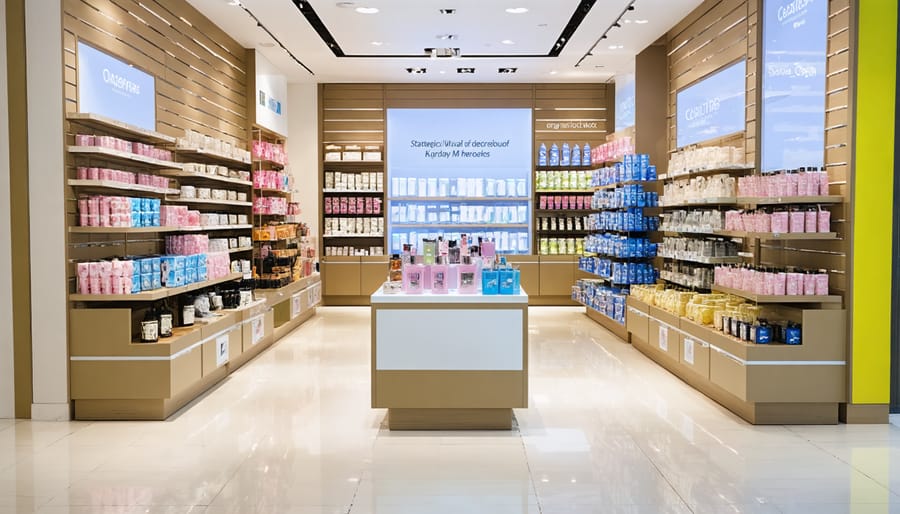
Ever noticed how you’re instantly drawn to that perfectly styled window display or find yourself reaching for products at eye level? That’s no coincidence – it’s the magic of visual merchandising at work! As fashion-conscious shoppers, we’re naturally attracted to beautiful presentations, and retailers know exactly how to play into this psychology.
Think about your last shopping experience. Those carefully curated mannequin outfits, the strategic lighting that makes everything look oh-so-gorgeous, and even the way clothes are color-coordinated – it all speaks to our emotional brain before we even realize it. Studies show that about 90% of our purchase decisions are made subconsciously, based on visual cues alone!
But here’s the empowering part: understanding these visual triggers helps us make more mindful choices. That perfectly styled display might look amazing, but does it align with your personal style and needs? The key is to appreciate the artistry while staying true to yourself.
Retailers use several clever techniques to capture our attention. The “rule of thirds” in displays creates visual harmony that’s naturally pleasing to our eyes. Warm lighting can make colors pop and textures more inviting to touch. Even the height of shelving matters – items at eye level typically sell 35% more than those on lower shelves.
Remember, while these visual elements are designed to influence our choices, being aware of them puts you in control. Next time you’re shopping, take a moment to notice these details. Understanding the psychology behind visual merchandising doesn’t make it any less magical – it just makes us more conscious consumers who can better align our purchases with our authentic selves.
The Price-Value Relationship
Ever wondered why that $200 designer top feels more special than a similar $30 one? It’s not just about the price tag – it’s about the story we tell ourselves about value. When we shop, our minds play a fascinating game of emotional mathematics, weighing price against perceived worth in ways that aren’t always logical.
Think about your favorite splurge purchase. Maybe it’s those statement boots you saved up for, or that luxury handbag you treated yourself to after a promotion. The joy and confidence these pieces bring often extend far beyond their practical use, creating what psychologists call “emotional value.” This feeling of satisfaction can actually make us perceive the item as more valuable, justifying a higher price point.
But here’s where it gets interesting: our perception of value isn’t fixed. When we see a higher price, we often automatically associate it with better quality, even when that’s not necessarily true. This is known as the price-quality heuristic, and it’s why many of us instinctively trust luxury brands more than their affordable counterparts.
However, being aware of these psychological triggers can help us make smarter shopping choices. Next time you’re considering a purchase, ask yourself: Am I drawn to this because of its actual value, or am I being swayed by clever marketing and psychological pricing? Remember, true value isn’t just about the number on the price tag – it’s about how an item makes you feel, how well it serves your needs, and how it aligns with your personal style journey.
After all, feeling fabulous shouldn’t always come with a hefty price tag. Sometimes, the most valuable pieces in our wardrobe are the ones that make us feel like our most authentic selves, regardless of what they cost.
Social Media’s Impact on Fashion Psychology
Influence of Digital Trends
In today’s digital age, our shopping decisions are increasingly shaped by the endless scroll of social media feeds. From TikTok fashion hauls to Instagram’s “outfit of the day” posts, these platforms have revolutionized how we discover, evaluate, and purchase fashion items. The psychology behind this digital influence is fascinating – we’re not just buying clothes; we’re buying into stories, lifestyles, and communities.
Studies show that nearly 72% of fashion purchases by millennials and Gen-Z are influenced by social media content, particularly through authentic user-generated content rather than traditional advertising. This shift reflects our desire for real connection and relatability in fashion choices. When we see diverse body types and styles celebrated online, it reinforces the movement toward changing beauty standards and inclusive fashion.
The rise of digital try-ons and AR filters has added another layer to our decision-making process. These tools tap into our need for immediate gratification and visualization, making us more likely to commit to purchases when we can “see” ourselves in the items. Moreover, social proof through likes, comments, and shares creates a psychological validation that influences our perception of trends and must-have pieces.
However, being aware of these digital influences empowers us to make more mindful choices. Understanding that FOMO (Fear of Missing Out) and social validation drive many trend-based purchases can help us step back and evaluate what truly aligns with our personal style and values.
FOMO and Fashion
Ever noticed how that must-have bag suddenly becomes irresistible when you see it all over your social media feed? That’s FOMO (Fear Of Missing Out) in action, and it’s reshaping how we approach fashion choices. We’re naturally wired to want to belong, and in today’s hyper-connected world, the pressure to keep up with trends has never been more intense.
Think about those moments when you’ve rushed to buy something just because “everyone else has it.” Maybe it was that viral sweater that took over Instagram, or those chunky sneakers that suddenly appeared on every street corner. This isn’t just random behavior – it’s our brain responding to social signals and the deep-seated desire to remain relevant and connected.
But here’s the empowering part: understanding FOMO can help you make more intentional fashion choices. Instead of letting social pressure drive your decisions, try asking yourself whether a trend genuinely resonates with your personal style. Sometimes, the most confident fashion statements come from choosing not to follow the crowd.
Remember, trends come and go, but style is personal. While it’s natural to feel drawn to what’s popular, the key is finding the sweet spot between staying current and staying true to yourself. After all, the most authentic trend is the one that makes you feel absolutely fabulous in your own skin.
Making Mindful Fashion Choices
Making mindful fashion choices isn’t just about following trends – it’s about understanding the psychological triggers that drive our purchasing decisions. When we become aware of these internal mechanisms, we can make more conscious fashion choices that align with our values and authentic selves.
Start by asking yourself three essential questions before making a purchase: “How does this piece make me feel?”, “Does it align with my personal style story?”, and “Will I wear it at least 30 times?” This simple practice helps bypass impulse buying triggered by emotional states or social pressure.
Create a mindful shopping ritual by setting intentions before you browse. Take a few deep breaths, check in with your current wardrobe needs, and set a clear budget. This psychological preparation helps maintain focus and reduces the likelihood of regret purchases.
Consider the “power pause” technique – wait 24 hours before making non-essential purchases. This cooling-off period allows your rational mind to override emotional shopping triggers and helps distinguish between genuine style choices and temporary impulses.
Pay attention to your emotional state while shopping. Are you seeking retail therapy after a tough day? Looking for a confidence boost? Understanding these motivations helps create healthier relationships with fashion consumption. Instead of using shopping as an emotional crutch, try expressing yourself through creative styling of pieces you already own.
Build a capsule wardrobe that reflects your authentic self rather than chasing every trend. This approach reduces decision fatigue and creates a stronger sense of personal style identity. Remember, true style confidence comes from wearing clothes that make you feel empowered, not from following every passing trend.
Practice gratitude for your existing wardrobe by regularly reviewing and styling what you already own. This mindset shift helps break the cycle of constant consumption and creates a more sustainable approach to personal style.
Understanding the psychology behind our fashion choices empowers us to make more mindful and authentic decisions when it comes to personal style. As we’ve explored, our clothing choices are influenced by a complex web of emotions, social factors, and cognitive processes that shape not just what we wear, but how we feel about ourselves and interact with the world around us.
By becoming more aware of these psychological triggers – from the dopamine rush of retail therapy to the confidence boost of power dressing – we can develop a healthier relationship with fashion and shopping. Remember that your style journey is uniquely yours, and there’s no one-size-fits-all approach to building a wardrobe that makes you feel amazing.
Next time you’re making a fashion decision, take a moment to check in with yourself. Are you shopping to fill an emotional need? Is this purchase aligned with your authentic self? Does this piece make you feel confident and empowered? By asking these questions, you can transform your relationship with fashion from one of impulse to intention.
Let’s celebrate the diversity of personal style while acknowledging the powerful role psychology plays in our fashion choices. When we dress with awareness and purpose, we’re not just putting on clothes – we’re expressing our true selves and writing our own style stories. Your wardrobe is a powerful tool for self-expression; use it wisely and confidently.