
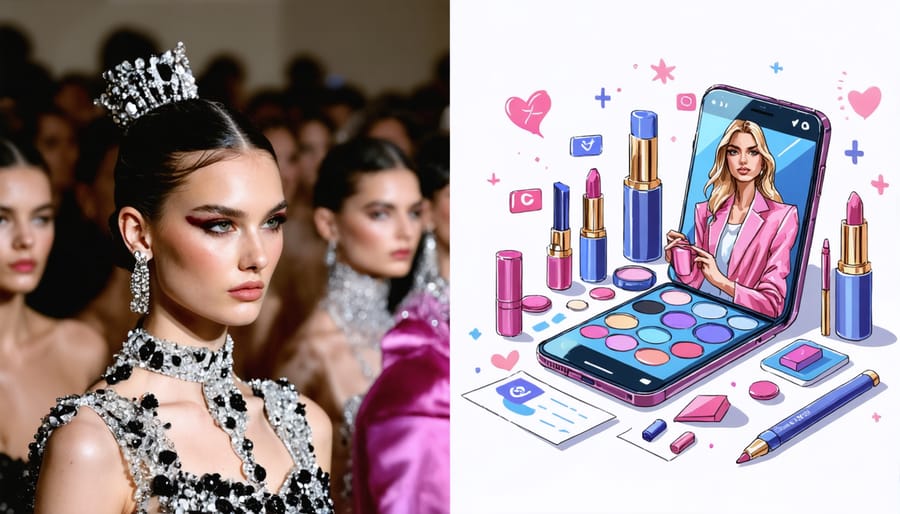
Step into the transformative world of high fashion beauty, where digital influence meets timeless elegance. The digital revolution in fashion has forever altered how we perceive, consume, and celebrate luxury beauty. Gone are the days when haute couture beauty remained exclusively within the gilded walls of fashion houses – today’s beauty influencers democratize high-end aesthetics, making sophisticated glamour accessible to everyone with a smartphone and a passion for style.
From TikTok’s viral “clean girl” aesthetic to Instagram’s meticulously curated beauty feeds, social media platforms have become the new runways where luxury beauty trends are born, shaped, and reimagined. This unprecedented fusion of traditional haute couture with digital innovation has created a dynamic landscape where heritage brands collaborate with content creators, and time-honored beauty secrets blend seamlessly with cutting-edge trends.
As we witness this evolution, one thing becomes crystal clear: high fashion beauty is no longer just about the products – it’s about the stories they tell, the communities they build, and the personal transformations they inspire. Whether you’re a seasoned beauty enthusiast or just beginning to explore the world of luxury cosmetics, today’s high fashion beauty scene invites everyone to participate in its ongoing narrative of creativity, self-expression, and empowerment.
The Rise of High Fashion Beauty Influencers
From Magazines to Instagram
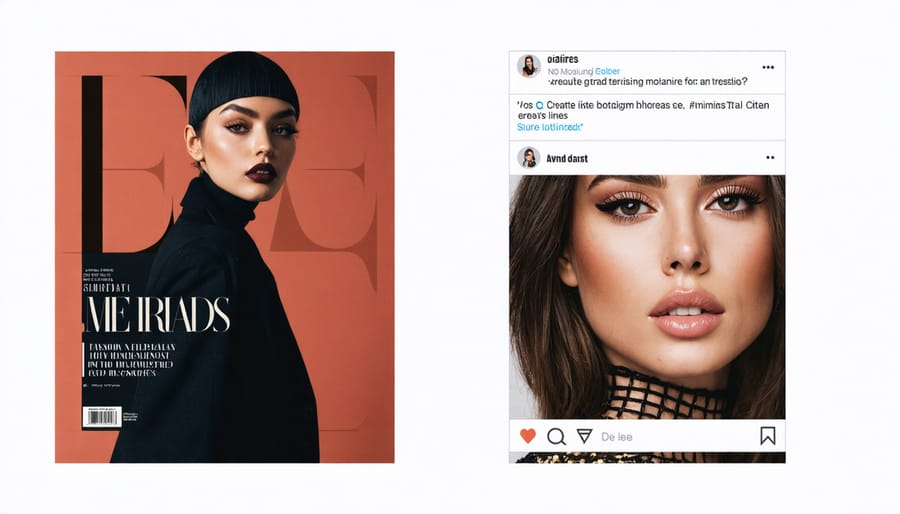
The beauty landscape has undergone a dramatic transformation in recent years, shifting from glossy magazine spreads to the infinite scroll of Instagram feeds. Where fashion magazines once held the exclusive power to dictate beauty standards and trends, social media has democratized the conversation, giving voice to diverse perspectives and innovative approaches to high fashion beauty.
Instagram’s visual-first platform has become the new frontier for luxury beauty brands, offering immediate connection with audiences and real-time feedback on trends. Beauty influencers, with their authentic approach and relatable content, have emerged as powerful voices in the industry, often rivaling traditional fashion editors in terms of reach and impact.
This digital revolution has forced legacy fashion magazines to adapt, with many now maintaining strong social media presences alongside their print editions. The result is a rich, multi-channel beauty dialogue where traditional editorial authority mingles with user-generated content and influencer collaborations.
The shift has also sparked a more inclusive conversation about beauty, with social media platforms amplifying voices that were historically underrepresented in traditional fashion media. Today’s beauty enthusiasts can find inspiration from a global community of creators, each bringing their unique interpretation of high fashion beauty to the digital sphere.
The New Beauty Authority
The landscape of beauty authority has undergone a dramatic transformation, with social media influencers now sitting front row at Fashion Week alongside traditional magazine editors. This shift reflects a democratization of beauty expertise, where authenticity and relatability have become as valuable as industry experience.
Today’s beauty influencers have earned their authority through consistent content creation, genuine engagement with their audiences, and an uncanny ability to spot and set trends before they hit the mainstream. What sets them apart isn’t just their massive following – it’s their power to create meaningful connections and drive real conversations about beauty standards, inclusivity, and self-expression.
Major luxury beauty brands have recognized this shift, increasingly partnering with influencers not just as faces of campaigns, but as creative directors and product collaborators. These partnerships have proven particularly successful because influencers bring both their expertise and their engaged communities to the table.
The rise of micro-influencers has further refined this dynamic, with brands seeking out content creators who have smaller but highly engaged followings in specific niches. This targeted approach has helped bridge the gap between high-fashion beauty and everyday consumers, making luxury beauty more accessible and relatable than ever before.
Success Stories: Influencer-Driven Luxury Beauty Launches
Viral Moments That Transformed Brands
In the ever-evolving world of high fashion beauty, viral moments have become game-changers for luxury brands. Take Fenty Beauty’s groundbreaking TikTok campaign featuring diverse creators showcasing their “Match Stix” products across all skin tones – it garnered over 50 million views in just 48 hours and transformed the conversation around inclusive beauty.
Charlotte Tilbury’s “Pillow Talk” lipstick phenomenon exemplifies how beauty brands’ evolving strategies can create lasting impact. When influencers across different demographics shared their perfect nude lip stories, the product became a global sensation, selling one unit every two minutes.
The “Glass Skin” revolution, initiated by Korean beauty influencers, completely transformed skincare routines worldwide. Brands like Tatcha and Glow Recipe capitalized on this trend through authentic partnerships with skincare enthusiasts, resulting in multiple viral products and waitlists thousands deep.
Perhaps most notably, Pat McGrath Labs’ “Divine Rose” palette launch, featuring unexpected collaborations with digital artists and beauty creators, showed how luxury beauty can embrace digital innovation while maintaining its aspirational appeal. The campaign’s success proved that when high-end beauty brands authentically engage with social media culture, they can create moments that resonate deeply with modern consumers while driving remarkable business growth.
Behind the Numbers
The numbers behind high fashion beauty partnerships tell a compelling story of digital influence translating into real-world success. When luxury beauty brand La Mer partnered with lifestyle influencer Emily Wang, their limited-edition cream sold out within 24 hours, generating $2.3 million in sales from a single Instagram campaign. Similarly, Charlotte Tilbury’s collaboration with global beauty creator James Charles saw engagement rates soaring to 8.2%, nearly triple the industry average.
Recent data shows that influencer-led beauty launches generate 60% more first-week sales compared to traditional celebrity endorsements. In 2022, luxury beauty brands that invested heavily in influencer marketing saw an average revenue increase of 34%, with micro-influencers driving particularly strong conversion rates among millennial and Gen Z consumers.
The power of authentic storytelling reflects in the numbers: beauty tutorials featuring luxury products receive 2.5 times more saves and shares than standard promotional content. When Dior Beauty collaborated with diverse content creators for their Forever Foundation launch, they saw a 45% increase in products sold to first-time customers, with 78% of surveyed buyers citing influencer content as their purchase trigger.
Platform-specific metrics reveal that TikTok beauty content generates 6x more engagement than Instagram for luxury brands, though Instagram remains the leader in direct sales conversion. These statistics underscore the evolving landscape of high-end beauty marketing, where digital authenticity drives tangible results.
The Digital Evolution of High Fashion Beauty
Authenticity Meets Luxury
In today’s digital age, the face of luxury beauty is undergoing a remarkable transformation, redefining luxury standards through a perfect blend of aspirational content and relatable authenticity. Gone are the days when luxury beauty brands maintained an air of untouchable elegance – today’s successful brands are mastering the art of staying prestigious while keeping it real.
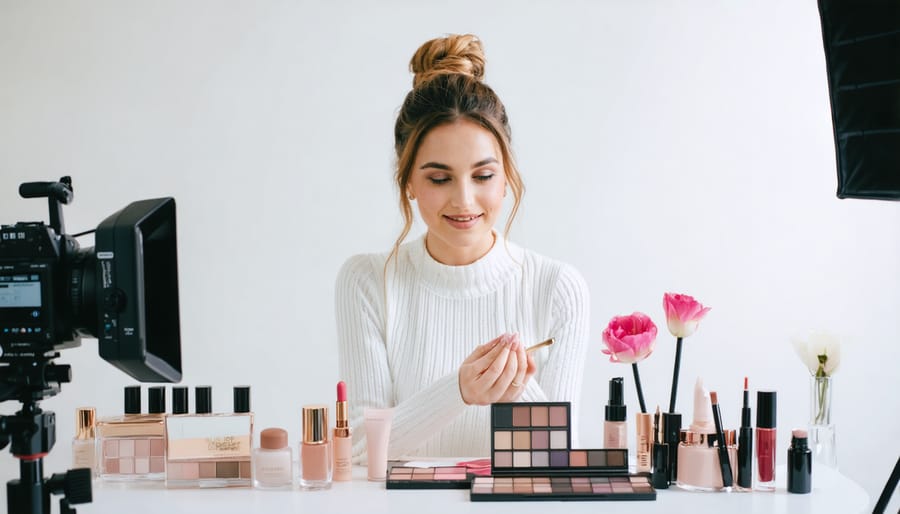
Social media has become the ultimate equalizer, where luxury houses connect with their audience through behind-the-scenes glimpses and honest product demonstrations. We’re seeing beauty influencers in their natural lighting, sharing unedited skin texture, and getting real about their skincare journeys. This transparency hasn’t diminished the allure of luxury beauty; instead, it’s enhanced it by making these coveted products feel more achievable and relatable.
Brands like Guerlain and Charlotte Tilbury have embraced this shift masterfully, featuring diverse content creators who showcase their products in authentic settings – from morning routines to midnight touch-ups. This approach resonates particularly well with millennials and Gen Z, who value genuine experiences over perfectly polished presentations.
The key lies in striking that sweet spot between aspiration and accessibility. When we see our favorite influencers applying a $200 serum in their bathroom mirror, just like we would, it creates a connection that makes luxury beauty feel both special and achievable. This new era of authenticity isn’t just a trend – it’s revolutionizing how we perceive and interact with high-end beauty brands.
New Paths to Consumer Trust
In today’s digital age, the relationship between luxury beauty brands and consumers has undergone a remarkable transformation, largely thanks to social media influencers who’ve become the new arbiters of trust. These digital storytellers have mastered the art of breaking down the traditionally imposing walls of high-end beauty, making luxury more approachable and relatable than ever before.
What makes influencers so effective is their ability to provide authentic, unvarnished reviews and experiences with luxury products. When your favorite beauty creator shows up on camera without filters, sharing their genuine reactions to a $300 serum, it creates a level of transparency that traditional advertising simply can’t match. They’re essentially our trusted friends in the beauty world, testing products so we don’t have to make expensive mistakes.
Luxury brands have recognized this shift and are increasingly collaborating with influencers who align with their values while maintaining authentic connections with their audiences. We’re seeing more behind-the-scenes content, detailed product education, and honest discussions about whether premium products are worth the investment. This new dynamic has created a more informed and discerning beauty consumer who understands both the artistry and science behind luxury formulations.
The result? A more democratic approach to luxury beauty, where consumers feel empowered to make educated decisions based on real experiences rather than just glossy advertisements. It’s a win-win situation where brands maintain their prestige while becoming more accessible and understood by their target audience.
The Future of Digital Luxury
The digital luxury landscape is evolving at breakneck speed, with social media influencers becoming the new powerhouses of beauty marketing. Today’s luxury beauty consumers aren’t just buying products; they’re investing in experiences, stories, and digital connections that resonate with their values. This shift has led to the emergence of innovative business models that blend traditional luxury with digital accessibility.
We’re seeing beauty brands collaborate with micro-influencers who bring authenticity and relatability to luxury products. These partnerships create more intimate connections with audiences, moving away from the traditionally distant, aspirational approach of luxury marketing. Virtual try-ons powered by AR technology, personalized skincare algorithms, and AI-driven beauty consultations are becoming the new normal.
What’s particularly exciting is how this digital transformation is democratizing luxury beauty. Through social platforms, consumers can now participate in real-time product launches, exclusive beauty masterclasses, and behind-the-scenes content that was once reserved for industry insiders. Brands are embracing user-generated content and community feedback, creating a more inclusive and dynamic luxury beauty experience.
The future points toward hyper-personalization, with brands using data analytics to create custom beauty solutions while maintaining their premium positioning. This perfect blend of digital innovation and luxury heritage is reshaping how we experience, purchase, and interact with high-end beauty products.
As we look back on the remarkable journey of high fashion beauty, it’s clear that influencers have fundamentally reshaped the landscape of luxury cosmetics and skincare. What was once an exclusive world governed by traditional fashion houses and beauty editors has transformed into a dynamic, inclusive space where authentic voices lead the conversation.
The democratization of high-end beauty through social media has created unprecedented opportunities for brands and consumers alike. Influencers have broken down barriers, making luxury beauty more accessible while maintaining its aspirational appeal. They’ve shown us that sophistication isn’t about exclusivity – it’s about understanding, appreciation, and personal expression.
Looking ahead, we can expect this transformation to continue evolving. The rise of micro-influencers with highly engaged niche audiences suggests a future where authenticity and expertise will matter more than follower counts. We’re seeing a shift toward more sustainable and conscious beauty choices, with influencers leading important conversations about clean ingredients, ethical production, and environmental impact.
The relationship between high fashion beauty brands and digital creators is becoming more sophisticated and strategic. Rather than one-off collaborations, we’re witnessing the emergence of long-term partnerships that feel genuine and add real value for consumers. This evolution points to a future where influencer marketing in luxury beauty becomes more integrated, thoughtful, and impact-driven.
Perhaps most significantly, influencers have helped reshape beauty standards, celebrating diversity and individual expression in ways that traditional marketing never could. They’ve created spaces where everyone can participate in the conversation about luxury beauty, regardless of their background or experience level.
As we move forward, the line between digital influence and traditional luxury marketing will continue to blur. Virtual try-ons, AI-powered personalization, and augmented reality experiences are already changing how we interact with high-end beauty products. Influencers will likely play a crucial role in making these innovations feel more personal and accessible.
The future of high fashion beauty lies in this perfect balance – maintaining the allure and quality that luxury brands are known for while embracing the authenticity and inclusivity that social media pioneers have championed. It’s a future where everyone can find their place in the world of luxury beauty, guided by voices they trust and inspired by content that speaks to their individual journey.