
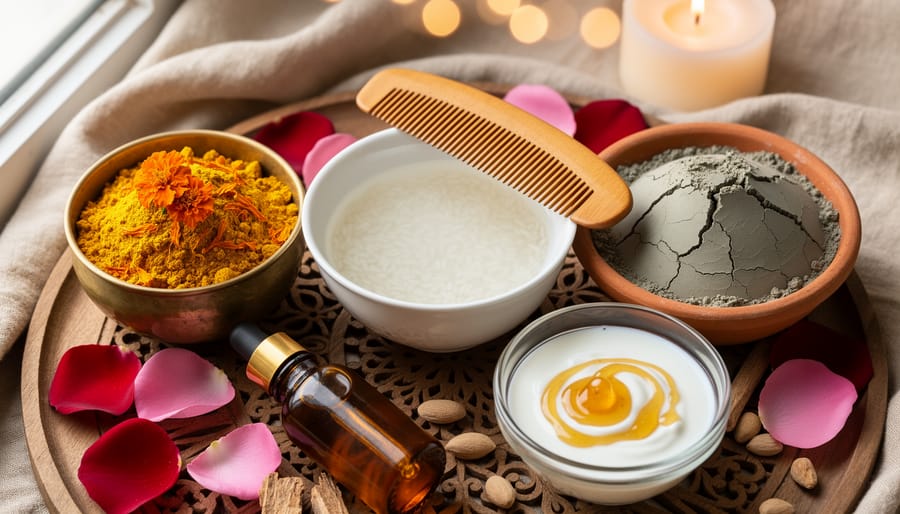
Explore how Japanese geishas have perfected the art of rice water hair treatments for centuries, transforming this simple grain into liquid silk that strengthens and glosses every strand. Discover why Moroccan brides spend hours in hammams before their wedding day, where argan oil massages and rhassoul clay masks create that coveted bridal glow from within. Learn the sacred Indian practice of ubtan—a turmeric-based paste that grandmothers have mixed by hand for generations, promising radiant skin for life’s most meaningful celebrations.
These aren’t just beauty routines. They’re living connections to our ancestors, stories written in rose petals and sandalwood, wisdom passed from mother to daughter across oceans and centuries. When you incorporate traditional rituals into your self-care practice, you’re not following a trend—you’re honoring the women who came before you while creating your own empowering narrative.
From Korean skincare ceremonies that treat your face like a temple to ancient Egyptian milk baths fit for queens, traditional beauty rituals offer something our modern world desperately needs: intentionality. Each practice carries cultural significance, transforming everyday grooming into meaningful moments of self-love and connection.
Whether you’re preparing for your wedding day, celebrating a milestone, or simply seeking deeper meaning in your beauty routine, these time-honored traditions invite you to slow down, honor yourself, and embrace the powerful rituals that have made women feel beautiful across continents and generations.
The Power of Pre-Wedding Beauty Rituals
Haldi Ceremony: The Golden Glow of Indian Brides
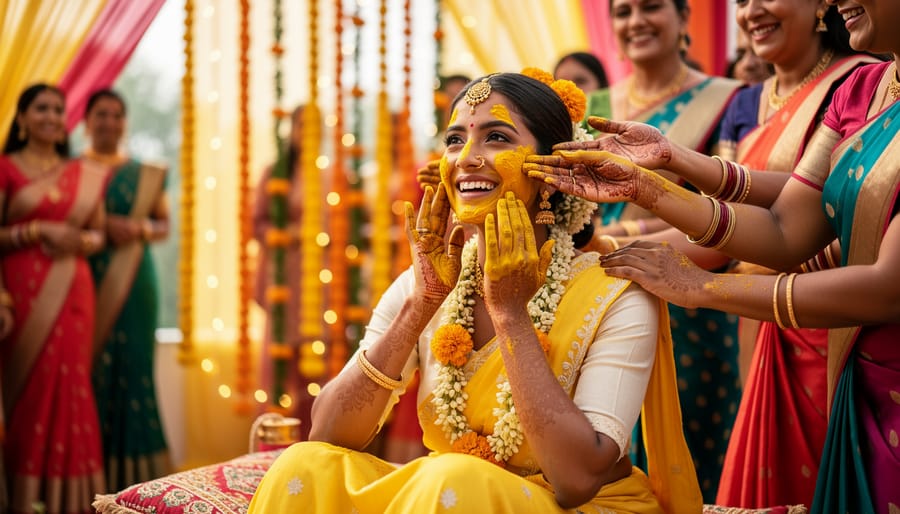
Picture this: you, surrounded by your closest friends, laughing as they lovingly smear golden turmeric paste across your skin. The Haldi ceremony is one of India’s most cherished pre-wedding traditions, and honestly, it’s skincare goals wrapped in centuries of wisdom.
This ritual involves applying a mixture of turmeric, sandalwood, and rose water to the bride’s face and body, creating that coveted natural glow. Turmeric is packed with anti-inflammatory properties and antioxidants that brighten skin, reduce blemishes, and give you that lit-from-within radiance. Talk about ancient bridal beauty secrets that actually work.
Modern brides are reimagining this tradition in beautiful ways. Some are hosting intimate Haldi parties with Instagram-worthy decor featuring marigolds and yellow accents. Others are incorporating turmeric face masks into their regular skincare routines leading up to their big day, whether they’re having a traditional Indian wedding or not. The beauty of this ritual is its adaptability. You can embrace it fully or simply add a turmeric treatment to your self-care Sunday, honoring the tradition while making it uniquely yours.
Hammam Spa Traditions: Middle Eastern Purification
Step into the steam-filled sanctuary of a traditional hammam, and you’ll discover an ancient Middle Eastern purification ritual that’s been nurturing body and soul for centuries. This isn’t just about getting clean—it’s a complete sensory experience that honors the transformative power of water, heat, and intentional touch.
The traditional hammam journey typically unfolds in three temperature-controlled rooms, where the gradual warming opens your pores and prepares your skin for the signature exfoliation ritual. Using a rough mitt called a kessa, attendants scrub away dead skin cells in long, rhythmic strokes that leave you feeling completely renewed. Many modern spas now offer hammam-inspired treatments, bringing this communal wellness practice into contemporary settings.
What makes the hammam so special is its celebration of the body as sacred. Historically, these steam baths served as gathering spaces where women could connect, share stories, and support one another—a beautiful tradition of community care. Today, you can recreate elements of this ritual at home with a hot shower, gentle dry brushing, and luxurious oils. Whether you visit a traditional bathhouse or adapt the practice to your own bathroom, the hammam reminds us that self-care rituals can be both deeply personal and culturally meaningful.
Japanese Bride’s Rice Water Secret
For centuries, Japanese brides have turned to a surprisingly simple ingredient for their pre-wedding glow: fermented rice water. This treasured practice among Japanese beauty traditions harnesses the natural power of rice to create luminous skin and silky hair that photographs beautifully.
The secret lies in fermentation. When rice water sits for 24-48 hours, it develops nutrients and antioxidants that strengthen hair and brighten your complexion. Ready to try it yourself? Rinse half a cup of rice thoroughly, then soak it in two cups of water for 30 minutes. Strain the liquid and let it ferment at room temperature for a day or two until it smells slightly sour.
Use this precious elixir as a final hair rinse after shampooing for glossy, stronger strands, or apply it as a facial toner using cotton pads. Many brides start this ritual weeks before their big day, but honestly, it works wonders for any special occasion when you want that extra radiance. Store your rice water in the fridge for up to a week and watch your skin transform with this empowering, budget-friendly beauty practice.
Coming-of-Age Beauty Ceremonies
Quinceañera Makeup Transformation
In Latin American culture, the quinceañera marks a young woman’s transition from childhood to adulthood at age fifteen, and the makeup transformation is one of the most symbolic moments of this celebration. Traditionally, the quinceañera begins her special day with a fresh, natural face, representing her youth and innocence. As the ceremony approaches, she receives her first formal makeup application, often performed by her mother, godmother, or a close female relative, symbolizing her emergence into womanhood.
This beautiful ritual carries deep emotional weight, creating an intimate moment of connection between generations of women. The makeup itself typically features soft, romantic elements like rosy cheeks, delicate eyeshadow, and a touch of pink or nude lipstick, balancing elegance with age-appropriate beauty.
Today’s quinceañeras are putting fresh spins on this tradition while honoring its significance. Many are choosing professional makeup artists who specialize in creating looks that reflect their personal style, whether that’s classic glamour, natural radiance, or bold contemporary aesthetics. Some families are incorporating this ritual into pre-celebration getting-ready parties, turning it into a cherished bonding experience with close friends and family members.
The makeup transformation represents more than beauty enhancement. It’s about stepping into your power, celebrating your heritage, and marking life’s meaningful transitions with intention. Whether you’re experiencing this tradition firsthand or drawing inspiration from its symbolism, the quinceañera makeup ritual reminds us that transformation can be both deeply personal and beautifully communal.
Korean Coming-of-Age Day Beauty Prep
In South Korea, turning twenty is a milestone worth celebrating in style, and the beauty rituals surrounding Coming-of-Age Day (Seong-in-nal) are absolutely gorgeous. Traditionally celebrated on the third Monday of May, this special day marks the official transition into adulthood, and Korean beauty culture has transformed it into an artful celebration of self-care and preparation.
The beauty prep typically begins weeks in advance with an intensive skincare routine that embodies the famous Korean glass skin philosophy. Think multiple layers of hydrating essences, sheet masks practically every evening, and gentle exfoliating treatments to achieve that coveted luminous glow. Many young women visit skincare clinics for professional facials or LED light therapy sessions, treating their skin with the reverence this milestone deserves.
On the actual day, makeup tends toward a soft, natural elegance rather than anything too dramatic. The focus is on enhancing natural beauty with dewy foundations, subtle peachy blush placed high on the cheekbones, and delicate eye makeup in warm browns or soft corals. The iconic Korean gradient lip look, featuring a just-bitten flush of color, completes the youthful, fresh appearance.
What makes this tradition so inspiring is how it honors both personal growth and cultural heritage. Young women often coordinate their beauty looks with traditional hanbok attire, creating a stunning bridge between past and present. Whether you’re approaching your own milestone birthday or simply appreciate the intention behind these rituals, there’s something empowering about dedicating time to celebrate yourself through thoughtful beauty practices that honor where you’ve been and where you’re going.
Festival and Holiday Beauty Traditions
Henna Art for Eid and Diwali
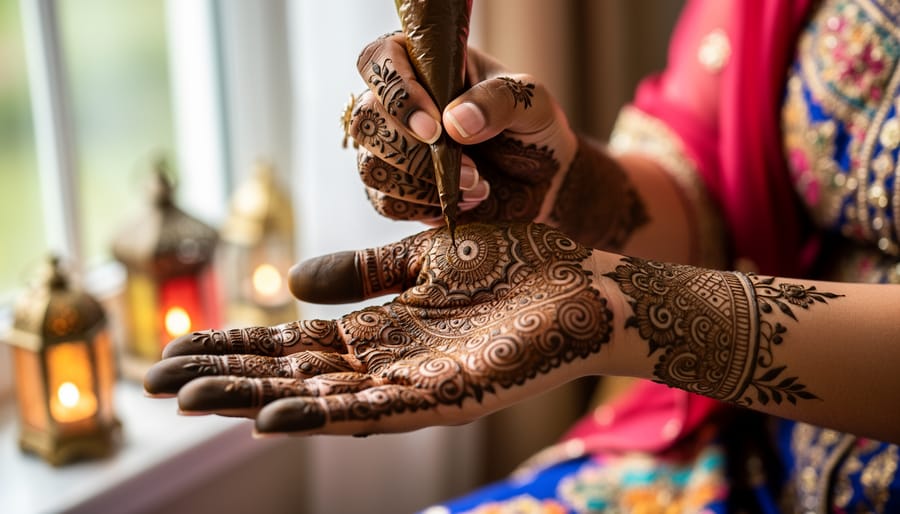
There’s something absolutely magical about adorning your hands and feet with intricate henna designs, especially during Eid and Diwali celebrations. This ancient art form, known as mehndi, transforms your skin into a canvas of stunning patterns that tell stories of joy, prosperity, and new beginnings. Traditionally, the deep reddish-brown stains symbolize luck and positive energy, with brides often sporting the most elaborate designs that can take hours to complete.
What makes henna art so empowering is how it’s evolved to reflect your personal style. While traditional paisley motifs and floral vines remain timeless favorites, contemporary designs now incorporate geometric patterns, minimalist lines, and even custom elements that speak to your individual journey. Many women are mixing cultural traditions, blending Arabic bold strokes with Indian delicate details, creating something uniquely theirs.
The application itself becomes a beautiful ritual of self-care and community. Whether you’re gathering with friends for a pre-celebration henna party or treating yourself to a solo session, there’s something deeply meditative about watching the paste dry and anticipating your final design. The best part? Henna art welcomes everyone, regardless of cultural background, making it a wonderfully inclusive way to celebrate life’s special moments with intention and beauty.
Lunar New Year Red Lip Ritual
In many Asian cultures, red represents more than just a vibrant color—it’s a powerful symbol of joy, prosperity, and protection against negative energy. During Lunar New Year celebrations, wearing red lipstick becomes a meaningful ritual that connects generations and welcomes abundance into the new year.
This beautiful tradition goes beyond simply choosing a bold shade. The act of applying red lip color on New Year’s Day is believed to attract good fortune and set positive intentions for the months ahead. It’s a moment of self-care that doubles as a spiritual practice, reminding us that beauty rituals can hold deeper significance.
You don’t need to have Asian heritage to appreciate and respectfully participate in this empowering tradition. Consider incorporating a red lip into your own New Year celebrations—whether that’s Lunar New Year, January 1st, or a personal milestone. Choose a shade that makes you feel confident and powerful, from classic cherry red to deeper burgundy tones. As you apply it, take a moment to reflect on your hopes and intentions for the coming year. This simple ritual transforms your makeup routine into a mindful practice, blending cultural wisdom with personal empowerment in the most gorgeous way.
Día de los Muertos Face Painting
The stunning sugar skull face painting tradition associated with Día de los Muertos is so much more than a beauty trend. This deeply meaningful Mexican custom honors departed loved ones through vibrant designs featuring intricate flowers, hearts, and geometric patterns that transform faces into living tributes.
Understanding the cultural significance is essential before creating these looks. The colorful designs celebrate life rather than mourn death, reflecting the belief that our ancestors return to visit during this sacred time. Each element carries meaning: marigolds represent the fragility of life, while hearts symbolize love that transcends death.
When creating your own sugar skull makeup, approach it with genuine respect and appreciation. Start with a white base, then add symmetrical black outlines around the eyes and nose. Incorporate bright colors like pink, purple, and turquoise for floral accents and decorative swirls. The beauty lies in the details, whether you’re honoring your own heritage or participating in community celebrations with permission and understanding.
This tradition reminds us that beauty rituals can connect us to something larger than ourselves, creating meaningful moments while celebrating the rich tapestry of global cultures.
Self-Care Rituals for Personal Milestones
The Gratitude Facial: Honoring Your Journey
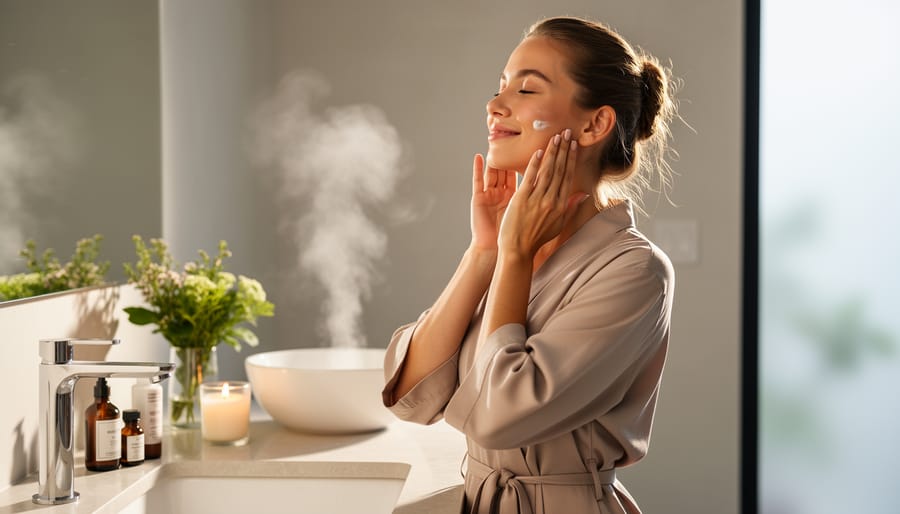
Sometimes the most powerful rituals we can create are the ones that honor ourselves. The Gratitude Facial is a beautiful practice that transforms your evening skincare routine into a celebration of everything you’ve accomplished, big and small.
Here’s how to make it yours: As you cleanse your face, visualize washing away self-doubt and comparison. With each circular motion, acknowledge one thing you’re grateful for about yourself. Maybe it’s how you showed up for a friend, rocked that presentation, or simply got through a tough day.
While applying your serum, look into the mirror and offer yourself three genuine compliments. Not about your appearance, but about who you are as a person. Your resilience. Your creativity. Your kindness. Let each drop of product represent affirmation sinking deep into your consciousness.
As you moisturize, set an intention for tomorrow. What energy do you want to carry forward? What story do you want to write next?
This ritual isn’t about perfection or expensive products. It’s about pausing to recognize your journey and treating yourself with the same tenderness you’d offer your closest friend. Practice it weekly, monthly, or whenever you need that reminder of your own magic.
Creating Your Signature Scent Ritual
Creating your own signature scent ritual can be a transformative practice that marks the chapters of your life while building unshakeable confidence. Think of it as your personal ceremony, one that evolves with you through first dates, job interviews, and milestone celebrations.
Start by selecting three fragrances that represent different facets of your personality. Your base scent might be something grounding and familiar, while your middle and top notes can reflect your mood or the occasion. Apply them in layers, beginning at your pulse points, taking a moment with each application to set an intention for the day ahead.
The beauty of this ritual lies in its flexibility. Some women save their most luxurious scent combinations for major life transitions like graduations or career moves, while others create daily practices that center them each morning. You might light a candle, play a favorite song, or stand before a mirror and speak affirmations as you apply your chosen fragrances.
What makes this ritual truly yours is the meaning you attach to it. Perhaps you layer rose and vanilla before important conversations, or reserve a particular combination for celebrating personal victories. Over time, these scent memories become anchors of strength, reminding you of every challenge you’ve conquered and every dream you’re still chasing.
Making Ancient Rituals Work for Modern Life
Here’s the beautiful truth: you don’t need to overhaul your entire life to honor ancient beauty wisdom. The magic happens when you thoughtfully weave these meaningful practices into your existing routine, respecting their origins while making them work for your schedule.
Start small and intentional. If a full Japanese skincare ritual feels overwhelming on a Tuesday morning, begin with the double-cleanse method on weekends when you have more time. The key is consistency over perfection. Maybe you light a candle during your skincare routine as a nod to ceremonial practices, creating that mindful moment even in five minutes.
When adapting any traditional ritual, take time to understand its cultural significance first. This isn’t about cherry-picking what looks aesthetic for social media, it’s about genuine appreciation and respect. Read about the practice, understand why communities have valued it for generations, and acknowledge its roots every time you incorporate it into your routine.
Consider your personal connection too. Perhaps your grandmother used rosewater, or you’ve always been drawn to Moroccan hammam traditions after a transformative trip. These authentic connections make rituals more meaningful and sustainable in your daily life.
Adapt ingredients and timing to fit your reality. Can’t source traditional clay? Research ethical alternatives that honor the original practice. Short on time? The Indian practice of oil massage can become a quick five-minute scalp treatment before your shower rather than an hour-long ritual.
Remember, these practices survived centuries because they were flexible and personal. Your modern interpretation, when done with respect and intention, becomes part of their continuing story. You’re not diluting tradition, you’re keeping it alive.
As we explore these beautiful traditions from around the world, remember that every ritual, whether passed down through generations or created in your own bathroom this morning, is an opportunity to honor yourself. These traditional beauty practices remind us that self-care isn’t selfish—it’s sacred. They’re love letters written across time, connecting us to the women who came before us while empowering us to write our own stories.
You don’t need to follow these rituals exactly as they’ve been practiced for centuries. The magic lies in understanding their intention and making them your own. Maybe you’ll incorporate the mindfulness of a Japanese skincare routine into your morning, or channel the communal spirit of a Moroccan hammam by sharing a spa day with friends. Perhaps you’ll create something entirely new, blending inspiration from different cultures with your personal style and needs.
What matters most is that you show up for yourself with intention. Your beauty rituals can be as simple as lighting a candle while applying moisturizer or as elaborate as a full ceremonial bath. There’s no right or wrong way to celebrate yourself.
So be bold. Mix tradition with innovation. Honor your heritage while embracing your individuality. Let these practices remind you that taking time for beauty and self-care isn’t vanity—it’s a profound act of self-love that connects you to something larger than yourself. You deserve these moments of grace, reflection, and celebration.
You may also like
-
How to Choose Personalized Wedding Gifts: A Buying Guide for 2026
-
How to Choose Personalized Housewarming Gifts: A Buying Guide for Every Style
-
How to Choose a Personalized Stamp at Staples: A Buying Guide
-
Father’s Day Fashion Gifts That Make Him Look (and Feel) Like a Million Bucks
-
15 Mother’s Day 2026 Fashion & Gift Ideas for the Stylish Mom