
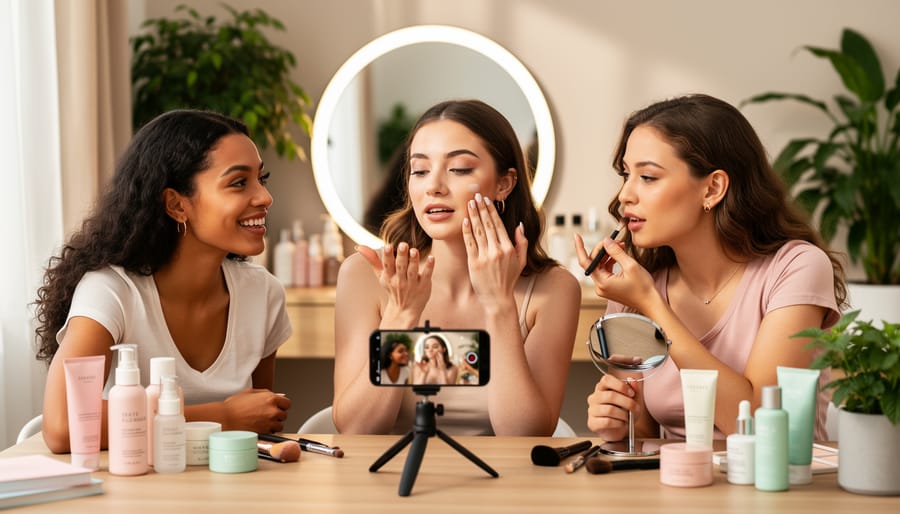
Gen Z beauty influencers have fundamentally reshaped the industry by prioritizing authenticity, social activism, and experimental creativity over the polished perfection that defined previous generations. These digital creators, born roughly between 1997 and 2012, command audiences in the millions and drive purchasing decisions worth billions, wielding influence that extends far beyond product recommendations into brand values, ingredient transparency, and inclusive shade ranges. Unlike millennial influencers who built followings on YouTube tutorials and Instagram feeds, Gen Z creators thrive on TikTok’s raw, unfiltered format, where a 30-second skin-cycling routine can generate more engagement than a professionally lit review.
What sets this generation apart is their refusal to separate beauty from bigger conversations. They call out brands for performative allyship, champion sustainability, and build communities around shared identities rather than aspirational lifestyles. The relationship between beauty influencers and high fashion continues to evolve as Gen Z creators blur the lines between makeup artistry and wearable art.
This shift represents more than a generational handoff. It’s a complete rewrite of who gets to define beauty standards, which platforms matter, and how brands must show up to earn trust. Whether you’re discovering new products, building your own platform, or simply curious about where beauty culture is headed, understanding Gen Z influencers means understanding the future of the entire industry.
What Makes Gen Z Beauty Influencers Different
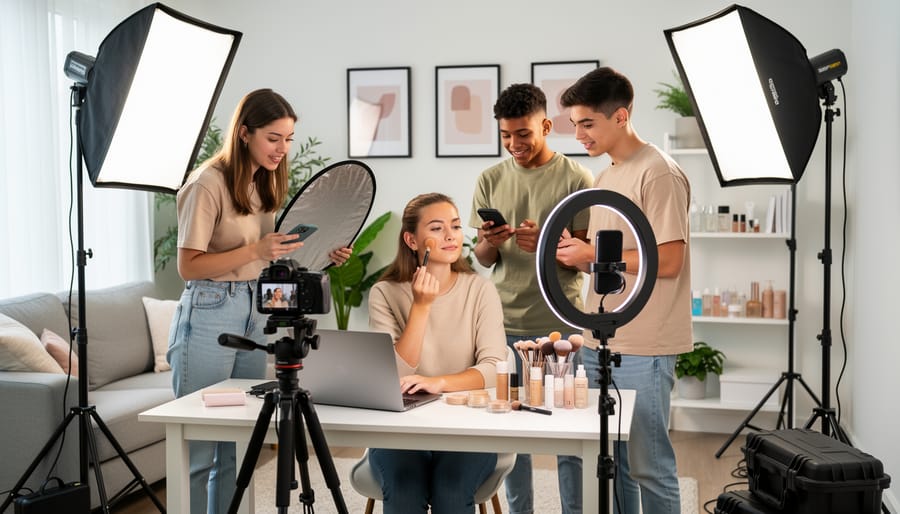
Gen Z beauty influencers have fundamentally shifted what beauty content looks like, sounds like, and stands for. Where previous generations of creators built careers on aspirational perfection and heavily edited imagery, this demographic has turned the entire playbook upside down. They show up with minimal makeup, talk openly about skin texture and acne, and build massive followings by being refreshingly, sometimes uncomfortably, real.
This generation grew up watching the highly curated Instagram aesthetic of millennial influencers, then consciously rejected it. They’ve watched enough sponsored content to develop a keen radar for inauthenticity, and they’re not afraid to call it out. When a Gen Z creator partners with a brand, their audience expects full transparency about the relationship, honest opinions about the product, and a genuine explanation of why they chose to collaborate. Anything less feels like a betrayal of the trust they’ve built.
What truly sets these creators apart goes beyond just being camera-ready without filters. Their approach to beauty content reflects a deeper shift in values:
- Unfiltered authenticity: showing skin texture, breakouts, and the reality behind “getting ready” content
- Diversity as default: championing inclusive shade ranges and calling out brands that ignore darker skin tones
- Platform fluency: seamlessly adapting content style for TikTok, Instagram, YouTube, and emerging platforms
- Social consciousness: connecting beauty choices to sustainability, ethical sourcing, and brand values
- Transparent sponsorships: clearly disclosing partnerships and maintaining honest reviews even with paid collaborations
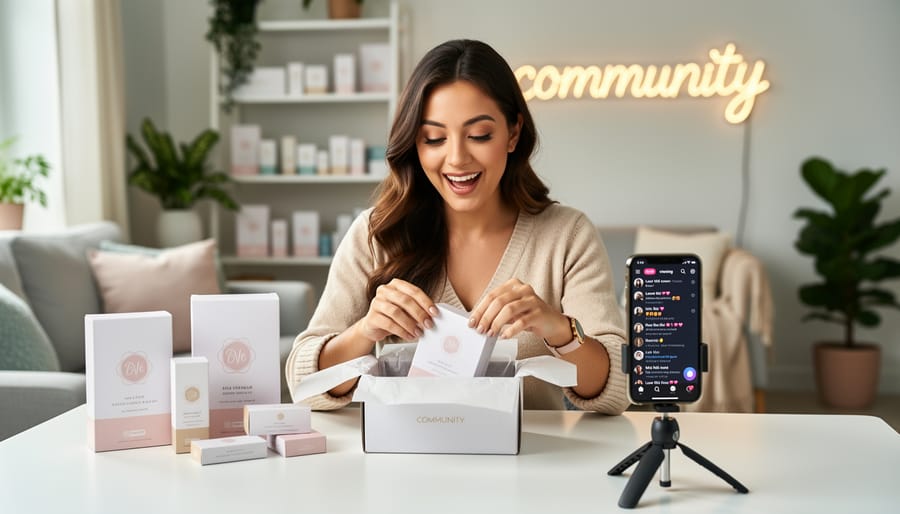
- Community over followers: building genuine two-way conversations rather than broadcasting to passive audiences
Perhaps most significantly, Gen Z beauty creators have rejected the narrow beauty standards that dominated the industry for decades. They celebrate features that were previously dismissed or hidden, from freckles and gap teeth to body hair and unconventional makeup applications. A Gen Z influencer might demonstrate a foundation routine one day and post completely bare-faced the next, sending the message that beauty exists across the spectrum, not at a single polished endpoint.
This comfort with contradiction extends to their content approach as well. They’ll create a detailed tutorial using high-end products, then follow it with a drugstore dupe video. They champion self-expression through makeup while simultaneously advocating for self-acceptance without it. This nuanced, sometimes messy authenticity resonates because it mirrors how their audience actually lives.
The Platforms Where Gen Z Beauty Influence Thrives
TikTok: The New Beauty Discovery Engine
TikTok has fundamentally changed how beauty products go from unknown to sold out. The platform’s algorithm doesn’t care about follower count, it prioritizes watch time and engagement, meaning a creator with 5,000 followers can launch a trend that reaches millions overnight. This levels the playing field in ways that directly shape the digital future of beauty marketing.
The numbers tell the story: 67% of TikTok users discover new products on the platform, and beauty is the second-most-engaged category. When a Gen Z creator demonstrates a product in a 30-second video, showing real results, not studio lighting, viewers screenshot, share, and purchase. The Ordinary’s AHA peeling solution became a cult product not through ads but through countless TikTok reviews showing actual before-and-after skin texture.
Short-form video forces honesty. You can’t fake how a foundation oxidizes over six hours or whether a mascara smudges by midday. Gen Z creators film their routines in real bathrooms with natural light, and their audiences trust this rawness more than any polished campaign ever achieved.
Instagram and YouTube: Still Relevant, Just Evolved
Instagram and YouTube haven’t disappeared from Gen Z’s beauty playbook, they’ve transformed. On Instagram, static feed posts have given way to Reels-first strategies, with creators like Mikayla Nogueira building entire empires on 15-second makeup reviews that feel more like conversations with a friend than polished advertisements. Stories now serve as behind-the-scenes reality checks, where influencers share unfiltered product fails and real skin texture.
YouTube’s evolution is equally strategic. Gen Z beauty creators use the platform for deeper dives, ingredient breakdowns, technique tutorials, and longer product testing that TikTok’s format can’t accommodate. But gone are the 20-minute sit-down vlogs. Today’s successful YouTube beauty content runs 8-12 minutes, jumps straight into the hook, and maintains TikTok-level pacing throughout.
The shift matters for brands because these platforms now function as trust-building ecosystems rather than discovery engines. Gen Z uses them to verify influencers they found on TikTok, checking for consistency between the viral moment and sustained expertise. It’s where fleeting trends get tested against long-term credibility.
The Real Numbers Behind Their Influence
The business case for partnering with Gen Z beauty influencers isn’t just hype. It’s backed by metrics that make traditional advertising look wasteful by comparison.
When a Gen Z creator recommends a product, their followers convert at rates between 3-5%, dramatically outpacing the typical 1% benchmark for digital ads. More importantly, these purchases happen fast. Nearly 60% of Gen Z consumers have bought a beauty product within 24 hours of seeing it recommended by a creator they trust. That immediacy reshapes how brands need to think about inventory and launch strategies.
The shift toward smaller creators is where the numbers get really interesting. Brands that invested in micro-influencers improved ROI by as much as 60% compared to campaigns featuring celebrity endorsers or mega-influencers. A creator with 50,000 engaged followers typically generates better cost-per-acquisition than one with five million passive ones.
The purchasing behavior reveals even more. Gen Z doesn’t just buy once. When they find a creator whose recommendations consistently deliver, 47% become repeat customers of the brands that creator features. They’re building trust-based shopping habits, not chasing one-off trends.
For beauty brands, this translates into measurable growth that board members actually care about. Companies working consistently with Gen Z creators report 23-40% increases in sales among the 18-26 demographic within six months. That’s not reach or impressions or vanity metrics. It’s revenue growth.
The cost efficiency matters too. A campaign with ten micro-influencers might cost what a brand previously spent on a single magazine ad placement, but it generates trackable purchases, authentic content the brand can repurpose, and ongoing relationships rather than a one-time exposure.
What makes these numbers sustainable is that Gen Z audiences can spot a forced partnership immediately. The metrics only work when the match feels genuine, which is why brands can’t just throw money at any creator with followers and expect results.
Brands That Are Winning With Gen Z Creators
Fenty Beauty remains the gold standard for Gen Z influencer collaboration, having built its entire launch strategy around diverse micro-influencers rather than celebrity endorsements. The brand partnered with creators across skin tones and gender identities, sending PR packages to influencers with followings ranging from 10,000 to 500,000. The result? A 500% return on initial influencer investment and $100 million in sales within the first 40 days. What worked was giving creators genuine creative freedom and selecting partners whose values already aligned with Fenty’s inclusive mission.
| Brand | Strategy Type | Influencer Tier | Results Achieved |
|---|---|---|---|
| Fenty Beauty | Micro-influencer seeding | 10K-500K followers | $100M in 40 days |
| Glossier | Community-driven UGC | Nano to micro | 70% sales from peer recommendations |
| Rare Beauty | Mental health advocacy partnerships | Mid-tier (50K-1M) | 42% engagement rate increase |
| e.l.f. Cosmetics | TikTok trend creation | Primarily micro | 6 billion #eyeslipsface views |
Glossier took a different approach by turning customers into influencers, building a referral program that rewarded everyday users for authentic content creation. Their “Glossier Reps” program gave commission to anyone willing to share genuine product experiences, effectively mobilizing an army of nano-influencers. This strategy drove 70% of their sales through peer recommendations rather than traditional advertising.
Rare Beauty’s partnership strategy centered on mental health advocacy, selecting Gen Z creators who openly discussed wellness alongside beauty. By aligning with influencers like Mikayla Nogueira who balance product reviews with personal authenticity, the brand achieved engagement rates 42% higher than traditional beauty campaigns.
e.l.f. Cosmetics nailed the viral moment strategy with their #eyeslipsface TikTok campaign, partnering with creators to develop an original song that became a cultural phenomenon. The campaign generated 6 billion views and positioned e.l.f. as the affordable option Gen Z actually wants, not settles for. Even high fashion partnerships have taken note, with luxury brands now mimicking this grassroots approach.
The common thread? These winning brands gave up control, trusted creators’ instincts about their audiences, and measured success by engagement and community building rather than just immediate sales conversions.
What Gen Z Followers Actually Want From Beauty Content
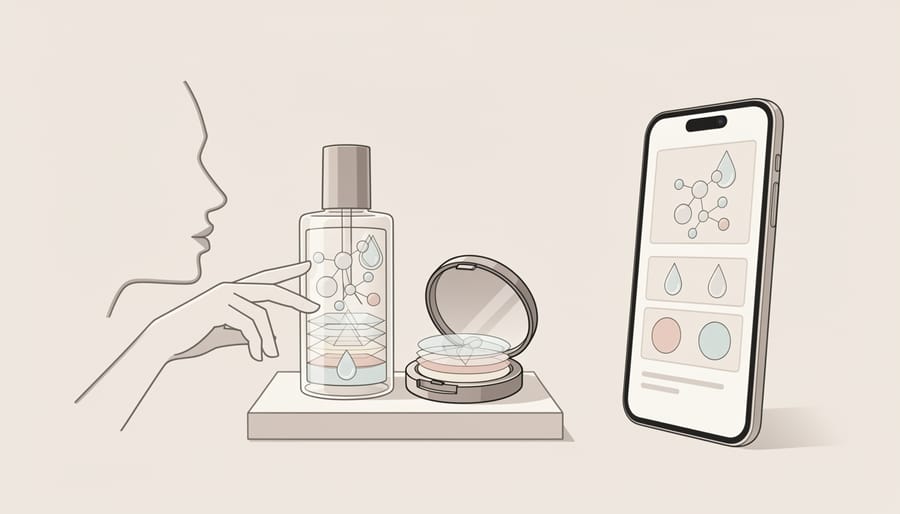
Gen Z beauty audiences have fundamentally different expectations than previous generations, and influencers who ignore these preferences quickly lose credibility. Transparency isn’t just appreciated, it’s demanded. Followers expect full ingredient breakdowns, honest discussions about potential skin reactions, and clear disclosure of sponsored content. A beauty creator who glosses over a product’s drawbacks or hides a paid partnership will face swift backlash in the comments.
Inclusivity means more than token representation. Gen Z wants to see shade ranges that genuinely serve all skin tones, not just five beige variations marketed as “inclusive.” They expect beauty content creators to address concerns for different skin types, textures, and conditions without defaulting to one narrow beauty ideal. When an influencer tests a foundation and only shows how it looks on their own medium skin tone without acknowledging the brand’s limited range, followers notice and call it out.
Sustainability concerns extend beyond buzzwords. Gen Z followers research whether brands actually follow through on environmental claims, and they value creators who connect beauty choices to broader lifestyle ethics like sustainable modern style. They want real information about packaging waste, cruelty-free certifications, and whether a “clean beauty” label has any substance behind it.
The demand for genuine reviews over polished advertisements shapes every successful Gen Z beauty creator’s content. Audiences prefer seeing products tested in natural lighting with unfiltered skin close-ups over perfectly lit studio shots that hide texture and imperfections. They trust a creator who shows a mascara smudging by midday or a highlighter that emphasizes pores more than one who presents every product as flawless.
This generation values education over aspiration. They want to understand why a specific ingredient works for their concerns, how to build a routine that fits their budget, and what realistic results look like over time, not fantasy transformations that require professional makeup artistry and heavy editing.
How Traditional Beauty Brands Are Adapting (Or Failing To)
The divide between beauty industry winners and losers in 2026 comes down to one thing: how willing they are to genuinely listen. Legacy brands that grew up on glossy magazine spreads and celebrity spokespeople are discovering their old playbook doesn’t work with Gen Z creators who can smell inauthenticity from a mile away.
Brands like Fenty Beauty and Glossier, though not exactly legacy, proved early that building products based on real community feedback rather than lab-created trends creates fierce loyalty. Now older players are scrambling to catch up. Some are succeeding. Maybelline’s collaboration with micro-influencers for the Sky High mascara launch showed they’d learned to let creators tell authentic stories rather than forcing scripted talking points. The campaign generated genuine buzz because influencers had creative freedom and actually loved the product.
But for every success, there’s a cringe-worthy failure. Brands that treat Gen Z influencers like walking billboards, demanding multiple approval rounds, restricting honest reviews, or worse, asking them to promote products that don’t align with their values, find themselves on the receiving end of very public call-outs. One luxury skincare brand faced backlash when creators exposed their NDA requiring positive-only reviews, regardless of actual results.
The stakes couldn’t be higher. Gen Z controls increasing purchasing power and influences even more through their parents and older siblings. Brands resisting this shift aren’t just missing sales, they’re becoming irrelevant. The ones thriving have embraced transparency, reformulated products based on creator feedback, expanded shade ranges after community pressure, and accepted that control has shifted from boardrooms to bedrooms where real people create content.
What This Means for You as a Beauty Enthusiast
You can leverage Gen Z beauty influencers’ expertise by getting strategic about who you follow and how you engage. Start by looking for creators who show their failures alongside their successes, someone who posts about a foundation that oxidized on them or a skincare product that broke them out is far more valuable than accounts with nothing but flawless reviews. Check their comment sections; genuine influencers respond to questions, acknowledge when they’re wrong, and build actual conversations rather than broadcasting into the void.
When evaluating which Gen Z creators deserve your attention and trust, consider these markers of authenticity:
- They disclose all partnerships clearly and review non-sponsored products regularly
- Their content shows real skin texture, lighting variations, and honest before-and-afters
- They discuss ingredients, formulations, and why products work (or don’t) for specific concerns
- Their values align with yours, whether that’s cruelty-free testing, inclusive shade ranges, or a commitment to sustainability in your wardrobe and beauty routine
- They engage meaningfully with their community rather than just posting and disappearing
Don’t just consume passively. Ask questions in comments, share what worked (or didn’t) for you, and contribute your own experiences. This shift from audience member to community participant is what makes the Gen Z beauty landscape different, your voice and perspective matter as much as the influencer’s. The democratization of beauty expertise means you’re not just receiving advice; you’re part of a collective exchange where everyone’s real experiences build a more honest, helpful resource for all of us.
The beauty industry you’re witnessing today looks fundamentally different because Gen Z influencers refused to accept the old rulebook. They’ve torn down the gatekeeping that once decided whose beauty mattered, replacing it with a sprawling, chaotic, beautiful democracy where real skin texture gets as much airtime as airbrushed perfection.
This shift isn’t just feel-good rhetoric. Brands are seeing genuine growth when they partner with creators who celebrate stretch marks, acne, vitiligo, and every shade in between. The numbers prove what Gen Z knew instinctively: people buy from people they trust, and trust comes from seeing themselves reflected honestly.
Your relationship with beauty content can be different now. You don’t need to passively absorb what brands want you to believe. Follow creators who look like you, share your values, and aren’t afraid to call out products that don’t deliver. Ask questions. Demand ingredient lists. Expect inclusivity as baseline, not bonus points.
Gen Z beauty influencers have handed you permission to define beauty on your own terms while staying informed about what you’re putting on your skin. That’s not disruption for disruption’s sake, it’s empowerment with a purchase button attached, and it’s rewriting what success looks like for everyone involved.
You may also like
-
What Is Fashion Journalism (and How Does It Shape the Industry)?
-
What Is Innovation in the Beauty Industry (and How Is Technology Changing It)?
-
Your Digital Footprint: What It Is, How to Manage It, and Where to Get Support
-
What Is Native American Textile Art (and How Indigenous Techniques Are Being Revived)?
-
What Is This Renewable Resource Made from Rotting Plant Material? (And How It’s Transforming Fashion)