
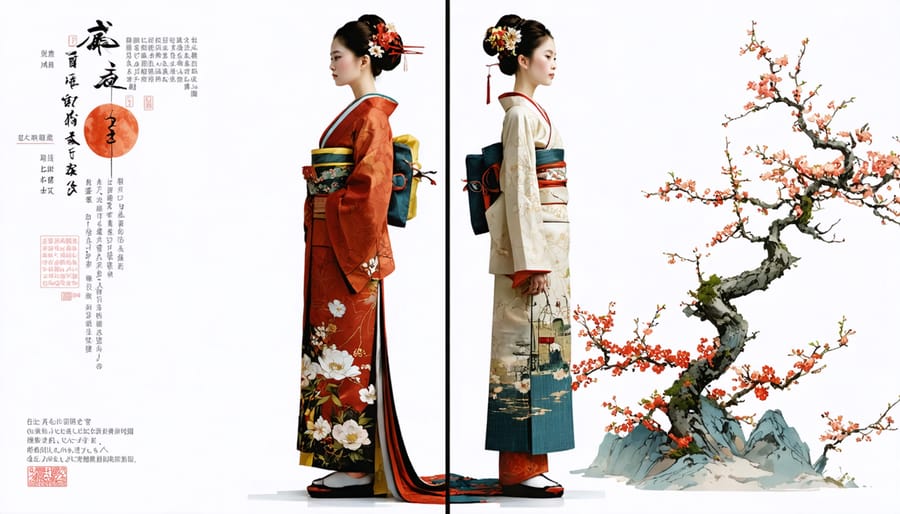
Step into the kaleidoscopic world of Japanese fashion, where centuries-old kimono traditions dance seamlessly with avant-garde street style, creating a unique cultural tapestry that continues to captivate global audiences. From the bustling streets of Harajuku to the refined boutiques of Ginza, Japanese fashion culture stands as a powerful testament to the nation’s ability to honor its heritage while fearlessly embracing innovation.
This distinctive fashion landscape hasn’t merely evolved—it’s revolutionized how we view the intersection of tradition and modernity. Kawaii culture mingles with corporate minimalism, while traditional craftsmanship influences cutting-edge designs, creating a fashion ecosystem unlike anywhere else in the world. Japanese designers have masterfully transformed cultural elements into contemporary statements, inspiring fashion enthusiasts and creators globally.
As we explore this fascinating realm, we’ll discover how Japanese fashion serves as more than just clothing—it’s a form of self-expression, social commentary, and cultural preservation all rolled into one vibrant package. Whether you’re drawn to the bold statements of Harajuku fashion or the subtle elegance of modern interpretations of traditional wear, Japanese fashion culture offers a unique lens through which to view the delicate balance between honoring the past and embracing the future.
The Evolution of Japanese Fashion Identity
From Kimono to Contemporary
Japanese fashion’s journey from traditional to contemporary showcases a fascinating cultural evolution in fashion that continues to inspire designers worldwide. The iconic kimono, once a daily necessity, has transformed into a source of endless creative inspiration. Modern Japanese designers like Yohji Yamamoto and Rei Kawakubo have masterfully reimagined traditional elements, incorporating obi-inspired belts, kimono-style wrapping, and traditional patterns into ready-to-wear collections.
Today’s street fashion in Harajuku and Shibuya demonstrates how young fashionistas blend ancestral influences with contemporary trends. You might spot a cropped haori jacket paired with distressed jeans, or a yukata-inspired dress modernized with sneakers and a leather jacket. This fusion approach has created uniquely Japanese fashion subcultures that celebrate both heritage and innovation.
The transformation hasn’t just influenced clothing – traditional textile techniques like shibori and traditions of mindful dressing continue to shape sustainable fashion movements. These elements prove that cultural preservation and modern expression can coexist beautifully in your wardrobe.
Cultural Symbols in Modern Design
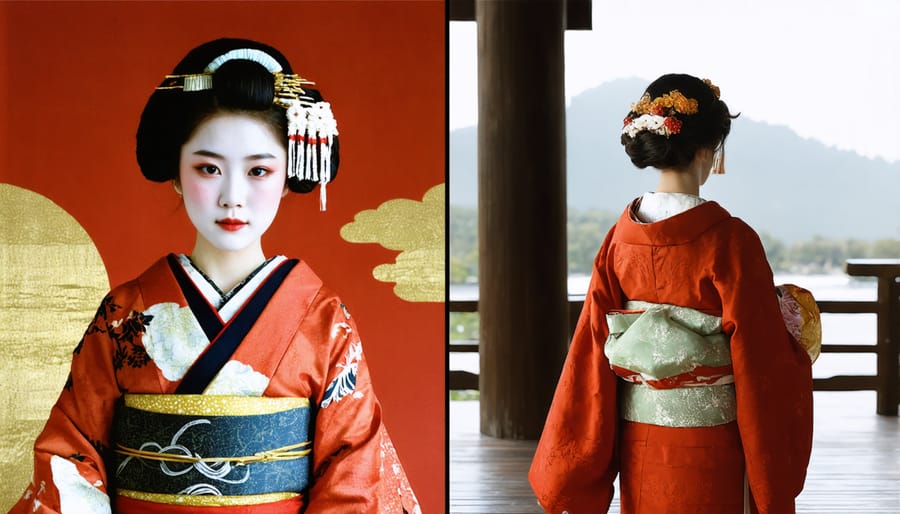
Japanese designers have mastered the art of weaving traditional symbols into contemporary fashion in ways that feel both fresh and respectful. Cherry blossoms, origami-inspired pleating, and dragon motifs aren’t just printed onto fabrics – they’re reimagined through innovative cuts, textures, and silhouettes. Modern streetwear brands frequently incorporate kanji characters and ukiyo-e artwork, while luxury labels draw inspiration from kimono patterns and obi belt designs.
What’s particularly exciting is how these cultural elements are being interpreted by a new generation of designers. Traditional indigo dyeing techniques (shibori) are finding new life in denim collections, while ancient symbols like the chrysanthemum appear on everything from bomber jackets to platform sneakers. This fusion creates pieces that speak to both heritage and innovation.
The beauty lies in how seamlessly these elements fit into everyday wear. A subtle wave pattern inspired by traditional paintings might appear on a minimalist dress, or a contemporary blazer might feature kimono-style wrapping – proving that cultural symbols can be both meaningful and wearable in our modern wardrobes.
Street Fashion as Cultural Expression
Harajuku’s Role in Cultural Preservation
Nestled in the heart of Tokyo, Harajuku has evolved from a simple shopping district into a vibrant sanctuary of cultural expression and preservation. This iconic neighborhood seamlessly blends Japan’s rich heritage with contemporary creativity, creating a unique space where traditional elements dance with modern interpretations. As one of the most influential global fashion influences, Harajuku demonstrates how style can serve as a powerful medium for cultural preservation.
Young designers and fashion enthusiasts gather here to reimagine traditional Japanese motifs, from kimono-inspired silhouettes to modern takes on traditional patterns and textiles. Street fashion tribes like the Lolitas, who draw inspiration from Victorian-era clothing while incorporating distinctly Japanese kawaii elements, showcase how cultural fusion can create something entirely new while honoring its roots.
What makes Harajuku truly special is its role as an incubator for emerging trends that respect cultural heritage. Local boutiques frequently collaborate with traditional craftsmen, ensuring ancient techniques find their place in contemporary fashion. This unique ecosystem has created a space where young people can explore their identity while maintaining connections to their cultural roots.
The district’s weekend fashion gatherings have become a living museum of sorts, where personal style statements often incorporate elements from Japan’s rich textile heritage, traditional color combinations, and historic symbolism. This organic preservation of culture through fashion has made Harajuku not just a shopping destination, but a crucial platform for keeping traditions alive in the modern world.
Modern Tribes and Traditional Values
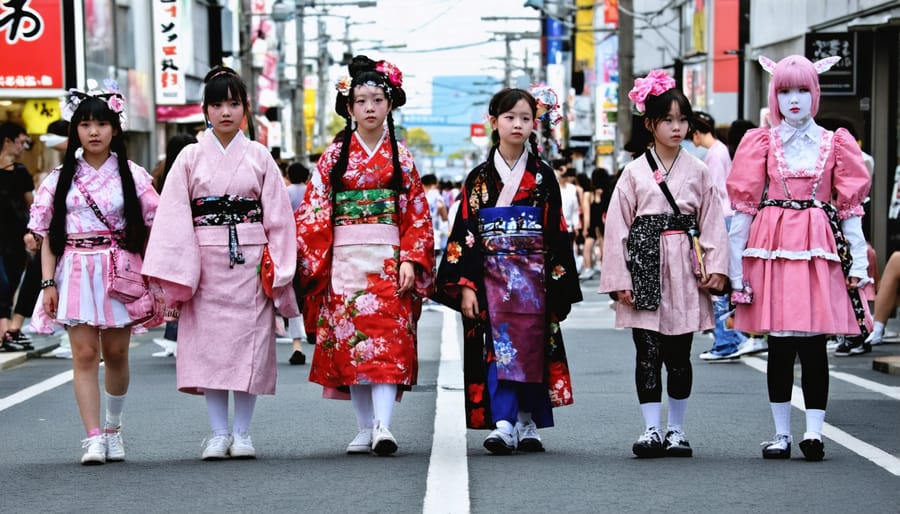
In today’s vibrant Japanese fashion scene, traditional values aren’t just preserved—they’re reimagined in exciting new ways by various style tribes. Take the Modern Kimono Movement, where young designers blend centuries-old silhouettes with contemporary streetwear elements, creating stunning hybrid looks that honor their heritage while pushing creative boundaries.
The Harajuku district continues to be a melting pot where traditional meets avant-garde. Here, you’ll find gothic lolitas incorporating delicate wagara (traditional Japanese patterns) into their elaborate coordinates, while streetwear enthusiasts mix vintage obi belts with oversized hoodies and sneakers. It’s a beautiful chaos that somehow makes perfect sense.
What’s particularly fascinating is how different subcultures interpret traditional elements in their unique ways. Kawaii fashion lovers might incorporate lucky charm motifs and traditional color combinations into their playful ensembles, while minimalist fashion tribes draw inspiration from zen aesthetics and traditional textile techniques.
These modern tribes aren’t just wearing clothes—they’re telling stories of cultural preservation through fashion. You’ll see sustainable fashion advocates championing traditional dying techniques like shibori, while others celebrate ancestral craftsmanship by incorporating handwoven fabrics into contemporary designs.
This beautiful fusion of old and new proves that traditional values aren’t static—they’re living, breathing elements that evolve with each generation while maintaining their cultural significance. It’s fashion that connects past and present, creating something entirely new yet deeply rooted in tradition.
Designer Perspectives
Craftsmanship and Heritage
In the heart of Japan’s fashion industry lies a profound respect for traditional craftsmanship that continues to influence modern design. Ancient techniques like shibori dyeing and kimono-making aren’t just preserved in museums – they’re being reimagined by contemporary designers who understand that true luxury lies in the details and dedication to craft.
Today’s Japanese fashion houses seamlessly blend centuries-old techniques with cutting-edge innovation. Take, for instance, the meticulous hand-pleating methods that have evolved from traditional origami, now used to create architectural designs that grace international runways. These artisanal approaches aren’t just about maintaining tradition; they’re about creating fashion with soul and story.
What makes Japanese craftsmanship truly special is the concept of ‘monozukuri’ – the art of making things with excellence and pride. From the precise pattern-cutting of a modern blazer to the hand-stitched details on a streetwear piece, this philosophy ensures that even contemporary fashion maintains the highest standards of quality.
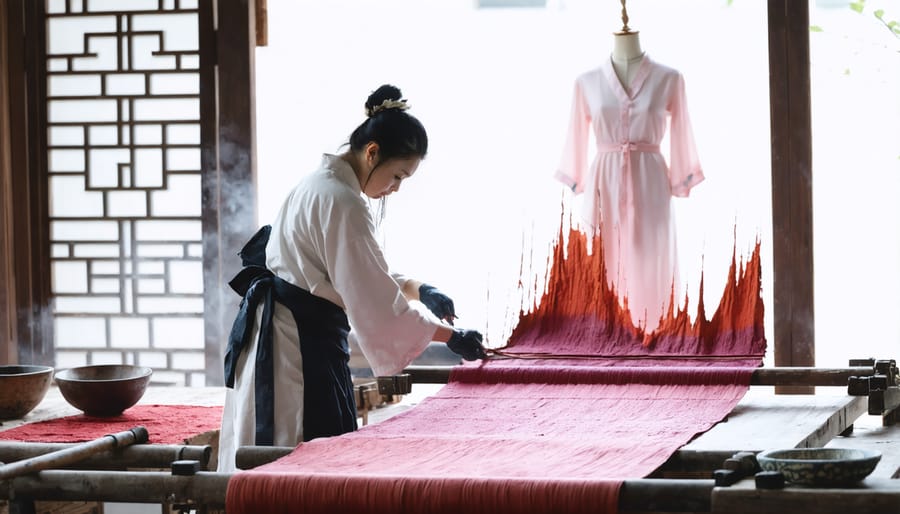
Young designers are particularly excited about incorporating traditional textile techniques like kasuri weaving and yuzen dyeing into their collections. They’re proving that heritage crafts can be both sustainable and stylish, speaking to a generation that values authenticity and environmental consciousness.
The beauty of Japanese fashion lies in this delicate balance – honoring the past while embracing the future. Whether it’s a hand-painted silk scarf or a technically advanced denim piece, each item carries the spirit of generations of craftspeople who’ve perfected their art. This commitment to excellence continues to inspire fashion lovers worldwide, making Japanese fashion not just about wearing clothes, but about carrying forward a legacy of craftsmanship.
Global Influence and Local Roots
Japanese fashion designers have mastered the delicate balance of honoring their heritage while making waves on the global stage. Their unique approach to cultural identity in fashion sets them apart, creating designs that speak both to their roots and to a worldwide audience.
Take iconic designers like Yohji Yamamoto and Rei Kawakubo, who revolutionized Paris Fashion Week with their avant-garde interpretations of traditional Japanese aesthetics. Their work demonstrates how elements like kimono-inspired draping and zen minimalism can be reimagined for contemporary wardrobes while maintaining their cultural essence.
Modern Japanese designers continue this tradition of innovation rooted in heritage. Labels like COMME des GARÇONS and Sacai blend centuries-old textile techniques with cutting-edge design, creating pieces that feel both timeless and revolutionary. Street fashion districts like Harajuku serve as living laboratories where young designers experiment with traditional motifs in bold, unexpected ways.
What makes Japanese fashion truly special is its ability to influence global trends while remaining distinctly Japanese. From the careful attention to detail and craftsmanship to the philosophical approach to design, these cultural values shine through even in the most modern collections. Local artisans and traditional textile makers collaborate with contemporary brands, ensuring ancient techniques like shibori dyeing and origami-inspired folding continue to evolve and inspire.
This harmonious blend of tradition and innovation has created a fashion ecosystem where the past and future coexist beautifully, inspiring designers and fashion lovers worldwide to embrace their own cultural heritage while pushing creative boundaries.
Wearing Culture: Everyday Fashion Practices
Modern Interpretations of Traditional Wear
Today’s Japanese fashion scene beautifully reimagines traditional elements in fresh, contemporary ways. Innovative designers are breathing new life into classic silhouettes, creating pieces that honor heritage while speaking to modern sensibilities. Take the modern kimono jacket, for instance – a versatile piece that’s become a favorite among fashion enthusiasts worldwide, perfect for both casual street style and elevated evening looks.
Young Japanese designers are particularly skilled at incorporating traditional patterns and motifs into everyday wear. Cherry blossoms, wave designs, and traditional shibori techniques appear on everything from casual t-shirts to haute couture pieces. This fusion creates clothing that carries cultural significance while remaining thoroughly modern and wearable.
The influence of traditional Japanese clothing extends beyond obvious adaptations. Contemporary Japanese streetwear often features wide-legged pants inspired by hakama, while modern wrap dresses take cues from the elegant lines of traditional kimono. Even accessories haven’t escaped this creative renaissance – traditional obi-inspired belts and modernized geta sandals are making waves in fashion-forward circles.
What’s particularly exciting is how these modern interpretations make traditional elements accessible to everyone. Whether it’s incorporating a subtle wave pattern into a business blazer or choosing a dramatic kimono-inspired evening coat, these pieces allow fashion lovers to connect with Japanese cultural heritage in their own unique way.
Seasonal and Ceremonial Fashion
In Japan, the seamless blend of tradition and modernity is perhaps most beautifully expressed through seasonal and ceremonial fashion choices. From the ethereal cherry blossom-inspired spring collections to the rich autumn wardrobes that echo the changing maple leaves, Japanese fashion maintains a profound connection to nature’s rhythm. These traditional fashion celebrations continue to influence contemporary street style in fascinating ways.
Take Coming of Age Day, for example, where young women still don elaborate furisode kimonos while accessorizing with modern touches like designer bags and contemporary makeup looks. Similarly, summer festivals (matsuri) inspire fashion-forward individuals to reimagine yukata designs with contemporary silhouettes and unexpected color combinations.
Modern designers frequently incorporate elements from ceremonial wear into everyday fashion. You might spot office workers wearing minimalist pieces inspired by kimono lines, or weekend warriors sporting happi coat-inspired jackets with their favorite jeans. Even wedding fashion has evolved to embrace this duality, with brides choosing contemporary white dresses that incorporate traditional obi-style belts or crane motifs.
The beauty of seasonal and ceremonial fashion in Japan lies in its ability to honor heritage while embracing innovation. Whether it’s incorporating traditional patterns into streetwear or adapting ancient ceremonial garments for modern occasions, this harmonious fusion continues to inspire fashion lovers worldwide.
Japanese fashion stands as a powerful testament to how tradition and innovation can coexist beautifully in modern society. As we’ve explored throughout this article, the fusion of centuries-old cultural elements with contemporary expression has created something truly unique in the global fashion landscape. This harmonious blend doesn’t just preserve Japanese heritage – it breathes new life into it, making traditional elements relevant and exciting for new generations.
What makes Japanese fashion culture particularly special is its ability to empower individuals to express themselves while maintaining a deep connection to their roots. Whether it’s a modern streetwear look incorporating traditional textile patterns, or a reimagined kimono styled for everyday wear, these fashion choices tell stories of both personal identity and cultural pride.
Looking ahead, Japanese fashion continues to evolve while holding onto its cultural essence. Young designers are finding innovative ways to incorporate traditional craftsmanship into their contemporary collections, ensuring these precious techniques aren’t lost to time. This commitment to preservation through innovation sets an inspiring example for fashion cultures worldwide.
For fashion enthusiasts everywhere, Japanese style offers valuable lessons about authenticity, respect for tradition, and the courage to experiment. It reminds us that true style isn’t about choosing between old and new – it’s about creating meaningful connections between past and present, allowing both to shine in their own unique way.
You may also like
-
Digital Fashion’s New Reality: How Social Media Is Reshaping Style Culture
-
How Pop Culture Icons Are Reshaping Cultural Fashion Celebrations
-
How Global Fashion Celebrations Are Reshaping Cultural Identity
-
Beautiful Jewelry That Loves the Planet (And Your Style)
-
How Traditional Fashion Celebrations Are Reshaping Modern Style