
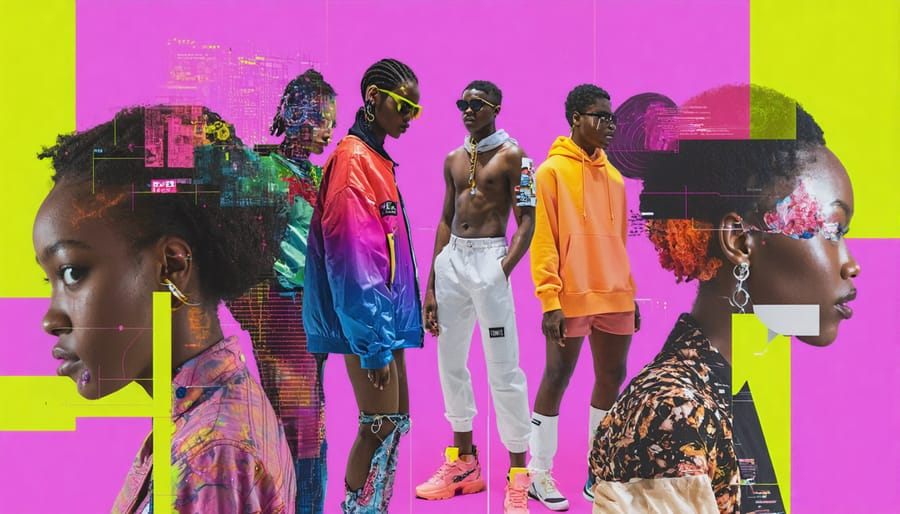
In a world dominated by fast fashion and fleeting trends, Generation Z is rewriting the rules of style with unprecedented authenticity and purpose. Unlike their predecessors, these digital natives, born between 1997 and 2012, approach fashion not just as self-expression but as a powerful platform for social change and personal values.
From thrifting treasures on Depop to championing sustainable brands on TikTok, Gen Z has transformed fashion consumption into a statement of ethical consciousness. They’re the first generation to grow up fully immersed in social media, yet paradoxically, they’re rejecting the polished perfection of Instagram in favor of raw, unfiltered authenticity.
This generation’s fluid approach to style—mixing vintage finds with streetwear, gender-neutral pieces with bold statements—reflects their broader rejection of traditional boundaries. They’re not just consumers; they’re creators, critics, and changemakers who demand transparency, sustainability, and inclusivity from fashion brands.
As Gen Z’s purchasing power grows, their influence on the fashion industry becomes increasingly undeniable. From the rise of gender-fluid collections to the mainstream adoption of resale platforms, their values are reshaping not just what we wear, but how the entire fashion ecosystem operates.
Gen Z’s Fashion Values: Breaking All the Rules
Sustainability First
For Gen Z, sustainability isn’t just a buzzword – it’s a lifestyle choice that’s revolutionizing fashion consumption. This environmentally conscious generation is leading the charge in sustainable fashion, with 73% willing to spend more on eco-friendly clothing options. Thrifting has evolved from a necessity to a badge of honor, with platforms like Depop and ThredUp becoming go-to destinations for fashion-forward finds.
These young consumers are reshaping the secondhand market, making “pre-loved” the new luxury. They’re not just shopping sustainably; they’re creating entire wardrobes around circular fashion principles. From clothing swaps with friends to upcycling vintage pieces, Gen Z approaches fashion with both creativity and conscience.
This shift has forced major brands to adapt, introducing recycled materials, transparent supply chains, and take-back programs. The message is clear: for Gen Z, looking good shouldn’t come at the planet’s expense. They’re proving that sustainable fashion can be both stylish and accessible, creating a ripple effect that’s transforming the industry from fast fashion to thoughtful consumption.

Gender-Fluid Expression
Gen Z is boldly rewriting the fashion rulebook, embracing a fluid approach to style that transcends traditional gender boundaries. Gone are the days when clothing sections were strictly divided into “men’s” and “women’s” – this generation confidently shops across all departments, mixing and matching pieces that speak to their authentic selves.
From Harry Styles rocking pearl necklaces to Billie Eilish’s oversized silhouettes, Gen Z celebrities are leading the charge in gender-neutral fashion. But it’s not just about following trends; it’s about personal expression and challenging societal norms. Young people are increasingly drawn to brands that offer gender-inclusive collections, pushing major retailers to rethink their approach to fashion categorization.
This shift goes beyond just clothing choices. Gen Z embraces makeup, accessories, and hairstyles regardless of traditional gender associations. Painted nails, crop tops, and platform shoes are becoming universal fashion statements rather than gender-specific choices. What’s particularly refreshing is how this generation approaches these choices with such naturalness – there’s no fanfare, just genuine self-expression.
The impact is clear: fashion is becoming more about individual style and less about conforming to gender expectations. This authentic approach to personal style is reshaping the future of fashion, one boundary-breaking outfit at a time.
Digital-Native Style
Growing up in a digital world has fundamentally shaped Gen Z’s fashion choices. Their style decisions are heavily influenced by TikTok trends, Instagram aesthetics, and the rapid-fire nature of social media content. Unlike previous generations, Gen Z seamlessly blends online inspiration with real-world fashion, creating looks that are both camera-ready and authentically personal.
This digital fluency means they’re constantly exposed to global fashion influences, from Y2K revivals to cottagecore aesthetics. They’re quick to adopt and adapt trends, creating unique fashion combinations that reflect their individual personalities while remaining socially connected. Pinterest boards and Instagram saves serve as their modern mood boards, while fashion hauls and styling videos on TikTok act as their virtual shopping companions.
What’s particularly fascinating is how this generation uses social media not just to consume fashion content, but to create it. They’re not passive observers – they’re active participants in shaping trends through their own content creation, making fashion more democratic and accessible than ever before.
Trendsetting Through Technology
TikTok’s Fashion Revolution
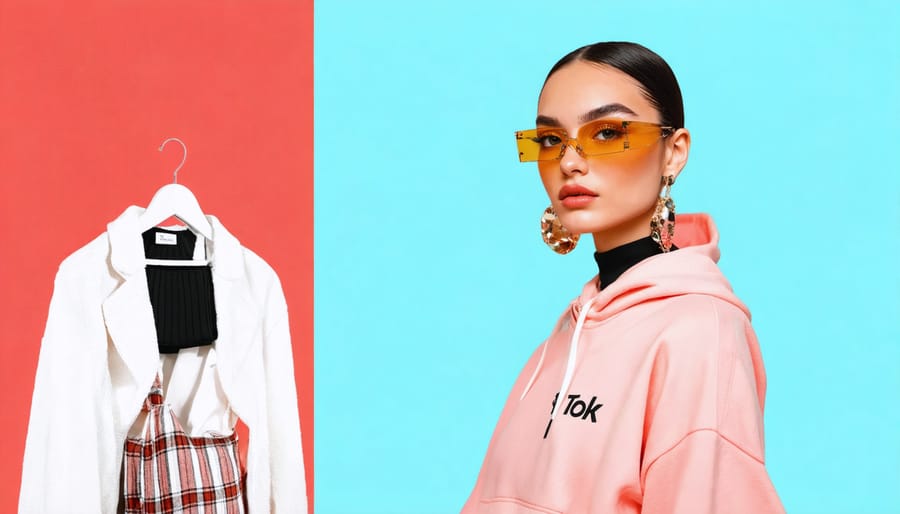
TikTok has revolutionized how fashion trends emerge and spread, creating a democratic space where style inspiration comes from everywhere and everyone. Unlike traditional fashion media, TikTok’s algorithm-driven content delivery has given rise to countless micro-trends and style communities, from cottagecore to dark academia. Gen Z influencers on the platform have mastered the art of authentic style sharing, making high fashion more accessible and relatable than ever before.
The platform’s signature features, like duets and challenges, have created a collaborative fashion ecosystem where trends evolve organically. “Get Ready With Me” videos and styling hacks have become cultural phenomena, empowering users to experiment with their personal style while building confidence through community support.
What makes TikTok’s fashion influence unique is its speed and inclusivity. Trends that might have taken months to catch on through traditional channels now spread globally within days. The platform celebrates diversity in body types, styles, and budget ranges, making fashion experimentation feel achievable for everyone. This democratic approach has forced traditional fashion brands to reconsider their marketing strategies and product development, leading to more inclusive collections and authentic engagement with young consumers.
Virtual Try-Ons and AR Shopping
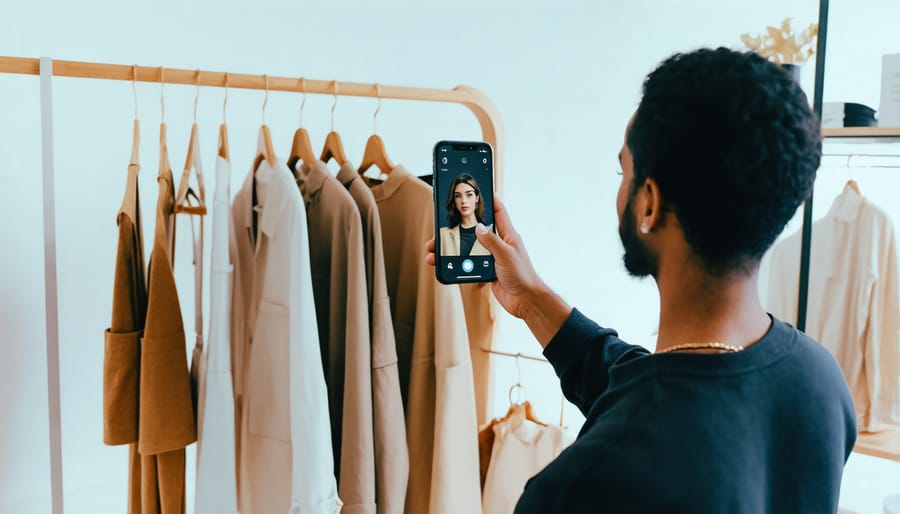
Virtual try-ons and augmented reality (AR) shopping experiences are revolutionizing how Gen Z interacts with fashion brands. This tech-savvy generation expects seamless integration between their digital and physical shopping experiences, and AR technology delivers exactly that. With just a smartphone, Gen Z shoppers can virtually “try on” everything from sneakers to sunglasses, making confident purchase decisions from the comfort of their homes.
Leading retailers have taken notice, implementing AR solutions that allow customers to see how clothes fit their body type, experiment with different sizes, and visualize outfit combinations. These digital fitting rooms have become particularly popular on social shopping platforms, where Gen Z spends considerable time exploring and sharing their fashion discoveries.
The impact is clear: brands reporting increased conversion rates and decreased return rates when offering virtual try-on options. This technology isn’t just about convenience – it’s about creating an engaging, interactive experience that speaks to Gen Z’s desire for personalization and efficiency. Whether it’s testing different makeup shades through beauty apps or seeing how a handbag looks with their existing wardrobe, these digital tools have become an essential part of their shopping journey.
The New Fashion Economy
Resale Revolution
The fashion resale revolution has found its perfect champion in Generation Z. Unlike their predecessors, Gen Z sees secondhand shopping not as a compromise but as a badge of honor. They’re transforming what was once stigmatized into a trendy, sustainable, and savvy way to build their wardrobes.
Platforms like Depop, ThredUp, and Poshmark have become virtual treasure troves where young fashion enthusiasts hunt for unique pieces, vintage gems, and designer finds at fraction of their original prices. What’s particularly fascinating is how Gen Z has turned resale into a social experience, with many creating entire communities around thrifting and clothes swapping.
The numbers tell an impressive story: the secondhand market is expected to double in the next five years, largely driven by Gen Z consumers. They’re not just buying – they’re selling too, turning their closets into micro-businesses and embracing the circular fashion economy with unprecedented enthusiasm.
This generation’s approach to resale goes beyond just saving money. It’s about making conscious choices, expressing individuality through one-of-a-kind pieces, and taking a stand against fast fashion’s environmental impact. They’re proving that style and sustainability can go hand in hand, one pre-loved piece at a time.
Micro-Trends vs. Fast Fashion
Gen Z’s approach to fashion represents a fascinating paradox in today’s style landscape. While they’re quick to embrace new fashion trends, they’re equally passionate about sustainability and ethical consumption. This generation has mastered the art of micro-trends – those blink-and-you’ll-miss-them style moments that spread like wildfire on TikTok and Instagram, while simultaneously criticizing the environmental impact of fast fashion.
Unlike their millennial predecessors, Gen Z isn’t completely boycotting fast fashion retailers. Instead, they’re adopting a more nuanced approach: mixing sustainable pieces with occasional trend-driven purchases, thrifting, and participating in clothing swaps. They understand that perfect sustainability isn’t always accessible, especially on a budget, but they’re finding creative ways to minimize their fashion footprint.
What sets this generation apart is their ability to create unique style narratives. They might pair a trendy fast-fashion top with vintage jeans, or style a thrifted blazer with contemporary accessories. This mix-and-match approach isn’t just about looking good – it’s a statement about conscious consumption and individual expression.
The result is a new fashion ecosystem where micro-trends can coexist with sustainable practices, and where personal style isn’t limited by where you shop but elevated by how creatively you can style your finds.
Brand Success Stories
Authenticity Wins
In today’s fashion landscape, authenticity isn’t just a buzzword—it’s the golden ticket to Gen Z’s hearts and wallets. Take Parade, the inclusive underwear brand that’s revolutionizing the industry with its bold commitment to sustainability and body positivity. By featuring diverse models and maintaining transparent practices, they’ve built a loyal Gen Z following who appreciate their genuine approach to digital fashion marketing.
Another success story is ThredUp, whose second-hand fashion platform aligns perfectly with Gen Z’s environmental consciousness. Their “Fashion Footprint Calculator” and clear messaging about reducing fashion waste have struck a chord with young consumers who want their purchasing decisions to reflect their values.
Girlfriend Collective has mastered the art of authentic engagement by being completely upfront about their manufacturing processes and using recycled materials. Their size-inclusive activewear and minimal, honest marketing approach have earned them a dedicated Gen Z following.
Even luxury brands are taking notes. Gucci’s collaboration with The North Face and their venture into gaming with Roblox show how heritage brands can authentically connect with Gen Z by meeting them in their own digital spaces while maintaining brand integrity.
These success stories share common threads: transparency in operations, genuine commitment to social causes, and the courage to break traditional fashion norms. Brands that authentically embrace these values, rather than merely performative activism, are the ones winning Gen Z’s trust and loyalty.
Community-Driven Fashion
Today’s most successful fashion brands understand that Gen Z craves authenticity above all else. Rather than broadcasting one-way messages, these brands create interactive spaces where young consumers become active participants in the fashion conversation.
Take Aerie’s unretouched #AerieReal campaign, which features diverse, real-world models chosen from their community. By celebrating authentic beauty and body positivity, they’ve built a loyal following that feels more like a movement than a customer base.
Social listening has become crucial for brands hoping to connect with Gen Z. Companies like Glossier and Urban Outfitters actively engage with their audiences through social media, incorporating feedback into product development and marketing strategies. When young consumers feel heard and represented, they become passionate brand advocates.
Community-driven initiatives like sustainable fashion challenges, user-generated content campaigns, and virtual styling sessions allow brands to foster genuine connections while gathering valuable insights. SHEIN’s Style Gallery and Depop’s peer-to-peer marketplace exemplify how fashion brands can create platforms where Gen Z feels empowered to express their unique style and values.
The most successful brands also understand that Gen Z expects transparency and social responsibility. They openly share their sustainability practices, ethical standards, and behind-the-scenes processes. This generation appreciates brands that take clear stances on social issues and back their words with meaningful action.
By treating Gen Z as collaborators rather than just consumers, fashion brands can build lasting relationships that transcend traditional marketing boundaries.
Gen Z has undeniably revolutionized the fashion landscape, ushering in an era where self-expression, sustainability, and digital innovation reign supreme. Their influence extends far beyond mere trend-setting; they’ve fundamentally shifted how we think about, consume, and interact with fashion. By prioritizing authenticity over traditional luxury markers and championing inclusivity in all its forms, this generation has forced the industry to evolve in unprecedented ways.
Looking ahead, Gen Z’s impact on fashion promises to grow even stronger. Their commitment to sustainable practices is already pushing brands toward more environmentally conscious production methods and transparent supply chains. The fusion of digital and physical fashion experiences they’ve pioneered will likely become more sophisticated, with virtual try-ons, digital wardrobes, and meta-fashion becoming mainstream practices.
The fashion industry of tomorrow will need to embrace fluidity, both in gender expression and style categories, while continuing to prioritize ethical production and diverse representation. Brands that succeed will be those that authentically align with Gen Z’s values, leverage technology creatively, and maintain genuine dialogue with their community.
As Gen Z continues to gain purchasing power and influence, their fashion philosophy – centered on individual expression, sustainability, and digital innovation – will likely become the new standard for future generations. Their legacy will be a more inclusive, sustainable, and technologically integrated fashion industry that celebrates diversity in all its forms.
You may also like
-
Beauty Industry Revolution: Game-Changing Trends Reshaping Our Beauty Routines
-
Bold Beauty Revolution: How Gen Z is Breaking All the Makeup Rules
-
Bold Makeup Looks That Are Taking Over 2024 (And How to Rock Them)
-
These Fashion Books Will Transform Your Wardrobe (While Saving the Planet)
-
Effortless Style: Your Season-to-Season Fashion Blueprint