
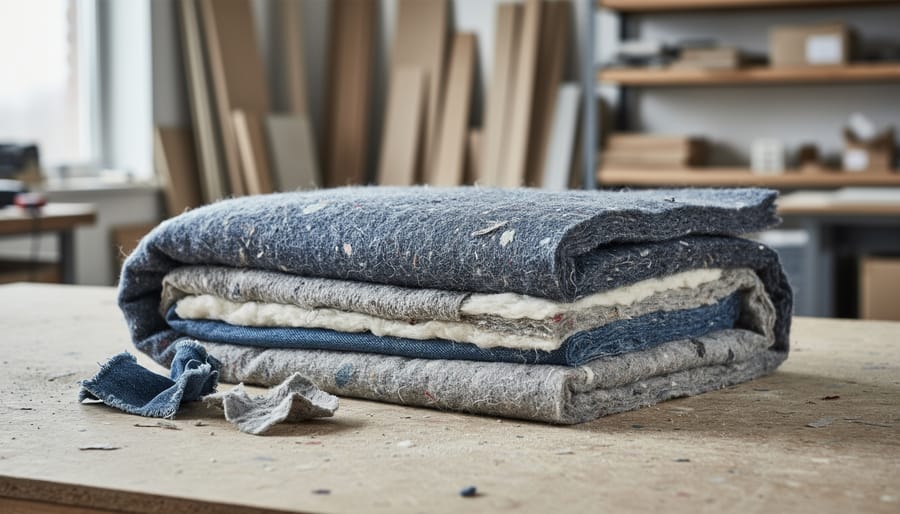
Recycled textile insulation is a sustainable building material made from repurposed clothing, fabric scraps, and post-consumer textiles that would otherwise end up in landfills. Instead of relying on fiberglass or foam, this eco-friendly alternative transforms cotton denim, wool, and polyester waste into panels and batts that insulate homes, commercial spaces, and even garments designed for extreme weather.
Why does this matter? The fashion industry produces over 92 million tons of textile waste every year, and only a fraction gets recycled. Turning old jeans, T-shirts, and manufacturing offcuts into insulation keeps these materials in circulation, reduces the carbon footprint of new construction, and offers performance that rivals traditional options. It’s breathable, non-toxic, and naturally resistant to mold and pests.
But recycled textile insulation isn’t just about environmental responsibility. It performs. Treated fibers regulate temperature, absorb sound, and even improve indoor air quality compared to synthetic alternatives. Whether you’re renovating your home, exploring sustainable fashion innovations, or simply curious about how the circular economy works in practice, understanding this material shows how waste can become a resource.
This article breaks down exactly how recycled textile insulation is made, the different types available in 2026, and where you’ll find it in real-world applications. You’ll walk away knowing how discarded fabric transforms into a high-performance material that supports both your values and your comfort. No greenwashing, no vague claims. Just the facts behind a solution that proves sustainability and quality don’t have to be at odds.
What Recycled Textile Insulation Really Means
Recycled textile insulation is insulation material crafted from fabric waste that would otherwise end up in landfills. Think old jeans, cotton scraps from manufacturing floors, unsold clothing, and textile offcuts from fashion production. Instead of being discarded, these materials get a second life as high-performance insulation that keeps buildings warm, reduces noise, and now even finds its way into eco-conscious fashion pieces.
The process transforms what the industry calls “post-consumer” textiles (your worn-out clothes) and “pre-consumer” waste (factory scraps that never made it to stores) into something genuinely useful. Cotton denim is a star player here, those jeans you donated after they wore out might be shredded, treated with safe fire-retardant solutions, and packed into insulation batts that perform as well as traditional fiberglass.
- Recycled textile insulation
- Thermal or acoustic insulation material made from repurposed fabric waste, offering eco-friendly performance comparable to conventional options.
- Textile waste stream
- The flow of discarded fabrics from manufacturing and consumer disposal, representing millions of tons annually that can be diverted from landfills.
- Circular fashion
- A system where materials are kept in use, reused, and regenerated rather than following a linear make-use-dispose pattern.
- Upcycled materials
- Waste materials transformed into products of higher quality or value than the original, giving them renewed purpose and functionality.
Why is this gaining momentum in both construction and fashion? The circular fashion economy is reshaping how we think about waste. Brands and builders alike recognize that textile waste is a resource, not trash. Using recycled fabric insulation cuts carbon emissions, saves water, and reduces the demand for virgin materials. For fashion-forward women, this means your old wardrobe can contribute to sustainable housing or insulated outerwear that tells a better story. It’s innovation that makes environmental sense and looks good doing it.
How Recycled Textile Insulation Works
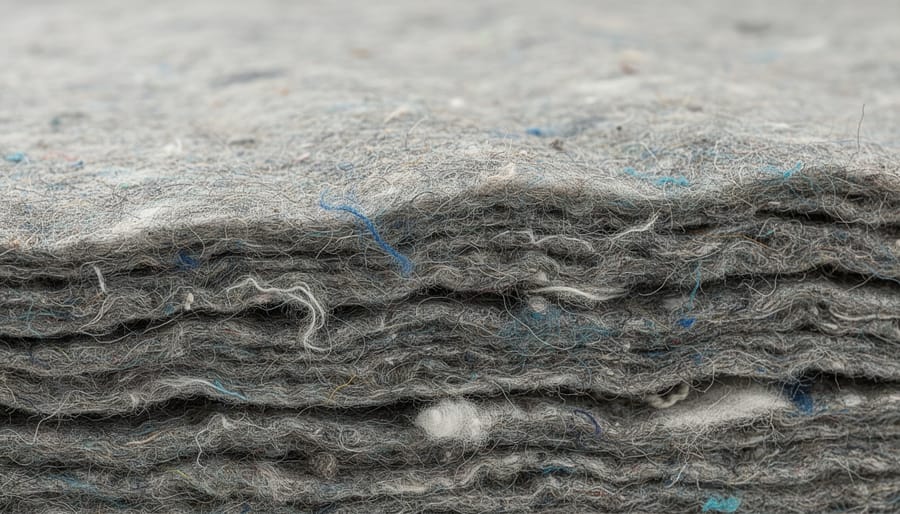
Turning discarded fabrics into insulation follows a surprisingly straightforward process that transforms waste into a high-performance material. The journey begins at collection centers where textile waste arrives, old jeans, factory scraps from garment production, worn-out clothing, and manufacturing offcuts. Workers sort this material by fiber content, separating cotton from polyester, wool, and blends, because different fibers perform differently as insulation.
Once sorted, the textiles undergo thorough cleaning to remove dirt, dyes, buttons, zippers, and any contaminants. This step ensures the final product is safe and odor-free. Next comes shredding: industrial machines tear the fabric into smaller pieces, then break those down further into individual fibers. The result looks like fluffy, cotton-candy-like material rather than recognizable fabric.
Treatment depends on the intended use. Some manufacturers add borate-based solutions for fire resistance and pest deterrence, while others incorporate binding agents to hold fibers together. Natural fibers like cotton and wool often need minimal treatment since they already possess inherent fire-retardant qualities.
From there, the fibers are formed into batts, thick, blanket-like sheets that fit between wall studs, or left as loose-fill material that can be blown into attic spaces and hard-to-reach cavities.
The science behind its effectiveness is elegantly simple: those recycled fibers create millions of tiny air pockets. Air is a poor conductor of heat, so when it’s trapped within the fiber matrix, thermal transfer slows dramatically. Heat struggles to move through the material, keeping interiors warmer in winter and cooler in summer. The same structure absorbs sound waves, which is why recycled textile insulation excels at noise reduction, the fibers dampen vibrations rather than reflecting them.
This dual performance makes recycled textile insulation versatile enough for construction, fashion outerwear, and even emerging applications in smart textiles where thermal management matters.
Types of Recycled Textile Insulation
Not all recycled textile insulation is created equal. The type you encounter depends on the source materials, the manufacturing process, and the intended use. Each variety brings its own texture, performance characteristics, and sustainability story to the table.
Cotton Denim Insulation stands out as one of the most recognizable forms. Made primarily from post-consumer denim, those old jeans you donated or tossed, this insulation transforms familiar fabric into thermal protection. The cotton fibers are shredded, cleaned, and treated with a borate solution to resist fire, mold, and pests. The result is a dense, effective insulator that performs comparably to fiberglass but feels softer to handle. Denim insulation excels in soundproofing, making it popular for music studios and urban homes where noise reduction matters as much as temperature control.
Wool-Based Insulation offers natural moisture management that synthetic options can’t match. Sourced from textile manufacturing scraps or repurposed wool garments, these fibers regulate humidity while insulating. Wool naturally resists fire without chemical treatment, and its crimped structure traps air exceptionally well. This type works beautifully in climates with temperature swings, and some eco-fashion brands incorporate wool insulation into outerwear that breathes while keeping you warm.
Polyester Fiber Insulation comes from recycled plastic bottles and synthetic fabric waste. Though not a natural fiber, polyester diverts petroleum-based materials from landfills and performs reliably in wet conditions. It resists moisture absorption, dries quickly, and maintains loft over time. You’ll find this type in performance jackets, sleeping bags, and technical apparel where water resistance and durability are non-negotiable.
Blended Textile Insulation combines fibers, cotton-polyester mixes, wool-synthetic hybrids, to balance performance with cost and availability. These blends leverage the strengths of multiple materials: cotton’s softness with polyester’s resilience, or wool’s moisture management with acrylic’s affordability. Manufacturers create custom ratios based on regional textile waste streams, making blended insulation a practical, adaptable solution for both building and fashion applications.
Each type proves that textile waste holds value far beyond its first life.
Where Recycled Textile Insulation Is Used Today
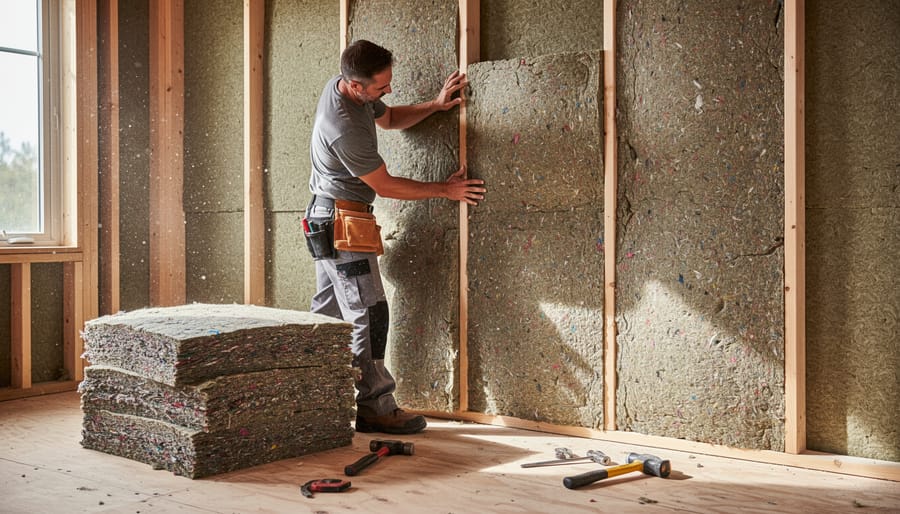
Recycled textile insulation has moved far beyond niche eco-products into mainstream applications across multiple industries. In residential construction, it’s used in walls, attics, and floors as batts or loose-fill material, offering thermal and acoustic performance that rivals traditional fiberglass. Builders appreciate that it’s safe to handle, doesn’t irritate skin, and often qualifies for green building certifications.
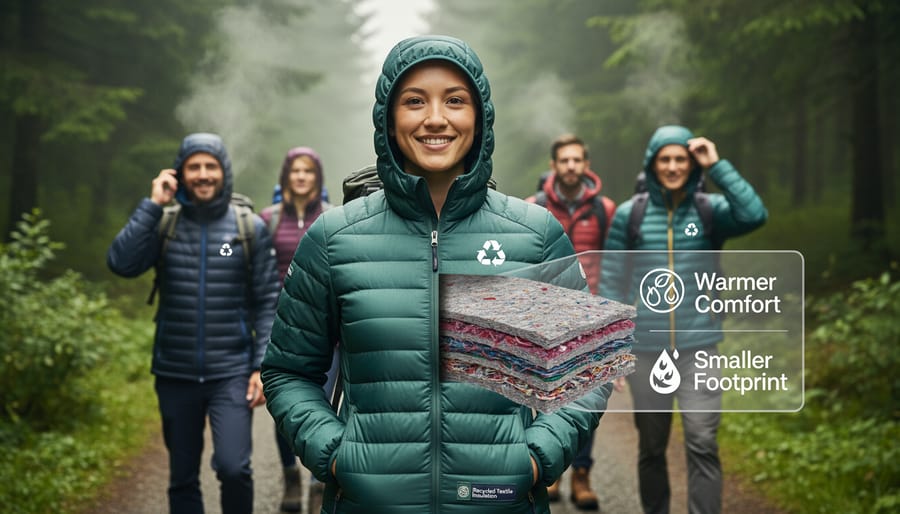
The fashion and apparel world has embraced it enthusiastically. Eco-conscious outerwear brands use recycled textile insulation in puffer jackets, parkas, and winter coats, giving old denim and cotton scraps new life as warm, breathable fill. You’ll find it in sleeping bags, hiking gear, and even high-performance athletic wear where temperature regulation matters. Some designers layer it into structured garments for both insulation and sculptural silhouette, proving sustainable materials can be beautiful and functional.
Current and emerging applications span diverse sectors:
- Acoustic panels and soundproofing in recording studios, offices, and theaters
- Automotive interiors as headliner insulation and door panel fill for noise reduction
- Insulating layers in wearable tech, including garments with integrated photovoltaic textiles
- Pet beds, upholstered furniture, and home textiles
- Packaging material for temperature-sensitive goods
The intersection with wearable technology is particularly exciting. As designers explore FIT green tech innovations, recycled textile insulation provides the thermal management layer needed beneath energy-harvesting fabrics. Smart jackets that charge your phone require insulation that won’t interfere with conductivity, and repurposed cotton or denim fits that bill perfectly. This marriage of old textiles and cutting-edge technology represents exactly the kind of circular innovation that’s reshaping how we think about what clothes can do, and where materials should come from.
Why This Matters for Fashion and the Planet
Every time you choose a piece made with recycled textile insulation, you’re casting a vote for a fashion industry that values people and the planet over disposable trends. The textile sector is responsible for roughly 10% of global carbon emissions and generates mountains of waste, an estimated 92 million tons of textile scraps end up in landfills annually. Recycled textile insulation flips that equation: instead of incinerating or burying old jeans and fabric offcuts, manufacturers transform them into high-performance materials that reduce demand for virgin resources, cut water consumption by up to 80%, and shrink the carbon footprint of both buildings and garments.
This shift empowers you as a consumer. When brands integrate recycled insulation into jackets, coats, and layering pieces, they’re proving that eco-materials can deliver warmth, durability, and style. You’re not compromising; you’re pioneering. The same ethos fuels emerging innovations like photovoltaic textiles and the AI fashion experience where technology meets sustainability to create garments that are smarter, cleaner, and more responsive to your needs. Recycled textile insulation sits at the heart of this circular economy, a system where nothing is wasted, creativity thrives, and fashion becomes a force for positive change. Supporting these materials means you’re part of the solution, championing an industry that respects resources and celebrates bold, informed choices.
Your Questions About Recycled Textile Insulation, Answered
Is recycled textile insulation safe to use?
Yes, it’s generally safe. Most recycled textile insulation is treated with natural fire retardants like boric acid and is free from the formaldehyde and fiberglass irritants found in traditional insulation. It’s non-toxic, hypoallergenic, and safe to handle without protective gear.
How does it compare to traditional insulation?
Recycled textile insulation performs comparably to fiberglass in thermal efficiency while offering superior soundproofing. It’s easier to install, doesn’t irritate skin, and has a significantly lower carbon footprint. The trade-off is that it can cost 10-30% more upfront, though energy savings often balance this over time.
Can I find it in my favorite fashion brands?
Yes, more brands are incorporating recycled textiles into outerwear and insulated pieces. Look for labels mentioning recycled cotton, denim, or polyester fill in jackets and coats. Patagonia, Reformation, and Girlfriend Collective are among the brands exploring these materials alongside innovations like eco-friendly fabric dyes.
Is it more expensive than conventional options?
Initially, yes. Recycled textile insulation typically costs more because collection, sorting, and processing add labor. However, prices are dropping as production scales up, and the long-term environmental savings make it a smart investment for conscious consumers.
How does it tie into photovoltaic textiles?
Photovoltaic textiles generate energy from sunlight, but they still need insulating layers for temperature regulation and comfort. Recycled textile insulation provides that backing without adding synthetic bulk, creating a fully circular solution where energy-generating fabrics rest on reclaimed materials.
Is it truly sustainable?
Mostly, yes. It diverts textile waste from landfills, uses less energy than virgin materials, and reduces water consumption. The sustainability depends on the processing methods and whether chemical treatments are minimized. Check for certifications like GREENGUARD or OEKO-TEX to verify environmental claims.
These questions reflect what most women ask when they first encounter recycled textile insulation in fashion contexts. The answers make it clear that this isn’t just greenwashing, it’s a legitimate innovation that performs well while aligning with your values. As brands experiment with combining recycled insulation, smart textiles, and energy-generating fabrics, you’re seeing the early stages of a fashion revolution where nothing goes to waste and everything serves multiple purposes.
Understanding recycled textile insulation isn’t just about knowing what happens to old fabric scraps, it’s about recognizing your power as a conscious consumer. Every time you choose a jacket insulated with repurposed denim or support a brand committed to circular fashion, you’re casting a vote for the kind of industry you want to see thrive.
The fashion landscape is shifting, and women are leading that change. You don’t have to sacrifice style for sustainability or settle for compromise. Today’s eco-innovations prove that cutting-edge design and environmental responsibility can coexist beautifully. From insulated outerwear that keeps you warm while reducing landfill waste to emerging technologies that blend recycled materials with energy-generating capabilities, the future of fashion is as exciting as it is responsible.
Start asking questions about what’s inside your clothes. Seek out brands transparent about their materials and manufacturing processes. Celebrate designers who treat textile waste as a resource rather than garbage. Your choices matter, your voice matters, and your vision for a more sustainable fashion industry is already becoming reality.