
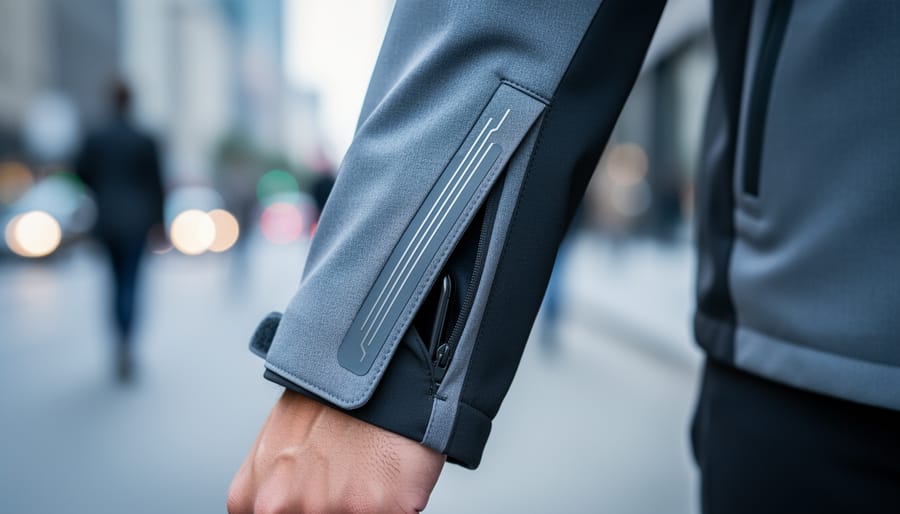
Smart textiles fashion refers to garments and accessories embedded with digital components or advanced materials that respond to environmental stimuli, track biometric data, or change properties like color, temperature, or fit. These aren’t science fiction concepts anymore. They’re wearable pieces you can buy, style, and integrate into your everyday wardrobe right now.
The reason smart textiles matter goes beyond novelty. They represent a shift in how we think about clothing’s role in our lives. Your jacket can charge your phone. Your workout leggings can monitor muscle fatigue and recovery. Your dress can shift from matte black to shimmering silver based on your body temperature or surrounding light. This intersection of fashion tech trends and personal empowerment means you’re no longer just choosing an outfit. You’re choosing functionality, adaptability, and a new kind of self-expression.
What makes this technology accessible now is that designers have moved past clunky prototypes. Modern smart textiles are washable, flexible, and genuinely stylish. The sensors are thin enough to be invisible. The battery packs slip into hidden pockets. The aesthetic doesn’t scream “tech lab.” It whispers confidence and innovation.
This article breaks down exactly what smart textiles are, how the technology actually works without overwhelming jargon, the different categories you’ll encounter when shopping, and the real-world applications that make them worth your attention and investment. Whether you’re drawn to performance-enhancing activewear or statement pieces that literally light up a room, understanding smart textiles helps you make informed choices about what belongs in your closet.
What Smart Textiles Mean for Your Wardrobe
Smart textiles are fabrics that do more than just cover your body. They sense, react, and adapt, responding to temperature, light, movement, or even your mood. Think of them as clothing with a built-in intelligence that works quietly in the background to make your life easier, safer, or more expressive.
You’ve probably already encountered smart textiles without realizing it. That yoga top that keeps you cool during hot flow? It likely uses moisture-wicking smart fibers that pull sweat away from your skin faster than traditional cotton. The jacket that shifts from charcoal to silver in sunlight? That’s photochromic technology embedded directly into the fabric. These aren’t gadgets sewn onto clothes, the technology is woven into the material itself, making it as much a part of the garment as the thread.
- Smart Textiles
- Fabrics engineered to sense and respond to environmental conditions or stimuli, offering functionality beyond traditional textiles.
- E-Textiles
- Electronic textiles that incorporate conductive fibers or components, enabling them to carry electrical signals or power embedded devices.
- Responsive Fabrics
- Materials that change their properties, such as color, shape, or temperature, in reaction to external triggers like heat, light, or pressure.
- Wearable Technology
- Devices or garments that integrate technology directly into what you wear, often for health tracking, communication, or enhanced performance.
The beauty of smart textiles is their versatility. A dress with LED threads can transform your evening look from subtle to show-stopping with a tap on your phone. Activewear with phase-change materials keeps your body at an optimal temperature whether you’re sprinting or stretching. Compression leggings now track your muscle activity and recovery time, giving you data that used to require a visit to a sports lab.
What makes this exciting isn’t just the technology, it’s the accessibility. Major brands and independent designers alike are creating smart textile pieces at various price points. You don’t need to be an early adopter or a tech expert to wear them. They’re designed for real bodies, real routines, and real style. This is fashion that works for you, adapting to your needs rather than the other way around.
How Smart Textiles Actually Work
The magic behind smart textiles comes down to five core technologies woven directly into the fabric, and once you understand what each one does, you’ll see these innovations everywhere in fashion.
Conductive Fibers: The Electric Thread
At the heart of many smart garments are conductive threads, ultra-thin fibers that carry electricity just like traditional wiring, but flexible enough to weave through fabric. These threads power LED-embroidered gowns that light up the red carpet, enabling designers to incorporate illumination directly into textiles rather than attaching clunky electronics afterward. The tech in design has become so refined that conductive yarns feel indistinguishable from regular fabric, you might be touching them without realizing it.
Embedded Sensors: Your Clothes That Listen
Micro-sensors integrated into fabric can detect body temperature, heart rate, movement, even environmental conditions like UV exposure. In fitness wear, these sensors track your workout intensity and recovery patterns, feeding data to your phone while you move. The sensors themselves are tiny, often smaller than a sequin, and positioned where they won’t interfere with comfort or style.
The Technologies That Transform Fabric
- Conductive threads carry electrical signals through fabric to power lights, displays, or connectivity features in garments
- Micro-sensors embedded in textiles detect body metrics, movement, temperature, and environmental factors for health tracking
- Phase-change materials absorb or release heat as you move, keeping jackets warm when cold and cool during activity
- Thermochromic dyes shift color in response to temperature changes, creating dynamic patterns on dresses and accessories
- Shape-memory alloys built into fabric allow garments to adjust fit or structure based on body heat or electrical current
Materials That Respond to You
Phase-change materials contain microcapsules that literally store and release heat. When you’re cold, they release warmth. When you heat up during a workout, they absorb excess body heat. You’ll find these in high-performance activewear and those innovative jackets that regulate temperature without bulk.
Chromic materials change appearance based on external triggers. Thermochromic fabrics shift color with heat, imagine a dress that transitions from deep purple to pink as you dance. Photochromic textiles react to light, darkening in bright sun like transition lenses for your clothing.
Shape-memory fabrics contain special fibers or embedded wires that “remember” a specific shape and return to it when triggered by heat or electricity. This technology allows garments to adjust their fit, create sculptural silhouettes, or even change from loose to structured as you wear them.
The Different Types of Smart Fashion Textiles
Aesthetic Smart Textiles
Aesthetic smart textiles transform your outfit into a dynamic canvas for self-expression. These fabrics shift appearance based on temperature, light, electrical signals, or your mood, turning clothing into interactive art you can wear.
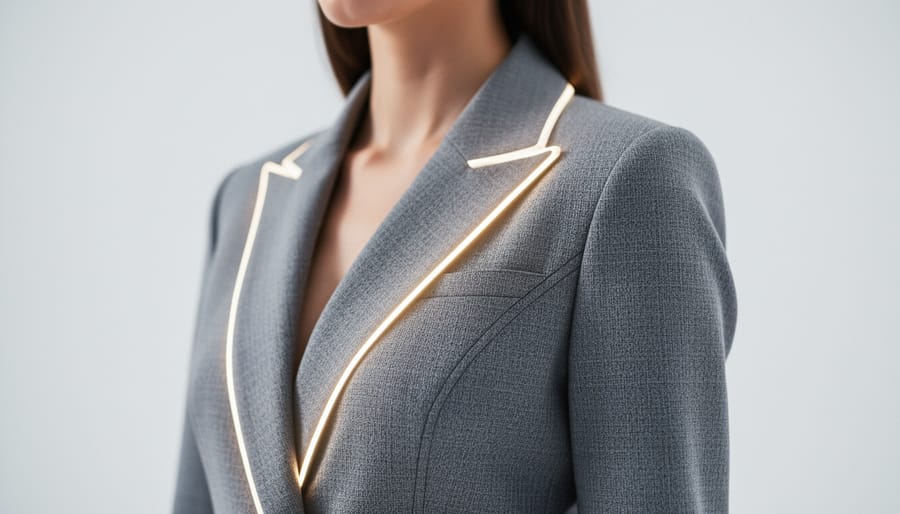
Color-changing materials use thermochromic or photochromic technology, think dresses that shift from deep purple to brilliant pink as you move from cool indoor spaces to warm sunlight, or jackets that reveal hidden patterns when you touch them. Light-emitting garments incorporate fiber optics or flexible LEDs woven directly into fabric, creating everything from subtly glowing seams on evening wear to full-display dresses that pulse with programmable colors.
Pattern-changing textiles respond to environmental triggers or electrical input, allowing you to customize designs on demand. Imagine a scarf displaying different geometric patterns throughout the day, or a top where you control the visual effect through a smartphone app.
These pieces make bold statements at events, festivals, or anywhere you want your style to stand out. They celebrate fashion as performance, inviting conversation and attention while giving you complete creative control over your look.
Performance Smart Textiles
Performance smart textiles put technology to work for your body during movement, whether you’re training for a marathon or rushing through your morning commute. These fabrics actively respond to physical stress, temperature changes, and moisture to keep you comfortable and supported.
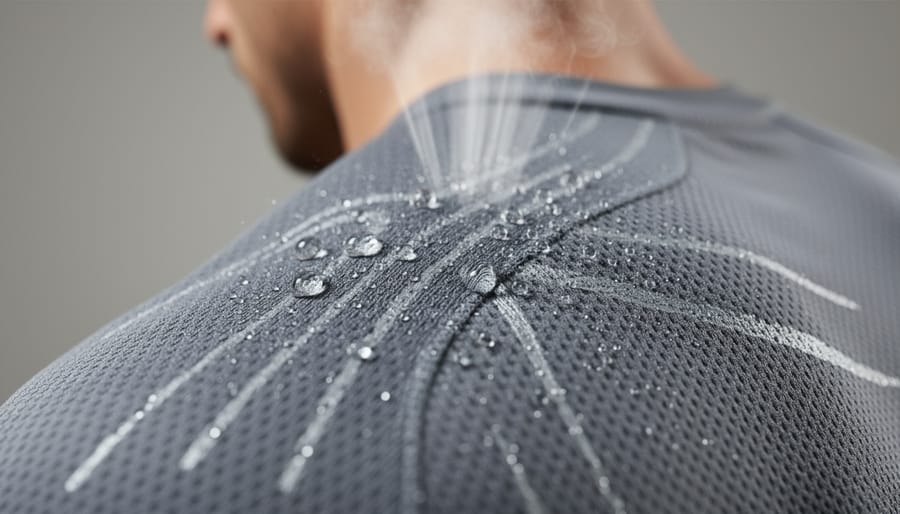
Temperature-regulating materials use phase-change technology, embedded microcapsules that absorb heat when you’re warming up and release it when you cool down, maintaining an ideal microclimate against your skin. Moisture-wicking fabrics pull sweat away from your body through capillary action in specialized fiber structures, keeping you dry during intense workouts.
Compression textiles use graduated pressure zones to support muscle groups, improve blood flow, and reduce fatigue. Some advanced versions adjust compression levels based on activity intensity. UV-protective fabrics incorporate titanium dioxide or zinc oxide particles woven into fibers, blocking harmful rays without heavy coatings.
What makes these textiles empowering isn’t just enhanced performance, it’s the confidence that comes from knowing your clothes are actively working with your body, not against it.
Health-Monitoring Smart Textiles
Health-monitoring smart textiles turn your clothes into wellness allies, tracking everything from heart rate to breathing patterns without bulky devices. These fabrics integrate sensors directly into the weave, measuring biometrics as naturally as your favorite tee feels against your skin. Sports bras now monitor heart rate variability during workouts, while posture-correcting shirts gently vibrate when you slouch at your desk. Recovery leggings use embedded sensors to track muscle fatigue and suggest optimal rest periods.
The real power here isn’t just data, it’s body awareness. When your running tank syncs with your phone to show stress levels rising, you’re empowered to adjust intensity before burnout hits. Maternity wear tracks contractions and fetal movement patterns. Sleep shirts monitor breathing and sleep quality, helping you understand what truly restores you.
This technology transforms self-care from guesswork into informed choices. You’re not obsessing over numbers, you’re learning your body’s language, building trust with yourself, and making wellness decisions from a place of knowledge rather than anxiety.
Protective Smart Textiles
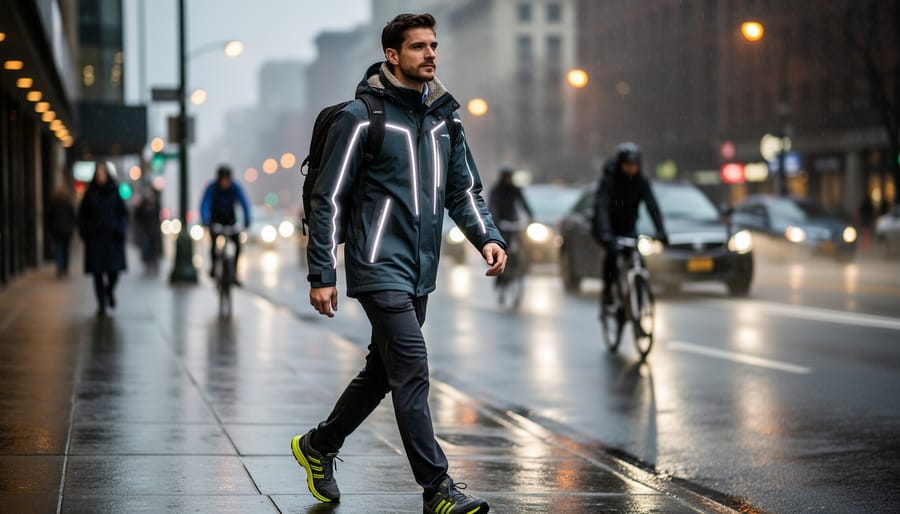
Protective smart textiles transform safety into style, giving you confidence to move through your day knowing your clothes are actively caring for you. These fabrics include reflective materials woven with microscopic glass beads that catch light from any angle, perfect for evening commutes or night runs without sacrificing your aesthetic. Impact-absorbing fibers, originally developed for athletes, now appear in everyday jackets and bags, cushioning falls and protecting your body during active pursuits.
Antimicrobial treatments embedded at the fiber level keep garments fresh longer while protecting your skin from bacteria, a game-changer for gym wear, travel outfits, and pieces you wear repeatedly. Pollution-filtering fabrics offer breathable layers that block particulate matter and pollutants, particularly valuable for city dwellers concerned about air quality. Some scarves and face-covering garments now incorporate activated carbon or specialized membranes that filter what you breathe while looking effortlessly chic. These protective innovations mean your wardrobe works harder to support your wellbeing, letting you focus on living fully rather than worrying about external threats.
How You Can Wear Smart Textiles Today
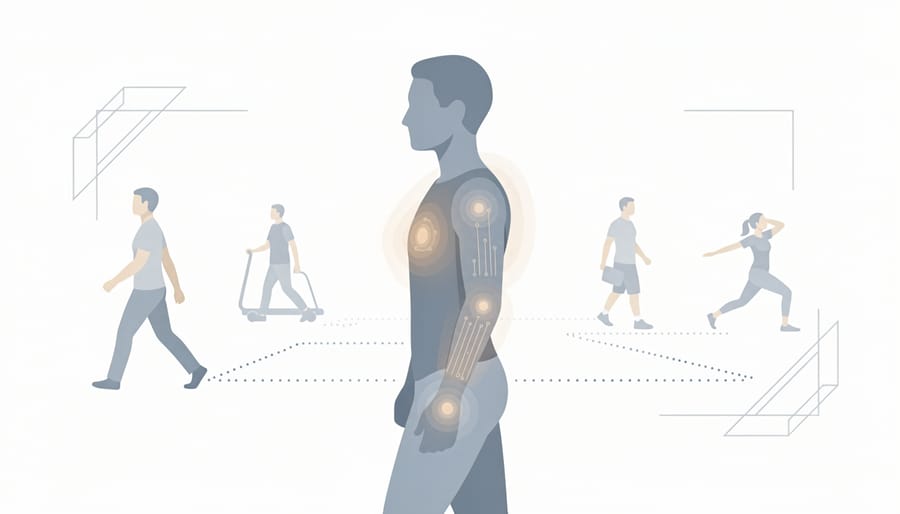
Smart textiles aren’t confined to one corner of your wardrobe, they’re versatile enough to enhance nearly every aspect of your style, from your morning workout to an evening event. You’ll find performance fabrics seamlessly integrating into athleisure and activewear, where moisture-wicking technology and temperature regulation support your fitness goals while looking effortlessly put-together. For your daily commute, protective textiles with antimicrobial properties or pollution-filtering layers work quietly in the background, keeping you fresh and shielded without compromising your aesthetic.
When dressing for work, health-monitoring fabrics can track your posture throughout long desk sessions, built into structured blazers or supportive undergarments that maintain a polished silhouette. For evening occasions, aesthetic smart textiles truly shine, think color-shifting cocktail dresses that transform under different lighting, or elegant gowns with subtle LED embroidery that catches every eye as you move.
The beauty of smart textiles is their adaptability. They’re designed to serve your lifestyle without dictating it, giving you functional benefits wrapped in pieces that reflect your personal style. Whether you’re dressing for practicality or making a bold statement, there’s a smart textile solution that fits naturally into that moment.
Styling Smart Textiles for Different Occasions
Start with your everyday wardrobe as the canvas. LED-embellished accessories work beautifully when you treat them as statement jewelry, pair a light-up cuff with a tailored blazer and dark denim for dinner, or let an illuminated collar necklace anchor an all-black outfit for cocktails. The key is balance: one glowing element against neutral, structured pieces creates intrigue without costume.
Performance fabrics have migrated far beyond the gym. A sleek moisture-wicking tank in a rich color works under a leather jacket for brunch, while joggers with integrated compression technology pair effortlessly with an oversized knit and ankle boots for weekend errands. These pieces move with you, literally, honor their function by styling them for real life, not just workouts.
Health-monitoring smart garments demand subtlety. Choose biometric-tracking tops in classic cuts and neutral tones that layer invisibly under blazers or cardigans. A posture-correcting tee becomes your secret weapon under a silk blouse for presentations. The technology works quietly while you focus on your look. Just as AI and personal style tools help you discover what works for your body and preferences, these garments adapt to support you invisibly throughout your day.
For evening, lean into the drama smart textiles offer. A color-shifting dress catches light and turns heads at gallery openings. Temperature-regulating fabrics in luxe textures, think phase-change silk or adaptive velvet, keep you comfortable through long events without sacrificing elegance. Reflective threads woven into a clutch or heels add safety on night walks home while looking deliberately futuristic-chic.
The boldest move? Mix categories. Pair your biometric sports bra with a high-waisted midi skirt and mules. Layer a light-emitting scarf over a classic trench. Smart textiles aren’t a separate wardrobe, they’re tools for expressing exactly who you are, in any context you choose.
Caring for Your Smart Fashion Pieces
Caring for smart textiles doesn’t require specialized training, just a mindful approach that respects both the tech and the fabric. Most smart garments come with care labels that specify their needs, so always check those first before tossing anything in the wash.
For pieces with embedded electronics or batteries, spot cleaning is your safest bet. Remove any detachable components before washing, and hand-wash the fabric gently in cool water with mild detergent. Never wring or twist these pieces; instead, press out excess water with a towel and lay flat to dry. Heat is the enemy here, skip the dryer, iron, and even hot water, as high temperatures can damage circuits and sensors.
Smart textiles without removable electronics often have waterproof enclosures that make them machine-washable, but stick to cold water on a delicate cycle and place them in a mesh laundry bag for extra protection. Air drying extends their lifespan significantly.
Store smart fashion pieces flat or loosely folded rather than crammed into drawers where wiring could crimp or break. For battery-powered items, charge them according to manufacturer guidelines and avoid letting batteries fully drain between wears, which degrades their capacity over time.
With proper care, your smart textiles will perform beautifully for years. Think of maintenance as part of the investment, these pieces deserve the same attention you’d give any quality garment you love wearing.
What to Consider Before Buying Smart Textiles
Smart textiles represent an investment in both technology and style, so it’s worth knowing what you’re really buying into. The right piece should enhance your life and wardrobe, not complicate it.
Start by asking yourself what problem you’re solving or what experience you’re creating. A color-changing jacket is thrilling, but will you actually wear it beyond the first few times? Performance fabrics that regulate temperature during your daily commute or workouts deliver ongoing value. Functionality beats novelty when the tech serves a real purpose in your routine.
Price points vary dramatically. Entry-level moisture-wicking activewear with embedded tech starts around $60-$100, while designer pieces with LED components or advanced sensors can reach $500-$2,000. Consider cost per wear honestly, a $150 temperature-regulating base layer you’ll use three times weekly justifies itself differently than a $400 statement piece for occasional events.
Care requirements matter more than you might think. Some smart garments need hand-washing or battery removal before cleaning. Others withstand regular machine cycles. Read care labels carefully and be realistic about whether you’ll maintain these routines long-term. A piece requiring special handling won’t empower you if it sits unworn because it’s too much trouble.
Research brands thoroughly, especially since many are newer to the market. Look for companies backed by bold fashion innovators with proven track records, clear warranty policies, and responsive customer service. Check reviews from actual wearers, not just tech enthusiasts.
Most importantly, trust your style instincts. Smart textiles should amplify your aesthetic, not dictate it. If a piece doesn’t feel authentically you, technology aside, it won’t earn closet space regardless of its capabilities.
Common Questions About Smart Textiles in Fashion
Can I actually wash smart textiles?
Most smart textiles are washable, though you’ll want to check care labels carefully. Many pieces with embedded electronics have removable battery packs or sensors, and others use sealed conductive fibers that handle gentle machine cycles just fine. Hand washing is safest when in doubt.
How long do smart fashion pieces typically last?
Quality smart textiles can last as long as conventional garments if you care for them properly. The fabric itself often outlasts the technology, expect 2-5 years of active use for electronic components, while features like phase-change materials and moisture-wicking fibers maintain their properties much longer.
Are smart textiles safe to wear against my skin?
Yes, absolutely. Reputable brands design smart textiles with safety standards that meet or exceed those for regular clothing. Conductive materials are sealed, batteries are protected, and all components go through rigorous testing before reaching your wardrobe.
Will these pieces work for my body type?
Smart textiles come in the same range of sizes and cuts as traditional fashion. The technology adapts to the garment, not the other way around, whether you’re shopping for activewear, formal pieces, or everyday staples, you’ll find options designed for diverse bodies and style preferences.
Beyond these practical concerns, many people wonder if investing in smart textiles means sacrificing their personal style. The beauty of this tech in fashion experience is that it enhances rather than dictates how you dress. You’re not locked into a futuristic aesthetic, smart textiles work within your existing wardrobe, whether your vibe is minimalist, maximalist, athletic, or romantic. As for price, yes, smart pieces often cost more upfront than conventional alternatives, but the investment reflects genuine innovation and functionality. You’re paying for garments that do more, last well, and often replace multiple items in your closet. Start with one versatile piece that solves a real need in your life, and build from there as you discover what works for you.
Smart textiles represent something truly exciting: fashion that works as hard as you do while celebrating exactly who you are. These aren’t garments designed to make you fit a mold. They’re tools that adapt to your life, your needs, your vision of style.
Whether you’re drawn to the visual drama of color-changing fabrics, the performance boost of temperature-regulating activewear, or the wellness insights from health-monitoring pieces, you’re not just buying clothes. You’re investing in garments that respond to you, that shift with your temperature, light up your confidence, support your goals, and move with your body in ways traditional fabrics simply can’t.
The beauty of this technology is its accessibility. Smart textiles aren’t reserved for tech enthusiasts or runway experiments anymore. They’re in gyms, offices, dance floors, and city streets. They’re for anyone who wants their wardrobe to do more than look good, though they absolutely do that too.
As these innovations become more widespread and affordable, the future of fashion looks both brilliantly technical and deeply human. Your clothes will know when you need warmth, adapt to your environment, and express your mood through color and light. But they’ll still be unmistakably yours, chosen, styled, and worn with the confidence that comes from knowing your wardrobe truly works for you.
The future isn’t just smart. It’s personal. And it’s ready for you to make it your own.
You may also like
-
What Is Y2K Fashion? The Tech-Fueled Trend That’s Redefining Your 2026 Wardrobe
-
How Blockchain Is Making Your Designer Bag Truly Yours (And Fake-Proof)
-
Digital Daily WWD: The Fashion Industry’s New Digital Revolution
-
AI Styling Just Got Personal: How Smart Tech Actually Understands Your Fashion Soul
-
Virtual Fashion Shows Are Revolutionizing How We Experience Style