
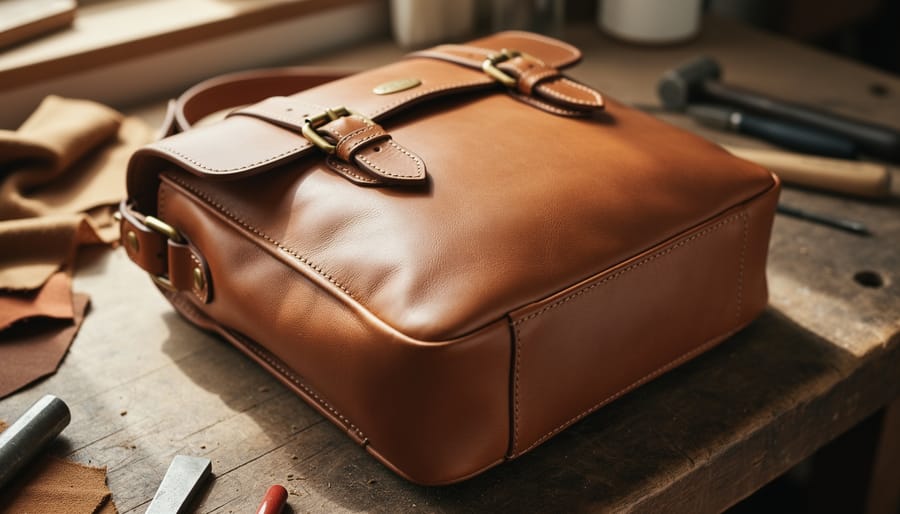
Quality craftsmanship refers to the skilled creation of goods using superior materials, refined techniques, and meticulous attention to detail, resulting in products that are durable, functional, and often beautiful. It’s the difference between a leather bag that lasts a decade and one that falls apart after a season, between a hand-finished seam that lies perfectly flat and a rushed machine stitch that puckers.
Right now, you’re probably seeing “quality craftsmanship” stamped on everything from fast fashion labels to luxury handbags, making it nearly impossible to separate genuine artistry from clever marketing. The term has become so diluted that it’s lost much of its meaning, yet understanding real craftsmanship matters more than ever for your wallet, your wardrobe, and honestly, the planet.
Real quality craftsmanship reveals itself in specific, tangible ways. The weight of a garment’s fabric, the way seams are finished on the inside where no one will see them, the type of thread used, whether buttons are sewn by hand or machine. These details aren’t pretentious, they’re practical signals that tell you whether something was made to last or made to sell quickly.
This article breaks down what quality craftsmanship actually means in concrete terms, walks you through the processes that separate exceptional work from mediocre production, and gives you the knowledge to spot it yourself. You’ll learn to read the signs that matter, ask the right questions, and make purchasing decisions that align with your values and your budget. Because once you know what to look for, you’ll never settle for “good enough” again.
What Quality Craftsmanship Really Means
Quality craftsmanship isn’t just a marketing buzzword, it’s a deliberate approach to creation that prioritizes skill, intention, and integrity at every stage. When you hold a crafted garment, accessory, or beauty product, you’re holding the result of conscious choices: who made it, how they made it, what materials they selected, and how much time they invested in getting the details right.
At its core, quality craftsmanship means four things working together. First, there’s genuine skill, expertise developed through years of training and practice, not rushed through in weeks. Second, intention matters: every stitch, cut, or blend serves a purpose rather than just meeting a production quota. Third, time becomes part of the creation itself, allowing materials to settle, techniques to be executed properly, and problems to be solved thoughtfully. Finally, materials are chosen for their inherent qualities and longevity, not just their cost-effectiveness.
Understanding the elements that define craftsmanship helps you recognize it:
- Artisan Skill
- Expertise gained through years of hands-on training and practice, passed down through apprenticeships or developed through dedicated mastery of specific techniques.
- Material Integrity
- Selection of premium, responsibly sourced materials chosen for their natural qualities, durability, and how they’ll age over time rather than their low cost.
- Attention to Detail
- Careful execution of finishing touches, reinforced seams, hand-sewn edges, precise pattern matching, that might go unnoticed at first glance but determine how well something performs and lasts.
- Time Investment
- Allowing adequate time for each production stage without rushing, whether that’s hand-stitching a leather bag or letting a natural fragrance properly macerate.
- Durability by Design
- Creating pieces meant to last years or decades through quality construction and materials that improve with age rather than fall apart after a season.
What separates craftsmanship from mass production isn’t just price or exclusivity. Mass-produced items prioritize speed and volume: identical pieces made quickly by machines or low-wage workers following rigid efficiency metrics. Crafted goods embrace variation, slower timelines, and human judgment. A mass-produced shirt might take minutes to assemble; a crafted one could require hours of hand-finishing. That time investment shows in how the garment drapes, wears, and feels against your skin.
How Quality Craftsmanship Works in Fashion and Beauty
The Human Element
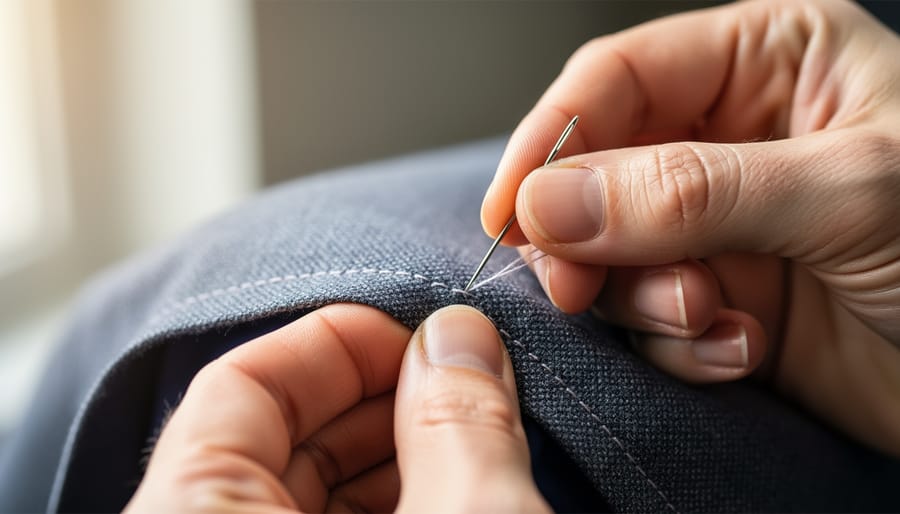
Behind every piece of quality craftsmanship stands a person who’s dedicated years to mastering their trade. These artisans don’t just follow instructions, they bring intuition, problem-solving, and creative judgment to every stitch, cut, or brushstroke. A tailor who’s spent a decade perfecting their craft can feel when a fabric needs a slightly different tension. A leatherworker knows instinctively how their material will age and adjusts their technique accordingly.
This human touch is what makes crafted pieces feel alive. Two handbags from the same artisan will never be exactly identical, there’s always a subtle variation in stitching rhythm or edge finishing that reflects the maker’s hand that day. That’s not inconsistency; it’s personality embedded in the object.
The training itself matters enormously. Many traditional crafts require apprenticeships spanning five to ten years before someone works independently. During that time, artisans develop not just technical skills but an understanding of why certain methods exist and when to adapt them. They learn to see potential problems before they happen and to coax the best from imperfect materials. This accumulated knowledge transforms functional items into something with soul.
Time as an Ingredient
Time isn’t just something craftspeople spend, it’s woven into the fabric of what they create. When an artisan hand-stitches a leather bag over several days instead of machine-assembling it in minutes, those hours allow leather to settle naturally around stitches, creating stronger seams that age beautifully. Slow production gives materials time to breathe, dyes to cure properly, and finishes to set without shortcuts.
Rushing collapses this process. Fast timelines force manufacturers to use heat treatments that weaken fibers, adhesives that replace proper construction, and synthetic shortcuts that look right initially but fail within months. The seam that puckers, the color that fades unevenly, the handle that loosens, these aren’t bad luck. They’re what happens when time gets cut from the equation.
Quality craftsmanship operates on a different clock. A hand-knitted sweater takes weeks because each stitch matters. A naturally fermented skincare ingredient needs months to develop its full potency. This patience creates depth you can feel: garments that drape better, accessories that develop character, beauty products that actually work. Time becomes visible in how well something lasts and how good it feels to use.
Different Forms of Craftsmanship You’ll Encounter
Handmade Fashion and Textiles
Handmade fashion and textiles represent some of the most visible expressions of quality craftsmanship you’ll encounter. Hand-woven fabrics carry irregularities that give them character, subtle variations in tension and texture that no machine can replicate. These textiles often come from artisans using traditional looms, creating one-of-a-kind patterns that feel alive against your skin.
Artisan knitwear takes time. A hand-knit sweater might require 40 hours of focused work, with each stitch tension-adjusted by feel. You’ll notice the difference in how the garment drapes and moves with your body rather than against it.
Bespoke tailoring goes beyond fit. A skilled tailor hand-stitches lapels, creates working buttonholes, and shapes the canvas layer by layer to complement your specific proportions. The result feels like a second skin.
Hand-embellished garments showcase patience and precision. Whether it’s beading, embroidery, or appliqué, these details transform a simple piece into wearable art that catches light and sparks conversation.
Artisan Accessories
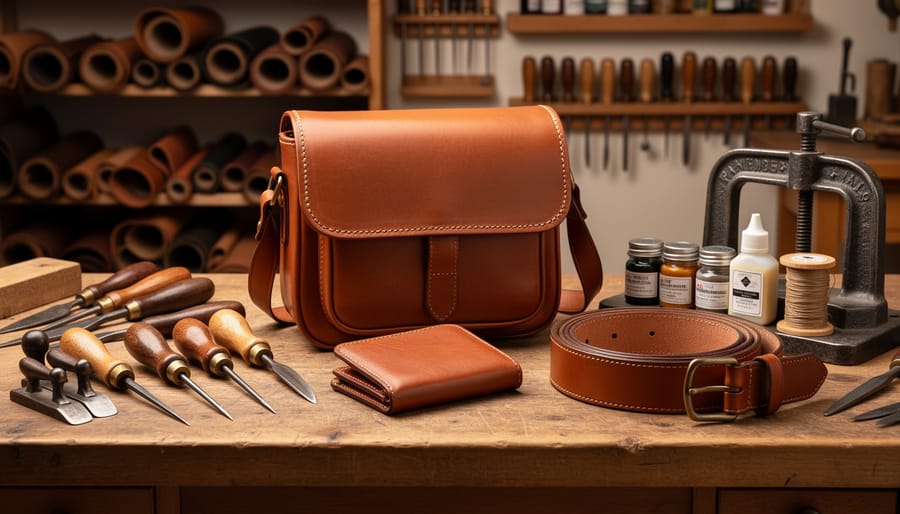
Artisan accessories transform everyday pieces into wearable art through hands-on techniques that machines can’t replicate. A handcrafted leather bag starts with carefully selected hides, cut and hand-stitched using methods passed down through generations, the visible stitching and natural edge finishing reveal human skill rather than factory precision. Artisan jewelry makers forge, solder, and set stones individually, creating pieces with subtle variations that give each one personality. Hand-lasted shoes involve shaping leather over wooden forms and stitching soles with techniques like Goodyear welting, which allows for repairs and extends the life of the shoe far beyond mass-produced alternatives.
These accessories carry distinct markers: slightly irregular hand-stitching, tactile surfaces that improve with wear, and construction details you can actually see and feel. The leather develops a patina unique to your use. The metal work shows hammer marks or hand-applied finishes. You’re not just buying an accessory, you’re investing in something designed to age beautifully alongside you.
Small-Batch Beauty
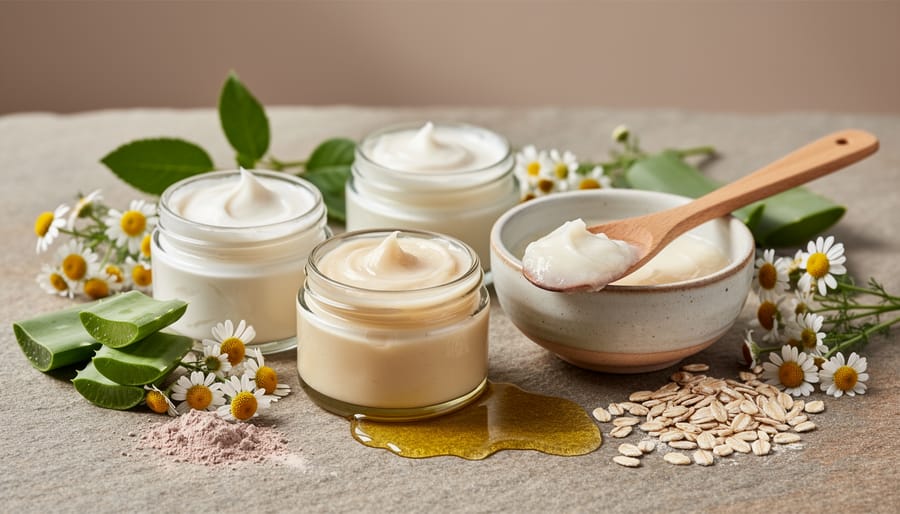
The beauty world’s craftsmanship revival runs deeper than packaging aesthetics. Small-batch beauty makers formulate artisanal skincare using cold-pressed oils, plant extracts they macerate themselves, and preservation methods that honor ingredient integrity. Independent perfumers blend natural essences by hand, adjusting ratios until a scent captures a specific mood or memory, far from the synthetic formulas churned out by commercial labs. Handmade cosmetics like pressed eyeshadows and lip balms arrive in limited runs, often mixed and poured by the same person who sources the pigments and butters. These creators control every variable, testing batches on real skin rather than algorithms. You’ll notice the difference in how a hand-blended face oil absorbs, how a natural perfume evolves throughout the day, or how a small-batch lipstick feels more nourishing than its mass-market counterpart.
How to Recognize and Choose Quality Craftsmanship
Shopping for quality craftsmanship isn’t about spending the most money, it’s about knowing what to look for. When you understand the markers of genuine craftsmanship, you can make confident choices that align with your values, whether you’re investing in a statement piece or discovering an emerging artisan brand.
Start with materials. Quality craftsmanship begins with quality inputs. Natural fibers like silk, linen, wool, and cotton feel different in your hands, they have weight, texture, and movement that synthetic alternatives can’t replicate. In leather goods, full-grain leather (the top layer of the hide) develops a beautiful patina over time, while corrected or bonded leather wears out quickly. For beauty products, scrutinize ingredient lists. Artisan makers typically use recognizable, pronounceable ingredients and avoid harmful ingredients like parabens, synthetic fragrants, and harsh preservatives. If a brand won’t share what’s in their product, that’s your first red flag.
Construction tells the real story. Flip a garment inside out. Quality pieces have finished seams, not raw edges that will fray. Check for even stitching, handmade items may show slight variations, but the work should be consistent and intentional. Buttons should be sewn with a thread shank (creating space between button and fabric) for durability. Zippers should lie flat and operate smoothly. In accessories, look at how pieces connect: are seams glued or stitched? Can you see layers of construction or just a surface treatment?
Finishing details separate good from exceptional. Run your fingers along hems, linings, and edges. Quality work feels smooth, with no loose threads or puckering. Handmade jewelry should have secure closures and smooth solder points. Artisan beauty products often come in thoughtful, reusable packaging, glass bottles, ceramic jars, sustainable materials, because makers who care about their craft care about the complete experience.
Brand transparency matters enormously. Makers proud of their craftsmanship want to share their story. Look for details about who made the piece, where materials are sourced, and what techniques were used. Many artisan brands show their workshop, introduce their team, or explain their process on social media. Vague marketing language about “premium quality” without specifics usually signals you’re paying for branding, not craftsmanship.
Trust your instincts on price. Genuine craftsmanship costs more than mass production because it requires time, skill, and better materials. But high prices don’t automatically mean high quality, you’re looking for value, not just expense. A $200 hand-stitched leather wallet that lasts 20 years offers better value than a $50 glued one you replace annually.
Why Quality Craftsmanship Matters for Your Style
When you choose quality craftsmanship, you’re not just buying something to wear, you’re investing in pieces that reflect who you are and what you stand for. Crafted items become part of your personal story, setting you apart in a world saturated with identical fast-fashion offerings. Each hand-stitched seam, individually set stone, or carefully blended fragrance carries intention and individuality that mass production simply can’t replicate.
The benefits extend far beyond aesthetics:
- Longevity and value: Well-crafted pieces outlast trendy alternatives, offering better cost-per-wear over time
- Unique personal style: Artisan-made items help you build a distinctive wardrobe that tells your story
- Supporting skilled artisans: Your purchase directly sustains traditional techniques and creative livelihoods
- Environmental sustainability: Quality construction and sustainable craftsmanship reduce waste and resource consumption
- Emotional connection: Handmade pieces carry the maker’s energy, creating items you’ll treasure rather than discard
There’s something empowering about knowing the story behind what you own. That hand-tooled leather bag wasn’t churned out by a machine in thousands of identical copies. It was shaped by skilled hands, carries slight variations that make it yours alone, and will develop character as you use it. This connection transforms your relationship with your wardrobe from transactional to meaningful.
Quality craftsmanship also aligns your style with your values. If you care about sustainability, supporting fair labor, or preserving cultural heritage, choosing crafted pieces turns those beliefs into daily practice. Your wardrobe becomes an expression of your ethics, not just your aesthetic. That confidence, wearing things that represent your true self and support what matters to you, is the ultimate style statement.
Common Questions About Quality Craftsmanship
Does quality craftsmanship always mean expensive?
Not necessarily. While true craftsmanship takes time and skill, you’ll find handmade pieces at various price points, from independent makers on Etsy to accessible brands that partner with artisan cooperatives. The key is understanding what you’re paying for: materials, labor, and the maker’s expertise rather than marketing budgets or brand prestige.
How do I care for handmade items?
Most artisans provide specific care instructions, but general rules apply: hand wash delicate textiles in cool water, condition leather goods regularly, and store pieces properly away from direct sunlight. Handcrafted items often last longer than mass-produced alternatives when cared for correctly, making the extra attention worthwhile.
Where should I start shopping for quality craftsmanship?
Begin with local craft markets and maker fairs to meet artisans in person and see their work up close. Online platforms like Etsy, Not on the High Street, and brand websites that emphasize transparency make it easy to discover independent makers. Look for detailed product descriptions, maker stories, and clear photos showing construction details, these signal authentic craftsmanship.
Can I build a wardrobe of quality pieces on a budget?
Absolutely. Start small with versatile accessories, a handcrafted leather belt, artisan jewelry, or handcrafted self-care products, and build gradually. Investing in one well-made piece per season creates a collection over time without straining your budget.
The cost concern often stops people from exploring crafted goods, but it’s worth reframing the question. You’re not just buying a product; you’re investing in something that carries a maker’s expertise, supports ethical production, and typically outlasts cheaper alternatives by years. A handmade bag might cost three times more than a fast-fashion version, but if it lasts ten times longer and brings you joy every time you use it, the math shifts dramatically. Quality craftsmanship isn’t about affordability in the moment, it’s about value over time and the relationship you build with pieces that truly matter to you.
Choosing quality craftsmanship is about more than owning beautiful things. It’s about building a wardrobe and beauty collection that reflects who you are and what you stand for. Every piece you select becomes part of your personal story, a tangible expression of your values and aesthetic vision.
When you invest in crafted items, you’re making a statement about what matters to you. Maybe it’s sustainability, supporting small makers, or simply refusing to settle for disposable fashion. That handwoven scarf, that small-batch lipstick, that carefully constructed jacket, each carries intention, both from its maker and from you as the wearer.
The beauty of exploring heritage craftsmanship today is that it exists across every price point. A vintage market find can be just as meaningful as a luxury investment piece. What matters is that you’re choosing consciously, looking beyond trends to find pieces with soul and staying power.
Start small if you’re new to this approach. Swap one fast-fashion purchase for something handmade. Ask questions about materials and production. Let curiosity guide you toward makers whose work resonates with your style.
Your wardrobe tells your story. Make it one that celebrates authenticity, supports skilled artisans, and honors the time-tested techniques that connect us to fashion’s rich heritage. You deserve pieces that last, that matter, and that make you feel truly yourself.