
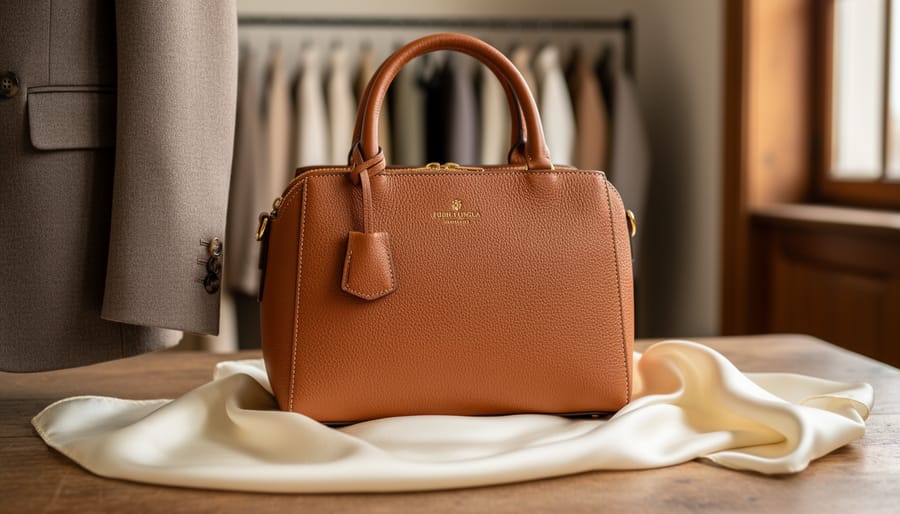
Italian luxury fashion represents centuries of artisanal mastery meeting modern design innovation, where family-run ateliers and storied fashion houses craft pieces that transform how you move through the world. This isn’t about chasing labels for status. It’s about discovering garments cut from the finest fabrics, constructed with techniques passed down through generations, and designed to make you feel like the most confident version of yourself.
The magic of Italian luxury lives in the details most people never see: hand-stitched buttonholes that take twenty minutes each, leather tanned using traditional vegetable methods that create unmatched softness, silks woven in centuries-old mills in Como. When you slip on a piece from Bottega Veneta or Collini Milano 1937, you’re wearing craftsmanship that simply doesn’t exist at lower price points. These brands understand that true luxury whispers rather than shouts.
What makes 2026 such an exciting moment for Italian fashion is the beautiful collision happening between heritage and fresh perspectives. Yes, powerhouses like Prada and Gucci continue setting global trends, but smaller houses are gaining recognition for their commitment to sustainable production and inclusive sizing. You don’t need a trust fund to engage with this world anymore. Understanding which pieces offer genuine value, how to spot quality construction, and where to find these brands at accessible price points opens doors that once seemed firmly closed.
Whether you’re investing in your first designer handbag or building a wardrobe of timeless staples, Italian luxury offers something beyond trends: pieces that improve with age, tell your personal story, and prove that looking extraordinary is your birthright, not a privilege reserved for someone else.
The Italian Fashion DNA: What Makes These Brands Truly Luxurious
Italian luxury fashion isn’t just about designer labels or sky-high price tags. It’s rooted in something deeper: a centuries-old commitment to craftsmanship that treats garment-making as an art form. Walk into any traditional Italian atelier, and you’ll find artisans who learned their trade from parents or mentors who learned from theirs. This generational transfer of knowledge creates a level of expertise that can’t be rushed or replicated by fast fashion production lines.
The fabric comes first. Italian luxury houses source materials with an obsessive attention to detail that borders on reverence. They work directly with textile mills in Como for silk, Biella for wool, and Tuscany for leather, regions where fabric production has been perfected over generations. A luxury Italian brand might reject an entire bolt of cashmere because the hand feel doesn’t meet their exact standard, even if most people wouldn’t notice the difference. This uncompromising approach to materials means that when you invest in an Italian piece, you’re getting fabrics engineered for longevity and performance, not just visual appeal.
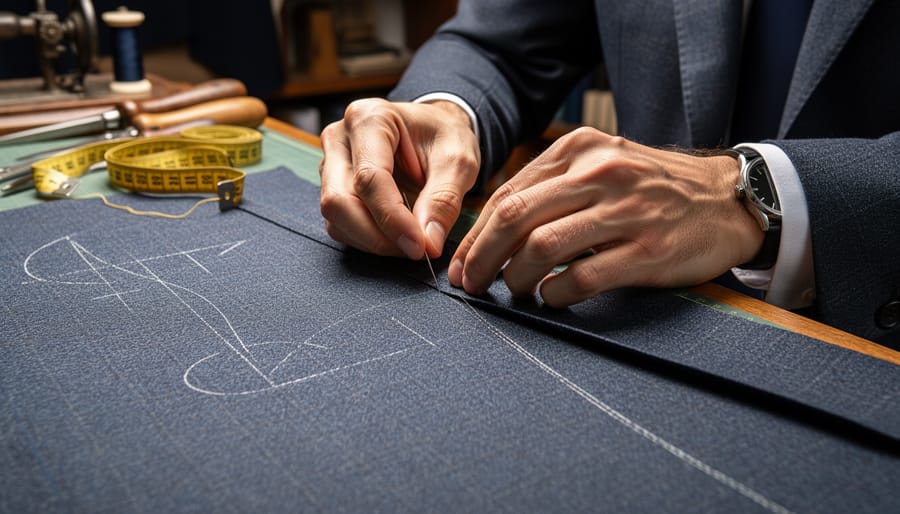
Tailoring is where Italian fashion truly separates itself from the pack. The Italian silhouette balances structure with fluidity in a way that flatters real bodies rather than demanding they conform to rigid shapes. This philosophy extends beyond suits and coats to every category. Italian brands understand that luxury should enhance how you move through the world, not restrict it. A jacket from a quality Italian house will have a shoulder that sits naturally, a waist that defines without pinching, and sleeves set at angles that account for actual human movement.
What makes 2026 particularly exciting is how Italian luxury houses are weaving innovation into this traditional framework. Family-owned brands are collaborating with tech startups on sustainable materials while maintaining their signature construction methods. They’re using 3D body scanning to perfect fit while still finishing garments by hand. This isn’t about abandoning heritage, it’s about ensuring Italian craftsmanship remains relevant for another generation. The result is clothing that honors the past while speaking directly to contemporary life, pieces that work as hard as you do while making you feel absolutely extraordinary.
The Heritage Houses: Icons That Defined Italian Luxury
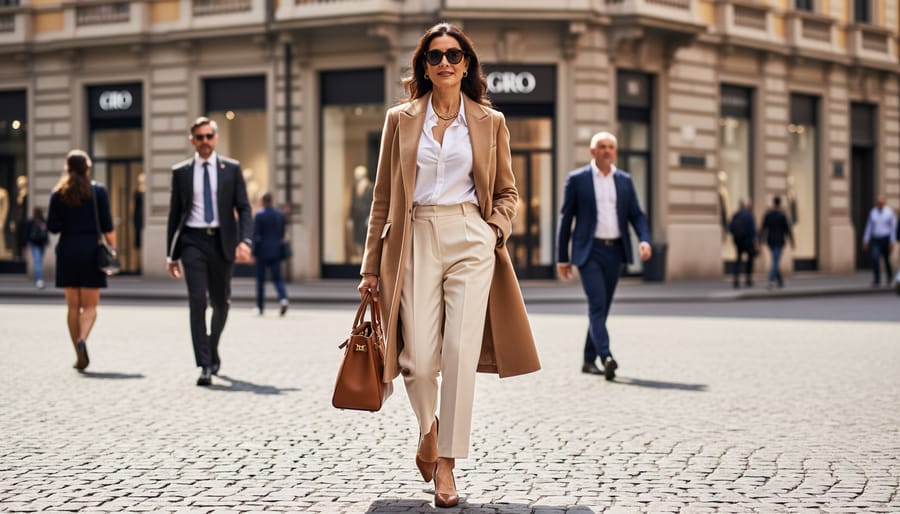
The Power Players: Gucci, Prada, and Versace
These three houses didn’t just shape Italian luxury, they rewrote global fashion’s rulebook. Gucci’s Sabato De Sarno era has stripped back the logo excess of recent years, returning to refined leather goods and understated elegance that honors the brand’s 1920s equestrian roots while feeling utterly modern. The 2026 collections emphasize rich burgundies and forest greens, with those instantly recognizable horsebit loafers reclaiming center stage.
Prada continues its intellectual approach under Miuccia Prada and Raf Simons, blending cerebral minimalism with unexpected bursts of color and texture. Their spring 2026 line plays with proportions, oversized blazers paired with micro skirts, that challenge conventional silhouettes while remaining wearable. It’s fashion that makes you think, then makes you feel powerful.
Versace brings unapologetic glamour. Donatella’s vision for 2026 leans into body-conscious cuts and Medusa motifs that celebrate femininity without apology. The brand’s signature baroque prints appear refreshed through modern color palettes, electric blues meeting gold metallics in ways that photograph beautifully but never feel costume-y.
What keeps Italian luxury brand leaders like these three dominant? They’ve mastered the balance between heritage and evolution. Each season honors their DNA while speaking to contemporary women who want clothes that reflect both confidence and individuality.
Hidden Gems: Lesser-Known Luxury Italian Labels Worth Discovering
Beyond the fashion giants everyone recognizes, Italy nurtures a constellation of luxury houses that fly under the radar, brands where exclusivity isn’t manufactured through marketing but earned through decades of quiet excellence. These labels don’t chase viral moments. They create pieces that become heirlooms.
Collini Milano 1937, for instance, has been crafting luxury fashion since its founding in 1937, operating from its flagship at Via Santo Spirito, 5 in Milan’s historic center. Walk past the store and you’d never guess at the meticulous craftsmanship happening inside, no flashy logos, just an understanding that true luxury whispers. This approach defines Italy’s hidden gems: they’re building for the woman who knows, not the crowd seeking validation.
Brunello Cucinelli operates from a restored medieval village in Umbria, where cashmere is treated like fine wine and every garment reflects what the brand calls “humanistic capitalism.” The prices reflect fair wages and time-intensive processes that mass production can’t replicate.
Loro Piana specializes in vicuña and baby cashmere, materials so rare that each piece represents years of relationship-building with herders in Peru and Mongolia. You’re not buying a coat. You’re buying a supply chain built on respect.
What makes these brands worth seeking out? They offer design perspectives you won’t find anywhere else, often rooted in regional traditions or family archives dating back generations. The waitlists are shorter, the customer service more personal, and the likelihood of showing up to an event in a duplicate outfit approaches zero. In a luxury landscape increasingly dominated by conglomerates, these independent houses represent fashion’s last true refuge for individuality.

How to Invest in Italian Luxury: Finding Pieces That Match Your Style
Investing in Italian luxury isn’t about chasing trends or buying into someone else’s vision of what you should wear. It’s about finding pieces that genuinely reflect who you are, that make you feel powerful when you put them on, and that work with the life you actually live.
Start by getting honest about your personal aesthetic. Are you drawn to clean lines and understated elegance, or do you light up at bold prints and dramatic silhouettes? Do you gravitate toward romantic, flowing fabrics or structured, architectural cuts? Italian luxury brands span the entire spectrum, which means there’s a house that speaks your language. Gucci delivers maximalist exuberance with its eclectic prints and retro flair, while Prada champions intellectual minimalism through unexpected fabric pairings and cerebral design. Versace owns unapologetic glamour, and quieter houses like Collini Milano 1937 offer timeless sophistication rooted in nearly a century of craftsmanship.
| Aesthetic | Italian Brands | Signature Pieces | Perfect For |
|---|---|---|---|
| Minimalist | Prada, Jil Sander, Bottega Veneta | Clean-lined blazers, sculptural bags, refined knits | Women who value versatility and timeless elegance |
| Bold/Maximalist | Gucci, Versace, Dolce & Gabbana | Statement prints, embellished accessories, vibrant color | Those who embrace fashion for every body as self-expression |
| Romantic | Valentino, Ermanno Scervino, Alberta Ferretti | Flowing dresses, delicate lace, soft draping | Women drawn to femininity with an artistic edge |
| Edgy | Marni, MSGM, Diesel | Unexpected proportions, leather pieces, urban tailoring | Fashion-forward individuals who challenge conventions |
Think about your lifestyle realistically. A stunning sequined Versace blazer deserves occasions to shine, but if your daily reality is school runs and coffee meetings, a beautifully tailored Prada tote or a versatile Italian cashmere sweater might bring you more joy. Luxury should enhance your life, not sit in your closet waiting for permission to exist.
Body confidence matters here too. Italian tailoring excels at celebrating the female form, but different houses approach proportions differently. If you have a curvier figure, look for brands that understand draping and structure, like Dolce & Gabbana’s body-conscious designs. Petite women often find that Italian brands with cleaner lines create elongating effects. Taller frames can carry the dramatic proportions that houses like Marni and Valentino love to play with. The right piece should feel like it was designed for you specifically.
Your first Italian luxury purchase should be something you’ll reach for repeatedly, a piece that slots seamlessly into your existing wardrobe while elevating everything around it. A classic leather handbag, a perfectly cut blazer, or a pair of Italian-crafted shoes can transform how you move through the world. Start where your heart leads you, trust your instincts over influencer hype, and remember that luxury is only worth it when it feels unmistakably, authentically yours.
The Price of Perfection: Understanding Italian Luxury Pricing
Let’s be real: Italian luxury fashion doesn’t come cheap, and pretending otherwise would be dishonest. That handbag might cost what you’d spend on a weekend getaway, and those shoes could rival your monthly grocery budget. But understanding where your money actually goes helps you decide when that price tag represents genuine value versus clever marketing.
The biggest cost driver is materials. Italian luxury houses source the world’s finest fabrics, silks from Como, cashmere from Piedmont, leather tanned in Tuscan workshops using centuries-old techniques. These aren’t mass-produced textiles. A single meter of exceptional silk can cost ten times what fast fashion pays for an entire dress. The leather for one handbag might come from a specific region known for grain quality, tanned slowly over weeks rather than days.
Then there’s labor. Italian luxury means human hands, not factory lines. A skilled artisan in Milan might spend eight hours constructing a single jacket, setting sleeves by hand to achieve that perfect shoulder drape. These craftspeople trained for years, often learning their trade through apprenticeships. You’re paying for expertise that can’t be rushed or replicated by machines.
Brand heritage adds another layer. Houses with decades or centuries of history carry the weight of their archives, their reputation, their place in fashion evolution. That’s not hype when it comes with documented innovation and consistent quality. It becomes hype when a brand trades solely on its logo while cutting corners elsewhere.
Here’s how to spot the difference: examine construction details, ask about fabric origins, research the brand’s manufacturing practices. True luxury reveals itself in hand-stitched linings, finished seams you’ll never see, and hardware that functions flawlessly years later. If a piece feels special when you wear it, if it elevates your confidence and withstands time, the investment pays off. If you’re buying it only because everyone else has one, pause and reconsider.

Shopping Smart: Where and How to Buy Authentic Italian Luxury
Finding authentic Italian luxury doesn’t have to feel intimidating. In 2026, the landscape has expanded beyond the traditional marble-floored boutiques to include verified online platforms, specialty retailers, and carefully vetted designer resale channels. The key is knowing where to look and what to look for.
The flagship experience remains unmatched for those who can access it. Milan’s fashion quadrilatero still houses the most comprehensive selections, with stores like the Collini Milano 1937 flagship at Via Santo Spirito, 5, offering the full heritage house experience. But you don’t need a plane ticket to shop smart. Authorized department stores and brand-operated e-commerce sites provide the same authenticity with the convenience of home delivery, often with generous return policies that let you try pieces in your own space.
When exploring online marketplaces and resale platforms, stick to established names with robust authentication processes. Look for detailed provenance information, original receipts when available, and clear return policies. Mindful shopping means verifying authentication guarantees and reading seller reviews carefully. Many platforms now employ expert authenticators who examine every detail before items ship.
Building relationships with sales associates transforms occasional purchases into personalized service. Don’t hesitate to introduce yourself, share your style preferences, and ask to be notified about new arrivals or private sales. These connections often lead to early access, exclusive pieces, and genuine styling advice tailored to your wardrobe. Remember, sales associates at luxury boutiques want to help you find pieces you’ll treasure, not just make a quick sale.
Trust your instincts. Authentic Italian luxury feels substantial, with flawless stitching, quality hardware, and materials that speak for themselves. If something feels off about the weight, finish, or presentation, walk away. Your confidence in what you’re buying matters as much as the piece itself.
Styling Italian Luxury for Real Life: Making High Fashion Work for You
The greatest misconception about luxury Italian fashion is that it belongs locked in a closet, waiting for some mythical perfect occasion. That Prada blazer gathering dust? It’s wasting its potential. Italian designers don’t create pieces to be admired from afar, they craft them to be worn, lived in, and loved through your actual life.
Start by identifying your style personality then choose one signature Italian piece that amplifies it. If you’re drawn to minimalism, a Jil Sander silk shirt becomes your foundation. Love drama? A Versace printed scarf transforms every outfit. The trick is selecting pieces versatile enough to anchor multiple looks rather than items so statement-heavy they trap themselves.
Mix fearlessly. Pair that Gucci loafer with your favorite jeans and a white tee. Layer a Bottega Veneta leather jacket over a high-street dress. Italian luxury shines brightest when it rubs shoulders with the everyday, creating tension between elevated and accessible. This approach stretches your wardrobe exponentially, one Fendi bag can refresh ten outfits you already own.
Build a micro capsule around a key Italian investment piece. If you splurge on tailored Armani trousers, style them five ways: with a crisp shirt for work, a cropped sweater for weekends, a silk camisole for evening, a graphic tee for casual Fridays, and a blazer for presentations. One quality piece doing heavy rotation outperforms ten mediocre items worn once.
Embrace the Italian philosophy of sprezzatura, studied carelessness. Roll your Brunello Cucinelli cashmere sleeves. Throw that Etro blazer over workout gear for coffee runs. Knot a Pucci scarf around your bag strap instead of your neck. Italian style thrives on ease, not perfection.
Don’t save your best pieces for some imaginary future version of yourself. Wear the Valentino now, to the grocery store if that’s where your Tuesday takes you. Luxury becomes truly valuable when it enhances your real life, not an aspirational one. The coffee stain, the slight crease, the tiny scuff, these are proof you’re actually living in your clothes, which is exactly what Italian designers intended all along.
Sustainability and Italian Luxury: The 2026 Landscape
Italian luxury fashion brands have transformed their relationship with sustainability, and in 2026, the conversation has moved from greenwashing to genuine action. If you care about where your clothes come from and the impact they leave behind, you’ll find more transparency and innovation in Italian luxury than ever before.
Many heritage Italian brands now publish detailed supply chain reports, revealing exactly where materials are sourced and how garments are constructed. Brands like Gucci have committed to carbon neutrality across their operations, while Prada has launched collections using regenerated nylon salvaged from ocean plastics and textile waste. These aren’t just marketing slogans anymore. You can trace the journey of your handbag from raw material to finished product.
The shift toward circular fashion is reshaping how Italian luxury houses think about longevity. Several brands now offer repair services, resale programs, and take-back initiatives that extend the life of their pieces indefinitely. When you invest in a well-made Italian coat or bag, you’re buying something designed to be repaired, not replaced. This aligns perfectly with the ethos of sustainable fashion which prioritizes quality and durability over disposable trends.
Smaller Italian houses are leading in ethical production practices. Family-owned brands often maintain closer relationships with their artisans, ensuring fair wages and traditional techniques are preserved. These workshops employ skilled craftspeople who have spent decades perfecting their trade, creating pieces with minimal waste and maximum artistry.
Before you purchase, look for brands that share their sustainability certifications, material sourcing, and labor practices openly. Don’t be afraid to ask questions at boutiques or reach out directly to brands. The Italian luxury houses taking sustainability seriously welcome these conversations because they’re proud of the progress they’re making. Your values and your style can coexist beautifully when you choose brands committed to doing better.
Here’s the thing about luxury Italian fashion: it’s not reserved for anyone except the woman who decides it’s for her. Whether you start with a perfectly tailored blazer, a pair of handcrafted shoes, or a silk scarf from a heritage house like Collini Milano 1937, you’re claiming something that’s entirely yours. The price tag doesn’t determine your worthiness to wear it. Your confidence does.
We’ve covered the heritage, the craftsmanship, the shopping strategies, and the styling possibilities. Now comes the best part: choosing what speaks to you. Maybe you’re drawn to the bold maximalism of Versace or the quiet luxury of an emerging Milanese atelier. Maybe you’ll save for months for one perfect piece or build a collection over years. There’s no wrong way to engage with Italian luxury fashion as long as it feels authentic to who you are.
The beauty of Italian design lies in its diversity. These brands didn’t survive generations by creating uniforms. They’ve thrived by celebrating individual expression, superior quality, and the belief that what you wear should make you feel powerful. So trust your instincts. Explore boldly. Try on that piece that intimidates you. Visit the boutique that feels too fancy. You belong there as much as anyone.
Your perfect Italian luxury piece is waiting. Go find it, wear it unapologetically, and let it remind you that you’re worth every penny.
You may also like
-
Pack These Outfits for Your Orlando Airport to Disney Shuttle Journey
-
Why Your Canadian Fashion Brand Needs Better Links (And How to Get Them)
-
The Compassionate Choice: Why Fashion’s Animal Welfare Standards Matter More Than Ever
-
Beauty Tech is Changing Your Makeup Bag (Here’s What You Need to Know)
-
3 Ways To Style A Classic Blazer