
Choose pieces that tell a story beyond their price tag. Sustainable craftsmanship transforms fashion from disposable commodity into meaningful art—where every stitch, dye, and weave honors both the maker and our planet. This movement isn’t about sacrifice; it’s about rediscovering the soul in what we wear.
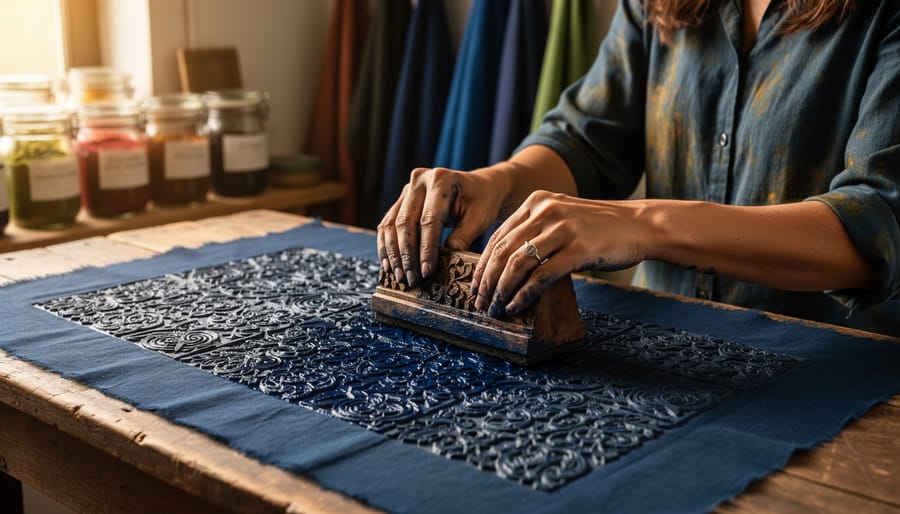
Seek out artisans who use traditional techniques like hand-block printing, natural dyeing with plant-based materials, and zero-waste pattern cutting. These methods have sustained communities for generations while leaving minimal environmental footprints. When you invest in a hand-embroidered jacket or naturally dyed silk scarf, you’re wearing centuries of knowledge passed through skilled hands.
Support brands that practice radical transparency about their supply chains. Real sustainable craftsmanship means fair wages, safe working conditions, and partnerships that empower artisans—especially women in developing regions who preserve ancestral skills while supporting their families.
Start small by choosing one sustainably crafted piece each season instead of ten fast-fashion items. A single hand-woven bag or naturally tanned leather belt becomes a conversation starter, a confidence booster, and a daily reminder of your values. Quality craftsmanship transcends trends, meaning your investment pays dividends in longevity.
Connect directly with makers through artisan marketplaces and craft cooperatives. Understanding the faces and stories behind your wardrobe transforms shopping from transaction to relationship. You’re not just buying a product—you’re championing someone’s livelihood, preserving cultural heritage, and casting a vote for the kind of fashion industry you want to see flourish.
What Sustainable Craftsmanship Really Means for Your Wardrobe
Let’s get real about what happens when you choose a handcrafted piece over something mass-produced. Sustainable craftsmanship is about honoring the hands, time, and skill that go into creating each item in your closet. Unlike the conveyor-belt mentality of fast fashion, this approach celebrates slow, intentional creation where every stitch tells a story.
Think of it this way: sustainable craftsmanship bridges the gap between our grandmothers’ heirloom techniques and our generation’s urgent need for environmental responsibility. When an artisan hand-embroiders a jacket or naturally dyes a scarf using plant-based materials, they’re not just making clothing. They’re preserving cultural traditions while actively pushing back against fast fashion’s environmental impact.
The difference lies in the details. Mass production prioritizes speed and profit margins, often at the expense of quality, worker welfare, and our planet. Sustainable craftsmanship flips this script entirely. It asks: What if we valued durability over disposability? What if we knew the person who made our favorite dress?
This isn’t about perfection or spending a fortune on every piece you own. It’s about making conscious choices when you can, investing in items that last beyond a single season, and understanding that real value comes from knowing your clothes were created with care, dignity, and respect for both people and planet.
Every handwoven basket bag, every naturally tanned leather belt, every hand-knitted sweater represents someone’s expertise and livelihood. When you choose these pieces, you’re not just building a wardrobe. You’re supporting a movement that believes fashion should empower everyone involved in its creation, from the artisan’s studio to your personal style journey.
Eco-Friendly Techniques That Are Changing the Fashion Game
Natural Dyeing and Plant-Based Colors
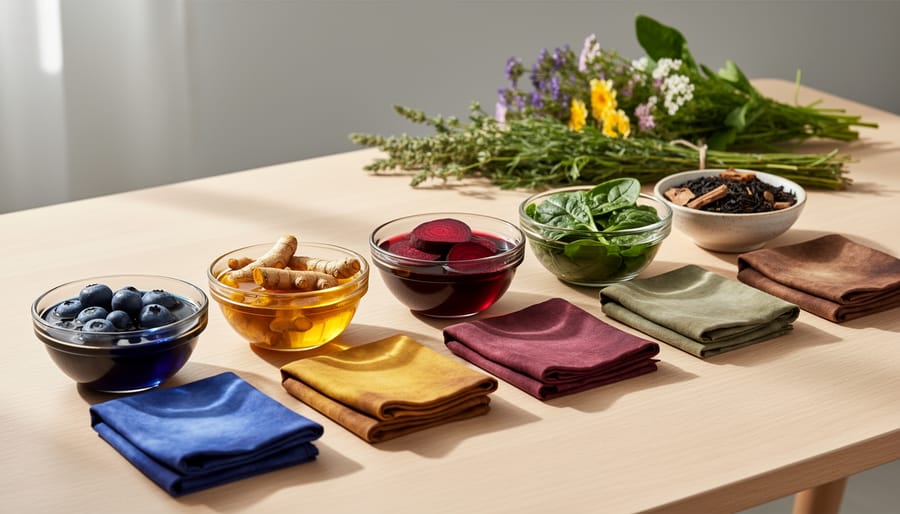
Remember when your grandmother used to dye fabrics with avocado pits and onion skins? That beautiful, time-honored tradition is making a serious comeback, and it’s transforming sustainable fashion in the most gorgeous way. Natural dyeing uses botanical materials like indigo, madder root, turmeric, and even kitchen scraps to create stunning colors without the harsh chemicals found in conventional dyes. Here’s why this matters: conventional textile dyeing and water pollution are seriously connected, with synthetic dyes releasing toxic chemicals into our waterways. Plant-based alternatives skip those nasties entirely, working with nature instead of against it. The best part? Each naturally dyed piece is genuinely one-of-a-kind. Since botanical dyes respond differently to every fabric batch, no two items will ever be identical. That slightly uneven, living color variation isn’t a flaw, it’s your piece’s unique fingerprint. Artisans around the world are rediscovering ancestral dyeing techniques, creating collections that tell stories through color while protecting our planet. When you choose naturally dyed pieces, you’re wearing art that celebrates both tradition and environmental responsibility.
Zero-Waste Design and Upcycling
Imagine turning what would’ve been scraps into your next favorite piece. That’s the magic of zero-waste design, where brilliant pattern-makers create garments that use every single inch of fabric. Designers are getting creative with puzzle-like cutting techniques that fit together perfectly, leaving nothing for the landfill. It’s like Tetris, but make it fashion.
And then there’s upcycling, the ultimate glow-up for forgotten clothes. Vintage denim becomes a structured jacket, your grandmother’s curtains transform into a statement dress, and old band tees get reimagined into trendy crop tops. This isn’t just about being eco-conscious; it’s about celebrating individuality and telling a story through what you wear.
The best part? You can join this movement too. Start small by reimagining pieces already hanging in your closet, or support brands that champion these techniques. Each upcycled creation is one-of-a-kind, meaning you’ll never have that awkward “who wore it better” moment. Zero-waste design proves that sustainability and style aren’t just compatible—they’re the perfect match for the conscious fashionista who wants to look incredible while making a positive impact.
Traditional Handwork Meets Modern Sustainability
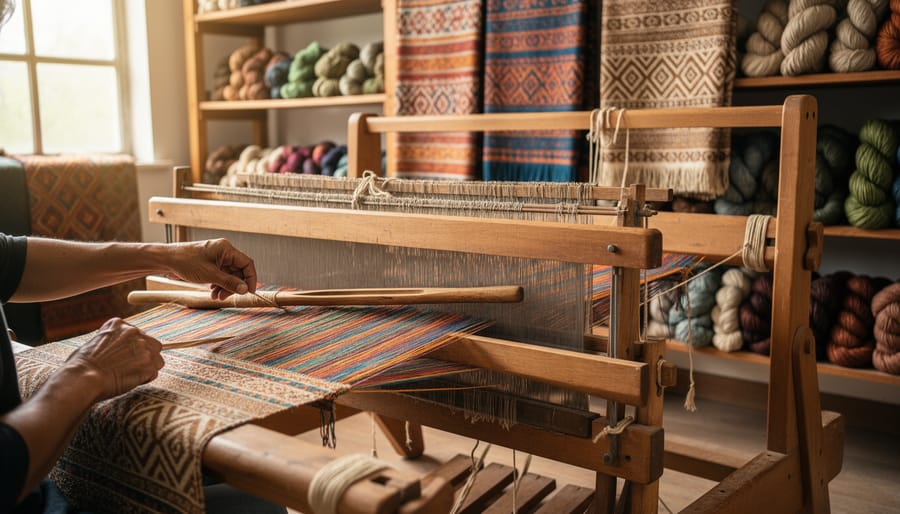
Here’s something beautiful: the techniques our grandmothers used are actually the future of fashion. Hand embroidery, traditional weaving, and artisan knitting aren’t just gorgeous—they’re genuine planet-savers. These time-honored crafts require zero electricity, create minimal waste, and produce pieces built to last generations, not just seasons. When you choose a hand-knitted sweater or embroidered blouse, you’re cutting carbon emissions while keeping centuries-old cultural stories alive. From Peruvian weavers working on backstrap looms to Indian artisans practicing intricate chikankari embroidery, these makers are proving that slow, intentional creation is the ultimate act of resistance against fast fashion. It’s empowerment stitched into every thread—for both the artisan and you.
The Artisans Behind Your Favorite Sustainable Pieces
Behind every sustainable piece in your closet is a person with a story, skilled hands, and a vision for a better fashion future. These are the artisans, makers, and designers who are proving that style and ethics aren’t mutually exclusive—they’re actually the perfect match.
Meet the women-led cooperatives in India preserving centuries-old block printing techniques while ensuring fair wages and safe working conditions for their communities. These artisans transform organic cotton into gorgeous hand-printed pieces using natural dyes made from flowers, roots, and minerals. Each design tells a story passed down through generations, now reimagined for the modern, conscious consumer.
In Peru, alpaca fiber artisans are revolutionizing luxury knitwear. Working in small collectives, these skilled craftspeople use traditional hand-spinning methods that have been refined over hundreds of years, creating pieces that are impossibly soft yet incredibly durable. Their work supports local economies while maintaining the delicate balance of high-altitude ecosystems where alpacas naturally thrive.
When we create with our hands and hearts, we’re not just making clothing—we’re weaving dignity, hope, and possibility into every thread.
This sentiment captures what drives so many sustainable artisans forward. From the embroidery studios in Guatemala employing indigenous women to the small-batch denim designers in Los Angeles reimagining deadstock fabrics, these makers are redefining what fashion means.
What makes their work truly revolutionary isn’t just the eco-friendly techniques—it’s the human connection. When you choose artisan-made pieces, you’re supporting fair labor practices, preserving cultural heritage, and investing in communities. You’re saying yes to transparency, to knowing exactly who made your clothes and under what conditions.
These artisans aren’t just crafting beautiful things; they’re crafting a movement. And every time you choose their work, you become part of that story too.
How to Incorporate Sustainable Craftsmanship Into Your Personal Style
Making sustainable craftsmanship part of your everyday style isn’t about overhauling your entire wardrobe overnight. It’s about making intentional choices that align with your values while still expressing your unique fashion identity. Here’s how to seamlessly weave ethically-made pieces into your personal aesthetic.
Start by learning to identify authentic sustainable pieces. Look for transparency in production—brands that share their artisan stories, materials sourcing, and fair wage practices are usually the real deal. Check for certifications like Fair Trade, GOTS (Global Organic Textile Standard), or B Corp status. Quality craftsmanship reveals itself through details: hand-stitching, natural dyes that create subtle color variations, and unique imperfections that prove human hands were involved. These characteristics tell a story that mass-produced items simply can’t match.
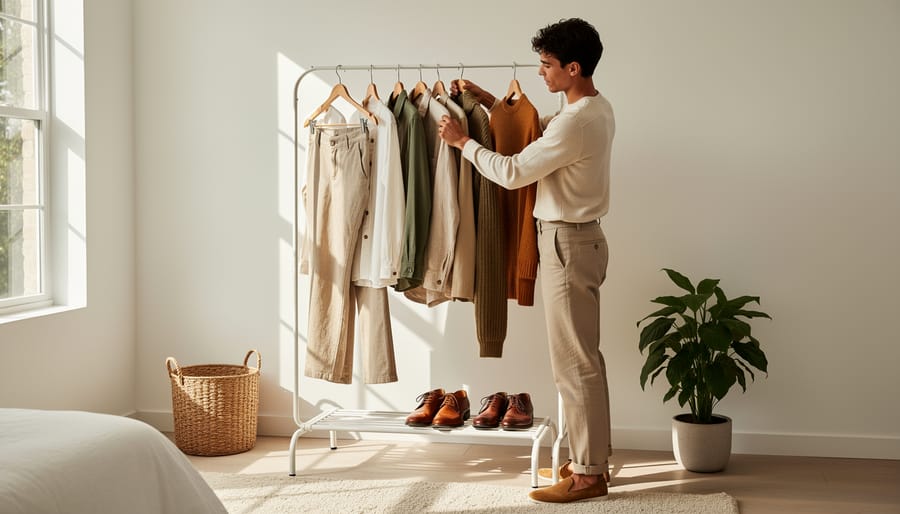
Building a capsule wardrobe with handcrafted items is your secret weapon for sustainable style. Choose versatile, timeless pieces like a hand-woven linen blazer, artisan-made leather sandals, or a naturally-dyed silk scarf. These foundational items work harder in your closet because their quality and classic appeal transcend seasonal trends. Think of each piece as an investment in both your style and the artisan communities who created them.
The beauty of sustainable craftsmanship is how effortlessly it integrates with your existing wardrobe. That vintage band tee you love? Pair it with ethically-made wide-leg trousers. Your favorite fast-fashion jeans can get a sustainable upgrade when styled with a hand-embroidered blouse from a women’s cooperative. Mixing old and new, sustainable and not-yet-sustainable, creates authentic personal style while you transition at your own pace.
Supporting ethical brands doesn’t mean sacrificing your fashion-forward sensibility. Today’s sustainable makers understand style just as much as they understand craftsmanship. Follow brands on social media to learn their stories, sign up for newsletters to discover new artisan collaborations, and don’t hesitate to ask questions about their production processes. Your purchasing power is a vote for the kind of fashion industry you want to see.
Remember, every sustainable piece you choose is both a personal style statement and an act of empowerment—for yourself and the craftspeople behind your clothes.
Where to Find Sustainable Crafted Fashion and Beauty
Ready to start shopping your values? Finding sustainable crafted fashion and beauty is easier than you think, and honestly, the hunt itself can be part of the fun. You’re not just buying products—you’re discovering stories, supporting real people, and building a wardrobe and beauty routine that reflects who you are.
Start local. Your city’s artisan markets, craft fairs, and independent boutiques are treasure troves of sustainable craftsmanship. Chat with the makers, ask about their process, and connect with their journey. There’s something incredibly empowering about knowing exactly who made your favorite piece and how they did it. Plus, you might just make a friend who’ll create custom pieces just for you.
Online, the sustainable marketplace is thriving. Here’s where to focus your search:
| Platform | Focus Area | Sustainability Factor |
|---|---|---|
| Etsy | Handmade fashion and accessories | Direct support for independent artisans worldwide |
| The Detox Market | Clean beauty products | Rigorous vetting for ingredients and eco-packaging |
| GOTS certified brands | Organic textiles | Third-party verified organic materials and fair labor |
| B Corp fashion brands | Ethical clothing | Certified social and environmental performance standards |
For beauty lovers, look for brands proudly displaying certifications like Leaping Bunny (cruelty-free), USDA Organic, or Fair Trade. These aren’t just badges—they’re promises verified by independent organizations.
Verify authenticity by checking brand websites for transparency about their supply chain. The best sustainable brands aren’t shy about sharing their process. If a company is vague about where materials come from or how workers are treated, that’s your cue to keep searching. Your purchasing power is a vote for the world you want to see, so make it count.
Here’s the truth that we hope you’ll carry with you: every piece you choose to bring into your wardrobe is a vote. It’s a declaration of the world you want to see, the artisans you want to uplift, and the planet you’re committed to protecting. Sustainable craftsmanship isn’t about perfection or completely overhauling your closet overnight. It’s about making intentional choices that reflect who you are and what you value.
Start small if you need to. Maybe it’s one handwoven scarf, a pair of naturally dyed earrings, or a vintage jacket that tells a story only you can finish. Each choice is a celebration of your unique style and a step toward a fashion industry that honors people and planet equally. You’re not just following a trend; you’re pioneering a movement that proves sustainable can be absolutely stunning.
Welcome to a community of conscious consumers who refuse to compromise on beauty or values. Your bold, beautiful choices matter more than you know. Together, we’re rewriting the rules of fashion, one thoughtful purchase at a time.