
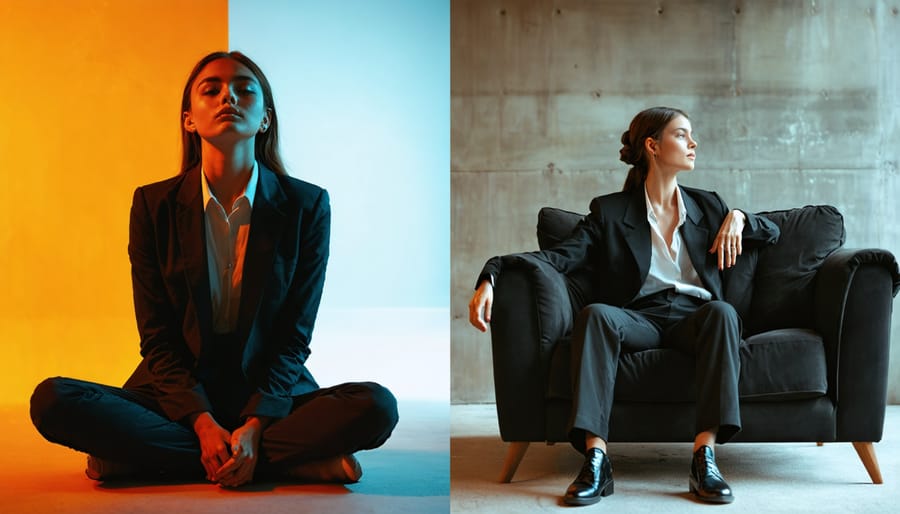
Ever notice how a favorite dress can instantly boost your confidence, or how certain colors seem to lift your spirits? The profound way fashion shapes your identity goes far beyond mere aesthetics – it’s a powerful tool for emotional expression and regulation.
Think of your wardrobe as an emotional toolkit, with each piece carrying its own emotional signature. When you’re feeling vulnerable, that oversized sweater becomes armor. When you need to command attention in a meeting, your sharp blazer transforms into a source of strength. This intimate relationship between what we wear and how we feel isn’t just anecdotal – it’s backed by psychology and neuroscience.
Studies show that our clothing choices can influence not just how others perceive us, but how we perceive ourselves. That power suit doesn’t just look professional; it actually triggers hormonal changes that boost confidence and reduce stress. Similarly, the soft, comforting texture of your favorite loungewear can literally lower anxiety levels and promote relaxation.
In a world where emotions can feel overwhelming, fashion offers a unique form of self-care – one that’s both expressive and protective. It’s time to harness this power consciously and create a wardrobe that supports your emotional wellbeing.
The Psychology Behind Your Closet Choices
Your Mood, Your Style
Ever notice how your outfit choices shift with your emotions? It’s no coincidence – our wardrobes often serve as a mirror to our inner emotional landscape. When we’re feeling confident and energized, we might reach for bold colors and statement pieces that command attention. These power outfits become our armor, helping us tackle challenging days with added swagger.
On days when comfort is paramount, perhaps during periods of stress or vulnerability, we tend to gravitate toward soft fabrics and relaxed silhouettes. These clothing choices act as a gentle hug, providing emotional security when we need it most. It’s fascinating how, in response to changing beauty standards, we’re becoming more intentional about dressing for our emotional well-being rather than external validation.
Consider keeping a style diary for a week – note your mood and what you choose to wear. You might discover patterns that reveal how your emotions influence your fashion choices. Some days, you might dress to match your mood, while other times, you might use clothing to shift your emotional state. That bright yellow dress might be just what you need to lift your spirits on a gloomy day, or those well-worn jeans might provide the comfort you’re craving during uncertain times.
Remember, there’s no right or wrong way to dress for your emotions. Your style journey is deeply personal, and it’s perfectly okay to let your feelings guide your fashion choices.
The Color-Emotion Connection
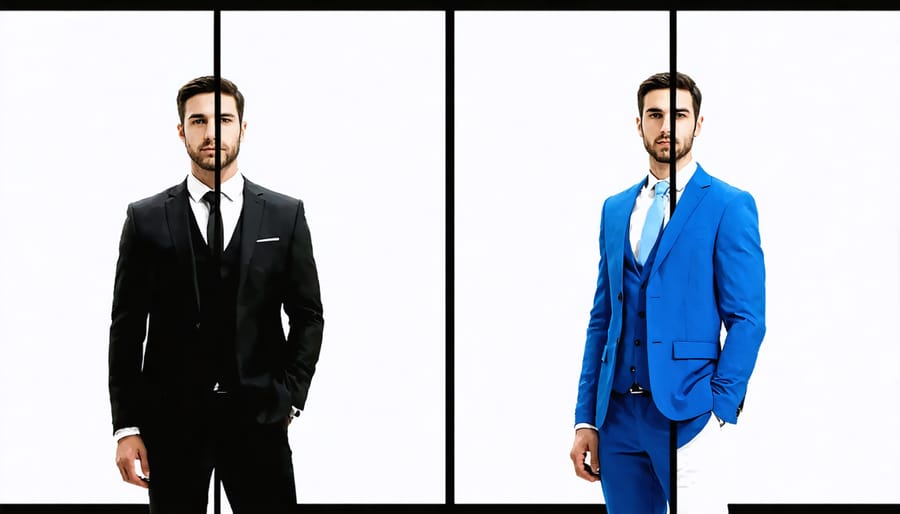
Ever noticed how wearing your favorite red dress makes you feel instantly confident, or how that soft blue sweater brings a sense of calm to your day? The connection between colors and our emotions runs deeper than you might think. Research shows that different hues can significantly impact our mood and how others perceive us.
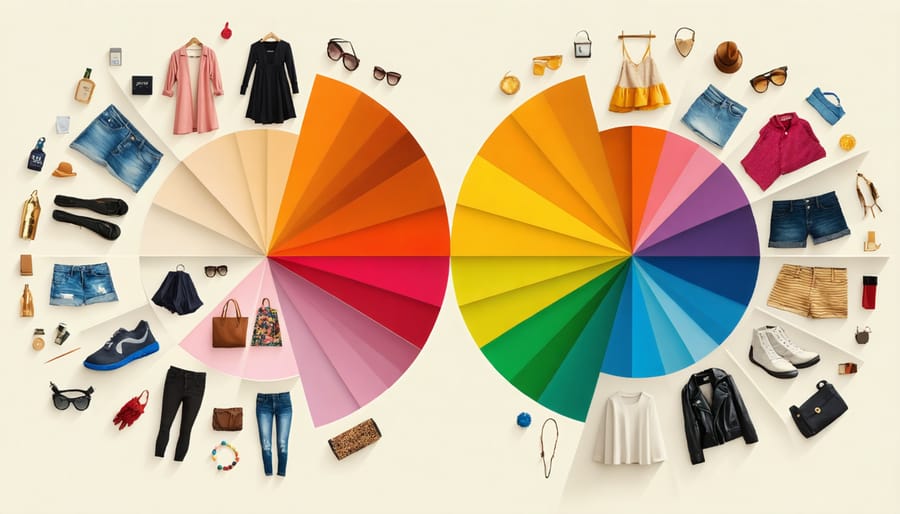
Take yellow, for instance – it’s like wearing a slice of sunshine. This vibrant shade has been linked to increased optimism and creativity, making it perfect for those days when you need an extra boost of positivity. On the flip side, purple traditionally symbolizes luxury and wisdom, helping you channel your inner queen when you need to feel more empowered.
Green brings balance and harmony, reflecting nature’s calming influence. It’s no coincidence that wearing earth tones can help ground us during hectic days. Meanwhile, black isn’t just about sophistication – it can provide a sense of protection and strength when you need to feel more centered and powerful.
Want to harness these color benefits? Start small by incorporating mood-boosting colors into your accessories or try color blocking with shades that complement how you want to feel. Remember, personal associations matter too – if a particular color brings back happy memories, it’s likely to lift your spirits regardless of traditional color psychology.
The key is to listen to your emotional response to different colors and build a wardrobe that supports your desired emotional state. After all, getting dressed should be about more than just looking good – it’s about feeling amazing too.
Dressing to Transform Your Mood
Power Dressing for Confidence
Ever noticed how certain outfits make you stand taller and speak more confidently? That’s the magic of power dressing – a strategic way to express yourself through clothing while boosting your self-assurance.
Start with well-fitted blazers – they’re like instant confidence boosters that frame your silhouette and command attention. Pair them with high-waisted trousers or a pencil skirt for a look that means business. The key is choosing pieces that make you feel unstoppable, whether that’s a bold red dress or a perfectly tailored suit in your favorite neutral shade.
Don’t underestimate the power of statement accessories. A structured bag, architectural heels, or eye-catching jewelry can transform a simple outfit into your personal power suit. Remember, confidence doesn’t always mean formal wear – it could be your favorite vintage leather jacket or those perfectly worn-in boots that make you feel like you can conquer the world.
Color psychology plays a crucial role too. Deep blues convey trust, while rich burgundies exude sophistication. Find your power color – the one that makes you feel invincible – and incorporate it into your confidence-boosting wardrobe.
The most important rule? Wear what feels authentic to you. Power dressing isn’t about conforming to someone else’s idea of confidence – it’s about creating your own signature style that makes you feel unstoppable.
Comfort Fashion for Emotional Balance
In the ever-evolving world of fashion, finding the sweet spot between style and comfort has become more than just a trend – it’s essential for our emotional well-being. Gone are the days when we had to sacrifice comfort for style or vice versa. The key to emotional balance through fashion lies in creating a wardrobe that makes you feel both confident and comfortable.
Start by identifying your comfort anchors – those pieces that make you feel secure and at ease. Perhaps it’s a perfectly broken-in pair of high-waisted jeans or a soft, oversized cashmere sweater. Build your outfits around these pieces, incorporating trend elements that don’t compromise your physical comfort.
Consider the emotional impact of different fabrics. Soft, breathable materials like cotton, modal, and silk can have a calming effect, while structured pieces in comfortable cuts can provide a sense of security and empowerment. The rise of athleisure and elevated basics has made it easier than ever to create polished looks that don’t restrict movement or cause discomfort.
Remember that comfort is deeply personal. What feels cozy and confidence-boosting to one person might feel restricting to another. Listen to your body and emotions when choosing outfits. If you’re feeling anxious or stressed, reach for pieces that provide emotional comfort while maintaining your personal style. The goal is to create a wardrobe that supports your emotional well-being while allowing you to express yourself authentically through fashion.
Expressing Through Accessories
Never underestimate the power of the perfect accessory to transform not just your outfit, but your entire mood. Think of accessories as your personal mood-lifting toolkit – each piece carrying its own emotional superpower. A bold statement necklace can instantly boost your confidence before a big presentation, while a cherished bracelet from a loved one can provide comfort during challenging moments.
Color psychology plays a significant role in how accessories affect our emotions. Vibrant scarves in sunshine yellow or energetic red can inject enthusiasm into a dreary day, while cool-toned pieces in serene blue or gentle green offer a sense of calm when you need to center yourself. Even the weight and texture of accessories can influence how we feel – the substantial feel of a chunky watch can ground us, while light, flowing pieces can help us feel more carefree.
Your accessory choices can also serve as powerful forms of self-expression. Perhaps you’re drawn to unique vintage brooches that tell a story, or you find strength in wearing culturally significant pieces that connect you to your heritage. The beauty of accessories lies in their versatility – they’re small enough to experiment with but impactful enough to make a significant difference in how you present yourself to the world.
Remember, there’s no right or wrong way to accessorize for emotional well-being. Trust your instincts and choose pieces that genuinely resonate with you and make you feel your best self.
Fashion as Emotional Self-Care
Building an Emotion-Friendly Wardrobe
Building an emotion-friendly wardrobe is like creating a personal toolkit for emotional well-being through fashion. As part of your personal style evolution, it’s essential to curate pieces that support different emotional needs and moods.
Start by identifying your emotional power pieces – those items that consistently make you feel confident and comfortable. These might include a perfectly fitted blazer, your favorite pair of jeans, or that dress that always generates compliments. Create a foundation with versatile basics in colors that uplift your mood, then build upon it with pieces that serve different emotional purposes.
For days when you need a confidence boost, include structured pieces with bold silhouettes or power colors like red or royal blue. When seeking comfort, incorporate soft, cozy textures like cashmere sweaters or well-worn denim. For creative inspiration, add pieces with interesting patterns or artistic details that spark joy and imagination.
Consider creating emotional capsule collections within your wardrobe. For example:
– The Comfort Collection: Soft knits, relaxed fits, and soothing colors
– The Power Collection: Sharp tailoring, bold colors, and statement pieces
– The Joy Collection: Playful prints, bright hues, and fun accessories
– The Grounding Collection: Earth tones, natural fabrics, and minimal designs
Remember to include adaptable pieces that can transition between emotional needs. A silk blouse might work for both power meetings and casual brunches, while a well-cut jumpsuit can feel both comfortable and sophisticated. The key is to maintain balance – ensure your wardrobe can support you through various emotional states while remaining true to your authentic style.
Don’t forget to regularly reassess and refresh your emotional wardrobe as your needs evolve. What made you feel powerful last year might not have the same effect today, and that’s perfectly normal. Your wardrobe should grow and change with you, always serving as a source of emotional support and self-expression.
Style Rituals for Emotional Balance
Creating intentional style rituals can be a powerful way to nurture your emotional well-being through fashion. Think of these practices as mindful moments that connect your outer expression with your inner state. Start your day with a closet gratitude ritual: before selecting your outfit, take a deep breath and appreciate three items that make you feel confident and authentic.
Consider implementing a “power color day” when you need an emotional boost. Whether it’s wearing vibrant red for confidence, calming blue for focus, or sunny yellow for optimism, consciously choosing colors can shift your emotional frequency. Make it a practice to notice how different hues affect your mood throughout the day.
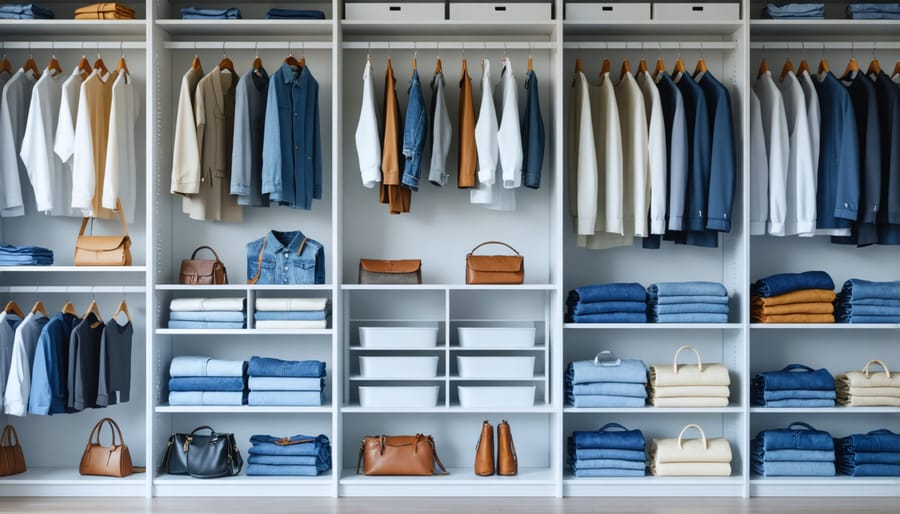
Create a “confidence corner” in your closet where you keep your most empowering pieces. These aren’t necessarily your fanciest items – they’re the ones that consistently make you feel like your best self. On challenging days, reaching for these trusted allies can provide emotional armor.
Practice mindful accessorizing by choosing pieces that hold personal meaning. Perhaps it’s your grandmother’s vintage brooch or a bracelet from a significant milestone. These meaningful touches can serve as emotional anchors throughout your day.
Develop an evening ritual of planning tomorrow’s outfit based on your anticipated emotional needs. If you know you have a challenging presentation, pre-select pieces that make you feel powerful and composed. This practice not only reduces morning stress but also helps you proactively support your emotional state.
Remember to regularly cleanse your wardrobe of items that carry negative associations or no longer serve your emotional well-being. This isn’t just about organization – it’s about creating space for pieces that truly support your journey toward emotional balance and authentic self-expression.
End each day with a moment of reflection: how did your fashion choices influence your emotions? Over time, these observations will help you build a more intuitive understanding of your personal style-emotion connection.
Fashion is more than just the clothes we wear – it’s a powerful tool for emotional expression and self-care that we can actively harness to enhance our well-being. As we’ve explored throughout this article, the relationship between our wardrobe choices and emotional states runs deep, offering us a unique opportunity to influence how we feel and present ourselves to the world.
By mindfully selecting our outfits, we can create a personal armor that helps us navigate life’s challenges with confidence. Whether it’s choosing bright colors to lift our spirits on gloomy days, wearing power suits to channel our inner boss, or wrapping ourselves in cozy knits when we need comfort, fashion provides us with endless possibilities for emotional regulation.
Remember that your relationship with fashion should be personal and authentic. There’s no one-size-fits-all approach to style and emotional expression. Listen to your inner voice, experiment with different looks, and pay attention to how different pieces make you feel. Your wardrobe can be a source of joy, confidence, and self-expression.
As you move forward, consider making conscious choices about your clothing that align with your emotional needs. Build a wardrobe that supports your mental well-being and celebrates your unique identity. After all, fashion isn’t just about following trends – it’s about creating a visual language that speaks to your soul and empowers you to be your best self every day.
You may also like
-
How Fashion Shapes Who You Become: Identity Formations Through Style
-
How Fashion Psychology Shapes Your Shopping Decisions (And What It Reveals About You)
-
How Fashion Shapes Your Identity (And Why It Matters More Than You Think)
-
Why Fashion’s Beauty Standards Are Shifting (And What It Means for You)