
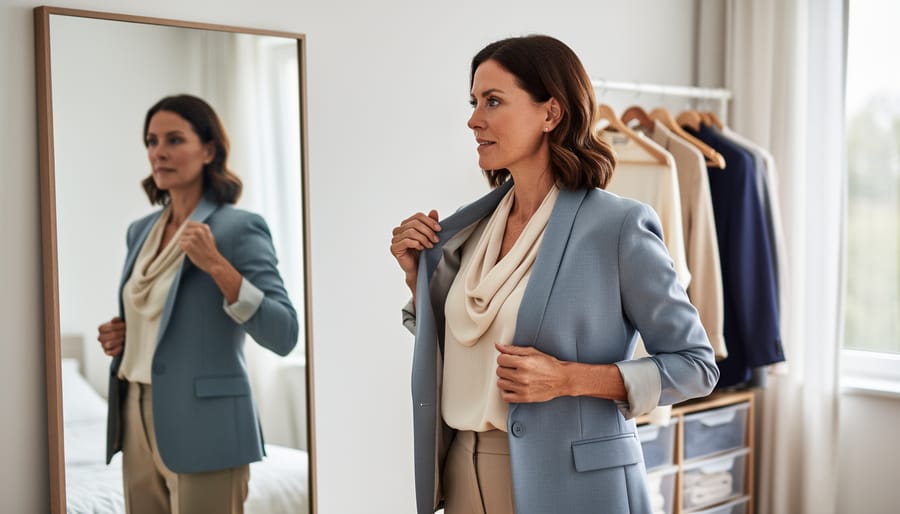
Fashion psychology is the study of how clothing choices influence our emotions, behavior, and the way others perceive us. It explores the powerful relationship between what we wear and how we feel, examining everything from the confidence boost of a favorite outfit to the way certain colors affect our mood and the moods of people around us.
For women navigating social anxiety in 2026, this field offers something genuinely transformative. The outfits you choose aren’t superficial details. They’re tools that can shift your internal state before you even step into a room. Research consistently shows that clothing affects our cognitive processes, a phenomenon scientists call “enclothed cognition.” When you wear something that makes you feel capable, your brain actually performs differently. You stand taller, speak more clearly, and project a version of yourself that feels more aligned with who you want to be.
This matters because social anxiety often creates a gap between how we feel inside and how we want to show up in the world. That disconnect can be exhausting. Fashion psychology bridges that gap by giving you concrete strategies to work with your wardrobe as an ally, not just decoration. It’s not about conforming to anyone else’s standards or forcing yourself into trends that don’t resonate. It’s about understanding the psychological mechanics behind why certain pieces make you feel grounded while others amplify your discomfort.
This article breaks down what fashion psychology actually is, how the mind-clothing connection works, the key components that influence your experience, and practical ways to apply these insights when social situations feel overwhelming. You’ll walk away understanding both the science and the application, with actionable approaches you can test immediately.
What Is Fashion Psychology?
Fashion psychology is the scientific study of how clothing and appearance affect our psychological states, behaviors, and social interactions. It examines the two-way relationship between what we wear and how we think and feel, exploring both how our internal state influences our fashion choices and how those choices, in turn, shape our emotions, confidence, and the way we navigate the world.
At its core, fashion psychology recognizes that clothing is never just fabric. Every outfit we choose becomes a form of nonverbal communication, sending messages to ourselves and to others. For women dealing with social anxiety, this field offers valuable insights into why certain outfits make us feel protected or exposed, confident or self-conscious, and how we can use this knowledge intentionally rather than letting it control us.
The discipline draws from cognitive psychology, social psychology, and consumer behavior research to understand several key concepts:
- Enclothed Cognition
- The systematic influence that clothes have on the wearer’s psychological processes and performance. When you dress in a way that feels powerful or professional, your behavior and thinking patterns shift to match.
- Self-Presentation Theory
- The conscious and unconscious strategies we use to control how others perceive us through appearance, particularly relevant when managing social anxiety and public perception concerns.
- Social Identity Theory
- How we use clothing to signal group membership and establish our place within social structures, which can either intensify or ease anxiety depending on how aligned we feel with those groups.
Fashion psychologists study why a favorite outfit can transform your entire day, why you might avoid certain social situations because you “have nothing to wear,” or why the right jacket can make you feel capable of handling a difficult conversation. These aren’t superficial concerns, they’re deeply rooted in how humans process identity, belonging, and self-worth.
Understanding fashion psychology means recognizing that your wardrobe anxiety isn’t vanity or weakness. It’s a legitimate psychological response to the very real social dimensions of appearance, and learning to work with it rather than against it can be genuinely transformative.
How Fashion Psychology Works

The Mind-Body Connection in Fashion
When you slip into an outfit that makes you feel powerful, something remarkable happens in your brain. This isn’t just about looking good, it’s about a genuine psychological shift that researchers call enclothed cognition. The principle is simple but profound: what you wear literally changes how you think and behave.
Studies show that clothing influences our cognitive processes and emotions before we even leave the house. When you put on clothes that make you feel capable, your brain processes that information and adjusts your mental state accordingly. A blazer might trigger feelings of professionalism and competence. Your favorite jeans could spark a sense of ease and authenticity. These aren’t shallow reactions, they’re rooted in the associations you’ve built between specific garments and psychological states.
For women navigating social anxiety, this connection offers a practical tool. The physical sensation of wearing certain textures, colors, or silhouettes sends direct signals to your nervous system. Soft fabrics might soothe an anxious mind. Structured pieces could provide a sense of protective armor. This is embodied cognition at work, your body and mind aren’t separate systems, they’re constantly communicating through what you wear.
The key is noticing which clothes genuinely shift your internal state versus which you think should make you feel confident. Your body knows the difference, and that awareness becomes your foundation for dressing in ways that support your mental well-being.
Fashion as Social Communication
Our clothes speak before we do. Within seconds of meeting someone, they’ve already processed dozens of visual cues from your outfit, the formality of your clothing, the colors you’ve chosen, the care you’ve taken with details. This instant communication happens whether we intend it or not, making fashion a powerful form of non-verbal language in every social interaction.
When you walk into a room wearing a tailored blazer versus an oversized hoodie, you’re sending different messages about your mood, your role, and your openness to interaction. A bold print suggests confidence and personality. Muted neutrals might signal professionalism or a preference for blending in. Even small choices, sneakers versus heels, statement jewelry versus none, communicate something about how you see yourself and how you want to be approached.
For women navigating social anxiety, this communication channel cuts both ways. Understanding what your clothes say to others gives you some control over first impressions, which can ease the unpredictability that fuels anxiety. If you know your outfit projects competence or approachability, you might enter a social situation with less worry about being judged or misunderstood.
But there’s pressure here too. The awareness that people are reading your appearance can amplify anxiety, especially when you’re uncertain about social norms or fear standing out. Some days, choosing an outfit feels like preparing for a test you haven’t studied for, what’s the right answer for this situation?
The key is recognizing that fashion communication is a tool you can learn to use intentionally, not a test you pass or fail.
Types of Fashion Psychology in Practice
Therapeutic Fashion Choices
Therapeutic fashion choices center on intentional clothing decisions that calm rather than provoke anxiety in public settings. This approach recognizes that certain fabrics, fits, and styles can either amplify or soothe your nervous system before you even step out the door.
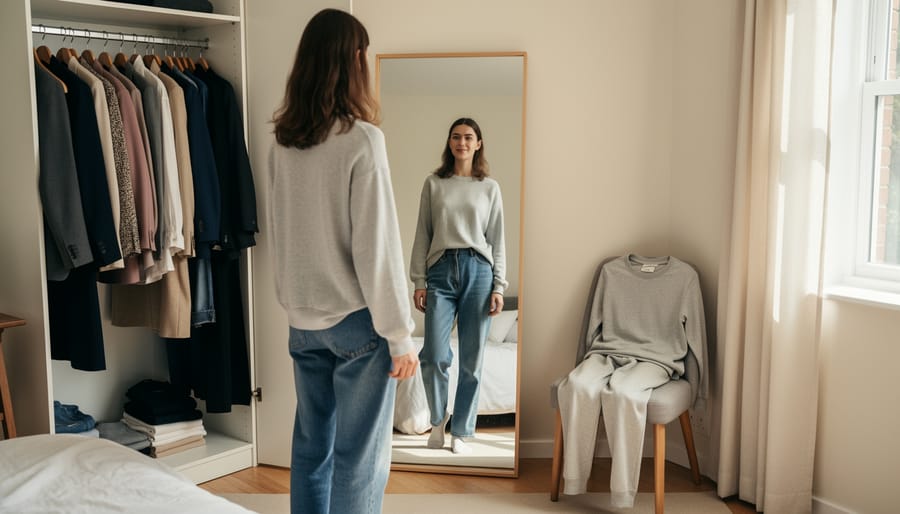
Start with texture as a grounding tool. Soft, breathable materials like cotton or bamboo blends create physical comfort that translates to mental ease, while scratchy tags or restrictive waistbands can heighten already-present tension. Consider how your wardrobe shapes emotions through these tactile experiences, the weight of a favorite cardigan or the security of well-fitted jeans can function as portable comfort objects.
Strategic layering offers psychological control in unpredictable social situations. A blazer you can remove, a scarf you can adjust, or a jacket that works as both armor and security blanket gives you agency when anxiety spikes. These pieces let you physically adapt as your comfort level shifts throughout an event.
Therapeutic dressing also means identifying your anxiety triggers and dressing around them. If self-consciousness about specific body parts feeds social worry, choose cuts that feel protective rather than exposing. This isn’t about hiding, it’s about reducing cognitive load so you can focus on connection rather than constant self-monitoring. Professional treatments for social anxiety often include exposure therapy, but your wardrobe can serve as a bridge, offering just enough security to practice being present without overwhelming yourself.
Identity-Affirming Style
When you dress in ways that contradict who you really are, your brain has to work overtime maintaining that facade. This creates a constant low-level stress that amplifies social anxiety. You’re not just worried about judgment, you’re worried about being discovered as inauthentic.
Identity-affirming style means choosing clothes that genuinely reflect your personality, values, and comfort level rather than forcing yourself into trends or expectations that feel wrong. If you’re naturally introverted and love muted tones, embracing that instead of wearing bright colors because they’re “in” removes a layer of psychological friction.
This approach reduces anxiety because it eliminates the exhausting mental calculation: “Am I pulling this off? Do I look like I’m trying too hard?” When your outer appearance matches your inner reality, you can focus on actual social interaction instead of managing your costume.
The relief comes from congruence. You’re not presenting one version to the world while feeling like another person entirely. That alignment creates a foundation of authenticity where social anxiety has less room to spiral, because you’re not juggling multiple identities in your head while trying to have a conversation.
Confidence-Building Wardrobe Strategies
Starting with small, intentional changes often works better than a complete wardrobe overhaul. Pick one outfit you genuinely feel good in, something that fits well and reflects your style, and wear it when you need a confidence boost. Notice how it makes you feel, then use that as your baseline for building more pieces that create the same effect.
The “power pose” principle applies to clothing too. Structured pieces like blazers or well-fitted jeans can literally make you stand taller and feel more capable. This isn’t about dressing formally; it’s about choosing items that give your body positive physical feedback. A leather jacket might do this for you, or a pair of boots that change your posture.
Create what therapists call “anchor outfits”, go-to combinations you’ve tested and know work for specific situations. Having these ready eliminates the morning anxiety spiral of “nothing feels right.” You’re not limiting your choices; you’re giving your anxious brain fewer decisions to stress over when you’re already vulnerable.
Focus on fit over trends. Clothes that actually fit your body, not too tight, not drowning you, reduce the physical self-consciousness that feeds social anxiety.
How Fashion Psychology Helps Navigate Social Anxiety
Creating Your Anxiety-Reducing Wardrobe
Building a wardrobe that eases anxiety starts with identifying your comfort anchors, the specific fabrics, fits, and pieces that make you feel genuinely at ease. Notice what you reach for on low-anxiety days versus high-stress moments. Soft knits might calm you, or structured blazers might provide reassuring containment. Your comfort triggers are uniquely yours.
Start with a foundation of three to five outfits you can assemble without thought. These should feel physically comfortable (no pinching waistbands or scratchy textures), align with how you want to be seen, and work across multiple contexts in your life. When decision fatigue compounds anxiety, having reliable combinations eliminates morning wardrobe stress.
Next, remove clothing that consistently triggers negative self-talk or physical discomfort. That dress you keep because you “should” wear it? If it sparks anxiety every time you consider it, it’s working against you. Your wardrobe should contain only pieces that either feel neutral or actively boost your confidence.
Build in flexibility through layers and accessories. A cardigan or scarf gives you options mid-situation if anxiety spikes and you need to adjust. Knowing you can modify your look provides psychological security.
Finally, keep one “armor outfit”, something that makes you feel genuinely powerful and protected for high-stakes situations. This isn’t about hiding; it’s about having a reliable confidence tool when you need extra support navigating public perception.
Dressing for Different Social Situations
Different situations trigger different anxiety responses, which means your fashion psychology toolkit needs to be flexible. The key isn’t having separate wardrobes, it’s understanding how to adapt your core anxiety-reducing principles to match the social context.
For work environments, structure often calms anxiety. Well-fitted blazers, clean lines, and coordinated pieces create a sense of control and competence. If presentations spike your anxiety, wearing something with a defined waistline or structured shoulders can literally help you feel more grounded. The goal isn’t looking “professional” by some external standard, it’s finding pieces that make you feel capable and present.
Social events demand a different approach. Here’s where understanding how fashion shapes identity becomes crucial, dressing authentically reduces the exhausting work of maintaining a facade. Choose outfits you can forget you’re wearing. If you’re constantly adjusting a hemline or worrying about a plunging neckline, that mental energy compounds your existing social anxiety. Comfort and confidence matter more than trends.
Casual outings offer the most freedom but can paradoxically trigger anxiety about looking “too dressed up” or “not put together.” Create a personal uniform, a go-to combination that feels effortlessly you. Jeans that fit well, a flattering top, comfortable shoes. Having this anchor outfit eliminates decision fatigue and the second-guessing that feeds anxiety.
When Fashion Becomes a Comfort Tool
There’s a healthy middle ground between dressing to ease your anxiety and using fashion to avoid situations entirely. When your wardrobe genuinely supports your confidence, maybe a blazer that makes you feel professional or jeans that help you relax, that’s fashion working for your wellbeing. The line shifts when you won’t leave home without specific items, or when the “wrong” outfit becomes a reason to skip events altogether.
Pay attention to whether your fashion choices expand or limit your life. If they help you show up more fully, they’re supportive. If they become rigid rules that control where you go or what you do, that’s worth examining. Fashion should open doors, not become another source of pressure.
Real-World Uses of Fashion Psychology
Real-world scenarios reveal just how directly fashion psychology principles translate into managing social anxiety. Consider walking into a job interview after carefully selecting an outfit that makes you feel capable and prepared, you’re not just dressing for the interviewer, but creating a psychological anchor for yourself. When your appearance aligns with how you want to feel, your anxiety has less room to spiral. These principles apply across countless situations where social perception feels heightened.
Women use fashion psychology strategies to navigate various anxiety-inducing contexts:
- Job interviews where first impressions feel make-or-break, selecting clothes that signal professionalism while feeling like yourself reduces the cognitive load of pretending
- First dates when vulnerability already runs high, choosing an outfit that reflects your personality cuts the anxiety of wondering if you look “right”
- Networking events where everyone seems impossibly put-together, having go-to confidence pieces means one less decision point when stress peaks
- Public speaking engagements where all eyes turn toward you, wearing something that feels like armor (but looks polished) grounds you when nerves hit
- Re-entering social life after periods of isolation or mental health struggles, rebuilding your wardrobe becomes part of reclaiming your place in the world
- Daily routines where getting dressed sets your emotional tone, establishing morning rituals around clothing choices creates predictable confidence
These applications matter because they acknowledge reality: social anxiety doesn’t disappear, but fashion psychology offers tangible management tools. Understanding how shopping decisions reflect psychological needs helps you build a wardrobe that actually serves your mental health rather than working against it.
The practice extends beyond single events. Women dealing with chronic social anxiety often develop capsule wardrobes of trusted pieces that eliminate morning decision paralysis. Others use fashion psychology when navigating spaces where they feel they don’t belong, the new gym, the upscale restaurant, the professional conference. As beauty standards shifting continues reshaping expectations, fashion psychology becomes a tool for defining your own metrics of feeling prepared and confident rather than chasing external validation.
Common Questions About Fashion and Social Anxiety
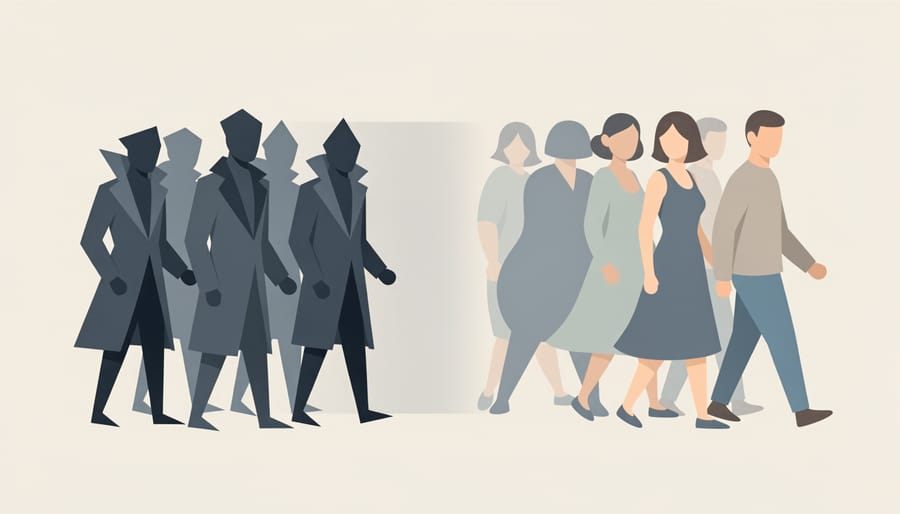
Is caring about what you wear when dealing with social anxiety somehow shallow or superficial? Not at all. The relationship between emotions and outfits is deeply psychological and profoundly practical. When your internal world feels chaotic, having external elements you can control provides genuine comfort and stability. Fashion becomes a form of self-care, not vanity.
Is it shallow to care about clothes when dealing with anxiety?
No. Using fashion to manage anxiety is a legitimate coping strategy rooted in psychology. What you wear affects your nervous system, posture, and self-perception, caring about these things is self-care, not superficiality.
How do I stop caring what others think about my appearance?
Complete indifference is unrealistic and unnecessary. Instead, shift focus from seeking approval to expressing authenticity. When you dress for yourself first, others’ opinions lose their power because you’re grounded in your own choices.
What if I can’t afford to buy a whole new wardrobe?
You don’t need new clothes. Start by identifying which current pieces make you feel most comfortable and confident, then build outfits around those. Fashion psychology works with what you already own when you approach it intentionally.
Can fashion really change how anxious I feel?
Fashion alone won’t cure anxiety, but it can reduce triggers and build confidence. The right outfit lowers your cognitive load in social situations, letting you focus on connection rather than self-consciousness.
Many women worry they should just “get over” caring about appearance, but that dismisses a powerful tool. Your wardrobe exists whether you engage with it intentionally or not. Choosing pieces that support rather than sabotage your mental health makes navigating public spaces measurably easier.
The question isn’t whether fashion matters to your anxiety, it already does. The real question is whether you’ll harness that connection deliberately or let it work against you unconsciously. When you understand that dressing with intention is a form of emotional preparation, not shallow preoccupation, you reclaim agency over both your appearance and your comfort level in the world.
Types or components
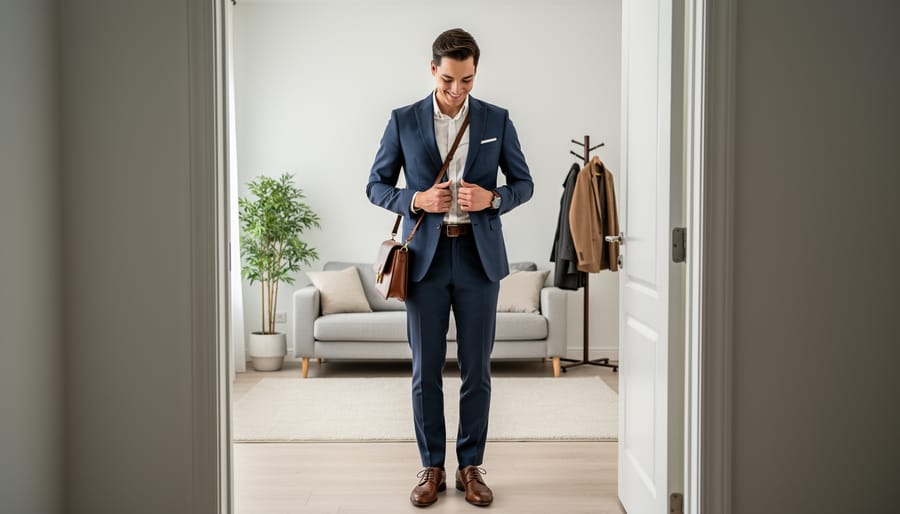
The relationship between fashion and psychology operates through several interconnected components. Understanding these elements helps you harness clothing’s power intentionally rather than reacting to external pressures.
Cognitive components include how garments influence thought patterns and decision-making. When you wear something that feels “like you,” your mental energy shifts from self-monitoring to engaging with the world around you. Emotional components encompass mood regulation through color, texture, and fit, choosing soft fabrics on difficult days or structured pieces when you need to feel grounded.
Behavioral components involve how clothing choices affect your actions and posture. That outfit that makes you stand taller actually changes how you move through space. Social components address how fashion mediates interactions, from signaling group belonging to establishing boundaries with others.
The identity component connects all these elements, anchoring your wardrobe in authentic self-expression rather than external validation. Identity-aligned style reduces social anxiety because you’re not performing a role, you’re simply being yourself, fully clothed in that truth.
Your wardrobe isn’t just about looking good, it’s a resource for feeling grounded, capable, and genuinely yourself. What you’ve learned about fashion psychology gives you permission to approach getting dressed differently. Instead of worrying whether you’ve chosen the “right” outfit to meet external standards, you can ask what will help you show up as your authentic self while managing whatever anxiety surfaces.
This shift matters. When social anxiety makes public spaces feel overwhelming, knowing you can use clothing as a form of self-care, not self-criticism, changes the dynamic. Your style becomes something that supports you rather than another source of pressure.
The strategies we’ve explored aren’t about hiding who you are or conforming to make anxiety disappear. They’re about equipping yourself with tools that honor both your mental health needs and your desire to express yourself. Some days that means reaching for the blazer that makes you feel professional and composed. Other days it’s the soft sweater that provides literal comfort. Both choices are valid when they serve you.
Fashion psychology doesn’t eliminate social anxiety, but it offers a tangible way to work with it. You’re not trying to fix yourself through clothes or dress your way out of legitimate feelings. You’re simply acknowledging that what touches your skin all day affects how you move through the world, and you deserve to make those choices deliberately and kindly.
Your style is yours to define. When you dress in ways that respect your needs while reflecting who you truly are, you’re not just navigating public perception, you’re honoring yourself first. That’s where real confidence begins.
You may also like
-
What Is Fashion Journalism (and How Does It Shape the Industry)?
-
What Is Innovation in the Beauty Industry (and How Is Technology Changing It)?
-
Your Digital Footprint: What It Is, How to Manage It, and Where to Get Support
-
What Is Native American Textile Art (and How Indigenous Techniques Are Being Revived)?
-
What Is This Renewable Resource Made from Rotting Plant Material? (And How It’s Transforming Fashion)