
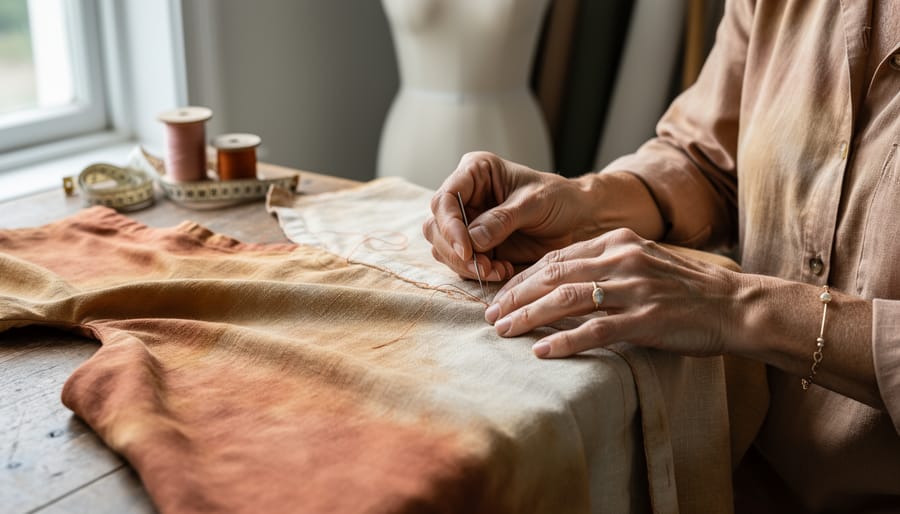
Fashion artistry is the practice of designing garments and accessories as expressive, conceptual works that prioritize creativity, craftsmanship, and emotional storytelling over commercial wearability alone. Unlike mainstream fashion, which balances trend and mass appeal, fashion artistry treats clothing as a medium for personal vision, cultural commentary, and technical innovation.
It matters because it redefines what clothes can be and mean. Fashion artistry challenges the idea that your wardrobe exists only to follow trends or fit in. Instead, it celebrates individuality, provokes thought, and often champions sustainable practices through intentional, high-quality creation. When you understand fashion artistry, you gain a new lens for appreciating design, from runway spectacles to the handmade jacket hanging in a local boutique.
This article breaks down exactly what separates artistic fashion from everyday clothing, how designers bring these visions to life, and the different forms fashion artistry takes in 2026. You’ll also discover how this creative approach shows up in your life, whether you’re curating your personal style, exploring sustainable brands, or simply learning to see garments as more than fabric and thread.
Think of fashion artistry as the bridge between fine art and what you wear. It invites you to move beyond passive consumption and into active appreciation, recognizing the skill, intention, and courage behind pieces that dare to be different. The designers pushing these boundaries aren’t just making clothes. They’re making statements, sparking conversations, and reminding us that self-expression through fashion is a powerful, deeply personal act.
What Fashion Artistry Really Means
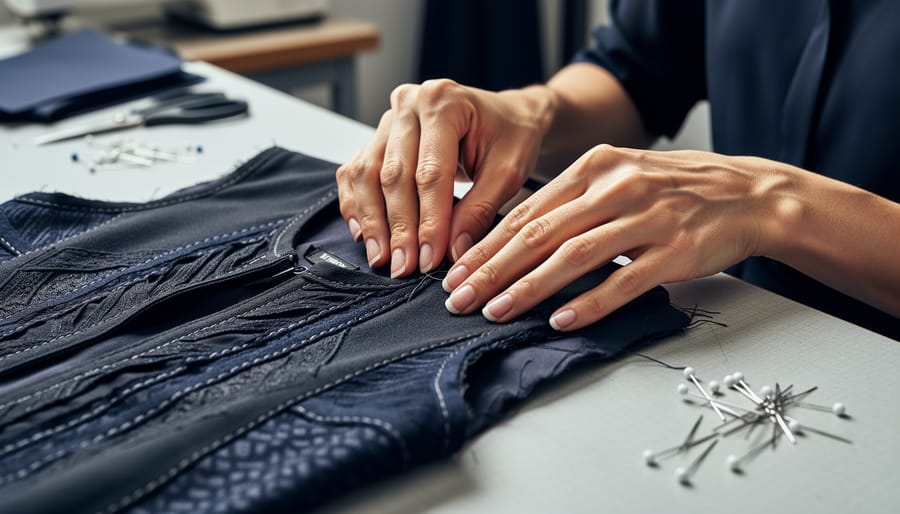
Fashion artistry is what happens when fashion designers are creative not just to sell clothes, but to make something that feels genuinely alive. It’s the practice of turning fabric, thread, and raw materials into pieces that carry intention, emotion, and a point of view. Unlike mass-produced garments designed for speed and volume, fashion artistry puts the maker’s hand and vision front and center. Every stitch, drape, and detail is a deliberate choice.
At its core, fashion artistry blends three things: technical skill, a clear creative vision, and deeply personal expression. You need the know-how to cut, sew, and construct. You need a concept that guides what you’re making. And you need the courage to let your own voice come through, whether that’s playful, provocative, or quietly poetic. This combination is what separates artistic fashion from the conveyor belt.
- Craftsmanship
- The hands-on skill and meticulous attention to detail required to construct garments with precision and care. It honors traditional techniques while allowing room for innovation.
- Wearable Art
- Clothing designed to be both functional and expressive, blurring the line between fashion and fine art. These pieces invite the wearer to become part of the creative statement.
- Artistic Vision
- The unique perspective and conceptual direction that guides a designer’s work, shaping everything from silhouette to storytelling. It’s what makes a piece recognizably theirs.
- Sustainable Design Philosophy
- An approach that prioritizes ethical material sourcing, waste reduction, and long-lasting quality over disposable trends. It views every garment as a responsible act of creation.
Fashion artistry celebrates individuality, both for the person making the piece and the one wearing it. It rejects the idea that style should be uniform or forgettable. Instead, it insists that what you put on your body can be meaningful, beautiful, and entirely your own.
How Fashion Artistry Works in Practice
The Creative Process Behind Artistic Garments
Fashion artists begin with a spark, a mood, a memory, a question they want to explore through cloth. They might sketch feverishly in a notebook, pin fabric swatches to a vision board, or drape muslin on a dress form until a shape reveals itself. Inspiration arrives from everywhere: the drape of traditional textiles in a grandmother’s closet, the play of light on water, the raw energy of urban expression in a neighborhood mural, or a personal struggle they’re working to understand. What separates fashion artistry from commercial design is this willingness to follow intuition rather than a trend forecast. Artists spend weeks or months refining a single garment, making mistakes, reworking seams, dyeing fabric five times to get the exact shade that carries their intended emotion. They translate abstract concepts, grief, joy, resilience, cultural heritage, into cuts, colors, and textures that speak without words. The process is intimate and often solitary, driven by the need to create something that feels true rather than something that sells.
Techniques That Bring Fashion Art to Life
Fashion artists employ a distinctive toolkit of textile art techniques that transform fabric into compelling visual statements. Unlike standardized factory processes, these methods rely on skilled hands, creative experimentation, and a willingness to let materials guide the outcome.
The core techniques that define artistic fashion include:
- Hand-dyeing and surface design using natural pigments, shibori, or ice dyeing to create unrepeatable color patterns
- Zero-waste pattern cutting that eliminates fabric scraps through ingenious puzzle-like layouts
- Textile manipulation such as pleating, smocking, gathering, and origami-inspired folding
- Embellishment through hand-embroidery, beading, appliqué, or found-object adornment
- Mixed-media applications combining paint, print, digital projection, or unconventional materials like paper and metal
Draping on a dress form allows designers to sculpt fabric directly on the body, discovering shapes that emerge organically rather than following predetermined patterns. This improvisational approach often yields unexpected silhouettes that feel alive and dimensional. Upcycling pushes creativity further by imposing constraints, artists must work with existing garment structures, stains, or wear patterns, turning limitations into design features. The visible mending movement exemplifies this, where darned holes and patched tears become intentional decorative elements that tell a garment’s story.
Different Forms of Fashion Artistry
Haute Couture and Custom Creations
Haute couture represents the pinnacle of fashion artistry, each piece is handcrafted for a specific client, requiring hundreds of hours of meticulous work by master artisans. These garments showcase extraordinary techniques like hand-sewn beading, intricate embroidery, and sculptural fashion construction that transforms fabric into three-dimensional art. Unlike ready-to-wear collections, custom creations are never replicated; they’re designed to fit one body perfectly and tell one person’s story. You’ll spot these masterpieces on red carpets and in museum exhibitions, where they blur the line between clothing and fine art. Custom fashion also extends beyond Parisian ateliers, independent designers worldwide create bespoke pieces that carry the same dedication to craft, proving artistry isn’t confined to elite fashion houses.
Conceptual and Avant-Garde Fashion
Conceptual and avant-garde fashion exists at the furthest edges of wearability, where designers treat garments as three-dimensional canvases for social commentary, philosophical exploration, and pure visual experimentation. These pieces, think sculptural silhouettes that challenge body norms, garments constructed from unconventional materials like metal or glass, or collections that critique consumerism, prioritize artistic vision over everyday function. While you might not wear an inflatable latex dress to brunch, these bold statements push the entire industry forward by questioning what clothing can be and mean. Today’s boundary-pushers are also exploring virtual fashion experiences creating digital garments that exist only in augmented reality, proving that fashion artistry now transcends physical fabric entirely.
Sustainable and Upcycled Art Pieces
Upcycled fashion artistry proves that yesterday’s discards can become tomorrow’s masterpieces. Artists in this space rescue vintage clothing from thrift stores, raid textile factory scrap bins, and repurpose everything from billboard vinyl to coffee sacks into one-of-a-kind garments that tell layered stories.
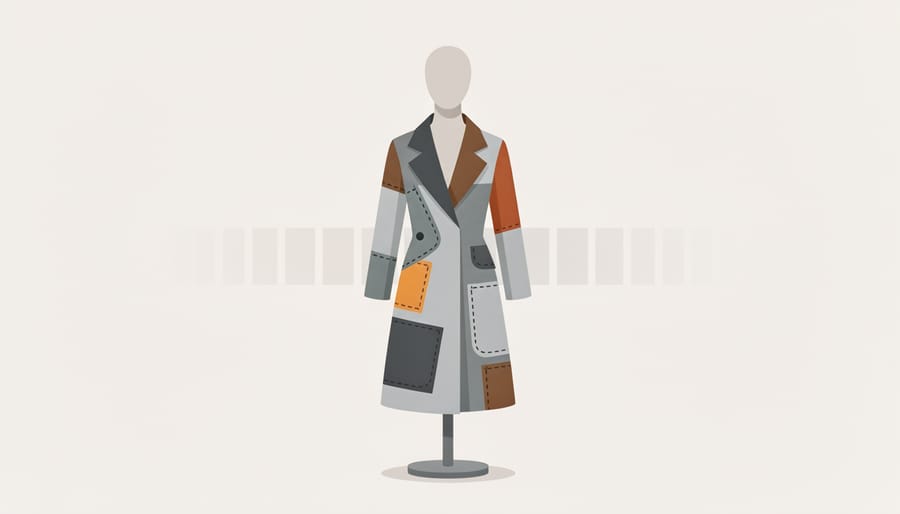
These pieces carry histories. A patchwork jacket might incorporate silk from a 1970s dress, denim from worn jeans, and embroidered fabric from a tablecloth, each element adding texture and meaning that brand-new materials simply can’t replicate. The imperfections, faded colors, and wear patterns become design features rather than flaws.
The creative constraints of working with limited, found materials push artists toward innovative solutions. Without the predictability of ordering fresh fabric by the bolt, they develop pattern-making skills that work around existing shapes, sizes, and conditions. A torn section becomes strategic cutouts; frayed edges get incorporated as raw detailing.
This approach wastes almost nothing. Scraps too small for clothing become stuffing, trim, or components in textile collages. The slower, more deliberate process means each garment receives individual attention, reinforced seams, thoughtful finishing, construction built to last another lifetime.
Where and How Fashion Artistry Shows Up in Your Life
Supporting Independent Fashion Artists
Supporting independent fashion artists doesn’t require insider connections or bottomless budgets, it starts with knowing where to look and showing up intentionally. Begin by exploring online platforms designed for artisan makers: sites like The Folklore and Wolf & Badger curate collections from emerging designers, while Instagram serves as a direct line to creators sharing behind-the-scenes glimpses of their work. Follow hashtags like #slowfashion or #independentdesigner to discover artists whose aesthetic resonates with you.
Trunk shows and pop-up markets offer something digital shopping can’t: the chance to see craftsmanship up close, feel fabric quality, and hear the story behind each piece directly from the maker. Many cities host seasonal artisan markets or fashion incubators where independent designers showcase small collections. Check local event listings or community boards for upcoming gatherings.
When you do invest, remember that buying one well-made artistic piece supports not just the designer but often an entire network of artisans, the dyers, embroiderers, and fabric suppliers who contribute their skills. Start small if needed: accessories like hand-dyed scarves or statement jewelry make approachable entry points. Sign up for newsletters from designers you admire to learn about studio sales and limited releases before they sell out.
Bringing Artistic Pieces Into Your Wardrobe
You don’t need an entire wardrobe overhaul to embrace fashion artistry, one carefully chosen piece can transform how you feel and present yourself. The key is thoughtful integration, not perfection.
Start by selecting a single statement garment that genuinely speaks to you, whether that’s a hand-painted jacket, an embroidered vest, or trousers with unexpected silhouette. Let that piece become your anchor, then build around it with simpler items that allow the artistry to shine. A sculptural top pairs beautifully with straight-leg jeans; an avant-garde dress grounds itself with classic ankle boots.
- Begin with one statement piece you absolutely love and can’t stop thinking about
- Balance bold artistic items with neutral basics to let the artistry breathe
- Invest in versatile art pieces that work across multiple outfits and seasons
- Embrace slight imperfections and unique irregularities as marks of handcrafted authenticity
Choose quality over quantity every time. One artisan-made piece you’ll treasure for years beats a closet full of trend-chasing purchases you’ll discard next season. Artistic garments often improve with age, natural dyes deepen, hand-stitching develops character, and the emotional connection strengthens as the piece becomes part of your story.
Don’t save your artistic pieces for special occasions. Wear them in your daily life, mix them unexpectedly, and let them spark conversations. Fashion artistry exists to be experienced, not hidden away. Your wardrobe becomes most interesting when you trust your instincts and celebrate what makes you feel genuinely yourself.
The Sustainable Soul of Fashion Artistry
Fashion artistry and sustainability aren’t just compatible, they’re natural allies. When a designer spends weeks hand-stitching a single garment or carefully sources deadstock fabric to reimagine it into something new, they’re practicing the antithesis of fast fashion’s churn-and-discard model. This artisanal approach builds sustainability into every stitch.
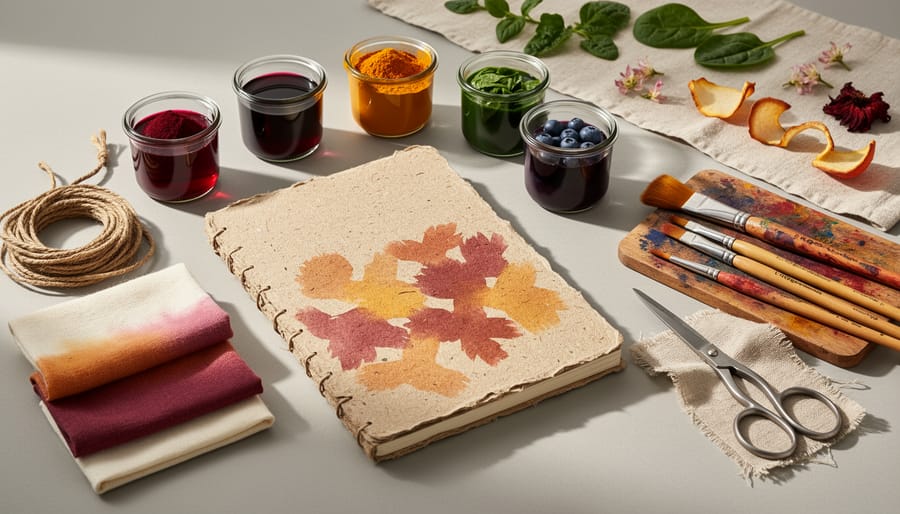
The slow production inherent to fashion artistry means fewer resources consumed and less waste generated. Artists who work with their hands can’t produce thousands of identical pieces monthly, and that’s precisely the point. Each garment receives focused attention, from selecting materials that tell a story to construction techniques that ensure the piece lasts years, not seasons. Many fashion artists champion zero-waste pattern cutting, natural dyes from plants they grow themselves, or upcycling vintage textiles that would otherwise end up in landfills.
But the sustainable soul runs deeper than materials and methods. Fashion artistry creates emotional value that keeps clothes out of donation bins. When you own a piece with visible craftsmanship, hand-embroidered details, intentional asymmetry, or fabric manipulation that took hours, you form a connection to it. You know someone poured skill and vision into its creation. That relationship changes how you wear, care for, and keep clothing.
Designers like Alabama Chanin have built entire brands around slow fashion artistry, employing local artisans and teaching communities traditional sewing skills that provide livelihoods while keeping craft alive. Others, like Christina Kim of dosa, work directly with weaving cooperatives in rural India, preserving heritage techniques while ensuring fair wages. These aren’t feel-good side projects, they’re business models that prove fashion can empower people and respect the planet without sacrificing beauty or innovation.
Common Questions About Fashion Artistry
You might wonder whether fashion artistry is only for collectors with deep pockets or how to even begin exploring it. These questions come up often, and understanding the answers opens the door to engaging with artistic fashion in ways that fit your life and budget.
Is fashion artistry only for wealthy people?
Not at all. While haute couture commands premium prices, many independent fashion artists create accessible pieces at various price points, especially through vintage markets, small-batch collections, and upcycled designs. Starting with one meaningful piece, a hand-dyed scarf or an artisan-made accessory, lets you support creative work without breaking the bank.
What’s the difference between a fashion artist and a fashion designer?
Fashion designers typically create collections for commercial sale, balancing trends, wearability, and market demand. Fashion artists prioritize creative expression and conceptual exploration, often producing pieces that blur the line between garment and artwork, with less concern for mass appeal or practicality.
How do I start collecting artistic fashion?
Begin by following independent makers on social media, visiting artisan markets or pop-ups in your area, and browsing platforms that curate small-batch designers. Choose pieces that genuinely speak to you rather than chasing names, and don’t hesitate to reach out to artists directly, many welcome custom inquiries.
How do I care for handmade or artistic garments?
Treat them with the respect they deserve: hand wash or dry clean when possible, store away from direct sunlight, and repair minor damage promptly to preserve the craftsmanship. Most artists provide care instructions specific to their materials and techniques, so always ask if you’re unsure.
The beauty of fashion artistry lies in its accessibility through intention rather than price tags. You don’t need a museum-worthy collection to participate. Choosing even one piece created with care and vision transforms your relationship with clothing, shifting focus from quantity to quality and from trend to timelessness. Every artistic garment carries the maker’s story, and when you wear it, you become part of that narrative.
Fashion artistry isn’t just about what you wear, it’s about how you choose to show up in the world. When you invest in a piece created with intention, skill, and soul, you’re not just adding to your closet. You’re supporting a maker who poured creativity into every stitch, challenging an industry built on sameness, and wearing your values on your sleeve (literally).
Your wardrobe can be a canvas for self-expression, a collection of stories rather than trends that’ll fade by next season. Each artistic piece you choose becomes part of your narrative, reflecting who you are and what matters to you. Whether it’s a hand-dyed jacket, an upcycled statement dress, or a collaboration between cultures and crafts, these garments carry meaning that mass production simply can’t replicate.
The beauty of fashion artistry lies in its power to celebrate you while honoring the planet and the people who create what you love. So go ahead, be bold, be thoughtful, and let your style speak volumes. The most sustainable fashion choice you’ll ever make is the one that makes you feel authentically, unapologetically you.
You may also like
-
Your Digital Footprint: What It Is, How to Manage It, and Where to Get Support
-
What Is Native American Textile Art (and How Indigenous Techniques Are Being Revived)?
-
What Is This Renewable Resource Made from Rotting Plant Material? (And How It’s Transforming Fashion)
-
12 Ethical Fashion Examples Leading the Sustainable Style Revolution
-
How to Start a Furniture Upcycling Business That Turns Vintage Finds Into Style Gold