
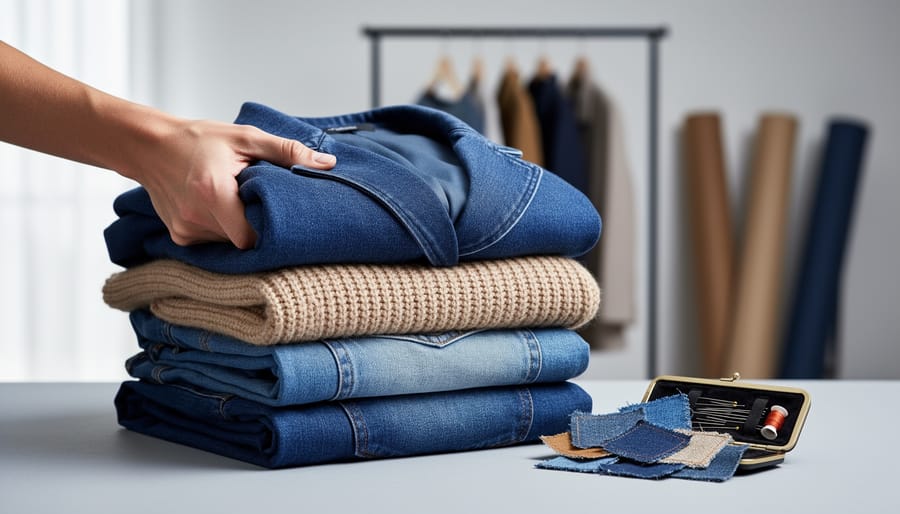
A circular fashion economy is a regenerative system where clothing and textiles are designed, produced, and used in ways that keep materials in circulation, eliminating waste and reducing the need for virgin resources. Unlike the traditional linear model (take, make, dispose), this approach ensures garments are repaired, resold, rented, or recycled so their value endures long after your first wear.
Right now, the fashion industry produces 100 billion garments annually, and most end up in landfills within a year. That breakneck pace of consumption drains natural resources, pollutes waterways, and fuels climate change. The circular model flips that script entirely. It asks brands to rethink production from the ground up and invites you to rethink what it means to own and enjoy your wardrobe.
This isn’t about sacrifice or settling for less. Circular fashion celebrates creativity, longevity, and the thrill of curating pieces that tell a story beyond a single season. You might rent a designer dress for an event, swap your gently loved jeans with a friend, or discover a vintage blazer that feels more you than anything fresh off the rack. Each choice keeps textiles out of the trash and redefines what fashion-forward truly means in 2026.
In this article, you’ll learn exactly how the circular fashion economy works, what makes a system truly circular, and the real-world ways you can participate starting today. Whether you’re curious about resale platforms, repair communities, or the brands redesigning their entire supply chains, you’ll walk away with a clear understanding of how your closet can become part of the solution.
What Circular Fashion Economy Really Means
A circular fashion economy flips everything you know about shopping on its head. Instead of buying a dress, wearing it a few times, and tossing it when the next trend arrives, imagine a world where that same garment keeps coming back, repaired, restyled, or remade into something new. That’s the heart of circular fashion: a system designed to keep clothes, fabrics, and materials in use for as long as possible, cutting waste down to nothing and giving back to the planet instead of taking from it.
Think of it like this. The traditional fashion model follows a straight line: brands make clothes, you buy them, you wear them, and eventually they end up in a landfill. It’s a one-way street that gobbles up resources and spits out mountains of textile waste. The circular approach, by contrast, works in loops. Clothes are designed to last longer, made from materials that can be recycled or safely returned to the earth, and supported by systems that keep them circulating, through resale, rental, repair, or transformation into something entirely fresh.
- Circular Economy
- An economic system where products and materials are designed to be reused, repaired, or recycled indefinitely, eliminating the concept of waste.
- Linear Economy
- The traditional ‘take-make-dispose’ model where raw materials are extracted, turned into products, used once or briefly, then discarded as waste.
- Regenerative Design
- Creating fashion that actively restores and renews natural systems, going beyond ‘less harm’ to actually improve the environment.
- Closed-Loop System
- A production and consumption cycle where materials flow continuously back into new products, with nothing ending up as waste.
What makes circular fashion so powerful is that it puts you in the driver’s seat. Every choice you make, whether you’re hunting for vintage treasures, renting a statement piece for a big night out, or learning to mend your favorite jeans, becomes an act of empowerment. You’re not just following trends; you’re shaping a fashion system that values creativity, longevity, and respect for the planet. When brands and consumers work together to close the loop on fashion we create a movement where style and sustainability aren’t opposites, they’re partners.
How Circular Fashion Economy Works in Practice
Design and Material Innovation
Design begins where waste ends. Forward-thinking brands are reimagining clothes from the ground up, choosing materials that can live multiple lives and crafting pieces meant to endure beyond fleeting trends. Instead of designing for a single season, circular designers focus on versatility: a blazer that transitions from office to evening, a dress that works year-round, garments that resist the urge to be discarded after a few wears.
Material choices anchor this shift. Regenerative fibers like organic cotton grown using practices that restore soil health, or innovative alternatives such as mushroom leather and recycled ocean plastics, replace virgin resources. Some brands experiment with eco-friendly fabric dyes derived from natural or biotechnological sources, eliminating toxic chemical runoff. Biodegradable fabrics return safely to the earth, while technical textiles engineered for recyclability can be broken down and reborn as new garments.
Designers like Stella McCartney and emerging names such as Collina Strada champion these principles, proving circular fashion doesn’t sacrifice style. Their collections celebrate boldness and individuality while honoring the planet, a reminder that innovation and elegance can coexist beautifully.
Extended Use and Repair Culture
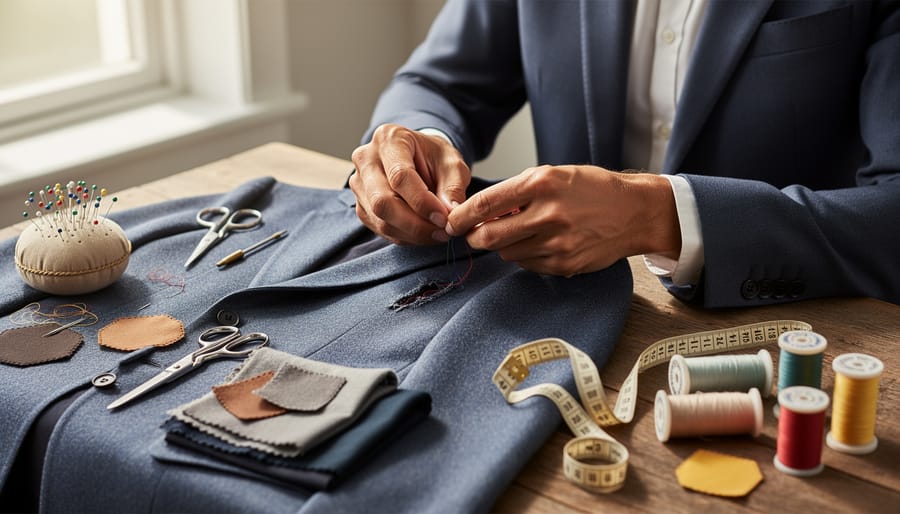
The most immediate way you can extend your wardrobe’s life? Embrace repair. We’ve been conditioned to replace rather than mend, but learning to fix a loose hem or sew on a button transforms your relationship with clothing. Many cities now offer repair cafés and alterations services, while brands like Patagonia and Nudie Jeans provide free repair programs for their pieces.
Resale platforms have exploded in popularity, turning preloved fashion into a style statement. Apps like Depop, Vinted, and Vestiaire Collective let you sell pieces you’ve outgrown and hunt for unique finds. You’re not just saving money, you’re curating a wardrobe that tells your story.
Rental services offer another compelling option. Why buy that statement dress for one wedding when you can rent designer pieces for special occasions? Companies like Rent the Runway and By Rotation make high-fashion accessible and practical.
Clothing swaps bring community into the mix. Gather friends, bring pieces you no longer wear, and trade. You refresh your wardrobe for free while strengthening connections. It’s sustainable, social, and surprisingly fun, proof that circular fashion doesn’t mean sacrifice. It means creativity.
Recycling and Regeneration
When a garment truly reaches the end of its wearable life, recycling and regeneration step in to complete the circle. Textile-to-textile recycling breaks down worn-out clothes into fibers that become new fabrics, imagine your old jeans transformed into a fresh denim jacket. Meanwhile, garments made from natural, biodegradable materials can be composted, returning nutrients to the soil instead of languishing in landfills. Some innovative brands are even pioneering chemical recycling, which separates blended fibers (like cotton-polyester mixes) back into their pure forms. This isn’t just waste management, it’s regeneration. Every recycled thread reduces demand for virgin resources, cuts water and energy use, and proves that fashion can give back to the planet. Your worn-out favorites still have power.
The Building Blocks: Core Components of a Circular Fashion System
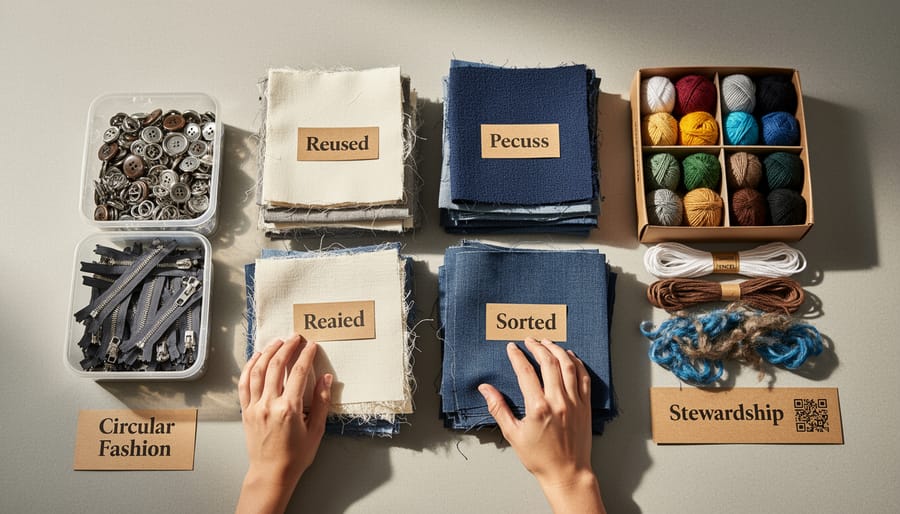
A truly circular fashion system isn’t built on a single innovation, it rests on four interdependent pillars working in concert. Understanding these building blocks helps you see how your choices connect to a bigger transformation.
Material Loops: Technical and Biological Cycles
At the foundation are two distinct material pathways. Technical loops keep synthetic fibers, polyester, nylon, elastane, cycling through recycling processes, breaking them down and reforming them into new textiles without losing quality. Biological loops handle natural fibers like organic cotton, hemp, and Tencel, designed to safely decompose and regenerate soil when their useful life ends. Green tech innovation is making both pathways more efficient, with chemical recycling now able to separate blended fabrics that once went straight to landfill.
Business Models That Keep Clothes Moving
Circular business models reimagine ownership itself. Resale platforms let you sell pieces you’ve outgrown and buy pre-loved treasures. Rental services offer access to statement pieces for special occasions without the commitment. Subscription models provide rotating wardrobes that refresh your style while garments stay in constant use. Each model extends clothing lifespan and challenges the idea that you need to own everything you wear.
Infrastructure: The Behind-the-Scenes Network
None of this works without the physical systems supporting it, textile sorting facilities, fiber-to-fiber recycling plants, local repair workshops, and collection points. This infrastructure is growing but still patchy. Cities with robust repair networks and accessible drop-off programs make circular participation easier, while areas without these resources face barriers. Supporting brands that invest in this infrastructure accelerates its expansion.
Consumer Engagement: Your Role in the Loop
The final pillar is you. Circular fashion requires active participation, choosing durable pieces, caring for them properly, repairing instead of discarding, and passing them on thoughtfully. Your demand for transparency pushes brands to adopt circular practices, and your willingness to try new models proves their viability.
These components don’t operate in isolation. When a brand designs a biodegradable dress, operates a take-back program, partners with local recyclers, and educates customers on composting, all four pillars align. That’s when circular fashion moves from theory to your wardrobe.
Where Circular Fashion Shows Up in Your Wardrobe
Circular fashion isn’t some distant ideal, it’s already here, woven into the choices you make every day. The brands and platforms championing circularity are making it easier than ever to build a wardrobe that reflects both your style and your values.
Rental services have transformed how we approach occasion wear and trendsetting pieces. Platforms like Rent the Runway and HURR let you experiment with luxury designers, bold prints, and statement looks without the commitment of ownership. You get the thrill of something new, wear it once or twice, then send it back for someone else to enjoy. Some services even offer try before buy options, so you can test pieces in your everyday life before deciding to keep them.
Resale apps have made secondhand shopping feel curated and effortless. Depop, Vinted, Vestiaire Collective, and thredUP bring pre-loved pieces to your fingertips, whether you’re hunting for vintage Levi’s or a designer handbag at a fraction of retail. These platforms prove that secondhand doesn’t mean second-rate, it means unique finds and the satisfaction of giving great clothes a second life.
Take-back programs are gaining momentum among established brands. H&M, Patagonia, Levi’s, and Eileen Fisher collect worn garments, often offering store credit in return. Your old jeans might become insulation, new fibers, or another pair of jeans. It’s a simple way to close the loop instead of tossing clothes in the trash.
Capsule collections from circular-first brands show what intentional design looks like. Companies like Reformation, Everlane, and Girlfriend Collective build pieces meant to last, mix, and match across seasons, versatile staples that won’t fall apart after a few washes.
Here’s how you can jump in right now:
- Buy secondhand through resale apps or local thrift stores for one-of-a-kind pieces
- Rent statement pieces for events instead of fast-fashion impulse buys
- Repair and alter what you already own, learn basic stitching or support a local tailor
- Support brands with transparent take-back and recycling programs
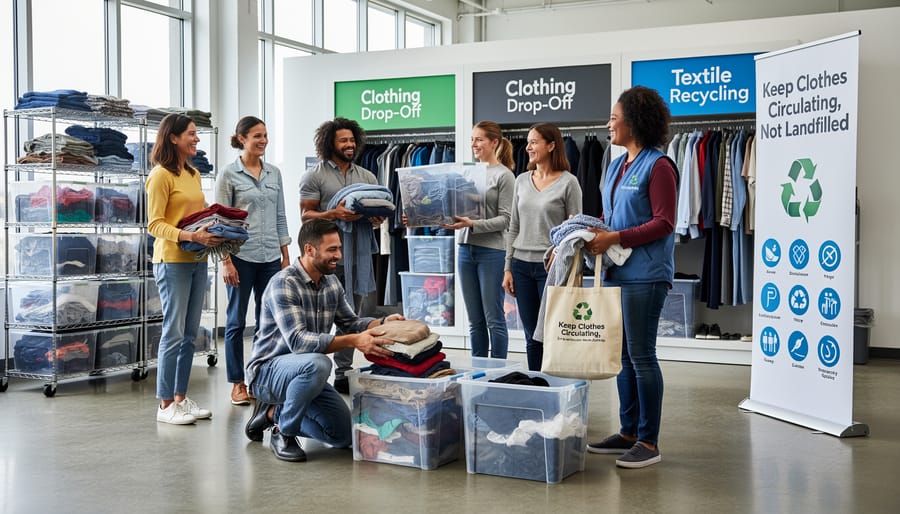
- Recycle responsibly by using textile drop-offs, not landfills
You don’t have to overhaul your entire wardrobe overnight. Start with one rental for your next wedding, swap a new purchase for a secondhand find, or finally fix that favorite jacket gathering dust. Each choice is a vote for the kind of fashion future you want to see, and wear.
Why Circular Fashion Matters for You and the Planet
The fashion industry is responsible for approximately 10% of global carbon emissions and produces enough textile waste to fill garbage trucks every second. When you choose circular fashion, you’re directly cutting into those staggering numbers. Every piece you rent instead of buying new, every repair you make, every secondhand treasure you discover keeps clothing out of landfills and reduces the demand for resource-intensive production.
But the impact goes far beyond environmental statistics. Circular fashion hands you back control over your wardrobe and what it represents. Instead of chasing fleeting trends dictated by fast fashion cycles, you get to curate a collection that genuinely reflects who you are. That vintage blazer with a story, the repaired jeans that fit perfectly, the rental gown you wore once and returned guilt-free, each choice becomes an intentional expression of your values and style.
There’s real power in knowing your clothing decisions matter. You’re not just reducing waste; you’re supporting brands that prioritize ethical practices, investing in quality over quantity, and joining a community of women who refuse to choose between looking good and doing good. Circular fashion celebrates the beauty of uniqueness. No one else has that exact combination of vintage finds, carefully maintained classics, and borrowed statement pieces.
This movement thrives on diversity. It welcomes every budget, every size, every aesthetic. Whether you’re swapping clothes with friends, learning basic mending skills, or supporting emerging circular brands, you’re contributing to a fashion system that values creativity and longevity over disposability. You’re part of something bigger, a shift toward a future where style and sustainability aren’t opposing forces but natural partners.
The circular fashion economy isn’t some distant future, it’s happening right now, and you’re already part of it. Every time you choose to repair instead of replace, rent instead of buy, or shop secondhand instead of new, you’re reshaping fashion into something more intentional and sustainable. These aren’t sacrifices; they’re powerful statements about the kind of world you want to create through your wardrobe.
What makes this movement truly transformative is that there’s no single “right” way to participate. Maybe you’re building a capsule wardrobe of timeless pieces, swapping clothes with friends, or supporting brands with take-back programs. Perhaps you’re discovering your signature style through vintage finds or experimenting with rental services for special occasions. Each approach is valid, each choice matters.
The beauty of circular fashion lies in its inclusivity. It celebrates diversity, in style, in budget, in how we each define sustainability. You don’t need to overhaul your entire closet overnight or follow rigid rules. Start where you are, with what resonates with you. Ask questions, stay curious, and trust that your fashion choices can be both bold and responsible. The circular economy thrives when we all bring our unique perspectives to the table, creating a fashion landscape that’s as diverse and dynamic as the women wearing it.
Your Circular Fashion Questions, Answered
What’s the difference between circular and sustainable fashion?
Sustainable fashion focuses on reducing harm, using eco-friendly materials and ethical production. Circular fashion goes further by designing entire systems where nothing goes to waste, keeping clothes and materials in use indefinitely through resale, repair, and recycling.
Can circular fashion actually be affordable?
Absolutely. Renting special-occasion pieces, shopping secondhand platforms, participating in clothing swaps, and repairing what you already own can all save money while keeping you stylish. Many circular options cost less than buying new fast fashion.
How do I know if a brand is truly circular?
Look for concrete actions: take-back or recycling programs, transparent supply chains, repair services, use of recycled or biodegradable materials, and resale partnerships. Genuine circular brands show you exactly how they close the loop, not just vague sustainability claims.
Is secondhand fashion as stylish as buying new?
It can be even more stylish. Vintage and pre-loved pieces let you create unique looks nobody else has, mixing eras and aesthetics in ways that express your individuality. Plus, curated resale platforms now offer contemporary pieces in excellent condition.
What actually happens to clothes I donate?
It varies by organization. Some get resold in charity shops, others are sorted and shipped to textile recyclers or secondhand markets. Quality pieces often find new owners locally, while damaged items may be downcycled into insulation or cleaning cloths.
Can I participate in circular fashion without changing my entire wardrobe?
Start small. Repair one favorite item instead of replacing it, try renting for your next event, or swap clothes with friends. Every circular choice you make counts, and you’ll discover what works best for your lifestyle and budget.
These questions come up constantly, and they’re all rooted in the same concern: wanting to do better without sacrificing style or breaking the bank. The truth is, circular fashion isn’t about perfection. It’s about progress, creativity, and finding joy in pieces that have stories.
As circular systems become more sophisticated, technology is making participation easier than ever. Some platforms now use AI fashion advice to help you build versatile wardrobes from rental or secondhand options, suggesting combinations you might never have considered. Others connect you directly with local repair experts or match your donated items with people who’ll genuinely love them.
The beauty of circular fashion is that there’s no single right way to engage. You might become a resale devotee, a repair enthusiast, a rental regular, or someone who simply wears what they own until it falls apart. Each path keeps resources in play and waste out of landfills. Your version of circular doesn’t need to look like anyone else’s, and that’s exactly the point.