
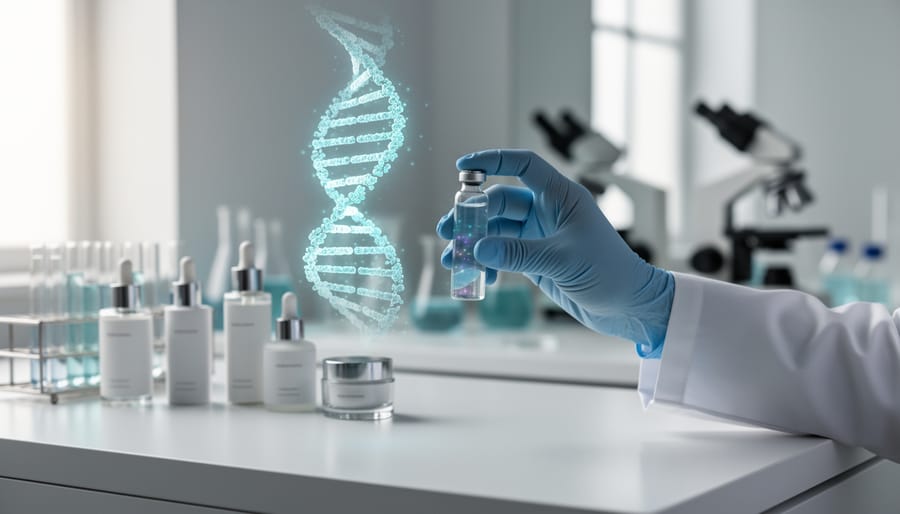
CRISPR is a gene-editing technology that allows scientists to precisely cut, delete, or replace sections of DNA in living cells, opening possibilities for everything from curing diseases to, potentially, altering physical traits tied to beauty and appearance.
If that sounds like science fiction, you’re not alone in thinking so. But here’s where we are in 2026: CRISPR has already transformed medicine, agriculture, and research labs worldwide. Now, beauty and cosmetic industries are eyeing its potential to address everything from hair texture and skin tone to aging markers at the genetic level. The question isn’t whether CRISPR will touch the beauty world. It’s how, when, and whether we’re ready for it.
This conversation feels different from the usual launch of a new serum or treatment. We’re talking about rewriting the biological code that shapes how we look. That’s exhilarating and unsettling in equal measure, especially when the beauty industry has long struggled with narrow standards and exclusionary ideals. CRISPR could democratize access to certain enhancements, or it could deepen existing inequalities. It could celebrate genetic diversity, or erase it.
Understanding CRISPR means understanding the future of beauty on your own terms. Whether you’re curious about biomimicry skincare or wondering if gene editing will one day sit alongside your retinol, you deserve clarity. This guide breaks down what CRISPR actually is, how it works, the types of cosmetic applications being explored, and what’s real versus what’s still theoretical. No PhD required.
What CRISPR Actually Means (No Science Degree Required)
CRISPR sounds intimidating, but it’s actually one of those rare scientific breakthroughs that does exactly what its name suggests, once you know what the letters stand for. CRISPR is short for Clustered Regularly Interspaced Short Palindromic Repeats, which sounds like a mouthful because it is. The good news? You don’t need to memorize that. What matters is understanding what CRISPR does: it’s a precision tool that lets scientists edit genes the way you’d edit a typo in a text message.
Think of your DNA as an instruction manual for your entire body, everything from your eye color to how your skin produces collagen. CRISPR works like the ultimate find-and-replace function for that manual. Scientists can locate a specific genetic sequence (the “find” part), snip it out with molecular scissors, and either delete it, fix it, or swap in something new (the “replace” part). This isn’t speculative science fiction. CRISPR has already been used in medicine to treat genetic diseases, and researchers are now exploring how it might reshape beauty and cosmetic enhancement.
- CRISPR
- A natural defense system found in bacteria that scientists have adapted into a powerful gene-editing tool. It’s the technology that makes precise DNA changes possible.
- Gene Editing
- The process of intentionally changing specific parts of your genetic code to alter how your cells function, like updating your body’s built-in beauty settings.
- DNA Modification
- Adjusting the genetic instructions that control everything from skin elasticity to hair growth, giving scientists the ability to influence traits at their source.
- Cas9 Protein
- The molecular scissors in the CRISPR system that cuts DNA at exact locations. Think of it as the precision blade that makes the edit happen.
The beauty angle is where this gets personal. Instead of slathering on creams that work on the surface, CRISPR could theoretically address skin aging, pigmentation, or hair thinning at the genetic level. It’s not about changing who you are, it’s about giving you more control over how your body expresses the traits you already have.
How CRISPR Technology Works in Your Body
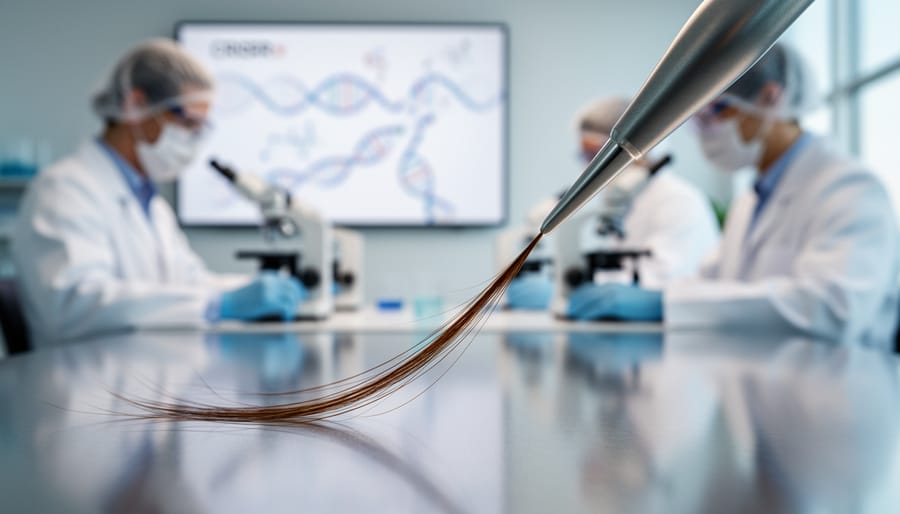
Think of your DNA as an enormous instruction manual for building and running your body, skin, hair, eyes, everything. CRISPR works by finding a specific sentence in that manual, cutting it out, and rewriting it. The process happens in three clear steps.
First, the CRISPR system gets programmed with a genetic address. Scientists design a piece of RNA that matches the exact gene they want to change, like typing a search term into a document editor. That guide RNA travels through your cells until it finds its target sequence in your DNA.
Second, once the guide RNA locks onto the right spot, a protein called Cas9 (think of it as molecular scissors) makes a precise cut in the DNA strand. It’s similar to snipping a thread when you’re tailoring a garment, you’re not tearing the whole thing apart, just opening it at exactly the right place.
Third, your cells naturally try to repair that cut. Here’s where the edit happens. Scientists can either let the cell close the gap (effectively deleting that instruction) or insert new genetic material to replace what was there. The cell stitches everything back together, and now it’s following the updated instructions.
Getting CRISPR into your body for cosmetic uses is where it gets practical. Researchers are testing topical formulas that penetrate skin layers, direct injections into targeted areas like the scalp or facial tissue, and even modified cells that get edited in a lab and then reintroduced. Each delivery method faces different challenges, skin is tough to penetrate, injections need precision, and cellular approaches require more complex procedures. CRISPR delivery vehicles are evolving rapidly to make these applications safer and more effective.
The whole process takes hours to days at the cellular level, but the results could be permanent.
Different Ways CRISPR Is Being Explored for Beauty
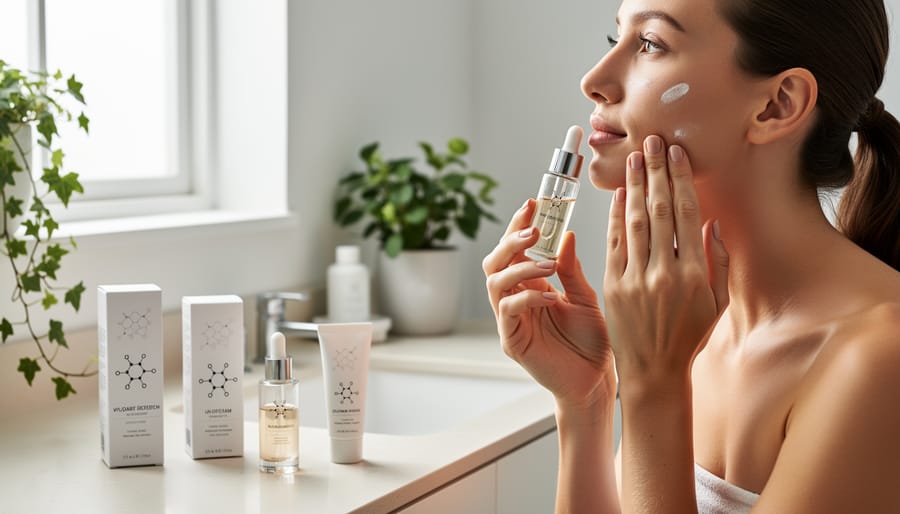
Skin-Level Edits
Skin-level CRISPR edits focus on the genes that control how your skin looks and ages. Researchers are exploring ways to tweak collagen production genes to keep skin firmer longer, potentially delaying wrinkles and sagging without injections or surgery. Elastin repair is another target, editing genes that rebuild elastin fibers could restore bounce and resilience to skin that’s lost its snap.
Melanin regulation is where things get really interesting. CRISPR could theoretically adjust the genes controlling pigment production, offering precise solutions for hyperpigmentation, dark spots, or uneven tone. Unlike topical brighteners that fade pigment temporarily, a genetic edit would address the root cause at the cellular level.
The big appeal here is permanence. If a gene edit works, it could mean lasting results rather than a regimen you repeat forever. But that permanence also raises questions about reversibility and long-term effects, which is why these applications are still in early research phases.
Hair and Follicle Changes
Hair follicles are surprisingly complex genetic structures, which makes them a prime target for CRISPR research. Scientists are exploring edits that could increase the diameter of individual hair strands by tweaking keratin-related genes, potentially transforming fine hair into thicker, fuller locks without extensions or treatments. Growth rate modifications target the anagen phase, the active growing period, by adjusting genes that control follicle cycling, theoretically extending how long hair grows before shedding.
Graying prevention is particularly intriguing. Researchers are investigating ways to preserve melanocyte function in follicles, keeping your natural color production active longer. Some studies even explore altering the genes that determine pigment type, raising the possibility of permanent color shifts without dye. These aren’t salon-ready solutions yet, but early lab results suggest CRISPR could one day rewrite the entire narrative of hair aging and texture on a cellular level.
Regenerative Beauty
What if your skin could heal itself faster, not just with serums and creams, but by rewriting the genetic instructions that control repair? That’s the premise behind regenerative CRISPR beauty applications. Researchers are exploring how targeted gene edits could accelerate skin cell turnover, speeding up the natural shedding and renewal process that slows dramatically with age. The goal isn’t just fresher skin, it’s cells that behave younger at a fundamental level.
Wound healing is another frontier. CRISPR edits could enhance the genes responsible for collagen synthesis and inflammation control during repair, potentially reducing recovery time after procedures or injuries. Early-stage research also targets scar formation: by modifying how fibroblasts respond to damage, scientists hope to minimize raised or discolored scars before they fully form. Think of it as upgrading your skin’s internal repair toolkit rather than patching problems after the fact, similar to how innovations like CICA + nanotech work to enhance healing, but at the genetic level. It’s regenerative beauty with permanence built in.
How CRISPR Could Be Used in Real-Life Cosmetic Enhancement
Right now, CRISPR in cosmetic enhancement sits at the intersection of real science and near-future possibility. Some applications are already moving through clinical trials for medical conditions that happen to have cosmetic benefits, while others remain firmly in the research lab. Understanding where the line falls helps you separate genuine breakthroughs from overhyped promises.
Anti-aging treatments are the furthest along. Researchers are testing CRISPR edits that boost collagen production and repair elastin fibers, the proteins that keep skin firm and bouncy. These trials focus on medical skin conditions like severe photo-aging or genetic collagen disorders, but the cosmetic implications are obvious. If approved, these therapies could offer permanent improvements to skin texture and elasticity, far beyond what topical creams achieve. We’re talking years away from widespread availability, but the groundwork is being laid now.
Pigmentation therapies are also advancing, particularly for conditions like vitiligo or melasma. CRISPR can theoretically regulate melanin production at the genetic level, evening out skin tone permanently. Current research targets medical cases, but the boundary between treating a diagnosed condition and enhancing appearance gets blurry fast. The same edit that corrects hyperpigmentation could be marketed as a cosmetic service down the line.
Hair-related applications remain more speculative. Scientists have identified genes linked to graying, thickness, and growth cycles, and CRISPR could theoretically modify them. But delivering gene edits to hair follicles deep in the scalp is technically challenging, and safety data is thin. This falls firmly in the “not yet” category, though research continues.
The crucial distinction is between medical dermatology and elective cosmetics. Regulatory bodies approve treatments for diagnosed conditions first. Cosmetic applications follow only after years of safety data and ethical review. What starts as therapy often becomes enhancement, but that transition takes time, oversight, and public conversation about what we want beauty technology to become.
The Beauty Benefits (and the Big Questions)
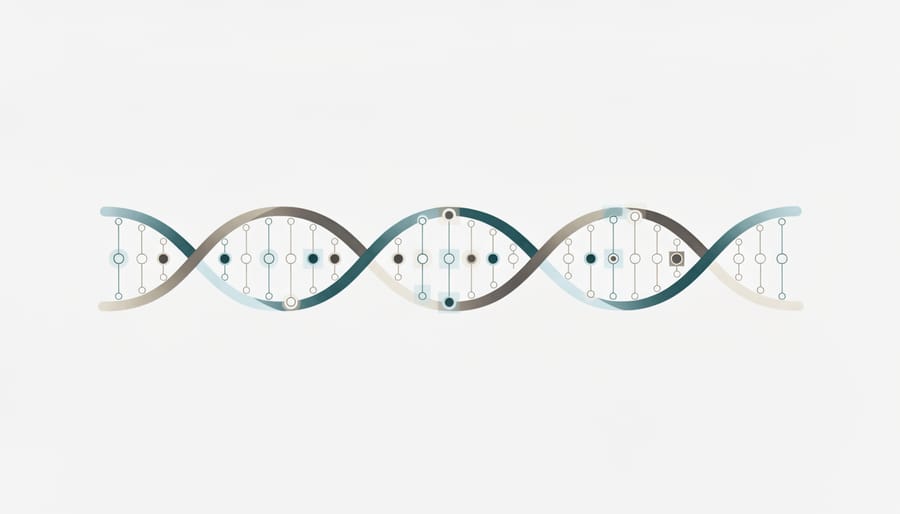
The possibility of permanently addressing skin aging at the genetic level is undeniably exciting. Imagine targeting collagen degradation genes so your skin maintains elasticity for decades, or editing melanin production pathways to prevent hyperpigmentation before it starts. CRISPR could theoretically offer solutions that go beyond topical creams or temporary procedures, addressing the root biological causes of common beauty concerns like hair thinning, sun damage, and wrinkles.
These aren’t just fantasies. Research is already exploring how gene editing could regulate sebum production for acne-prone skin, stimulate dormant hair follicles, or even slow the graying process. And unlike genetic testing that tells you what might happen, CRISPR could actually change what happens. That level of control feels powerful and deeply personal.
But here’s where it gets complicated. Who decides what counts as enhancement versus correction? If you edit genes to lighten skin or change natural hair texture, are you celebrating personal choice or reinforcing narrow beauty standards? The line between empowerment and pressure can blur quickly, especially when access becomes a privilege limited to those who can afford cutting-edge treatments.
Safety questions loom large, too. We don’t yet know the long-term effects of genetic edits made for cosmetic reasons. Could changing one gene trigger unexpected consequences elsewhere in your body? What happens if you regret a permanent modification? And without rigorous regulation, how do you distinguish between credible providers and those overselling unproven treatments?
These aren’t reasons to dismiss CRISPR beauty technology outright. They’re reasons to engage with it thoughtfully. The future of cosmetic enhancement should expand options and celebrate diversity, not create new hierarchies or risks. Staying informed, asking tough questions, and demanding transparency will help ensure this technology serves everyone, not just a select few.
What You Should Know Before CRISPR Beauty Goes Mainstream
CRISPR cosmetic enhancement isn’t widely available yet, but staying informed now gives you a serious advantage when it does arrive. Right now, the FDA regulates gene-editing treatments through its biologics and gene therapy frameworks, which means any CRISPR beauty product would need rigorous clinical trials before approval. Other countries have similar gatekeeping, Europe requires authorization through the European Medicines Agency, while regulations in Asia vary significantly. This matters because it affects when and where these treatments become accessible, and it protects you from unproven procedures marketed before they’re ready.
When treatments do emerge, ask providers pointed questions: What clinical data supports this specific application? What are the known side effects? Is this FDA-approved or still experimental? How long do results last, and what happens if something goes wrong? A reputable provider will welcome these questions and provide clear, documented answers. If they dodge specifics or promise perfection, walk away.
Is CRISPR beauty legal?
It depends on the country and the specific application. In the U.S., cosmetic CRISPR treatments aren’t FDA-approved yet and would be considered experimental.
Is it safe?
We don’t have enough long-term data for cosmetic applications. Medical CRISPR therapies undergo extensive safety testing, but beauty uses are still being studied.
When will CRISPR beauty treatments be available?
Some targeted applications could emerge in clinical settings within five to ten years, but widespread cosmetic use will take longer as safety and regulatory hurdles are cleared.
Can CRISPR edits be reversed?
Not easily. Most CRISPR edits are permanent at the cellular level, which is why informed consent and thorough understanding are crucial before treatment.
Evaluate safety claims critically. Look for peer-reviewed research, not just company testimonials. Understand the difference between promising early results and proven long-term safety. Your curiosity about cutting-edge beauty tech is powerful, but your autonomy and wellbeing come first. Stay bold, stay informed, and never compromise your right to ask hard questions.
CRISPR biotechnology in cosmetic enhancement isn’t just about changing how we look, it’s about expanding what’s possible when science meets self-expression. As this technology moves from research labs toward real-world beauty applications, you’re watching the early chapters of a story that could redefine personalization in skincare, hair care, and anti-aging treatments.
The promise is enormous: treatments tailored to your unique genetic makeup, addressing concerns at their root rather than masking symptoms. But so are the questions around safety, access, ethics, and who gets to shape these innovations. That tension is healthy. It means we’re thinking critically about technology that could touch the most personal aspects of identity.
Your power lies in staying informed. Follow the research, ask tough questions of providers, and celebrate the fact that beauty is becoming more individualized, not more uniform. Whether you embrace gene-editing treatments when they arrive or choose traditional methods, you’re defining beauty on your terms.
The future of cosmetic enhancement isn’t about chasing a single standard, it’s about unlocking options that honor your individual goals and values. Stay curious, stay bold, and trust yourself to navigate this evolving landscape with both excitement and wisdom.
You may also like
-
AI Beauty Tech Is Revolutionizing Your Personal Skincare Experience
-
How to Match Human Hair Extensions to Your Natural Hair Color
-
Your DNA Holds the Secret to Perfect Skin: How Genetic Testing is Revolutionizing Skincare
-
AI Beauty Revolution: How Smart Tech is Creating Your Perfect Look
-
Nature’s Beauty Secrets: How Biomimicry is Revolutionizing Your Skincare