
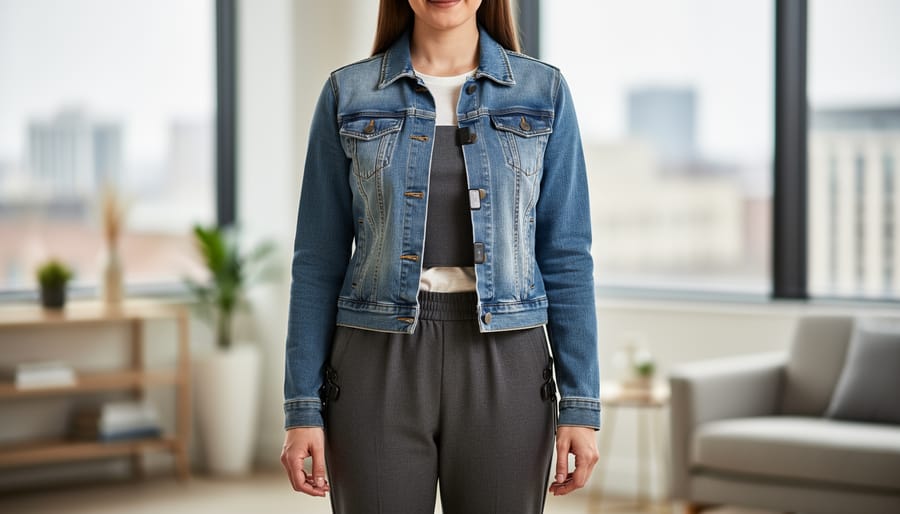
Adaptive clothing is apparel designed with modified features like magnetic closures, elastic waistbands, open-back designs, and adjustable fastenings to make dressing easier for people with physical disabilities, limited mobility, or sensory sensitivities. Unlike standard fashion, these pieces prioritize function without sacrificing style, removing physical barriers that can make getting dressed painful, frustrating, or even impossible.
For millions of people navigating mobility challenges, arthritis, recovery from surgery, or conditions like cerebral palsy and multiple sclerosis, traditional buttons, tight sleeves, and overhead pullovers create daily obstacles most of us never consider. Adaptive clothing eliminates those friction points. It transforms an exhausting task into something manageable, dignified, and yes, fashionable.
The term has evolved far beyond clinical-looking hospital gowns. In 2026, adaptive fashion is a growing movement led by designers who understand that true inclusivity means clothing that works for every body and every ability. Brands now offer adaptive jeans with side zippers, bras with front closures, and tops with discreet openings for medical devices. The innovation lies in thoughtful construction: replacing zippers with magnets that snap together effortlessly, adding Velcro closures hidden beneath decorative buttons, designing garments that open fully at the back for wheelchair users.
This article breaks down exactly what makes clothing adaptive, the specific design features that define it, the different types available across categories, and who benefits most from these innovations. Whether you’re exploring options for yourself, shopping for a loved one, or simply curious about how fashion is becoming more accessible, you’ll find a complete roadmap to understanding this empowering corner of style.
What Adaptive Clothing Really Means
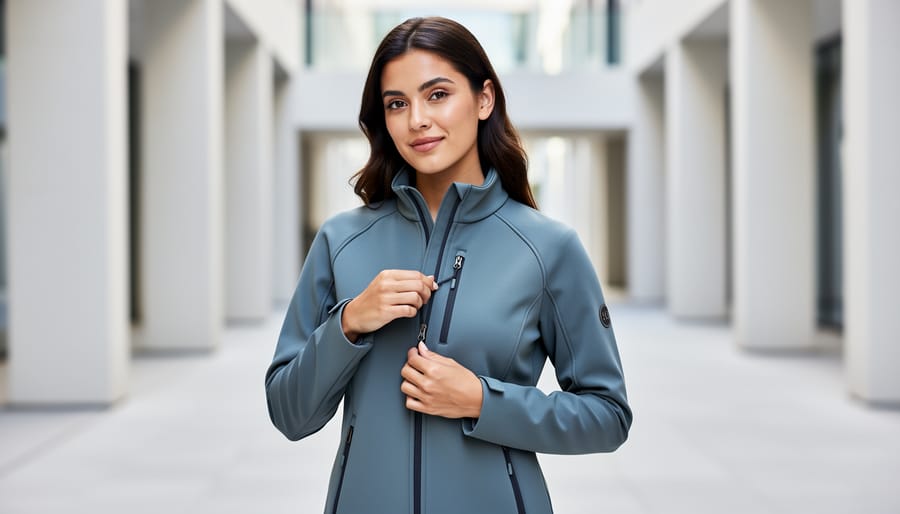
Adaptive clothing refers to garments intentionally designed with modifications that make getting dressed easier, more comfortable, and more dignified for people living with disabilities, limited mobility, chronic conditions, or sensory sensitivities. These aren’t medical garments or hospital wear, they’re stylish, thoughtfully engineered pieces that remove the physical barriers traditional clothing creates. Think jeans with magnetic fly closures instead of fiddly buttons, elegant dresses with discreet back openings for seated dressing, or soft shirts without scratchy tags for those with sensory processing differences.
The fundamental philosophy behind adaptive design is surprisingly simple: fashion should work for your body and your life, not the other way around. For too long, the fashion industry has designed for a narrow definition of “normal,” forcing people with different needs to struggle with standard closures, restrictive cuts, and features that assume full dexterity and mobility. Adaptive clothing flips that script entirely.
What makes adaptive fashion genuinely revolutionary is its refusal to choose between function and style. These pieces prove you don’t need to sacrifice your personal aesthetic for easier dressing. A wheelchair user can wear trendy high-waisted pants designed to sit comfortably while seated. Someone with arthritis can button a sharp blazer using magnetic closures that look identical to traditional buttons. A person recovering from surgery can slip into a chic wrap top without lifting their arms overhead.
This approach celebrates individual style while acknowledging that bodies move, sense, and function in beautifully different ways. Adaptive clothing says your fashion choices matter, your independence matters, and getting dressed shouldn’t be a daily struggle that steals your energy before the day begins.
How Adaptive Clothing Works: Design Features That Make the Difference
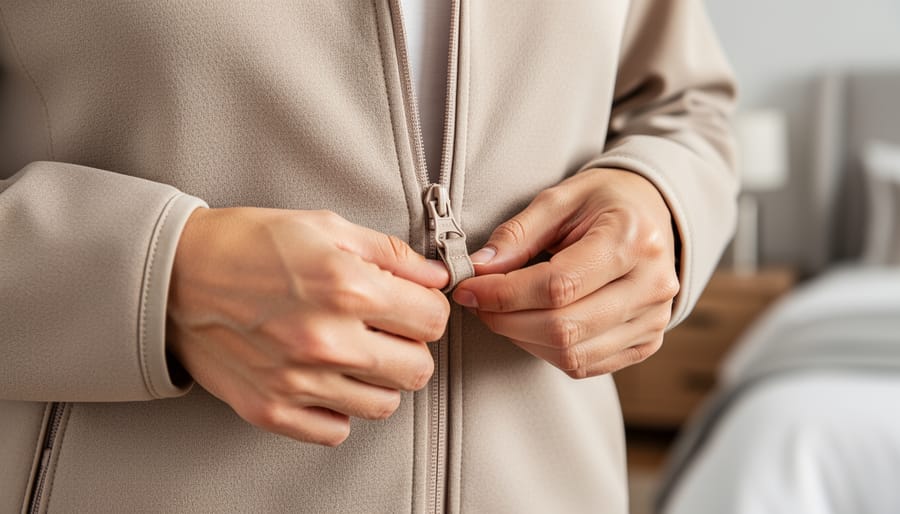
Adaptive clothing solves real dressing challenges through clever design tweaks that blend seamlessly into stylish garments. These innovations draw from the same functional clothing features used in activewear and travel gear, but tailored specifically for bodies with different abilities and mobility needs.
Magnetic closures replace fiddly buttons and zippers, snapping shut with a satisfying click that anyone can manage with limited hand dexterity. Side seams open fully on pants and skirts, allowing someone to dress while seated or lying down without struggling to pull fabric over hips. Back openings on shirts and dresses make dressing easier for caregivers while giving wearers the polished front appearance of traditional garments.
The most transformative features include:
- Velcro or snap fastenings hidden behind decorative button fronts, combining easy access with classic style
- Adjustable elastic waistbands that accommodate fluctuating measurements or medical devices without constant resizing
- Flat seams and tagless construction that prevent skin irritation and sensory discomfort
- Adaptive footwear with wide openings, adjustable closures, and slip-resistant soles for safer movement
- Wheelchair-friendly cuts with higher backs, reinforced seat panels, and shorter front rises that prevent bunching
- Sensory-friendly fabrics free from scratchy textures, tight elastic, or constricting necklines
These modifications work together to address specific pain points. Someone recovering from shoulder surgery benefits from front-opening tops rather than overhead pullover styles. A person with arthritis can fasten a coat independently thanks to large zipper pulls and easy-grip closures. Children sensitive to tags and seams find comfort in smooth, gentle materials.
The beauty of functional fashion in the adaptive space is that these practical elements don’t scream “medical clothing.” Designers hide zippers along side seams, disguise magnetic closures as regular buttons, and create adjustable features that look intentionally stylish. The result is clothing that works harder while looking exactly like what everyone else wears, proving that accessibility and fashion can coexist beautifully.
Types of Adaptive Clothing and Who They’re For
Adaptive clothing isn’t a single product category but a diverse ecosystem of designs addressing specific physical, sensory, and functional needs. The best way to understand this landscape is by looking at who benefits and what challenges each category solves.
- Wheelchair-Adaptive Clothing
- Garments designed with higher backs, extended front rises, and seated-position tailoring to prevent bunching, gaping, or pressure sores for wheelchair users. Often features side or back openings for easier assisted dressing.
- Limited Dexterity & Arthritis-Friendly Designs
- Clothing that replaces difficult fastenings like buttons, zippers, and hooks with magnetic closures, Velcro, or pull-on construction for people with arthritis, Parkinson’s, or reduced hand mobility.
- Sensory-Friendly Apparel
- Tag-free, seam-minimized garments made from soft, non-irritating fabrics designed for individuals with autism, SPD, or other sensory sensitivities who experience discomfort from typical clothing textures and construction.
- Post-Surgical & Medical Recovery Wear
- Clothing with strategically placed openings, snap shoulders, and easy-access panels that accommodate bandages, ports, catheters, or surgical sites while maintaining dignity and style during recovery.
- Aging & Dementia-Supportive Clothing
- Designs with simplified fastenings, clear visual cues, and dignified back closures that make dressing easier for older adults with cognitive decline or physical limitations while preserving autonomy.
What makes these categories powerful is their recognition that disability and functional needs exist on a spectrum. Adaptive fashion for wheelchair users might include high-performance athletic wear for para-athletes or elegant occasion dresses with hidden back zippers. Someone recovering from shoulder surgery might need the same easy-on features as a person with cerebral palsy, proving that adaptive design creates solutions useful across countless situations.
Many people actually fall into multiple categories simultaneously. A senior with arthritis and limited mobility benefits from both magnetic closures and pull-on waistbands. A wheelchair user with sensory sensitivities needs seated-position tailoring in soft, tag-free fabrics. This overlap underscores adaptive clothing’s core philosophy: fashion should flex to fit real bodies and real lives, not the other way around.
Where Adaptive Clothing Is Used (And Why It Matters)
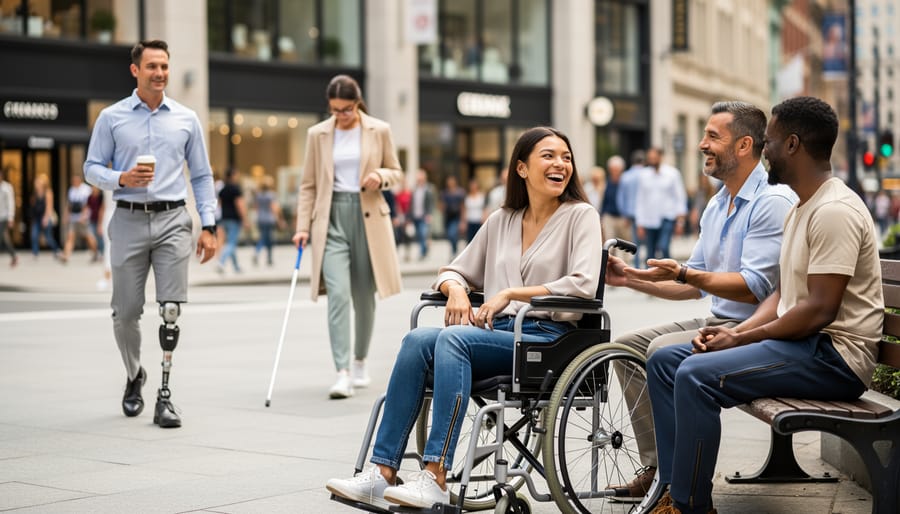
Adaptive clothing shows up wherever life happens, and that’s exactly the point. In everyday situations, from getting ready in the morning to running errands or meeting friends, adaptive designs turn frustrating dressing routines into manageable, dignified experiences. Magnetic-closure jeans replace fumbling with buttons. Wrap tops eliminate the shoulder strain of pulling garments overhead. These aren’t niche solutions; they’re practical answers that give people their time and autonomy back.
The workplace is another crucial arena. Professional adaptive style allows individuals to present themselves confidently in business settings without compromising function. Side-zip trousers maintain a polished silhouette while accommodating seated positioning. Sensory-friendly dress shirts offer the sharp appearance of traditional workwear minus irritating tags and restrictive cuts.
Special occasions matter just as much. Weddings, celebrations, and formal events shouldn’t require choosing between looking great and feeling comfortable. Adaptive eveningwear, think elegant dresses with discreet back openings or adjustable waistbands hidden beneath formal fabrics, ensures everyone can participate fully in life’s meaningful moments.
Athletic and recreational activities also benefit. Adaptive activewear with easy-access features and supportive construction enables participation in sports, fitness routines, and outdoor adventures that might otherwise feel out of reach.
In medical and therapeutic contexts, adaptive clothing supports recovery and ongoing care. Post-surgical garments with front closures prevent painful arm movements. Designs for those managing catheters or medical devices maintain dignity during vulnerable times.
Across all these settings, adaptive clothing delivers something beyond convenience: it affirms that everyone deserves to move through the world feeling like themselves, capable, stylish, and fully present.
The Fashion Industry’s Growing Embrace of Accessibility
The landscape of fashion has transformed dramatically, and adaptive clothing is no longer a niche afterthought. In 2026, accessibility is becoming a core value for brands across every price point and style category.
Major retailers now feature dedicated adaptive collections that sit alongside their standard offerings, signaling a fundamental shift in how the industry views its customer base. These lines aren’t hidden in specialty sections, they’re integrated into seasonal campaigns, runway shows, and marketing materials. High-street brands, luxury labels, and independent designers alike are recognizing that accessibility isn’t a favor; it’s smart business that serves a massive, underserved market.
This progress didn’t happen by accident. Disability advocates, models, and activists have been pushing for change, calling out tokenism and demanding authentic representation both in front of and behind the camera. Their voices have reshaped design conversations, bringing lived experience into boardrooms and design studios. Collaborations between brands and disability communities ensure that adaptive pieces actually solve real problems rather than performing inclusion for headlines.
What’s becoming clear is that inclusive design creates innovations that benefit everyone. Magnetic closures? Perfect for anyone rushing in the morning. Easy-pull zippers? Helpful after an injury or during pregnancy. Side openings? Convenient for medical monitoring or post-workout changes. When fashion solves for the margins, it often improves the center.
The momentum is undeniable. As more brands enter the space and adaptive fashion gains visibility, the message grows stronger: style belongs to everyone, and the industry is finally catching up to that truth. The shift isn’t just about clothing, it’s about dignity, choice, and the radical idea that fashion should work for you, not against you.
Common Questions About Adaptive Clothing
Many people curious about adaptive clothing share similar questions as they explore this innovative fashion category. Here’s what you need to know.
Does adaptive clothing look different from regular clothing?
Not at all. Most adaptive pieces look identical to mainstream fashion, the modifications are discreet and designed to blend seamlessly into the garment’s style. You’re choosing adaptive clothing for functionality without sacrificing aesthetics.
Where can I buy adaptive clothing?
Major retailers like Target, Tommy Hilfiger Adaptive, and Zappos Adaptive now offer dedicated collections. Specialized brands like Adaptations by MagnaReady and IZ Adaptive focus exclusively on accessible fashion, and many independent designers sell through their own websites.
Is adaptive clothing more expensive than regular clothing?
Prices vary widely, just like traditional fashion. While some specialized pieces cost more due to thoughtful engineering and smaller production runs, many mainstream adaptive lines match their regular collections’ pricing. You’ll find options across all budgets.
Can able-bodied people wear adaptive clothing?
Absolutely. Adaptive features like magnetic closures and elastic waistbands make getting dressed faster and more comfortable for everyone, which is why universal design benefits all bodies and abilities.
When choosing adaptive pieces, start by identifying your specific dressing challenges. Someone with limited shoulder mobility needs different solutions than someone with sensory sensitivities or reduced hand dexterity. Read product descriptions carefully, as brands typically detail which adaptive features each garment includes and what challenges they address.
Consider the garment’s primary use, too. Everyday basics with easy closures might prioritize comfort and speed, while adaptive formalwear balances accessibility with elegant styling for special occasions. Many people find it helpful to order one or two pieces first to test fit and functionality before building a full adaptive wardrobe. The right adaptive clothing should feel like it was made for your body and your life, because in the best sense, it was.
Adaptive clothing isn’t just a category in fashion, it’s a movement redefining what it means to dress with dignity, independence, and style. By blending thoughtful design with genuine accessibility, these garments prove that fashion should work for everyone, not the other way around.
Whether you’re navigating your own mobility challenges, supporting a loved one, or simply curious about more inclusive design, exploring adaptive options opens doors to clothing that truly fits your life. The best part? You don’t have to sacrifice style for function anymore. From everyday basics to statement pieces, adaptive fashion celebrates your individuality while making getting dressed easier and more enjoyable.
As more brands embrace accessibility in 2026, we’re witnessing a beautiful shift: clothing that honors diverse bodies, abilities, and experiences. This is fashion at its most powerful, removing barriers, building confidence, and reminding us that everyone deserves to feel amazing in what they wear.
Your style is yours alone. Adaptive clothing just makes it easier to express it.
You may also like
-
Pack These Outfits for Your Orlando Airport to Disney Shuttle Journey
-
Eco-Chic Home: Beautiful Sustainable Upholstery That Makes a Statement
-
Sustainable Knits Are Revolutionizing Fashion (And Your Wardrobe)
-
Style Meets Comfort: Beautiful Adaptive Fashion That Works for Wheelchair Users
-
Smart Fashion That Works: How Functional Accessories Are Changing the Style Game