
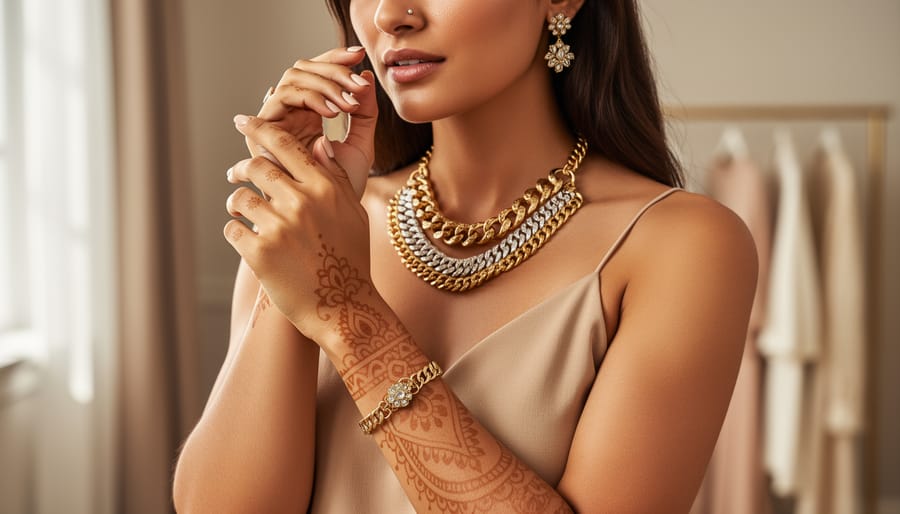
Adornments are decorative items worn on the body to enhance appearance, express identity, or signify cultural belonging. From delicate earrings to statement necklaces, body piercings to ceremonial headpieces, these embellishments transform how we present ourselves to the world and tell stories about who we are.
Understanding adornments goes beyond recognizing pretty accessories. These pieces carry weight in personal expression, cultural heritage, and social communication. A single bracelet might represent a milestone, a religious commitment, or simply your mood that morning. What matters is that you’re choosing to say something about yourself before you even speak.
This guide breaks down adornments across major categories, showing you exactly what qualifies and how different cultures and contexts give these items meaning. You’ll discover how body decoration ranges from everyday jewelry most of us wear without thinking to the elaborate ornamentation found in traditional dress ceremonies worldwide. Whether you’re drawn to minimalist studs or layered chains that command attention, understanding the breadth of adornment options helps you make intentional choices about your personal style.
We’ll explore permanent adornments like tattoos and piercings alongside temporary options such as henna and hair accessories, giving you a complete picture of how humans have decorated themselves across time and geography. By the end, you’ll recognize adornments not just as fashion accessories but as powerful tools for self-definition and cultural connection.
What Adornments Are and Why They Matter
Adornments are decorative items we intentionally wear on or apply to our bodies to enhance our appearance, express our identity, or communicate belonging to specific communities and cultures. They range from jewelry and makeup to tattoos and hair accessories, essentially anything we add to our natural state to create meaning, beauty, or personal significance.
- Adornments
- Decorative items worn on or applied to the body that enhance appearance and communicate personal or cultural identity through visual expression.
- Body Decoration
- The practice of modifying or embellishing the body’s appearance using temporary or permanent additions that carry aesthetic, cultural, or symbolic meaning.
- Personal Adornment
- The individual choices we make about how we decorate ourselves, reflecting our unique identity, values, and the image we want to project to the world.
- Cultural Adornment
- Traditional forms of body decoration tied to specific ethnic groups, communities, or ceremonies that carry shared meanings and connect wearers to their heritage.
Understanding adornments matters because they’re far more than surface-level decoration. Every piece you choose to wear tells a story, about your mood that day, your cultural background, your values, or the person you’re becoming. When you slip on statement earrings or paint your nails a bold color, you’re participating in an ancient human tradition of self-expression through visible choices.
For fashion-forward women exploring personal style, recognizing adornments as communication tools opens up exciting possibilities. You’re not just following trends; you’re curating a visual language that represents you. Adornments empower you to celebrate your heritage, signal your creativity, or simply brighten your own day. They bridge the gap between who you are inside and how the world perceives you, giving you control over your narrative in a landscape that often tries to define us without our input.
Types of Adornments: From Ancient to Contemporary
Jewelry: Timeless Decorative Pieces
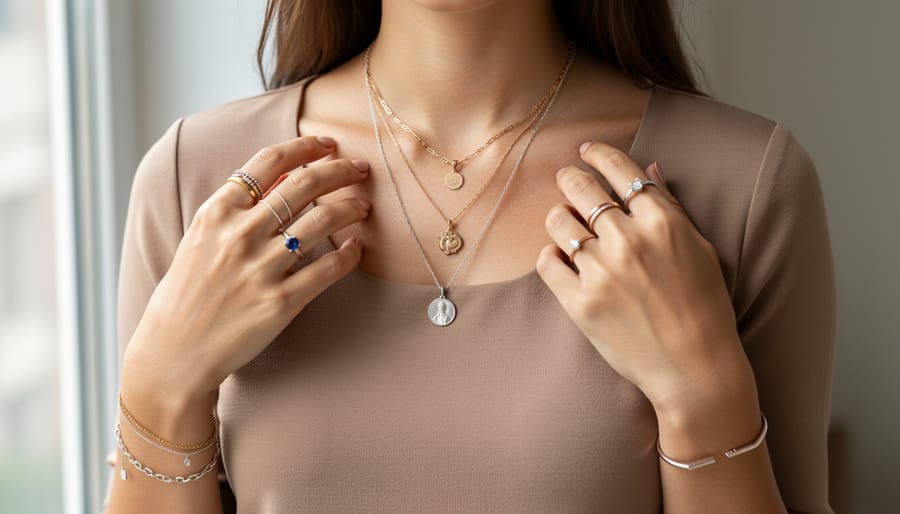
Jewelry stands among the most universal adornment examples, transcending time and geography to express everything from marital status to personal aesthetics. These pieces transform metal, stone, and craftsmanship into wearable narratives that speak before we do.
Earrings frame the face and draw attention to our expressions, ranging from delicate studs that whisper sophistication to chandelier styles that announce bold confidence. Necklaces rest against the heart space, whether as simple chains carrying meaningful pendants or layered statement pieces that create visual interest from collarbone to chest. Bracelets and bangles punctuate our gestures, clinking softly as we move through our day or stacking silently in curated combinations that reflect our mood. Rings carry profound symbolism, engagement bands promising futures, family heirlooms connecting generations, or stackable styles we choose simply because they make us happy. Anklets and body chains, once reserved for specific cultural contexts, now circulate through mainstream fashion as playful accents that peek from hemlines or drape across skin at festivals and beaches.
Consider how different cultures have shaped jewelry traditions:
- Indian nose rings (nath) signaling marital status and regional identity
- African waist beads tracking body changes and celebrating femininity
- Celtic knot designs representing eternal connection and heritage
- Japanese kanzashi hair ornaments elevating traditional dress
- Mexican milagros charms invoking blessings and protection
Each piece we select becomes part of our personal archive, marking milestones, expressing values, or simply bringing us joy when we catch our reflection. The choice to wear your grandmother’s pearls versus a contemporary geometric cuff tells a story about who you are today and who shaped you yesterday.
Makeup and Cosmetic Adornments
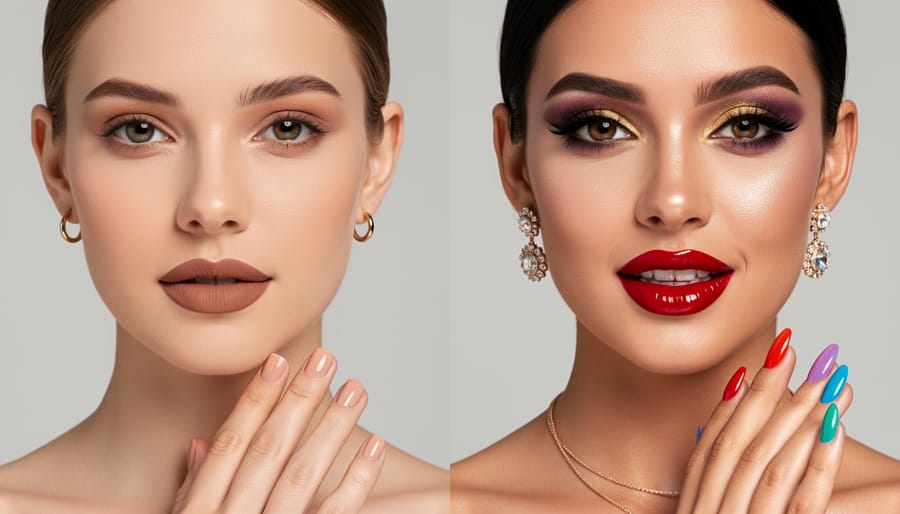
Cosmetic adornments transform the face and body into a canvas for creative expression far beyond everyday beauty routines. Lipstick in bold reds or unconventional purples makes a statement about confidence and mood. Eyeshadow layered in dramatic gradients or glittering metallics celebrates artistry rather than simply enhancing features. Decorative highlighters applied to cheekbones, collarbones, or shoulders catch light and draw attention to the body’s natural architecture.
Face paint takes cosmetic adornment further into transformative territory. Festival-goers apply glitter constellations across their temples and cheeks, while avant-garde makeup artists create geometric patterns or floral designs that challenge conventional beauty standards. Colored eyeliner in electric blue or emerald green signals creative freedom. Metallic lip toppers and holographic finishing powders add dimension and drama.
Artistic makeup applications blur the line between cosmetics and wearable art. Cut creases, graphic liner shapes, and ombré lip designs demonstrate technical skill and personal vision. Bindi-inspired forehead gems, temporary metallic tattoos on the face, and rhinestone placements around the eyes extend makeup into decorative territory. These cosmetic choices empower women to experiment with identity, challenge beauty norms, and present themselves exactly as they wish to be seen, whether that means subtle enhancement or theatrical transformation.
Hair Adornments and Styling
Hair transforms into a dynamic canvas for self-expression through adornments that range from delicate to dramatic. Bobby pins studded with pearls or crystals add subtle sparkle to everyday styles, while statement headbands, velvet, embellished, or structured, frame the face with intention. Tiaras and jeweled combs elevate formal occasions, channeling everything from vintage glamour to modern romance.
Decorative braiding techniques incorporate metallic threads, colorful ribbons, or tiny beads woven directly into plaits, turning a protective hairstyle into wearable art. Hair jewelry like chains that drape across ponytails, rings that accent individual braids, or delicate pins that create constellation patterns offer dimension without commitment.
Fresh or silk flowers tucked behind the ear or woven into updos bring organic beauty and cultural significance, think Hawaiian plumerias or Spanish flamenco roses. Extensions in unexpected colors (pastel pink, electric blue, metallic silver) let you experiment with bold looks temporarily, while semi-permanent color treatments transform your entire head into a statement piece.
Scrunchies have evolved beyond function into fabric-covered declarations of personality, silk for elegance, velvet for texture, printed patterns for playfulness. These hair adornment examples demonstrate how the simplest accessory choice becomes part of your visual identity.
Body Art and Modifications
Body art transforms skin into a living canvas that tells your story. Tattoos, whether delicate line work, bold traditional designs, or expansive sleeves, create permanent markers of meaningful moments, beliefs, or purely aesthetic choices. Temporary alternatives like henna offer intricate patterns rooted in South Asian and Middle Eastern traditions, allowing you to experiment with ornate designs that fade gracefully over weeks.
Body paint elevates artistry to theatrical levels, from festival glitter and geometric patterns to full-body transformations for photoshoots and performances. Piercings extend beyond earlobes to eyebrows, noses, navels, and dermal placements, each creating focal points that range from subtle to statement-making. More extreme modifications like scarification use controlled raised tissue to create textured patterns significant in various African and indigenous cultures.
These bold adornment examples demand commitment and intention. They declare ownership of your body as your creative territory, transforming physical space into personal narrative. Unlike removable accessories, body art becomes part of your identity presentation, visible evidence of your journey, values, or aesthetic vision that travels with you everywhere, speaking before you say a word.
Textile and Fashion Adornments
Textile adornments transform functional fabrics into powerful style statements. Scarves draped around the neck, tied as headwraps, or woven through belt loops add color, texture, and cultural flair to any outfit. Belts cinch waists and create silhouettes, while decorative sashes elevate simple dresses into ceremony-ready looks.
Pins and brooches serve as miniature art pieces, vintage cameos, enamel designs, or statement florals that personalize lapels, collars, and handbags. These small touches tell big stories about your interests and aesthetic sensibilities.
Statement accessories like embellished collars, decorative cuffs, and ornate shoulder pieces instantly elevate basics into editorial-worthy ensembles. The intricate patterns and techniques found in indigenous textile arts inspire contemporary designers creating meaningful fashion adornments.
Even clothing details become adornments: embroidered patches, sequined appliqués, fringe trim, and decorative buttons transform garments into wearable art. These fabric-based adornment examples prove that personal style lives in the details you choose to highlight.
Cultural and Ceremonial Adornments
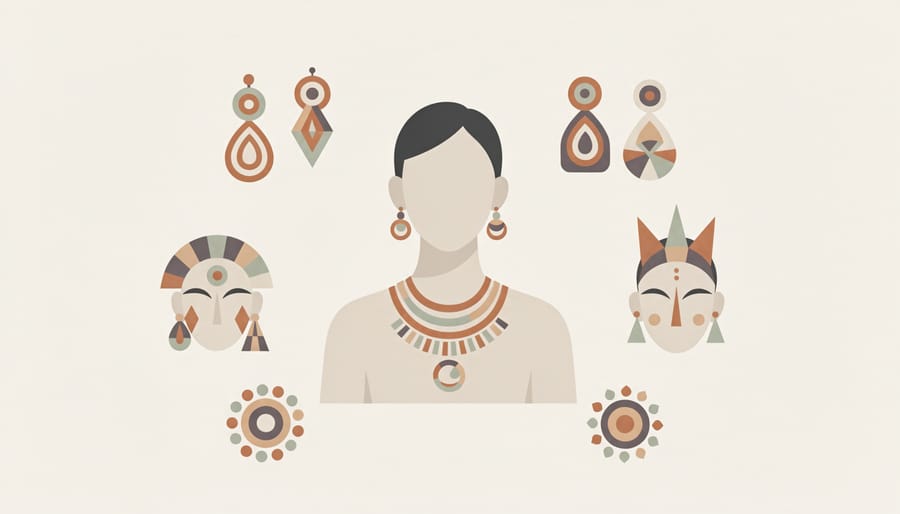
Cultural traditions around the world have created some of the most meaningful adornment examples, each carrying deep significance beyond decoration. Bindis, the decorative dots worn on the forehead in South Asian cultures, represent spiritual insight and marital status, while also serving as a stunning focal point in contemporary fashion. Nose rings, spanning from delicate studs to elaborate hoops, hold cultural importance across Indian, Middle Eastern, and African communities, symbolizing everything from coming-of-age to marriage readiness.
Waist beads, worn beneath clothing in many West African traditions, track physical changes, celebrate femininity, and connect wearers to ancestral practices. Traditional headdresses, from Native American feather crowns to Nigerian gele wraps, identify tribal affiliation, social status, and ceremonial roles. Face markings using natural pigments, whether temporary henna patterns for weddings or symbolic dots and lines for religious festivals, transform the body into a canvas of cultural storytelling.
These adornment examples often pair beautifully with ceremonial garments to create complete expressions of identity. When worn with respect and understanding, cultural adornments celebrate the rich diversity of human expression across generations.
How Adornments Work as Identity Markers
Adornments work as a visual language we wear, broadcasting identity markers that others can read at a glance. When you clasp a bold necklace around your neck or slide rings onto your fingers, you’re making deliberate choices about how you want the world to perceive you. These decisions communicate whether you value tradition or rebellion, subtlety or statement-making, cultural heritage or contemporary trends.
The psychology behind adornment choices runs deeper than surface aesthetics. Your selection of specific jewelry pieces, makeup styles, or hair accessories signals group membership, whether that’s professional identity, subculture affiliation, or cultural belonging. A nose ring might indicate alternative values in one context, traditional heritage in another. The same women’s footwear decorated with cultural patterns tells a different story than minimalist sneakers, even though both serve the same functional purpose.
Adornments also shape how we see ourselves, not just how others perceive us. The ritual of applying lipstick or fastening meaningful jewelry becomes a form of self-affirmation, transforming your mindset and confidence. This internal transformation matters as much as external signaling, when you wear adornments that align with your authentic identity, you literally embody the person you want to be.
The communities we choose often come with distinct adornment codes. Understanding these visual markers helps you navigate social contexts and decide which aspects of your identity you want to emphasize in different situations, giving you control over your narrative.
Uses and Applications: When and How We Adorn Ourselves
We choose our adornments with intention, matching them to the rhythm of our lives and the meaning behind each moment. Your everyday adornment choices create a consistent visual language that others recognize as uniquely you, the delicate chain you never remove, the signature red lip that signals confidence before a presentation, or the stack of bracelets that feels like home on your wrist. These daily decorations transform routine into ritual.
Special occasions elevate adornment to ceremonial expression. Weddings invite bold statement jewelry and intricate henna designs. Graduations call for cultural pieces that honor heritage alongside achievement. Religious celebrations connect us to tradition through bindis, head coverings, or ceremonial face markings that carry generations of meaning.
Professional contexts demand strategic adornment choices that balance self-expression with workplace expectations:
- Subtle stud earrings and minimalist necklaces for conservative corporate environments
- Statement pieces that showcase creativity in fashion, design, or artistic fields
- Cultural jewelry that educates colleagues while honoring your background
- Professional piercings and visible tattoos increasingly accepted in progressive workspaces
Social gatherings become playgrounds for experimental adornment. Music festivals welcome bold body paint and glitter. Gallery openings invite artistic makeup and conversation-starting accessories. Casual brunches let you test new hair jewelry before committing to bigger style shifts.
Cultural celebrations reconnect us to roots through traditional adornments. Wearing waist beads during African heritage months, incorporating Native American textiles into contemporary outfits, or choosing jade jewelry for Lunar New Year celebrations honors lineage while adapting traditions to modern life.
Personal empowerment moments deserve intentional adornment. The first tattoo after major life change. Piercings that mark healing milestones. Bold lipstick that announces you’re ready to be seen. These choices aren’t frivolous, they’re declarations of who you’re becoming, visible reminders of your journey written directly on your body.
Common Questions About Adornments
What’s the difference between cultural appreciation and appropriation when choosing adornments?
Cultural appreciation involves learning about the significance of an adornment, respecting its origins, and supporting the communities that created it, often by purchasing from artisans within that culture. Appropriation happens when you wear sacred or ceremonial items disconnected from their meaning, especially those earned through specific rites or reserved for particular groups, treating them as mere fashion trends without acknowledgment or respect.
Can I mix traditional and contemporary adornment styles?
Absolutely, blending heritage pieces with modern accessories creates a unique, personal style that honors your roots while expressing your current identity. Many fashion-forward women pair traditional jewelry from their culture with contemporary outfits, or incorporate vintage adornments into minimalist looks, creating meaningful conversations between past and present.
How do I start building my adornment collection if I’m new to intentional styling?
Begin with one or two pieces that genuinely resonate with you, whether that’s a simple ring with personal meaning, statement earrings that make you feel confident, or a bracelet representing something you value. Let your collection grow organically as you discover what feels authentic, rather than rushing to acquire everything at once.
How do I choose adornment examples that feel meaningful rather than random?
Select pieces that connect to your identity, values, heritage, or aspirations, a necklace commemorating an achievement, earrings from a place that shaped you, or body art symbolizing personal growth. The most powerful adornments tell your story and remind you of who you are, rather than simply following trends that don’t speak to your journey.
These questions reflect the real concerns women face when building an intentional adornment practice. The answers empower you to make informed, respectful choices that celebrate both your individuality and the rich cultural traditions that have shaped body decoration throughout history. Your adornment journey is yours to define, and every piece you choose becomes part of the visual language you use to communicate your authentic self to the world.
From delicate stud earrings that whisper elegance to full-sleeve tattoos that shout your story, the examples of adornments we’ve explored show there’s no single way to decorate your body. Whether you’re drawn to the timeless sparkle of jewelry, the transformative power of makeup, the cultural significance of traditional pieces, or the bold commitment of body art, each choice you make adds another layer to your personal narrative.
Your adornment journey is uniquely yours. Maybe you start with a simple bracelet that reminds you of your grandmother, then build confidence to try that dramatic lip color you’ve been eyeing. Perhaps you honor your heritage through waist beads or bindis, or express your creativity with temporary henna designs. There’s no hierarchy here, a classic gold necklace holds just as much meaning as an intricate face paint design when it resonates with who you are.
What matters isn’t following trends or checking boxes. It’s choosing adornments that speak to you, that make you feel powerful, beautiful, or connected. Your body is your canvas, and how you choose to decorate it tells a story that’s been unfolding since humans first adorned themselves with shells and ochre.
So experiment. Mix your grandmother’s vintage brooch with contemporary piercings. Pair traditional accessories with modern makeup. Let your adornment choices evolve as you do, because body decoration isn’t static, it’s a living expression of who you’re becoming. Start where you are, adorn yourself with intention, and own every choice you make.