
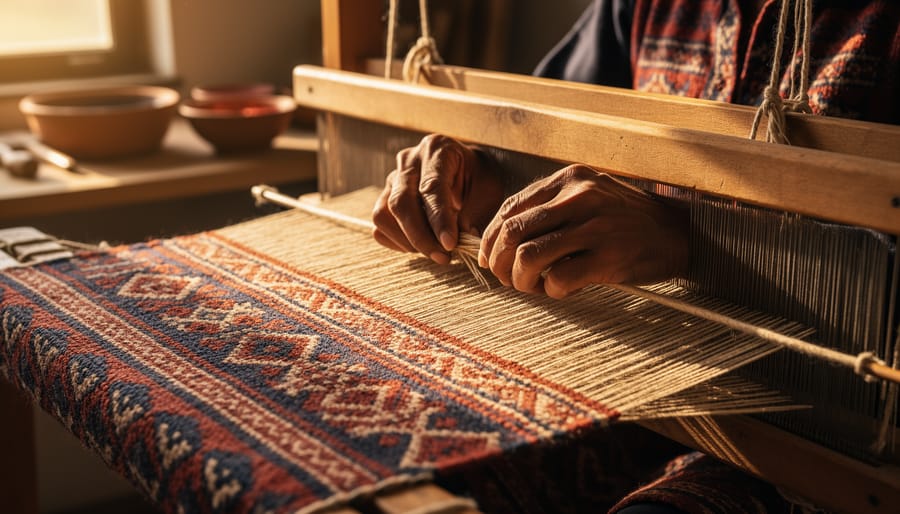
Native American textile art refers to the woven, embroidered, and dyed fabrics created by Indigenous peoples across North America, using techniques passed down through generations that transform natural fibers like wool, cotton, and cedar bark into functional objects and ceremonial pieces. These aren’t museum relics frozen in time. Right now, we’re witnessing a powerful revival as Indigenous artists reclaim ancestral weaving methods, natural dye processes, and symbolic patterns that colonial policies once tried to erase.
What makes this moment different is the intersection of fashion consciousness and cultural sovereignty. As the sustainable fashion movement pushes back against fast fashion’s environmental toll, Indigenous textile artists are proving that traditional methods offer both ecological wisdom and stunning aesthetic innovation. Navajo weavers are commanding serious respect in contemporary galleries. Coast Salish artists are revitalizing Chilkat weaving techniques that require years to master. Cherokee finger-weavers are teaching workshops that sell out in hours.
This revival matters beyond the runway. For Indigenous communities, these textiles carry stories, spiritual meaning, and economic opportunity. Each pattern holds knowledge about place, identity, and resistance. Learning about Native American textile art means understanding how craft becomes cultural continuity, and why supporting authentic Indigenous makers is an act of solidarity, not just style.
Here’s what you need to know about the techniques shaping this movement, the diversity of traditions across tribal nations, and how to engage with this art form respectfully and meaningfully in 2026.
What Native American Textile Art Means
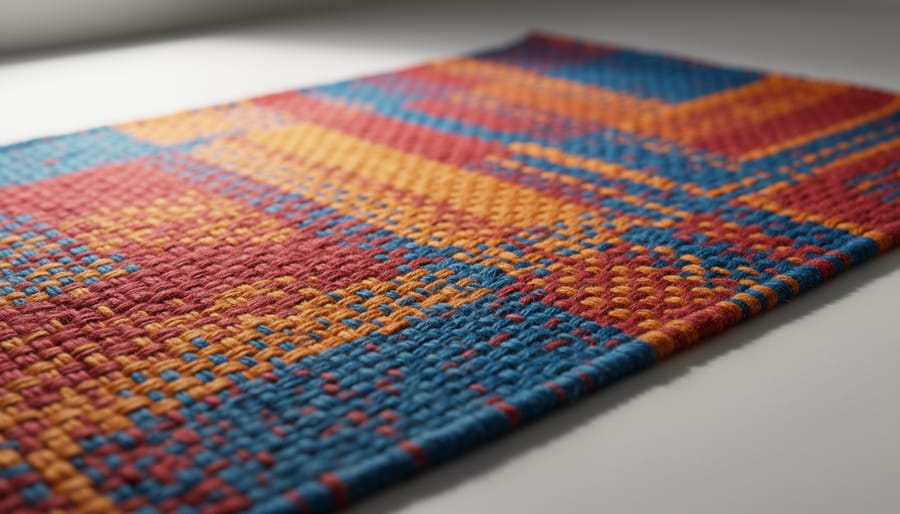
Native American textile art represents centuries of indigenous knowledge woven into fabric, literally and figuratively. These creations are handmade textiles produced by Native American communities across North America, encompassing blankets, rugs, garments, and ceremonial pieces. They’re crafted using techniques passed down through generations, incorporating natural materials, traditional looms, and symbolic designs that carry deep cultural meaning.
What makes these textiles special isn’t just their visual beauty. They serve as living records of history, identity, and belief systems. Each pattern, color choice, and weaving method tells a story, whether it’s documenting a significant event, representing a clan’s heritage, or honoring spiritual teachings. When indigenous artists create these works, they’re participating in a tradition that connects them to their ancestors and their community’s future.
Understanding Native American textiles means recognizing how textiles express identity and spirituality across different tribal nations. A Navajo chief blanket carries different symbolism than a Pueblo manta or a Chilkat blanket from the Northwest Coast. The designs aren’t merely decorative, they often hold sacred significance, mark social status, or commemorate important life events.
- Weaving
- The process of interlacing threads or fibers to create fabric, often using upright or horizontal looms specific to each tribal tradition.
- Natural Dyeing
- Creating colors from plants, minerals, and natural materials like indigo, cochineal, or walnut hulls, a sustainable practice indigenous communities perfected long before synthetic dyes existed.
- Symbolism
- Patterns and motifs that carry cultural, spiritual, or historical meaning unique to each community, from geometric shapes representing landscape features to designs honoring spiritual beings.
- Traditional Motifs
- Repeated design elements passed down through generations, such as diamond patterns, stepped terraces, or animal figures that identify the weaver’s tribal affiliation and tell specific stories.
These textiles also function as practical items. Beyond their role as ceremonial garments they’ve served as bedding, clothing, trade goods, and markers of wealth. Today, they bridge heritage and contemporary fashion, with indigenous artists honoring traditional methods while bringing fresh creativity to their work.
How Traditional Textile Techniques Work
Natural Dye Sources and Methods
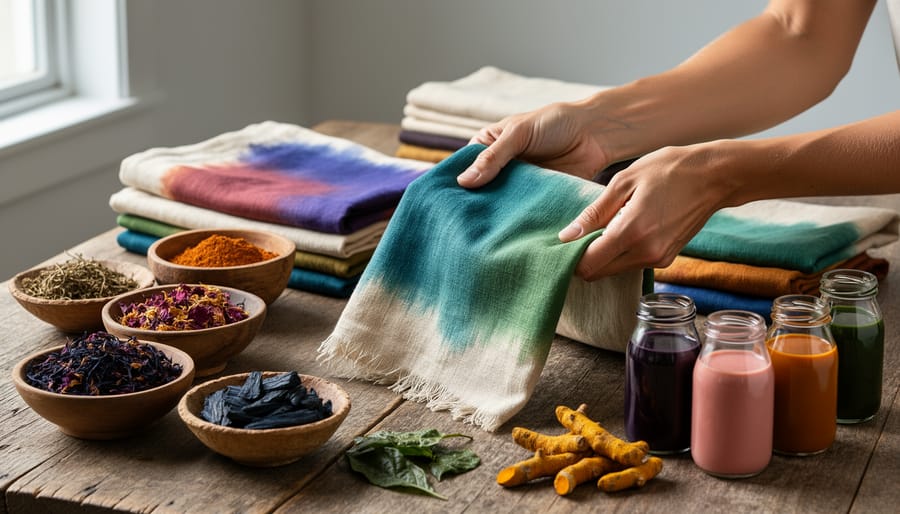
Indigenous textile artists source vibrant natural dyes from plants and minerals found in their local environments, creating colors deeply tied to place and season. Yellows come from sunflowers, rabbitbrush, and onion skins. Rich browns emerge from walnut hulls and juniper bark. Reds develop from madder root, cochineal insects, and certain berries. Blues and greens require indigo or copper minerals mixed with specific plant mordants.
The dyeing process itself demands patience and skill. Artists harvest materials at peak potency, then simmer them for hours to extract pigment. Mordants, substances like ash, clay, or iron-rich water, help colors bond to wool, cotton, or other fibers and shift hues in surprising ways. The same dye bath can produce completely different shades depending on water temperature, fiber type, and mineral content.
This ancient color science aligns perfectly with today’s sustainable fashion movement. There are no synthetic chemicals, plastic packaging, or industrial waste. Each skein carries the landscape’s signature, creating textiles that change subtly with light and time rather than fading uniformly like commercial dyes.
Weaving and Construction Techniques
Indigenous weavers employ several distinct construction methods, each demanding years of practice to master. Loom weaving forms the foundation of many Navajo and Pueblo textiles, artists stretch warp threads vertically on an upright frame, then interlace weft threads horizontally to build intricate geometric patterns one careful row at a time. The tension must stay perfectly consistent, and experienced weavers can feel when a single thread pulls too tight or loose.
Fingerweaving uses no loom at all, instead, artists manipulate threads with their hands alone, braiding and crossing fibers to create sashes, straps, and decorative bands with remarkable complexity. This portable technique was especially valued by communities who moved seasonally.
Twining represents another ancient method where two or more weft threads twist around stationary warp threads, creating sturdy, textured fabrics. Basket makers and blanket weavers across the Pacific Northwest perfected this technique, producing pieces that could withstand decades of daily use. Each construction method carries its own rhythm and physical knowledge, skills passed through generations by watching, practicing, and developing the muscle memory that turns thread into art.
Types of Native American Textile Traditions
Native American textile traditions vary dramatically across regions and tribal communities, each reflecting unique cultural values, available materials, and generations of refined technique. Understanding these distinctions reveals not just artistic diversity, but the deep connections between place, identity, and craft that continue to influence modern fashion.
Navajo weaving stands among the most recognized indigenous textile traditions, known for intricate geometric patterns and bold colors. Navajo weavers, traditionally women, work on upright looms, creating rugs and blankets with tight, tapestry-style weaves. The patterns carry specific meanings: diamonds might represent the four sacred mountains, while zigzags can symbolize lightning. What makes Navajo textiles distinct is their weaving philosophy, many weavers intentionally include a “spirit line” in their designs, a deliberate break in the pattern that allows their creative energy to escape the finished piece.
Pueblo communities, particularly among the Hopi and Zuni peoples, developed their own textile heritage centered on cotton cultivation long before European contact. Pueblo textiles feature embroidered mantas (rectangular wraps) and sashes with symbolic designs representing clouds, rain, and agricultural abundance. The kilt and dance sash remain essential ceremonial garments, with specific colors and patterns designated for particular ceremonies and clan affiliations.
Major textile traditions across indigenous North America include:
- Navajo rugs and blankets, upright loom weaving with geometric patterns, wool, and natural and aniline dyes
- Pueblo mantas and kilts, cotton-based ceremonial textiles with embroidered symbolic designs representing agricultural and spiritual themes
- Chilkat blankets, Northwest Coast formline art woven from mountain goat wool and cedar bark, requiring months of complex twining
- Plains beadwork and quillwork, leather and hide adorned with dyed porcupine quills or glass beads in geometric and floral patterns
- Great Lakes finger weaving, braided sashes and straps created without looms, featuring diagonal patterns in wool or plant fibers
Northwest Coast Chilkat blankets represent some of the most technically demanding indigenous textiles. Tlingit, Tsimshian, and Haida weavers create these ceremonial robes using mountain goat wool and yellow cedar bark, following formline designs that depict clan crests and ancestral stories. The weaving process can take a year or more, with weavers working from pattern boards to translate painted designs into woven form.
Plains tribes developed extraordinary beadwork and quillwork traditions, transforming leather garments, bags, and ceremonial objects into wearable art. Before glass beads arrived through trade, artists used dyed porcupine quills, flattening and weaving them into intricate geometric patterns. Both techniques require precision and patience, with some pieces containing thousands of individual beads or quills arranged in designs that signify tribal identity, personal achievements, or spiritual protection.
The Revival Movement: How Indigenous Textile Techniques Are Making a Comeback
Across North America, indigenous communities are reclaiming and reinvigorating their textile heritage through a powerful cultural renaissance. Young indigenous artists are learning ancient techniques from elders while simultaneously pushing these practices into new creative directions, weaving together tradition and innovation. Organizations like the Institute of American Indian Arts and tribal cultural centers now offer workshops where teenagers master natural dyeing alongside their grandmothers, creating mentorship chains that had nearly broken during decades of forced assimilation policies.
Fashion designers with indigenous heritage are bringing indigenous textile arts to global runways and galleries. Artists like Bethany Yellowtail (Northern Cheyenne and Crow) and Jamie Okuma (Luiseño and Shoshone-Bannock) blend traditional craftsmanship with contemporary silhouettes, proving these techniques remain relevant and vibrant. Their work appears not just in cultural contexts but in high fashion spaces, challenging outdated notions that indigenous textiles belong only to museums or historical discussions.
Social media has become an unexpected catalyst for this movement. Indigenous weavers share time-lapse videos of their work, connecting with thousands of followers who might never encounter traditional textiles otherwise. Hashtags documenting Navajo weaving processes or Chilkat blanket creation create virtual communities where knowledge spreads and younger generations discover pride in their cultural heritage.
The revival extends beyond individual artists. Tribes are establishing textile cooperatives that provide both cultural education and economic opportunities. These initiatives allow artists to earn sustainable incomes while teaching traditional methods, ensuring techniques survive and evolve. By connecting traditional dress practices to contemporary fashion consciousness, indigenous communities are writing their own narrative about what cultural preservation looks like in 2026.
How Native American Textiles Are Used in Modern Fashion and Design
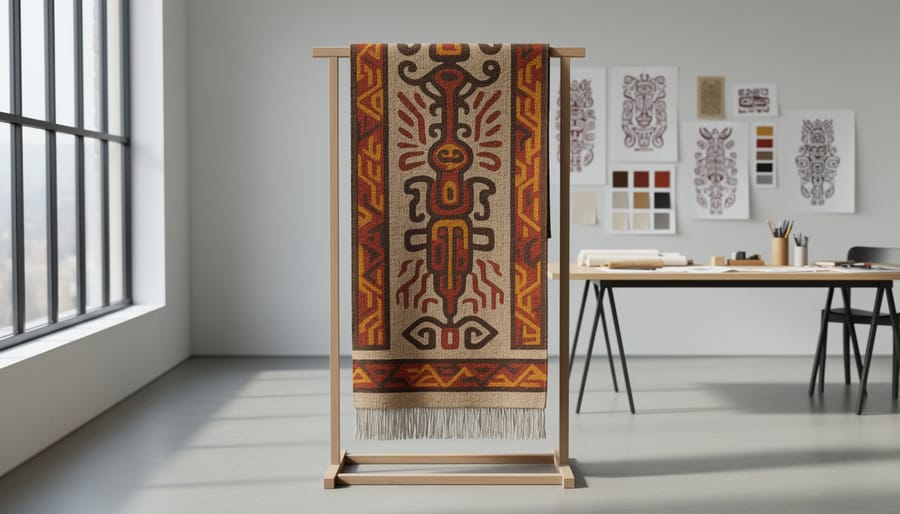
Native American textiles have found meaningful presence in contemporary spaces, from runway collections to gallery walls. Indigenous designers like Jamie Okuma (Luiseño/Shoshone-Bannock) and Bethany Yellowtail (Northern Cheyenne/Crow) create fashion that honors traditional techniques while speaking to modern aesthetics. Their work proves these textiles aren’t museum pieces, they’re living art forms evolving with each generation.
You’ll spot authentic indigenous textiles in boutique fashion collaborations, where native-owned brands partner with retailers committed to ethical practices. Beyond Buckskin, founded by Jessica Metcalfe (Turtle Mountain Chippewa), connects buyers directly with indigenous designers creating everything from everyday wear to statement pieces. This direct-to-artist approach ensures cultural knowledge holders benefit from their own heritage.
Museum exhibitions have shifted from static displays to interactive showcases celebrating indigenous innovation. The Autry Museum of the American West and the Heard Museum regularly feature contemporary native textile artists alongside historical pieces, demonstrating how traditional methods adapt to current creative visions. These exhibitions frame textiles as ongoing artistic conversations rather than relics.
Home decor has become another avenue, with indigenous artists creating pillows, wall hangings, and blankets that bring traditional patterns into everyday spaces. The key difference between respectful integration and appropriation lies in who profits and who gets credit. Buying a Pendleton blanket with generic “Southwest-inspired” designs differs fundamentally from purchasing directly from Eighth Generation, the only Native-owned company producing wool blankets, where Coast Salish artists receive royalties and recognition.
The ethical line is clear: support comes from centering indigenous voices, compensating artists fairly, respecting cultural protocols around sacred designs, and never reducing complex traditions to trendy aesthetics. When indigenous creators control the narrative and benefit economically, these textiles enrich contemporary design while sustaining the communities that created them.
Common Questions About Native American Textile Art
If you’re drawn to the beauty and cultural richness of Native American textiles, you likely have practical questions about how to engage with them respectfully. Whether you’re considering a purchase, curious about learning techniques yourself, or simply want to support indigenous artists, understanding the etiquette and practicalities matters.
How can I identify authentic Native American textiles?
Look for the Indian Arts and Crafts Act certification tags, purchase directly from indigenous artists at established markets and galleries, or buy from reputable dealers who provide artist names and tribal affiliations. Authentic pieces typically show hand-crafted irregularities that machine-made imitations lack.
Where should I buy Native American textiles to support artists ethically?
Purchase directly from indigenous artists at tribal markets, cultural centers, or their own websites and social media shops. Organizations like the Indian Arts and Crafts Association maintain directories of authentic indigenous artists, ensuring your money goes to the creators themselves rather than middlemen.
Can non-indigenous people learn traditional textile techniques?
Some indigenous artists and cultural organizations offer workshops open to all respectful learners, viewing education as a way to preserve techniques and build appreciation. However, certain sacred patterns and methods remain restricted to tribal members, so always ask permission and respect boundaries around cultural knowledge.
How do I properly care for Native American textiles?
Store pieces away from direct sunlight to prevent dye fading, avoid folding along the same creases repeatedly, and consult the artist about cleaning methods since natural dyes and fibers require gentle care. Many older textiles benefit from professional conservation rather than home cleaning.
Supporting the revival movement goes beyond purchasing finished pieces. Follow indigenous artists on social media, attend cultural events and exhibitions, share their work with proper credit, and educate yourself about the specific tribal traditions represented in textiles you admire. When you invest in authentic Native American textile art, you’re not just acquiring beautiful craft, you’re participating in cultural preservation and helping ensure these traditions thrive for future generations.
Native American textile art represents centuries of cultural wisdom, artistic innovation, and community identity woven into every fiber. These textiles aren’t relics of the past, they’re living traditions being carried forward by indigenous artists who honor their ancestors while pushing creative boundaries in exciting new directions.
The revival happening right now proves that traditional techniques remain relevant and powerful in 2026’s fashion landscape. When you support indigenous textile artists directly, you’re not just purchasing beautiful work. You’re helping preserve languages encoded in patterns, sustaining families and communities, and ensuring these techniques get passed to the next generation of weavers, dyers, and storytellers.
Appreciating Native American textiles means recognizing them as sophisticated art forms created by skilled artists, not exotic decorations or trends to appropriate. It means learning the stories behind the patterns, understanding regional differences, and respecting the cultural protocols around certain designs.
Every textile carries generations of knowledge in its threads. By celebrating indigenous artisans as the cultural innovators they are, we help ensure these extraordinary traditions continue evolving for centuries to come. That’s fashion with genuine meaning and lasting impact.
You may also like
-
What Is This Renewable Resource Made from Rotting Plant Material? (And How It’s Transforming Fashion)
-
12 Ethical Fashion Examples Leading the Sustainable Style Revolution
-
How to Start a Furniture Upcycling Business That Turns Vintage Finds Into Style Gold
-
What Is Intergenerational Cultural Dissonance (and How Does It Shape Fashion Today)?
-
What Are Unique’e Luxury Hidden Accords (and How Do They Transform Fragrance)?