
Fashion journalism is the practice of reporting, analyzing, and interpreting trends, business developments, cultural shifts, and creative expression within the fashion industry through various media platforms. It encompasses everything from runway reviews and designer profiles to sustainability investigations and style advice, serving as the bridge between fashion insiders and the audiences who wear, buy, and care about clothing.
If you’ve ever read a Vogue feature, scrolled through a street style gallery, or watched a designer interview, you’ve experienced fashion journalism in action. This field shapes how we understand what’s happening in fashion right now and influences the choices we make about our personal style. Fashion journalists don’t just describe pretty clothes. They investigate labor practices in garment factories, decode the cultural meaning behind a collection, explain why certain silhouettes dominate a season, and empower readers to make informed decisions about their wardrobes.
The landscape has transformed dramatically over the past decade. Traditional magazine editors now share space with digital creators, podcast hosts, and newsletter writers who cover fashion with fresh perspectives. Social media has democratized access, allowing diverse voices to challenge outdated beauty standards and push for greater representation. Whether you’re someone who dreams of working in fashion media or simply want to consume fashion content more critically, understanding how journalism functions in this industry helps you recognize the difference between genuine reporting and branded content, between trend forecasting and marketing.
This article breaks down what fashion journalism actually involves, how the reporting process works, the different forms it takes, and how you can apply this knowledge to your own relationship with fashion content.
What Fashion Journalism Really Means
Fashion journalism is the art and craft of telling stories about what we wear, why we wear it, and what it all means. At its core, it’s the practice of reporting on fashion trends, analyzing designer collections, covering industry developments, and exploring the cultural forces that shape how we dress. Think of fashion journalists as translators who decode the runway for everyday life, examining everything from haute couture spectacles to the resurgence of 70s fashion in modern wardrobes.
- Fashion Journalism
- The practice of reporting, analyzing, and critiquing fashion for public audiences through various media platforms. It encompasses everything from runway reviews to trend forecasting and cultural commentary.
- Fashion Critique
- Independent analysis and evaluation of collections, trends, and industry practices based on informed judgment. This differs from promotional content by offering honest assessment and context.
- Editorial Content
- Journalism created by writers and editors that serves reader interests rather than commercial goals. Editorial pieces maintain independence from brands and advertisers.
- Advertorial
- Paid promotional content designed to look like editorial journalism but created to market specific products or brands. These pieces serve advertiser interests, not journalistic objectivity.
What separates real fashion journalism from marketing is independence and purpose. Fashion journalists work for you, the reader. They attend shows, interview designers, research trends, and write with your needs in mind, helping you understand what’s worth your attention and money. Marketing and advertorial content, however polished, exists to sell you something specific. Fashion journalism gives you the bigger picture, the critical perspective, and the cultural context that transforms shopping into an informed, empowered choice. It bridges the vast distance between a designer’s vision on a Paris runway and your closet at home, making fashion accessible, understandable, and personally relevant.
How Fashion Journalism Works
From Runway to Reader
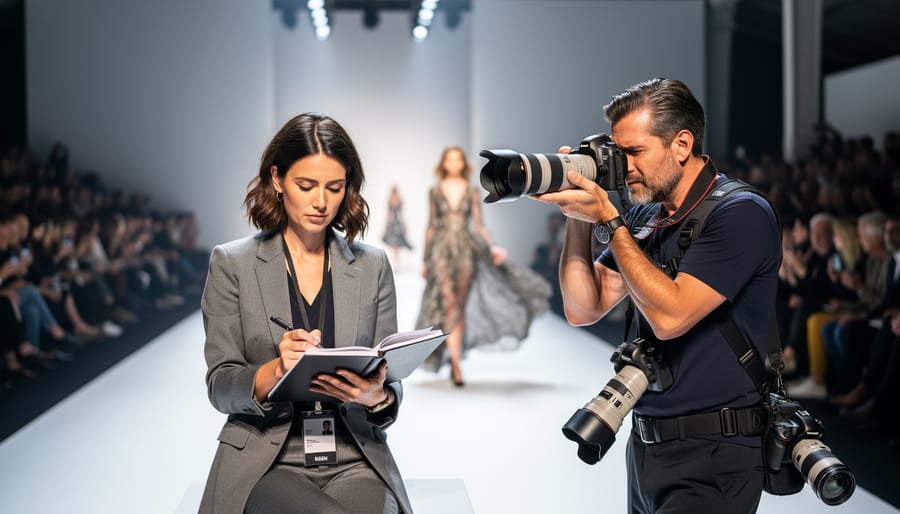
The process starts weeks before a fashion show even happens. Journalists secure invitations, research the designer’s previous work, and prepare questions. At the event itself, they’re taking rapid notes on silhouettes, fabrics, and standout pieces while photographers capture the looks that will illustrate the story.
Back at the office, the real work begins. The fashion writer meets with editors to pitch angles, maybe focusing on a designer’s return to minimalism or a surprising cultural reference in the collection. They draft the story, weaving together their observations with context about the designer’s vision and how it fits into broader trends.
Meanwhile, the photo editor selects images that best represent the narrative, and stylists might recreate looks for accompanying editorial shoots. This collaboration ensures that words and visuals tell a cohesive story. The piece goes through several rounds of editing to sharpen the analysis and check facts.
Finally, it reaches you, whether in a glossy magazine, a website, or your Instagram feed, transforming a 15-minute runway show into meaningful commentary that helps you understand what just happened in fashion and why it matters.
The Role of Critique and Commentary
Fashion critics don’t just describe what they see on the runway, they decode it. When a critic analyzes a collection, they’re looking beyond fabric and silhouette to ask bigger questions: What cultural conversation is this designer entering? How does this respond to what came before? A thoughtful critique might connect a deconstructed blazer to shifts in workplace culture, or trace how a color palette reflects broader societal anxieties. This context transforms a pretty dress into a meaningful statement.
Critics also serve as your filter in an overwhelming industry. They evaluate whether a hyped trend has staying power or if it’s destined to fade by next season. They’ll tell you when a designer is rehashing old ideas versus genuinely innovating. By placing new collections alongside iconic fashion moments and explaining what makes something groundbreaking, critics give you the vocabulary and framework to understand fashion as a creative discipline, not just a shopping opportunity.
This analytical layer matters because it empowers you to engage with fashion critically rather than passively consume whatever gets pushed your way.
Different Forms of Fashion Journalism
Traditional Print and Digital Magazine Features

Traditional print magazines like Vogue, Harper’s Bazaar, and Elle pioneered the in-depth storytelling that defines fashion journalism. These publications devote entire spreads to analyzing seasonal trends, explaining why certain silhouettes dominate runways and how readers can adapt them to real life. Long-form features explore the creative process behind collections, offering context that transforms garments into cultural commentary.
Designer profiles remain a cornerstone of this format, revealing the personal journeys and artistic visions that shape the industry. These narratives go beyond surface-level celebrity coverage to examine how designers respond to social movements, sustainability challenges, and shifting consumer values.
Digital magazine platforms have expanded this tradition, maintaining the editorial rigor of print while adding multimedia elements. Interactive trend reports now incorporate video interviews and shoppable links, while editorial spreads come alive through behind-the-scenes footage. The commitment to thorough research, expert analysis, and beautifully crafted storytelling persists across both formats, offering readers substantive content that educates while it inspires.
Runway and Collection Reviews
Fashion show reviews sit at the heart of fashion journalism, offering expert analysis that goes beyond what looked pretty on the runway. Critics evaluate seasonal collections through multiple lenses: craftsmanship, innovation, wearability, and cultural relevance. They consider how a designer’s vision translates to actual garments, whether the silhouettes feel fresh or derivative, and how the collection responds to current conversations about sustainability or inclusivity.
A strong runway review doesn’t just describe what appeared, it contextualizes the work within a designer’s evolution and the broader industry landscape. When Simone Rocha debuts her Spring/Summer collection, for instance, critics examine how her romantic aesthetic adapts to contemporary needs while maintaining her signature perspective.
These reviews serve you as a reader by cutting through marketing hype. They identify which trends merit your attention, which pieces actually function in real life, and when emperor-has-no-clothes moments deserve calling out. Quality collection criticism empowers you to approach fashion with discernment rather than blind acceptance.
Street Style and Trend Reporting
Street style journalism captures fashion as it lives and breathes on actual sidewalks, not just runways. Fashion journalists who specialize in street style photograph and analyze what real people wear in major cities like Tokyo, New York, and Copenhagen, documenting how individuals interpret trends through their personal lens. This form of reporting has become increasingly influential because it shows fashion in context, how a designer piece gets styled with vintage finds, how trends translate across different body types and budgets, and which experimental looks are gaining momentum before they hit the mainstream.
The best street style journalism goes beyond pretty pictures. It identifies emerging patterns, explains why certain combinations work, and traces how subcultural movements and everyday creativity eventually influence high fashion collections. Designers openly admit to drawing inspiration from street photography, creating a fascinating feedback loop where fashion journalism doesn’t just report trends but actively participates in their evolution. For you as a reader, street style coverage offers the most relatable fashion journalism, proof that great style isn’t about access or budget, but about confidence and creativity.
Digital and Social Media Fashion Content
Instagram stories dissecting runway looks, TikTok breakdowns of viral trends, Substack newsletters offering weekly style analysis, these platforms haven’t just added distribution channels for fashion journalism. They’ve fundamentally changed how stories get told and who gets to tell them.
Social media democratized fashion commentary. A college student with sharp styling instincts can build an audience analyzing designer collections alongside established critics. The format shifted too: instead of 2,000-word magazine features, fashion journalists now create carousel posts explaining trend cycles, 60-second videos comparing high-low pieces, or weekly email dispatches with outfit formulas and shopping links.
This evolution brings trade-offs. Platforms reward frequency and engagement over depth, sometimes pushing journalists toward listicles and hot takes rather than nuanced critique. Sponsored content blurs into editorial voice when influencers don’t clearly distinguish partnerships. But digital formats also enable immediacy, covering a fashion show while it happens, and interactivity, with readers commenting, sharing their own interpretations, and shaping conversations in real time. The best digital fashion journalists blend accessibility with substance, meeting audiences where they scroll while maintaining critical perspective.
Where Fashion Journalism Makes an Impact
Empowering Your Personal Style
Fashion journalism does more than report trends, it gives you the tools to build a style that genuinely reflects who you are. When a journalist breaks down how to wear oversized blazers for different body types or explains why certain colors work with your skin tone, they’re translating runway concepts into real-life confidence. You learn which trends align with your lifestyle (maybe vintage fashion speaks to you more than fast fashion cycles) and discover styling tricks that make getting dressed feel less overwhelming.
Quality fashion journalism shows you how other women experiment with their wardrobes, celebrates diverse body shapes, and explains the context behind trends so you can decide what resonates. It’s permission to try something new, whether that’s a bold print you’ve always avoided or finally understanding how to style that piece sitting unworn in your closet. Instead of prescribing rules, good fashion writing empowers you to make informed choices about what you wear, why you wear it, and how to adapt trends in ways that feel authentic to your personal style.
Driving Industry Accountability
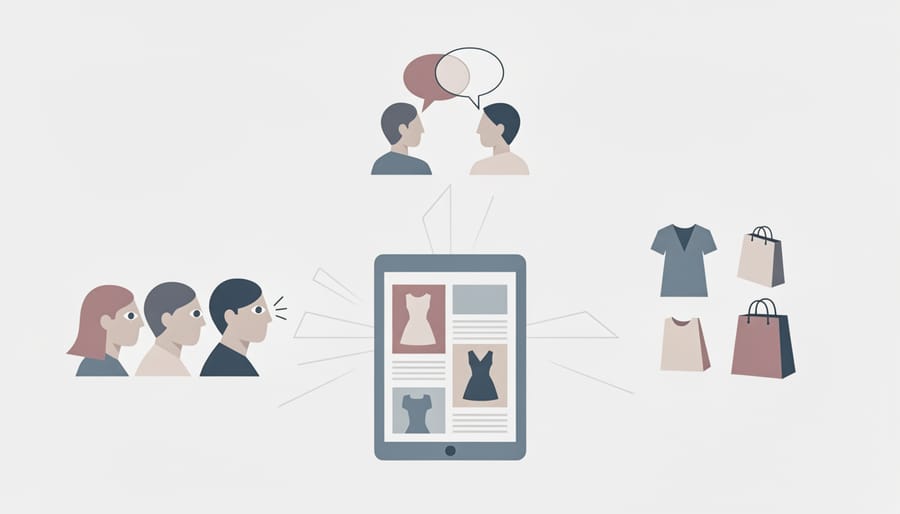
Fashion journalism has evolved beyond covering trends and runway shows to become a powerful force for industry change. Investigative reporters now shine spotlights on garment worker conditions, tracing supply chains from Bangladeshi factories to luxury boutiques. When journalists expose unsafe working environments or poverty wages, brands face public pressure to reform, and many do.
Sustainability reporting has transformed how companies approach production. Fashion journalists who question greenwashing claims and demand transparent carbon footprints have pushed major labels to adopt circular fashion models and reduce waste. Their persistent coverage makes sustainability a business imperative, not just marketing talk.
The push for diversity and inclusion in fashion gained momentum through journalistic scrutiny. Critics who called out all-white runways, limited size ranges, and tokenism in campaigns forced the industry to broaden its definition of beauty. Today’s fashion journalism holds brands accountable for genuine representation across race, body type, age, and ability.
This accountability journalism empowers you as a consumer. When you read well-researched exposés and critical analysis, you can vote with your wallet for brands that align with your values and demand better from those that don’t.
Common Questions About Fashion Journalism
Navigating the world of fashion journalism can feel overwhelming, especially when every platform claims expertise and every post looks polished. Understanding how this field works helps you consume fashion content more thoughtfully and make better decisions about what voices to trust.
How do I become a fashion journalist?
Start by building a portfolio through a personal blog or contributing to student publications, then pursue internships at fashion magazines or digital platforms. A journalism or fashion studies degree helps, but strong writing skills, industry knowledge, and a unique perspective matter more than formal credentials.
What’s the difference between editorial content and sponsored posts?
Editorial content is written independently by journalists without payment from brands, while sponsored content (also called advertorial) is paid for by companies and should be clearly labeled as “sponsored,” “partner,” or “ad.” Quality publications maintain strict separation between these two types of content.
How can I tell if a fashion source is trustworthy?
Look for clear author bylines, transparent disclosure of partnerships, diverse coverage that includes criticism alongside praise, and editorial standards that prioritize accuracy over clickbait. Trustworthy sources cite their information, correct errors publicly, and don’t simply rewrite press releases.
Do fashion journalists get free clothes?
Some receive samples for photoshoots or review purposes, which are typically returned or disclosed if kept. Ethical journalists maintain independence by clearly separating gifts from editorial coverage and never letting free products influence their critical analysis.
The best approach to engaging with fashion media is treating it like any other news source. Question bold claims, seek out multiple perspectives on the same trend or collection, and pay attention to who’s funding the content you consume. When you notice a publication consistently offering nuanced takes, covering underrepresented designers, or questioning industry practices rather than just celebrating them, you’ve likely found a voice worth following. Your critical engagement makes fashion journalism better by rewarding quality over mere promotion.
Fashion journalism isn’t just about reporting what’s trending, it’s about giving you the knowledge and context to make confident, personal choices in a world overflowing with style content. When you understand the stories behind collections, the critiques that challenge industry norms, and the voices pushing for genuine change, you become more than a passive consumer. You become someone who shapes fashion through thoughtful engagement.
The landscape has never been more diverse or accessible. Seek out journalists and critics who represent different perspectives, body types, cultural backgrounds, and price points. Question the sources you follow. Ask whether content informs or simply sells. The best fashion journalism doesn’t tell you what to wear, it equips you to decide for yourself.
As you scroll through fashion media in 2026, remember that every trend report, runway review, and street style feature reflects choices about what deserves attention and why. By engaging critically and supporting substantive voices, you’re not just consuming fashion journalism, you’re helping define what it becomes. Your curiosity and discernment matter more than ever.
You may also like
-
What Is Innovation in the Beauty Industry (and How Is Technology Changing It)?
-
Your Digital Footprint: What It Is, How to Manage It, and Where to Get Support
-
What Is Native American Textile Art (and How Indigenous Techniques Are Being Revived)?
-
What Is This Renewable Resource Made from Rotting Plant Material? (And How It’s Transforming Fashion)
-
12 Ethical Fashion Examples Leading the Sustainable Style Revolution