
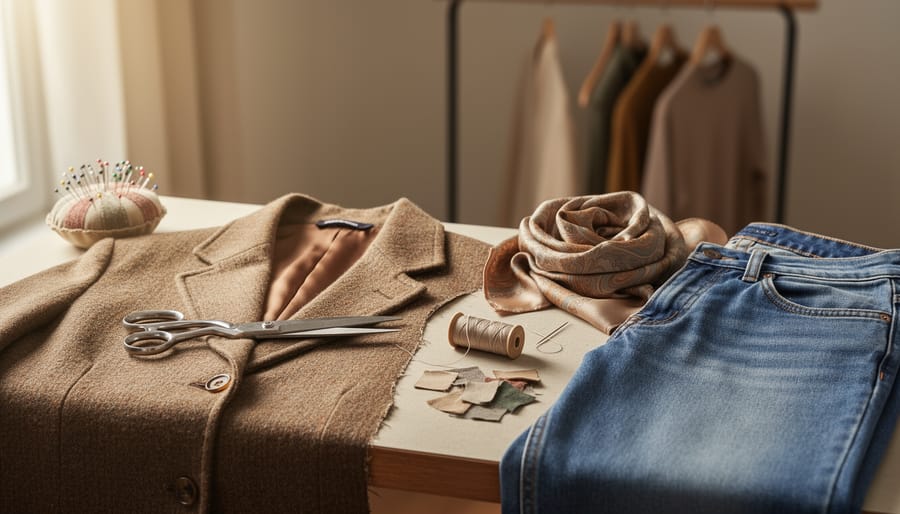
Vintage upcycling transforms pre-loved clothing and accessories into fresh, one-of-a-kind pieces that express your personal style while keeping textiles out of landfills. Unlike simple thrifting (buying secondhand as-is) or traditional recycling (breaking materials down), upcycling adds creative intervention. You might crop a 90s blazer into a modern cropped jacket, embroider a plain vintage dress with bold florals, or combine two outdated pieces into something completely new.
The practice sits at the heart of sustainable fashion offering a tangible way to reduce textile waste while building a wardrobe that no one else owns. Fashion production creates massive environmental strain, but vintage upcycling flips that equation. Instead of feeding demand for new manufacturing, you’re reimagining what already exists.
What makes vintage upcycling particularly empowering? Complete creative control. You’re not limited to what brands decide to stock this season. That thrifted silk scarf becomes a halter top. Those worn jeans transform into a patchwork tote. The faded band tee gets new life with strategic cutouts and dye.
This article breaks down exactly how vintage upcycling works, from sourcing pieces with potential to mastering basic techniques. You’ll discover different upcycling approaches (whether you prefer subtle alterations or dramatic reconstructions), learn what tools and skills you actually need to start, and see how this creative practice fits into your daily style routine. No sewing machine required to begin, though you’ll find suggestions for leveling up your skills when you’re ready.
What Vintage Upcycling Actually Means
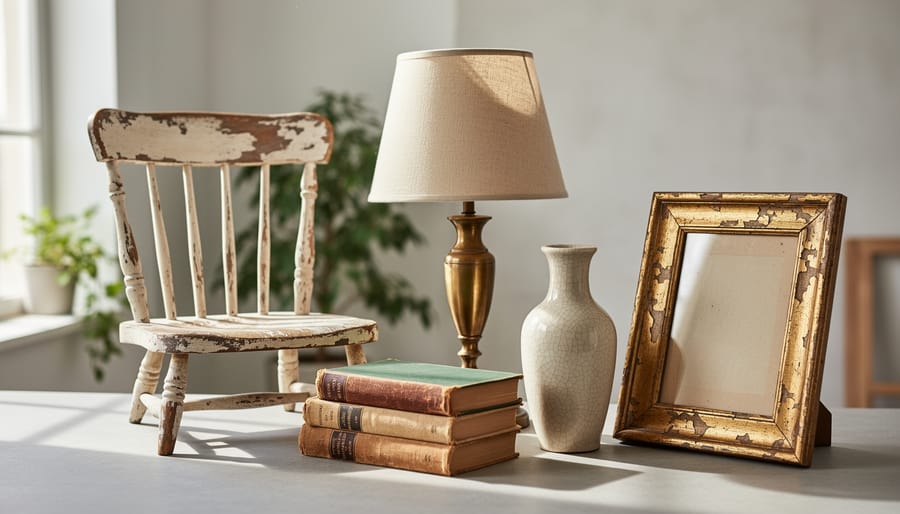
Vintage upcycling is the art of taking old clothing, accessories, or beauty items from past decades and transforming them into something completely new that reflects your personal style. It goes beyond simply wearing vintage as-is. You’re actively reimagining these pieces through alterations, embellishments, dyeing, or combining elements to create something that didn’t exist before.
Think of it as giving forgotten fashion a second life with a modern twist. That 1970s maxi dress becomes a cropped festival top. A collection of vintage scarves transforms into a patchwork jacket. An ornate 1950s compact gets new purpose as a statement necklace pendant. You’re the designer, and each piece becomes a one-of-a-kind reflection of your creativity.
To understand vintage upcycling fully, it helps to know how it relates to similar concepts:
- Vintage Upcycling
- Taking older fashion or beauty items and creatively transforming them through alterations, embellishments, or reconstruction into something new and personalized. The focus is on adding value and uniqueness through your own creative process.
- Upcycling vs. Recycling
- Upcycling transforms items into something of higher value or quality through creative reimagining, while recycling breaks materials down to their base components to create new products. Upcycling preserves the original character while elevating it.
- Vintage vs. Secondhand
- Vintage typically refers to items at least 20-30 years old with distinctive style from their era, while secondhand simply means previously owned regardless of age. Vintage pieces carry historical design value that makes them particularly appealing for creative transformation.
- Repurposing
- Changing an item’s original function entirely, like turning a vintage dress into curtains or a scarf into a bag. This overlaps with upcycling but emphasizes the functional shift rather than creative enhancement.
What sets vintage upcycling apart from just shopping secondhand is your active role in the creation process. You’re not accepting these pieces as they are. You’re seeing their potential and making bold choices to reshape them into something that expresses who you are right now, combining the charm of the past with your contemporary vision.
How Vintage Upcycling Works: From Thrift Find to Fashion Statement
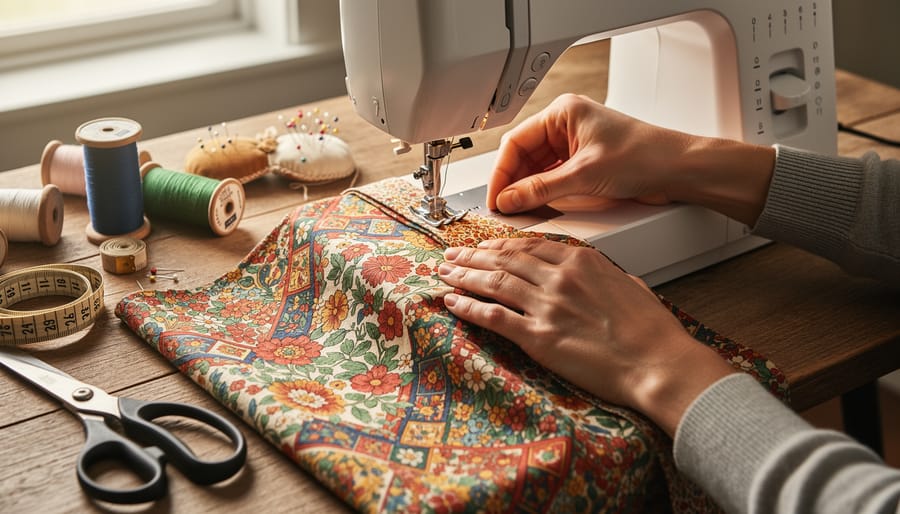
Vintage upcycling transforms forgotten fashion finds into pieces that tell your unique story. The process starts at thrift stores, estate sales, or even your grandmother’s closet. When you’re hunting for pieces, look past stains and outdated cuts, focus on quality fabric, interesting textures, and sturdy construction. A shapeless 1980s blazer with amazing shoulder pads? That’s potential. A floral dress with a dated silhouette but gorgeous print? Grab it.
Once you’ve scored your vintage treasure, assess what you’re working with. Check the fabric content, examine seams and zippers, and identify any damage. Ask yourself what drew you to the piece. Maybe it’s the print, the buttons, or just the feel of the fabric. This becomes your starting point.
Planning your transformation is where creativity meets reality. Sketch your vision, even if it’s rough. Pin or mark the piece to visualize changes. Trying to crop a dress into a top? Pin it at different lengths while wearing it. Want to add embroidery? Map out where it’ll go. This stage saves you from cutting too much or stitching something you’ll regret.
The execution is where your hands bring the vision to life. Start with structural changes, hemming, cropping, taking in seams. A basic sewing machine handles most alterations, but hand-stitching works too. Then move to creative additions. Dye that beige cardigan a rich emerald. Add patches to cover wear spots. Swap buttons for vintage ones you’ve collected. Embroider flowers over a stain. Each choice is yours alone.
Styling your finished piece completes the journey. Pair your cropped vintage blazer with high-waisted jeans and bold earrings. Layer your transformed slip dress over a turtleneck. The styling bridges old and new, making vintage feel fresh and intentionally modern rather than costume-like.
The beauty of this process? There’s no wrong way to do it. Your first project might be as simple as removing shoulder pads and shortening sleeves. That counts. You’re not aiming for perfection, you’re creating something that didn’t exist before, something that’s unmistakably yours.
Different Ways to Upcycle Vintage Fashion and Beauty Items

Fashion Upcycling Techniques
Cropping a thrifted 80s blazer into a boxy crop jacket or taking in the waist of oversized vintage jeans gives you pieces that fit your body and your style. Resizing means you’re not limited to whatever size happens to be on the rack, a men’s XL vintage tee becomes your perfect oversized sleep shirt, or a too-long maxi dress transforms into a midi that actually flatters your height. Deconstructing takes this further: you might remove shoulder pads, turn a dress into a skirt, or separate a jumpsuit into coordinating separates.
Embellishment lets you add personality to plain vintage finds. Hand-embroidered flowers on a denim jacket collar, vintage band patches sewn onto a plain tote, glass beads stitched around a neckline, these details make the piece unmistakably yours. You don’t need expert skills; even simple running stitches or iron-on patches create impact.
Fabric dyeing and bleaching completely reimagine a piece’s vibe. A stained white blouse becomes sage green with natural dye. A dated brown coat gets a modern bleach pattern. Rit dye costs under ten dollars and works on most natural fibers, while a bleach pen lets you create precise designs on denim or cotton.
Combining multiple vintage pieces creates statement items you won’t find anywhere else. Sew the bodice from one dress onto the skirt from another. Use fabric from two different scarves to make a color-blocked top. Turn the back of an embroidered jacket into a tote bag front, lined with fabric from vintage curtains.
Accessory transformations give new life to small vintage finds. A silk scarf becomes a halter top or headband. Leather belts become bag straps. Vintage brooches turn into shoe clips or hair accessories.
Beauty and Vanity Upcycling
Vintage beauty items hold tremendous potential beyond their original purpose. That ornate compact from the 1950s gathering dust? It becomes a stunning ring holder or pillbox when cleaned and repurposed. Vintage perfume bottles transform into bud vases, decorative accents on vanity trays, or even pendant necklaces when paired with chain findings.
Beauty cases from past decades make exceptional storage for modern makeup brushes, skincare products, or jewelry. Their structured designs and quality materials often surpass contemporary options. You can restore vintage makeup containers, lipstick tubes, powder compacts, rouge pots, by thoroughly cleaning them and filling with your current cosmetics. This gives your beauty routine a touch of glamour while keeping functional items out of landfills.
Broken compacts become wearable art when you remove the mirror or compact mechanism and convert the decorative exterior into brooches or pendants. The intricate engravings, cloisonné details, and Art Deco designs on vintage beauty items translate beautifully into jewelry pieces that spark conversations.
Vintage beauty advertising offers another creative avenue. Old perfume ads, cosmetic packaging graphics, and magazine beauty pages can be framed as bathroom or vanity art, decoupaged onto furniture, or used to create unique vision boards. The typography and illustration styles from different eras add character that mass-produced prints simply can’t match. Each piece tells a story about beauty standards, marketing, and femininity across decades.
Creative Crossovers
The most exciting vintage upcycles happen when you blur the lines between fashion and beauty. That silk scarf from the ’70s? Cut it into strips for luxe hair scrunchies or a twisted headband that adds vintage flair to your getting-ready routine. Old cotton blouses and linen tea towels transform into reusable makeup remover rounds, softer on your skin and the planet than disposable versions. Even the smallest vintage finds earn their keep: salvage buttons from a cardigan to glue onto plain cosmetic organizers, or use delicate lace trim to line the edges of a thrifted jewelry box. These crossover projects take minutes but give your beauty space personality that no store-bought item can match. You’re not just organizing your makeup, you’re surrounding yourself with pieces that tell a story.
Why Women Are Embracing Vintage Upcycling
Vintage upcycling appeals to a generation of women who refuse to choose between style and values. It’s a practice rooted in action, a tangible way to combat textile waste while building a wardrobe that reflects who you actually are, not what mass production tells you to be.
The reasons women are turning to vintage upcycling span the practical and the deeply personal:
- Environmental impact: Every upcycled piece diverts clothing from landfills and reduces demand for new production, pushing back against the fast fashion toll on our planet.
- Authentic self-expression: You’re not wearing the same Zara dress as ten other people at the party, you’re wearing something nobody else has.
- Affordability: Transform a $15 thrift blazer into a statement piece that rivals $300 designer options.
- Creative empowerment: There’s genuine satisfaction in making something beautiful with your own hands, skills you can use again and again.
- Connection to fashion heritage: Working with vintage pieces connects you to the craftsmanship, silhouettes, and stories of past eras.
- Community building: Sharing your creations, trading pieces, and learning from others creates meaningful connections beyond transactional shopping.
The emotional payoff matters just as much as the practical benefits. When you wear something you’ve transformed yourself, you carry that creative energy with you. It’s fashion as personal narrative rather than passive consumption, and it aligns perfectly with circular fashion principles that keep clothing in use longer.
Vintage upcycling also challenges the idea that you need endless resources to have great style. You need vision, a willingness to experiment, and the confidence to wear something that didn’t come from a corporate mood board. That’s empowerment that extends beyond your closet.
Getting Started with Your First Vintage Upcycle
Start your vintage upcycling journey right in your own closet, that dress you’ve stopped wearing or the jeans that no longer fit could be your first canvas. Once you’re ready to expand, thrift stores and charity shops offer endless possibilities at budget-friendly prices. Estate sales and vintage fairs are treasure troves for unique pieces with character, while online marketplaces like Depop, Vinted, and eBay let you hunt from home.
You don’t need a professional studio to begin. Grab fabric scissors, a basic sewing kit (needle, thread, pins), fabric glue, and maybe some embroidery floss or patches. If you’re planning to dye or bleach, add rubber gloves and a bucket. Most of these supplies cost less than a single coffee run, making vintage upcycling an accessible way to practice mindful fashion choices.
Begin with simple transformations that build your confidence. Cropping a vintage tee into a crop top requires just scissors and a hem. Adding patches or embroidery to a denim jacket personalizes it without complex skills. Turn an oversized men’s shirt into a breezy summer dress by cinching it with a belt. These small wins teach you what works before you tackle that ambitious dress reconstruction.
Instagram, Pinterest, and TikTok overflow with upcycling tutorials and inspiration, search hashtags like #vintageupcycle or #slowfashion to join a supportive community. Local workshops and online forums connect you with fellow creators who share tips and celebrate your progress.
Remember, imperfection is part of the beauty. That slightly uneven hem or off-center patch tells the story of your hands creating something one-of-a-kind. Your first project won’t be perfect, and that’s exactly what makes it yours.
Common Questions About Vintage Upcycling
Is vintage upcycling expensive to start?
Not at all. You can begin with items already in your closet and basic supplies like scissors, needle and thread, or fabric glue, often under $20 total. Thrift store pieces usually cost just a few dollars, making this one of the most budget-friendly ways to refresh your wardrobe.
Do I need sewing skills?
Many upcycling projects require zero sewing. You can crop a vintage tee with scissors, add iron-on patches, tie-dye a dress, or embellish with fabric glue and beads. If you want to learn basic hand stitching later, simple YouTube tutorials will get you there.
How do I know if a vintage piece is worth upcycling?
Look for quality fabric that still feels sturdy, interesting details like unique buttons or prints, and a shape that excites you even if the current style doesn’t. If you’re drawn to it and can envision one small change that would make you wear it, it’s worth trying.
What if I make a mistake?
Mistakes are part of the creative process and often lead to unexpected designs you’ll love even more. The beauty of working with thrifted pieces is there’s no pressure, if something doesn’t work out, you’ve lost a few dollars and gained valuable experience for your next project.
When it comes to caring for your finished pieces, treat them with the same attention you’d give any beloved garment. Hand wash delicate upcycles in cool water, especially if you’ve added embellishments or worked with vintage fabrics that might be fragile. Store pieces flat or on padded hangers to preserve any alterations you’ve made. If you’re proud of what you’ve created and want to share it, Instagram and TikTok communities celebrate upcycled fashion enthusiastically, use hashtags like #vintageupcycling or #secondhandfirst to connect with others. Local vintage markets, Depop, and Poshmark also welcome upcycled pieces, and many sellers find buyers who specifically seek out one-of-a-kind transformations. Your creations deserve to be worn, shared, and celebrated.
Vintage upcycling isn’t just about saving clothes from landfills or scoring budget-friendly fashion wins (though those are amazing perks). It’s about claiming your power to create something that’s entirely, unapologetically yours. Every stitch you add, every cut you make, every color you choose is a statement of who you are and what you stand for.
You don’t need to be a master seamstress or have a Pinterest-perfect craft room to start. All you need is one vintage piece, a bit of curiosity, and the willingness to experiment. That thrifted blazer gathering dust in your closet? It’s waiting to become the cropped jacket you’ve been dreaming about. Those worn jeans? They’re begging for embroidery that tells your story.
The beauty of this practice is that there are no rules, no gatekeepers, and no such thing as perfect. Your upcycled pieces will carry the marks of your hands and your vision. They’ll be conversation starters, confidence boosters, and proof that sustainable style doesn’t mean sacrificing personality.
So grab that vintage find and get started. Your most authentic fashion statement is waiting to be created.
You may also like
-
What Is Innovation in the Beauty Industry (and How Is Technology Changing It)?
-
Your Digital Footprint: What It Is, How to Manage It, and Where to Get Support
-
What Is Native American Textile Art (and How Indigenous Techniques Are Being Revived)?
-
What Is This Renewable Resource Made from Rotting Plant Material? (And How It’s Transforming Fashion)
-
12 Ethical Fashion Examples Leading the Sustainable Style Revolution