
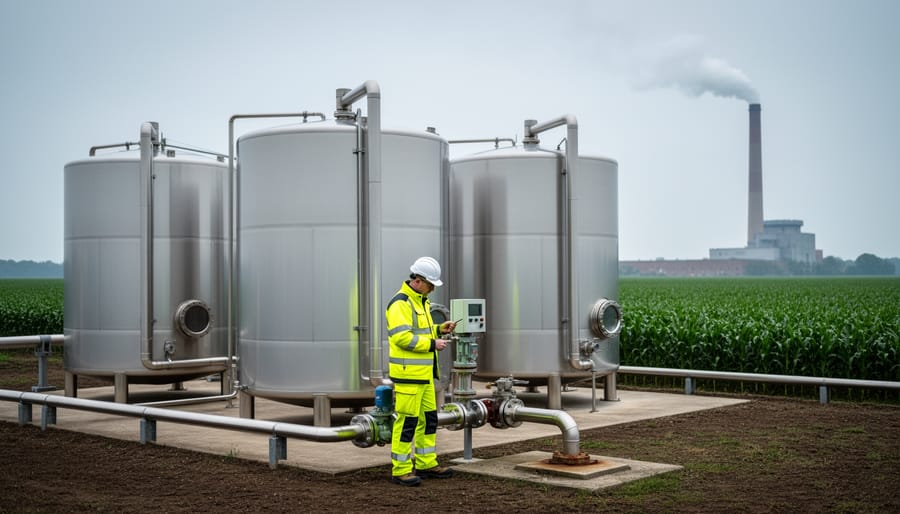
Biogas is a renewable resource created when microorganisms break down organic plant material in oxygen-free conditions, producing methane and carbon dioxide that can be captured and used as clean energy. It transforms what would otherwise be agricultural waste, food scraps, or leftover crop residue into power that can run factories, heat facilities, and fuel production processes without adding new carbon to the atmosphere.
For those of us building a more conscious wardrobe, biogas represents a quiet revolution happening behind the scenes of sustainable fashion. The textile industry is one of the world’s most energy-hungry sectors, and forward-thinking brands are turning to this renewable fuel to power everything from fiber processing to fabric dyeing. When a company uses biogas generated from plant waste to manufacture your favorite organic cotton tee or hemp jacket, they’re closing the loop on agricultural byproducts that would have otherwise ended up in landfills, releasing harmful methane into the air.
This isn’t some far-off eco-fantasy. Fashion facilities across Europe and Asia already operate on biogas produced from cotton stalks, banana leaves, and even the leftovers from bamboo processing. The technology works particularly well for brands committed to plant-based materials, creating a circular system where the waste from growing natural fibers becomes the energy source for turning those same fibers into beautiful, wearable pieces.
Understanding how biogas fits into the sustainable fashion picture empowers you to ask better questions about where your clothes come from and support brands genuinely innovating toward a cleaner future. Let’s break down exactly how this process works and why it matters for your closet in 2026.
What Biogas from Plant Material Actually Means
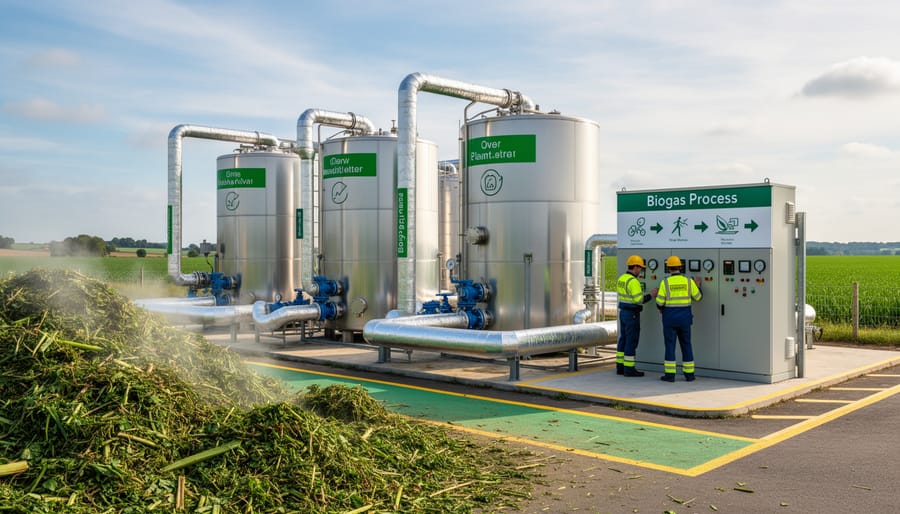
Biogas is a type of renewable energy produced when organic plant matter breaks down in an oxygen-free environment. Think of it as nature’s recycling system turned power source: when microorganisms feed on rotting plant material, whether that’s cotton scraps, hemp stalks, or agricultural leftovers, they release gases, primarily methane and carbon dioxide. This gas mixture can be captured and burned as fuel, offering a clean alternative to fossil fuels in energy-intensive industries like textile manufacturing.
- Biogas
- A renewable fuel made up primarily of methane and carbon dioxide, created when organic matter decomposes without oxygen.
- Anaerobic Digestion
- The biological process where microorganisms break down organic materials in an oxygen-free environment, producing biogas as a byproduct.
- Methane
- A potent energy-rich gas that forms during decomposition and serves as the main combustible component of biogas.
- Organic Waste
- Plant-based materials such as crop residues, food scraps, and textile offcuts that can be converted into biogas.
- Feedstock
- The raw organic materials fed into a digester system to produce biogas, including natural fiber waste and agricultural byproducts.
In textile production, this process creates a circular system. Factories generate mountains of natural fiber waste during cutting and processing, cotton ends, linen trimmings, hemp fibers. Instead of sending this material to landfills where it would rot uncontrolled and release methane into the atmosphere, forward-thinking manufacturers channel it into sealed digesters. There, controlled decomposition transforms waste into captured energy that can power looms, heat dye baths, or run facility operations. The leftover nutrient-rich digestate becomes fertilizer, completing the cycle. This isn’t just waste management; it’s transforming what was once an environmental liability into a renewable asset that reduces the fashion industry’s carbon footprint while keeping production costs stable.
How Textile Waste Becomes Energy
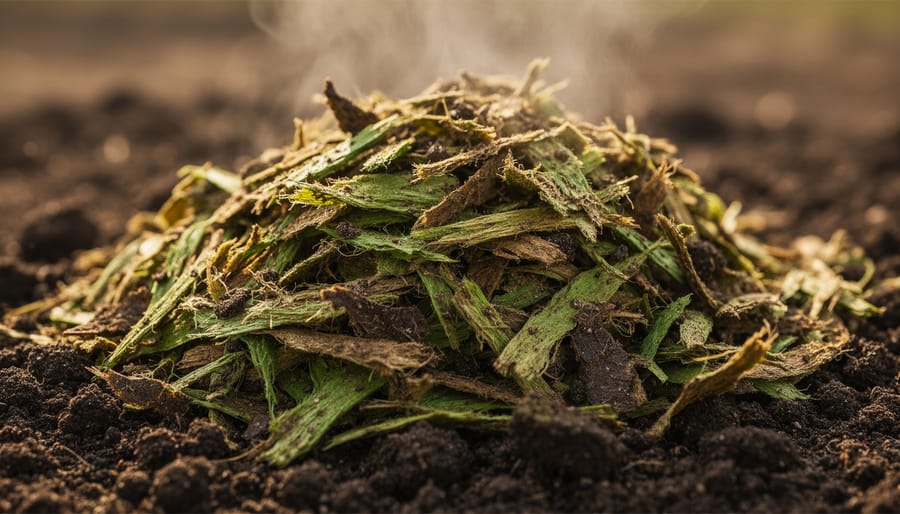
Here’s how your favorite cotton tee scraps and linen offcuts transform into usable energy through a surprisingly elegant natural process.
The journey starts at textile mills and fashion production facilities, where mountains of plant-based fabric waste accumulate daily. Cotton trimmings from pattern cutting, hemp fiber remnants, flax processing residues, and rejected natural fabric batches get sorted and collected instead of heading to landfills. Agricultural byproducts from fiber crops, like cotton stalks after harvest or jute leaves, join this collection stream.
Once gathered, these materials enter large sealed tanks called anaerobic digesters. “Anaerobic” means without oxygen, which is crucial for this process. Inside these tanks, billions of naturally occurring microorganisms break down the plant fibers in the absence of air. Think of it as controlled decomposition, similar to what happens in a compost pile but engineered for maximum efficiency.
As these microbes feast on cellulose and other organic compounds in the textile waste, they produce biogas as a metabolic byproduct. This biogas is primarily methane mixed with carbon dioxide. The process typically takes two to four weeks, depending on the material type and digester conditions. Cotton breaks down faster than tougher hemp fibers, so facilities often adjust retention times accordingly.
The raw biogas gets captured and filtered to remove impurities and excess moisture. Some facilities upgrade it further by removing carbon dioxide, concentrating the methane content to create biomethane that matches natural gas quality standards.
Finally, this cleaned biogas powers factory operations. It runs boilers for steam-based dyeing processes, generates electricity through turbines, or heats production spaces. Some advanced textile manufacturers even feed excess biogas back into local energy grids.
The solid material left after digestion doesn’t go to waste either. This nutrient-rich digestate works as agricultural fertilizer, closing the loop by nourishing the next generation of fiber crops.
Different Forms of Plant Material Used in Fashion’s Biogas Systems
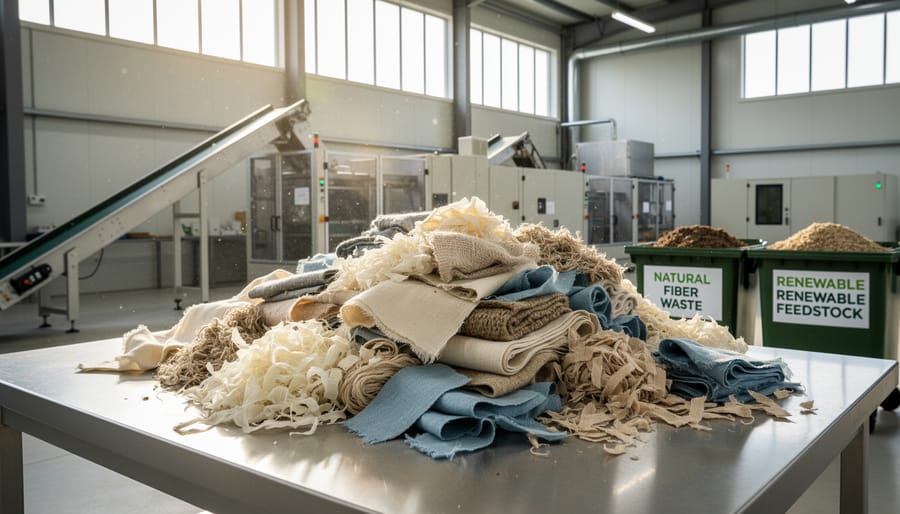
Textile manufacturing generates a surprising variety of plant-based waste that can fuel biogas systems, and understanding these feedstocks reveals how fashion is closing its resource loop. The raw materials entering anaerobic digesters come from multiple points in the supply chain, each offering different conversion potential.
Manufacturing facilities produce tons of fiber waste daily. Cotton mills discard short fibers, trimmed selvages, and quality-control rejects. Hemp processors generate coarse outer stalks and processing dust. Linen producers create flax waste during retting and scutching. These materials are already concentrated at the source, making collection efficient. Many brands exploring fashion tech innovations partner with mills to divert this waste stream directly into on-site biogas facilities, turning what was a disposal cost into energy revenue.
The feedstock categories feeding textile-industry digesters include:
- Cotton manufacturing waste from spinning, weaving, and cutting operations
- Hemp processing residue including hurds, dust, and fiber rejects
- Linen production byproducts such as flax shives and scutching waste
- Mixed natural fiber scraps from blended fabric production
- Agricultural textile crop waste like jute stems and sisal leaf pulp
Post-consumer textile waste adds another layer. When natural-fiber garments reach end-of-life and can’t be resold or recycled into new fabric, they become biogas feedstock instead of landfill burden. A discarded cotton tee or linen dress decomposes in a digester the same way agricultural waste does, releasing methane that powers the next production cycle. This closes the loop: your old clothes literally fuel the making of new ones.
How Fashion Brands Are Using Biogas Today
Fashion brands are turning rotting plant material into a working solution for their energy needs right now. Several major textile manufacturers have installed anaerobic digesters on-site, feeding them cotton scraps, hemp offcuts, and agricultural residues to generate biogas that directly powers production lines. This isn’t experimental, it’s operational infrastructure cutting fossil fuel consumption where it matters most.
The dyeing process is one of the heaviest energy users in garment manufacturing, traditionally relying on natural gas or coal to heat massive vats of water to precise temperatures. Forward-thinking mills are now routing biogas to these heating systems, maintaining the same temperature control while slashing carbon emissions. Some facilities report that biogas covers 40-60% of their thermal energy requirements for dyeing and finishing, depending on the volume of plant waste they process.
Beyond heating, biogas feeds combined heat and power (CHP) systems that generate electricity for factory operations, running sewing machines, lighting production floors, and powering ventilation systems. A mid-sized garment facility processing five tons of textile waste daily can produce enough biogas to meet a significant portion of its baseline electricity load, reducing grid dependence and stabilizing energy costs.
The carbon offset impact extends beyond direct substitution. When plant material decomposes in landfills, it releases methane uncontrolled into the atmosphere. Capturing that same decomposition in digesters and burning the methane as fuel prevents those emissions while displacing fossil sources. Brands committed to net-zero targets are counting these dual benefits, waste diversion plus renewable energy, in their sustainability accounting.
Some producers take it further, partnering with local farms to source agricultural residues like flax straw and jute stalks, creating a circular loop where fashion waste and farm waste both become energy. The leftover digestate becomes fertilizer, closing the circle completely and turning what was once discarded into multiple value streams.
Why This Matters for Your Wardrobe Choices
Your wardrobe decisions ripple outward. When you choose brands that power their production with biogas from textile scraps and agricultural waste, you’re supporting a manufacturing model that turns pollution into progress. This is fashion mimicking nature‘s own regenerative cycles, where nothing goes to waste and every output feeds back into the system.
Brands using biogas systems demonstrate a commitment that goes beyond marketing slogans. They’ve invested in infrastructure that captures methane from decomposing plant materials and converts it into factory energy, reducing their dependence on coal and natural gas. That commitment shows up in lower carbon footprints per garment, cleaner air around production facilities, and a blueprint other manufacturers can follow.
Finding these innovators requires some detective work, but it’s worth the effort. Check brand sustainability reports for specific mentions of biogas digesters, anaerobic digestion systems, or renewable energy sourcing from organic waste. Certifications like Bluesign or GOTS sometimes indicate broader environmental practices that include biogas use. Look for transparency about energy sources, not just vague “eco-friendly” claims.
These are the sustainable fashion facts that shift your purchasing power from passive consumption to active change-making. Every time you support a brand converting textile waste into renewable energy, you’re voting for a fashion system that values resourcefulness over extraction. Your style becomes a statement about the kind of industry you want to exist, one where rotting plant material fuels the next generation of garments instead of clogging landfills. That’s empowerment you can wear.
Common Questions About Biogas in Fashion
Is biogas really renewable?
Yes. Biogas is renewable because it comes from organic materials that can be regrown or replenished, unlike fossil fuels that take millions of years to form. Each harvest of cotton, hemp, or flax creates new textile waste that can be converted to energy.
Does it smell bad?
Not when properly managed. Industrial biogas systems are sealed, and the gas is captured before it can create odors. Factory facilities using biogas for energy don’t emit unpleasant smells during normal operation.
Can all natural fabrics be used?
Most plant-based fabrics work well, cotton, linen, hemp, and jute all break down effectively. Synthetic fabrics like polyester won’t decompose in anaerobic digestion, which is why sorting textile waste matters.
What happens to the leftover material after digestion?
The solid residue, called digestate, becomes a nutrient-rich fertilizer. Many textile facilities sell or donate this byproduct to farms, creating a closed-loop system where nothing goes to waste.
These practical answers matter when you’re choosing between brands. Understanding that biogas systems connect directly to biodegradable fashion helps you see the full sustainability picture, from how fabrics break down to how that decomposition powers future production. It’s about recognizing that your wardrobe choices support technologies turning waste into something useful, not just reducing harm but actively creating benefit.
Understanding biogas from rotting plant material isn’t just about science, it’s about recognizing your power as a fashion consumer. Every time you choose a brand that invests in renewable energy systems like biogas, you’re voting for an industry that values innovation over convenience, sustainability over shortcuts.
This technology represents fashion’s shift toward circular thinking. The same natural fibers that drape beautifully on your body can fuel the factories where they’re made. That’s not a small detail. It’s a fundamental reimagining of how fashion works.
You don’t need to wait for perfect solutions to start making impact. Supporting brands transparent about their energy sources, asking questions about production processes, and celebrating companies pushing boundaries, these actions add up. They signal what matters to you, and the industry listens.
The future of fashion belongs to the bold, the curious, and the conscious. You’re already part of that transformation. Keep exploring, keep questioning, and keep choosing pieces that reflect both your style and your values. The renewable revolution in fashion is happening now, and it looks incredible on you.
You may also like
-
What Is Fashion Journalism (and How Does It Shape the Industry)?
-
What Is Innovation in the Beauty Industry (and How Is Technology Changing It)?
-
Your Digital Footprint: What It Is, How to Manage It, and Where to Get Support
-
What Is Native American Textile Art (and How Indigenous Techniques Are Being Revived)?
-
12 Ethical Fashion Examples Leading the Sustainable Style Revolution