
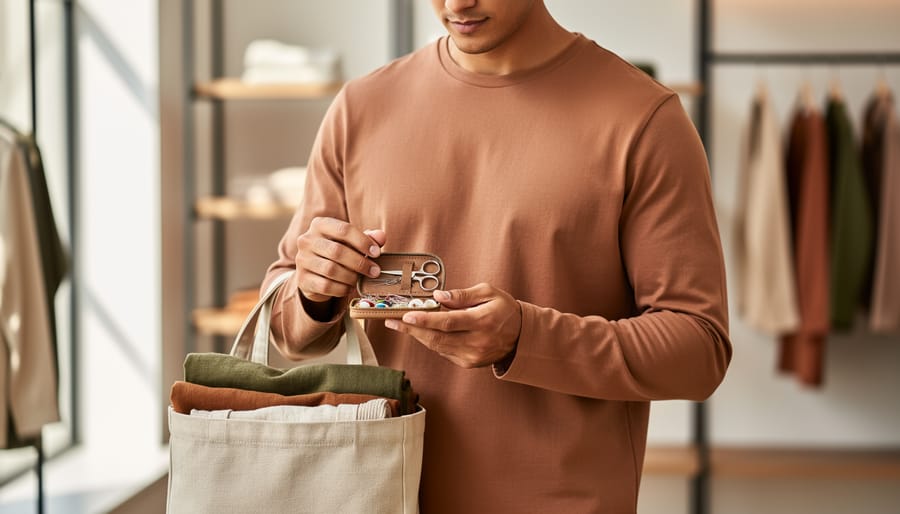
The fashion industry is one of the world’s largest polluters, but a growing wave of brands is proving style and sustainability can go hand in hand. From rental platforms that keep clothes in circulation longer to designers pioneering zero-waste techniques, ethical fashion in 2026 offers real alternatives to the endless cycle of fast fashion consumption. These aren’t fringe players anymore. They’re accessible brands you can actually shop, wear, and feel good about.
What makes a fashion brand truly ethical? It goes beyond a single green initiative or a buzzword-heavy marketing campaign. The brands worth celebrating take a holistic approach, addressing everything from fabric sourcing and fair labor practices to innovative business models that challenge overproduction. Some focus on transparency, opening their supply chains to scrutiny. Others champion circularity, designing garments meant to be repaired, resold, or composted. A few are reimagining what fashion retail looks like entirely.
This guide spotlights 12 brands doing the work across different price points and style aesthetics. Whether you’re drawn to minimalist basics, bold statement pieces, or vintage treasures with a modern twist, there’s an ethical option that aligns with your values without asking you to compromise on what you love to wear. These examples prove that choosing sustainable fashion isn’t about perfection. It’s about progress, and it starts with knowing where to look.
How We Selected These Ethical Fashion Leaders
Choosing which brands truly deserve recognition as ethical fashion leaders requires looking beyond marketing claims. We evaluated dozens of companies across the industry to bring you 12 standout examples that demonstrate genuine commitment to sustainability and social responsibility.
Our selection criteria focused on measurable impact and transparent practices:
- Waste reduction initiatives including take-back programs, repair services, and zero-waste production methods
- Sustainable material sourcing such as organic fibers, recycled fabrics, and innovative alternatives to conventional textiles
- Supply chain transparency with clear information about factory locations, working conditions, and production processes
- Circular economy models that extend product lifecycles through rental, resale, or regeneration programs
- Ethical labor standards including fair wages, safe working environments, and artisan partnerships
Each brand featured here excels in multiple categories, not just one area. They’re actively changing how fashion operates rather than simply checking boxes. You’ll notice these companies prioritize innovation and accountability, whether that’s Patagonia’s legendary repair program or Lush’s packaging-free beauty revolution. These aren’t perfect companies, but they’re pushing the industry forward in meaningful ways that reduce waste and protect both people and the planet.
12 Brands Redefining Ethical Fashion
1. Patagonia: Repair, Reuse, Recycle Champion
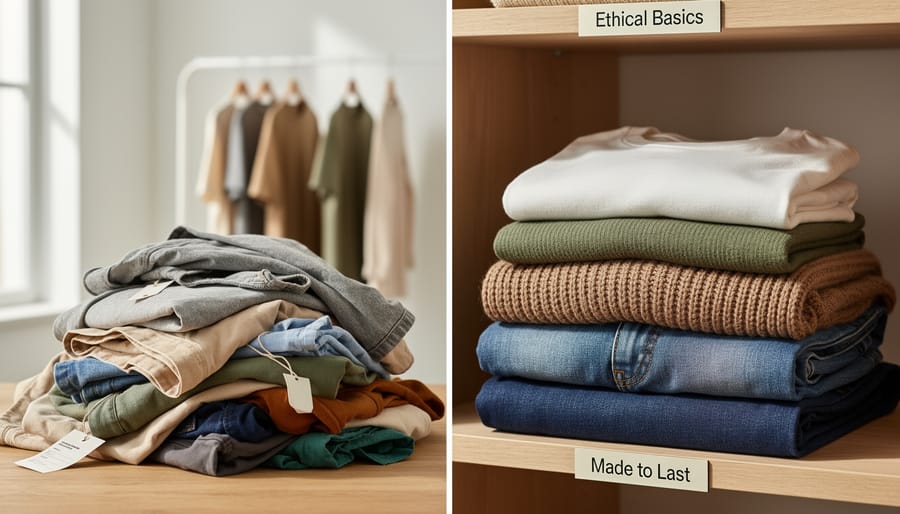
Patagonia takes a radical stance against throwaway fashion culture with its Worn Wear program, which celebrates the beauty of well-loved gear rather than pushing constant newness. When your favorite Patagonia jacket develops a tear or broken zipper, the brand repairs it for free or at minimal cost, no questions asked about age or purchase receipt. They’ve even published repair guides and host mobile repair tours, teaching customers basic mending skills to fix items themselves.
The brand’s trade-in program accepts used Patagonia pieces in any condition, offering store credit while giving those garments a second life through resale. Items too worn for resale get broken down into fiber for new products. This circular approach kept over 100,000 pieces out of landfills in recent years alone.
What makes Patagonia truly stand out is their anti-consumerism stance. Their famous “Don’t Buy This Jacket” campaign actively discouraged unnecessary purchases, urging customers to consider repair before replacement. It’s a refreshing message in an industry built on constant consumption, proving that durability and longevity can be profitable business models while dramatically reducing fashion waste.
2. Reformation: Data-Driven Sustainability
Reformation proves that looking good and doing good aren’t mutually exclusive. The Los Angeles-based brand has built its reputation on making sustainability sexy, and their RefScale system is the transparency tool we didn’t know we needed. Every product page displays the exact environmental savings compared to conventional fashion, how much CO2, water, and waste you’re avoiding with your purchase. It’s data-driven accountability that lets you see your impact in real numbers, not vague promises.
What really sets Reformation apart is their commitment to deadstock fabrics, leftover materials from other fashion houses that would otherwise end up in landfills. By rescuing these beautiful textiles and transforming them into limited-edition pieces, they’re tackling waste at the source while creating that “only a few made” exclusivity we all secretly love. Their vintage-inspired silhouettes paired with this waste-conscious approach prove sustainable fashion can be both planet-friendly and utterly covetable.
3. Eileen Fisher: Circular Fashion Pioneer
Eileen Fisher’s Take Back program transforms the way we think about clothing lifecycles. Since 2009, the brand has collected over 1.7 million used garments from customers, accepting any Eileen Fisher piece regardless of condition. Clean, gently worn items get resold through their Renew collection at reduced prices, extending their wearability. Damaged pieces don’t end up in landfills; instead, they’re either remade into entirely new designs by the brand’s artisan team or broken down into raw fiber for insulation and other materials.
This closed-loop approach means your favorite Eileen Fisher linen dress never truly dies. You can drop off pieces at any store or request a prepaid shipping label, earning rewards credit for each item returned. The program removes thousands of pounds of textile waste from the waste stream annually while proving that timeless, high-quality design works hand-in-hand with circular fashion principles. Every returned garment becomes a resource rather than refuse, creating a regenerative cycle that other brands are now rushing to replicate.
4. Stella McCartney: Luxury Without Leather
Stella McCartney has spent over two decades proving that luxury and ethics aren’t mutually exclusive. Her eponymous brand refuses to use leather, fur, feathers, or skins, a bold stance in an industry built on animal products.
What sets McCartney apart is her commitment to innovation. Her team develops groundbreaking vegan alternatives like Mylo (mushroom leather) and bio-based sequins that rival traditional materials in quality and appearance. These aren’t compromise fabrics, they’re next-generation textiles that look and feel luxurious while dramatically reducing environmental impact.
McCartney’s waste reduction efforts extend beyond materials. The brand uses renewable energy in production facilities, sources organic cotton and recycled cashmere, and designs with circularity in mind, creating pieces meant to last decades, not seasons.
Her runway shows feature scientific transparency reports alongside the clothes, making sustainability data as important as the garments themselves. This approach has influenced countless designers to reconsider their material choices, proving high fashion can thrive without exploitation.
5. Girlfriend Collective: Recycled Activewear
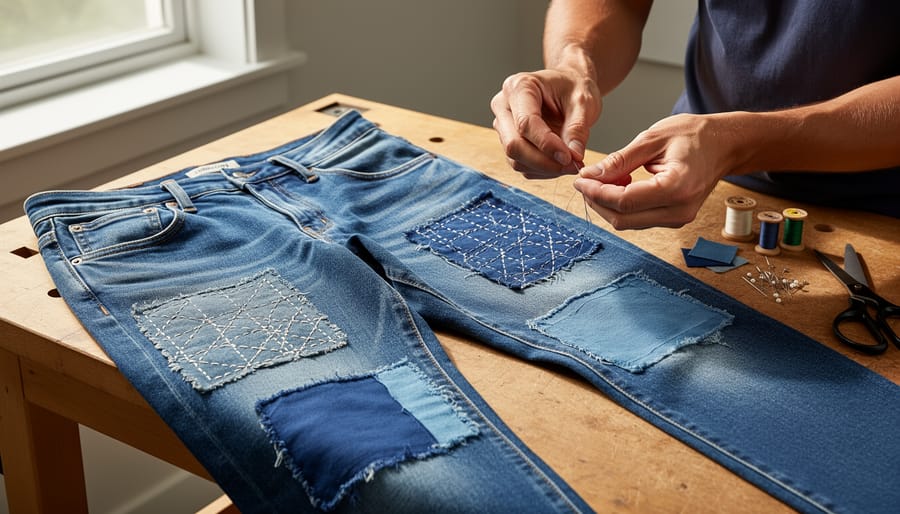
Girlfriend Collective proves that sustainable activewear doesn’t have to compromise on style, fit, or inclusivity. The brand transforms post-consumer waste, specifically plastic bottles and abandoned fishing nets, into buttery-soft leggings, sports bras, and tops that rival any conventional activewear brand. Each pair of their popular LITE leggings contains 25 recycled water bottles, while their FLOAT collection incorporates fishing nets recovered from oceans.
What sets Girlfriend Collective apart is their radical transparency around pricing. They break down exactly what you’re paying for, from materials to labor to shipping, demystifying the fashion markup while proving ethical production doesn’t require luxury prices. Their size range spans XXS to 6XL, making sustainable fashion genuinely accessible.
The brand manufactures in facilities certified by SA8000, ensuring fair wages and safe working conditions. They also minimize waste through made-to-order production for certain styles, avoiding the overstock problem plaguing fast fashion. By choosing recycled materials and ethical manufacturing, Girlfriend Collective demonstrates that activewear can be both performance-driven and planet-friendly, no greenwashing required.
6. Everlane: Radical Transparency
Everlane built its reputation on showing customers exactly what they’re paying for, and why it matters. Every product page breaks down the true cost: materials, labor, transportation, duties, and markup. You see the $35 your sweatshirt actually costs to produce versus the $98 retail price, creating unprecedented accountability in an industry notorious for opacity.
But transparency goes beyond pricing. Everlane maps its entire factory network, sharing photos, conditions, and worker welfare standards at each facility. This radical openness forces the brand to choose ethical partners or face public scrutiny.
On the waste front, Everlane adopts a “no new arrivals” approach during certain periods, selling through inventory instead of constantly churning out new styles that end up discounted and discarded. Their ReNew collection transforms recycled plastic bottles into outerwear and accessories, giving waste materials new life as elevated basics.
The brand admits when it falls short and shares improvement plans publicly, a refreshing contrast to greenwashing competitors. This honesty builds trust while holding Everlane accountable to its sustainability promises.
7. Rent the Runway: Fashion Sharing Economy
Rent the Runway revolutionized how we think about owning clothes by asking: what if you could wear everything but own nothing? Their subscription model lets you rent designer pieces for everyday wear or special occasions, then return them for something new. One dress gets worn by multiple people instead of sitting in someone’s closet unworn, dramatically reducing the waste that comes from buying pieces you’ll only wear once or twice.
The numbers tell the story: Rent the Runway has kept over 1.5 million items in circulation, preventing countless garments from becoming landfill fodder. Their professional cleaning and repair services extend each piece’s life far beyond what typical home care achieves. You get access to high-end brands like DVF and Ganni without the commitment or environmental cost of purchasing.
The shared closet concept works brilliantly for fashion lovers who crave variety but hate waste. Instead of impulse-buying trendy pieces that’ll feel dated next season, you’re participating in a circular system where clothes get loved, worn, and shared across a community of style-conscious women.
8. ThredUp: Resale Revolution
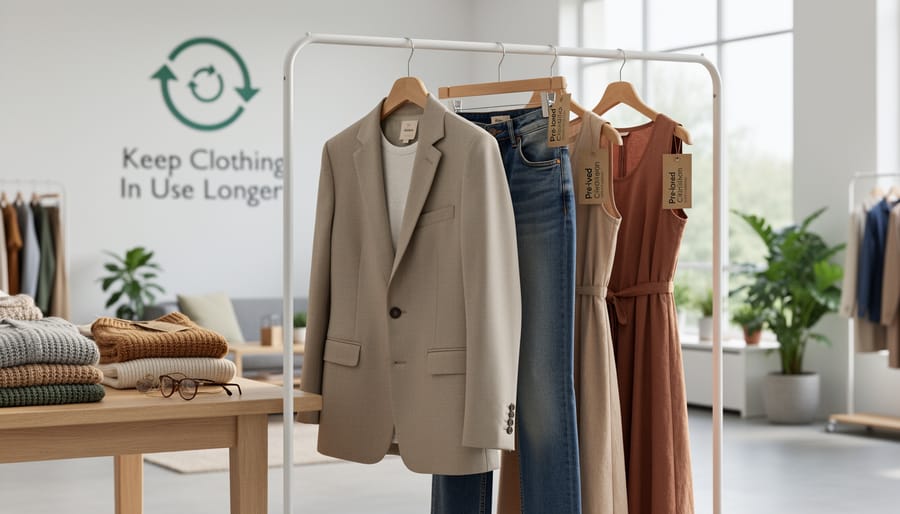
ThredUp has transformed secondhand shopping from thrift store treasure hunts into a seamless online experience. This massive consignment platform processes over 100,000 items daily, giving pre-loved clothes new homes while keeping mountains of textiles out of landfills.
What makes ThredUp revolutionary? Their Clean Out Kits let you send unwanted clothes directly to them, they handle sorting, photographing, and selling. You earn cash or shopping credit without the hassle of individual listings. For buyers, their intuitive filtering system makes finding specific brands, sizes, and styles ridiculously easy.
ThredUp’s impact extends beyond individual closets. Their annual Resale Report tracks the explosive growth of secondhand fashion, proving that buying used is becoming mainstream. They’ve partnered with major retailers like Walmart and Gap to bring resale options into conventional shopping spaces.
The platform has diverted over 100 million items from landfills since launch. While they can’t accept everything (damaged items get recycled responsibly), they’ve made circular fashion accessible to anyone with internet access. It’s proof that ethical fashion doesn’t always mean buying new, sometimes the most sustainable choice already exists.
9. Lush Cosmetics: Packaging-Free Beauty
Lush Cosmetics has waged war on beauty industry packaging waste with an approach that’s as bold as their signature scents. Walk into any Lush store and you’ll find naked shampoo bars, solid conditioners, and package-free bath bombs stacked like artisan soap at a farmers market. These concentrated formulas skip the plastic bottles entirely, lasting longer than their liquid counterparts while eliminating containers that clog landfills and oceans.
Their innovative naked products extend beyond hair care to face masks, body scrubs, and even solid perfumes. When packaging is necessary, Lush uses recycled materials and runs a robust container return program. Bring back five black pots to any store and exchange them for a free fresh face mask. The returned containers get cleaned and reused or recycled into new pots.
This radical packaging stance has prevented millions of plastic bottles from entering the waste stream. Lush proves beauty products don’t need excessive packaging to be effective or appealing. Their waste-conscious model challenges the entire cosmetics industry to rethink how products reach consumers, making package-free beauty not just possible but desirable.
10. People Tree: Fair Trade Fashion
People Tree stands as a pioneering force in fair trade fashion, proving that gorgeous clothing can uplift entire communities while treading lightly on the planet. Founded in 1991, this brand works exclusively with Fair Trade producers in developing countries, creating employment opportunities for marginalized artisans, particularly women, through traditional craft techniques that preserve cultural heritage.
Every People Tree garment starts with certified organic cotton grown without harmful pesticides, protecting both farmers’ health and soil vitality. Natural dyes derived from plants replace toxic synthetic chemicals, reducing water pollution while creating rich, earthy color palettes. The brand’s commitment extends beyond materials: their production timelines respect artisan workflows rather than demanding fast-fashion speeds, and they pay fair wages that cover living costs plus a premium for community development projects.
The result? Hand-woven textiles, intricate embroidery, and block-printed designs that carry stories of skilled hands and sustainable livelihoods. Each purchase directly supports schools, healthcare initiatives, and women’s empowerment programs in producer communities, creating a ripple effect that extends far beyond your closet.
11. Veja: Sustainable Sneaker Innovation
Veja proves that the sneaker industry can ditch exploitative labor and toxic materials without sacrificing style. The French brand sources wild rubber from Amazonian communities, paying fair wages to tappers who harvest sustainably, protecting rainforests in the process. Their organic cotton comes from family farms in Brazil and Peru, grown without pesticides that poison waterways and workers.
What makes Veja’s sneakers stand out beyond materials? They use recycled plastic bottles for their mesh panels and post-consumer waste for components, diverting tons of trash from landfills. Unlike mainstream sneaker brands that hide factory conditions, Veja publishes detailed supplier information and pricing breakdowns showing exactly where your money goes.
The V-10 and Campo styles have become celebrity favorites precisely because they look current, clean lines, versatile colorways, while their story adds depth to your outfit. You’re wearing shoes that support rainforest preservation and fair wages, not marketing budgets and celebrity endorsements. Veja demonstrates that ethical manufacturing creates products just as desirable as conventional options, maybe more so.
12. Christy Dawn: Farm-to-Closet Fashion

Christy Dawn bridges the gap between vintage romance and environmental regeneration through its innovative farm-to-closet model. Founded by designer Christy Dawn Brown, the brand partners directly with regenerative farms to grow cotton using practices that actually restore soil health, sequester carbon, and rebuild ecosystems, turning fashion into a force for planetary healing rather than harm.
The brand’s signature bohemian dresses and flowing separates are crafted primarily from deadstock fabrics saved from landfills, giving forgotten materials new life as limited-edition pieces. Each garment comes with a story about where the fabric originated, creating emotional connections that encourage longer-term ownership.
What sets Christy Dawn apart is its Land Stewardship program, which invests profits directly into regenerative farms. The brand transparently shares how each purchase supports farmers transitioning to earth-friendly methods that enhance biodiversity and water retention while growing organic cotton. This means wearing their romantic, feminine designs actively contributes to ecosystem restoration.
Their made-to-order production model eliminates excess inventory waste, while local manufacturing in Los Angeles ensures ethical labor practices. It’s proof that dreamy, Instagram-worthy fashion can simultaneously heal landscapes and honor people.
Making Ethical Fashion Work for Your Lifestyle
Starting with ethical fashion doesn’t mean overhauling your entire wardrobe overnight. Begin by assessing what you already own and committing to wear those pieces until they truly need replacing. When you do shop, invest in versatile, timeless pieces from brands like Everlane or Eileen Fisher that work across multiple seasons and occasions, this naturally builds the capsule wardrobe approach that reduces waste.
Budget concerns? Mix sustainable staples with secondhand finds from ThredUp or your local consignment shop. Rent statement pieces for special occasions through Rent the Runway instead of buying something you’ll wear once. When choosing ethical fabric options, prioritize items you’ll wear frequently, a well-made organic cotton tee or recycled activewear piece delivers better value than cheap fast fashion you’ll toss after a few washes.
Embrace zero-waste fashion principles by caring for what you own: repair instead of replace, learn basic alterations, and follow proper care instructions to extend garment lifecycles. Follow your favorite ethical brands on social to catch sales and new releases, and don’t be afraid to mix high and low, pairing a Reformation dress with thrifted accessories creates a unique look while supporting your values without breaking the bank.
Your Questions About Ethical Fashion, Answered
Is ethical fashion always more expensive?
Not necessarily. While some sustainable brands carry premium prices reflecting fair wages and quality materials, options like ThredUp and Rent the Runway make ethical fashion highly affordable. Building a smaller wardrobe of versatile, long-lasting pieces often costs less over time than constantly replacing cheap fast fashion.
How can I verify if a brand is truly sustainable?
Look for third-party certifications like Fair Trade, GOTS, or B Corp status, and check if brands disclose their factories and supply chains. Genuine sustainable brands like Everlane and Reformation share specific data about their environmental impact, while vague marketing claims without backing details are red flags for greenwashing.
Will ethical fashion limit my style choices?
Absolutely not. The 12 brands featured here span everything from romantic dresses to trendy sneakers to sleek activewear, proving sustainable style matches any aesthetic. You’re not sacrificing fashion for ethics anymore, brands now deliver both beautifully.
Where do I start if I’m new to ethical fashion?
Begin by exploring resale platforms like ThredUp to test sustainable shopping without commitment, then gradually invest in versatile basics from transparent brands like Everlane or Girlfriend Collective. Focus on replacing worn-out items with ethical alternatives rather than overhauling your entire wardrobe overnight.
Does ethical fashion include beauty products too?
Yes, ethical beauty follows the same principles of waste reduction, transparency, and sustainable ingredients. Brands like Lush demonstrate how packaging-free products and refill programs tackle beauty industry waste just as effectively as ethical clothing brands address ethical issues in garment production.
Making the switch to ethical fashion doesn’t mean abandoning the fashion cycles and trends you love. These brands prove you can stay current, express your personal style, and feel confident knowing your choices support a healthier planet and fairer industry. Start small, stay curious, and trust that every conscious purchase creates positive change.
You’ve just discovered 12 incredible brands proving that fashion can be gorgeous, innovative, and kind to our planet. These aren’t fringe players making scratchy hemp sacks, they’re industry leaders creating pieces you’ll actually want to wear, from romantic dresses to performance activewear to luxury sneakers.
The beauty of this movement is that you don’t need to overhaul your entire wardrobe overnight. Start where it feels right for you. Maybe that means renting your next special occasion outfit instead of buying something you’ll wear once. Perhaps it’s choosing a refillable beauty product or investing in one quality piece from a transparent brand. Even shopping secondhand through platforms like ThredUp counts as a vote for change.
Your choices ripple outward in ways you might not immediately see. When you support brands prioritizing waste reduction and ethical practices, you’re funding the research that develops better materials. You’re proving there’s demand for transparency. You’re showing other companies that conscious consumers will reward them for doing better.
This is your invitation to join a revolution that’s already underway. You get to look amazing while helping transform an industry that desperately needs it. That’s not just sustainable fashion, that’s power you can wear.
You may also like
-
What Is Fashion Journalism (and How Does It Shape the Industry)?
-
What Is Innovation in the Beauty Industry (and How Is Technology Changing It)?
-
Your Digital Footprint: What It Is, How to Manage It, and Where to Get Support
-
What Is Native American Textile Art (and How Indigenous Techniques Are Being Revived)?
-
What Is This Renewable Resource Made from Rotting Plant Material? (And How It’s Transforming Fashion)