
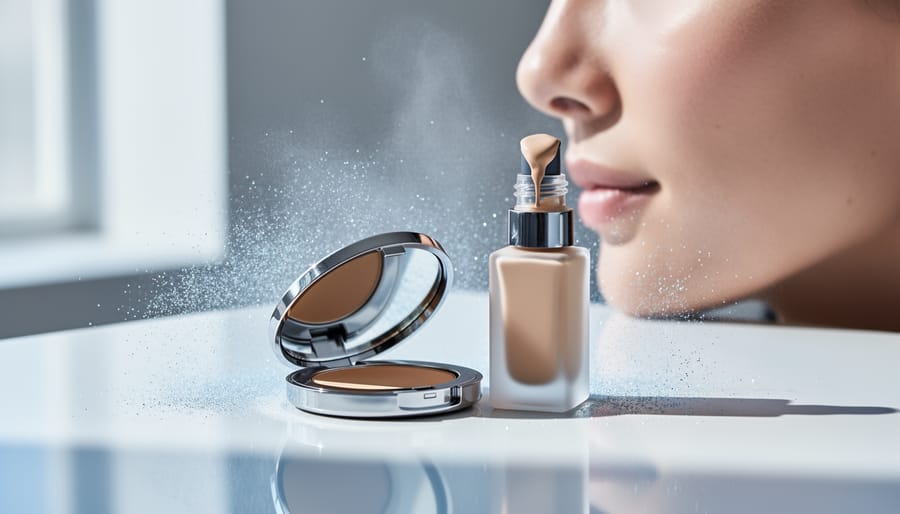
Nanotechnology in makeup refers to the use of ultra-tiny particles, typically measuring between 1 and 100 nanometers, engineered to enhance how cosmetics perform on your skin. To put that in perspective, a nanometer is one billionth of a meter, smaller than the wavelength of visible light and invisible to the naked eye. These microscopic ingredients can deliver active components deeper into your skin, create seamless finishes that traditional formulas can’t achieve, and even provide targeted benefits like extended sun protection or long-lasting color that doesn’t budge through your entire day.
If you’ve ever wondered why some foundations seem to melt into your skin while others sit on the surface, or how certain lipsticks maintain their intensity from morning coffee to evening cocktails, nano-particles might be working behind the scenes. This technology represents a significant shift in how beauty products are formulated, moving beyond simple surface coverage to create makeup that interacts with your skin on a cellular level.
Much like biomimicry in skincare nanotechnology borrows from science to solve real beauty challenges. The innovation promises everything from mineral sunscreens that don’t leave a white cast to anti-aging foundations that actually treat your skin while providing coverage.
But here’s what you really want to know: what exactly are these nano-particles doing in your makeup, which products contain them, and should you be excited or concerned? This guide breaks down the science in plain language, explores the practical benefits you’ll actually notice when you look in the mirror, and addresses the safety questions that matter most when you’re making informed choices about what goes on your face.
What Nanotechnology in Makeup Really Means
Let’s start with the basics. When we talk about nanotechnology in makeup, we’re talking about ingredients engineered at an incredibly tiny scale, so small that they’re measured in nanometers. To give you perspective, a nanometer is one billionth of a meter. That means a nanoparticle is about 100,000 times smaller than the width of a human hair. These microscopic particles are what separate nano-enhanced cosmetics from the traditional makeup you might already own.
The difference isn’t just about size. Traditional makeup ingredients sit on top of your skin, creating a visible layer of color and coverage. Nanoparticles, because of their ultra-small size, behave differently. They can spread more evenly across your skin’s surface, slip into fine lines and pores with less build-up, and in some formulations, interact with your skin in ways that deliver both cosmetic and skincare benefits. This is why your nano-enhanced foundation might feel lighter yet provide better coverage than conventional formulas.
Here are the essential terms you’ll encounter when exploring nano-makeup:
- Nanoparticles
- Microscopic ingredients measuring between 1-100 nanometers that give makeup unique properties like smoother application and better blending. They’re the foundational building blocks of nanotechnology in cosmetics.
- Nanoemulsions
- Ultra-fine mixtures where tiny droplets of oil or water are suspended in another liquid, creating lightweight textures that absorb quickly without greasiness. You’ll find these in modern serums and primer-skincare hybrids.
- Liposomes
- Hollow nano-sized spheres that act like delivery vehicles, carrying active ingredients deeper into skin while protecting them from breaking down. They’re what make your makeup work double-duty as skincare.
- Nano-pigments
- Color particles engineered at nanoscale for more vibrant, even color payoff with less product needed. They’re responsible for that barely-there feel in high-performance foundations.
What makes this technology genuinely exciting for beauty lovers is the performance payoff. Nano-enhanced makeup tends to feel lighter on your skin, blend more seamlessly, last longer throughout your day, and often includes built-in skincare benefits. The particles are engineered to work with your skin rather than just sitting on top of it, which is why that expensive foundation might actually feel like you’re wearing nothing at all while still giving you the coverage you want.
How Nano-Enhanced Makeup Actually Works
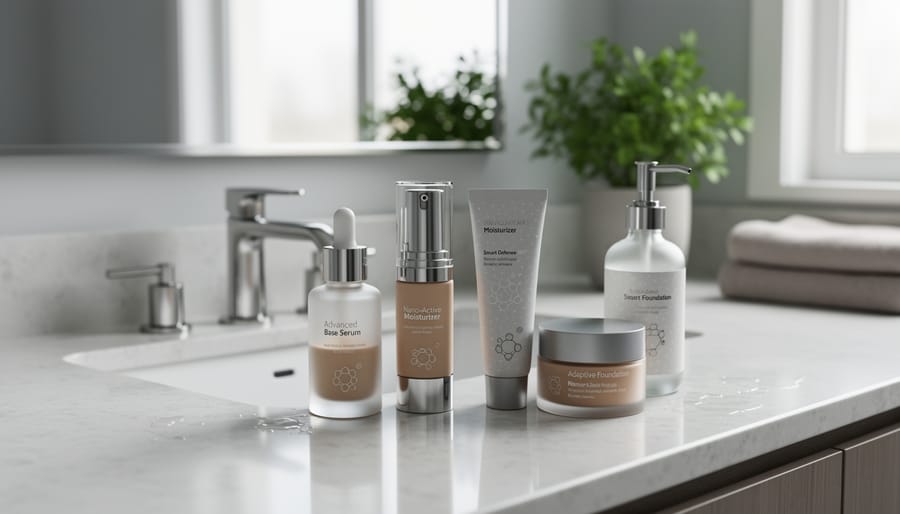
The magic of nano-enhanced makeup happens at a scale so small you’d need a powerful microscope to see it, we’re talking particles a thousand times thinner than a human hair. At this microscopic level, ingredients behave differently than they do in traditional cosmetics, and that’s what creates those “how does it do that?” results you’ve probably experienced without realizing it.
Regular makeup sits on top of your skin like paint on a wall. Nanoparticles, because they’re between 1 and 100 nanometers in size, can nestle into the microscopic valleys and texture of your skin’s surface. This doesn’t mean they’re diving deep into your skin layers, most stay in the outermost layer, but they fit into spaces that larger particles simply can’t reach. Think of it like the difference between covering a textured canvas with chunky glitter versus ultra-fine shimmer powder. The smaller particles fill in the gaps, creating a smoother, more seamless appearance that looks less like makeup and more like your skin, only better.
This size advantage also explains why nano-pigments deliver color so much more evenly. When pigment particles are nano-sized, they disperse more uniformly across your skin instead of clumping together. You get richer, truer color with less product, which is why that expensive foundation seems to go on more smoothly than drugstore alternatives, it’s often the particle size at work. The color spreads consistently, so you’re not left with patches of heavy coverage next to spots where the foundation seems to disappear.
The longevity factor comes down to physics and chemistry working together. Because nanoparticles have a larger surface area relative to their volume, they create more contact points with your skin. More contact means better adhesion, your makeup grips your skin more effectively without feeling heavy or cakey. Some nano-ingredients also form a flexible film that moves with your skin rather than cracking or flaking off when you smile, talk, or go about your day.
Temperature and moisture affect nano-enhanced makeup differently too. Many formulations include nano-encapsulated ingredients that respond to your skin’s warmth, releasing color or treatment ingredients gradually. This controlled release is why some lipsticks seem to maintain their vibrancy for hours while traditional formulas fade unevenly as you eat, drink, or reapply balm.
Different Forms of Nanotechnology You’ll Find in Your Makeup Bag
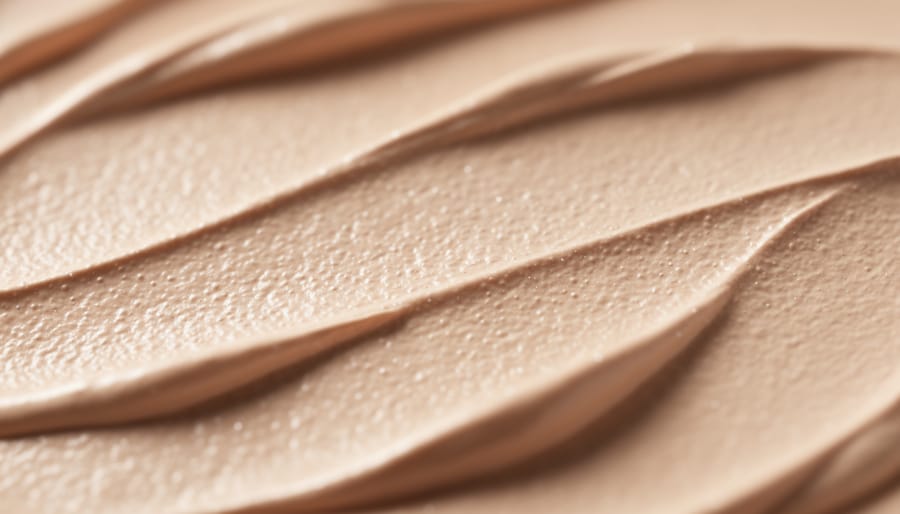
Nano-Pigments and Color Technology
Nano-pigments are what make your favorite eyeshadow pop with color that looks almost electric in the pan and stays true on your lid all day. Traditional makeup pigments are relatively large particles that can sit unevenly on skin, creating patchy color or fading as oils break them down. Nano-sized pigments, roughly 100 times smaller than a human hair, distribute more uniformly across your skin’s surface, which means you get richer, more vibrant color with less product.
This size difference changes everything about how makeup performs. Smaller particles reflect light differently, creating depth and dimension that flat, larger pigments can’t achieve. That’s why nano-enhanced foundations often look more natural in photos, they don’t sit on top of your skin like a mask. In lipsticks, nano-pigments bond better with the lip’s surface, resisting the oils that normally cause color to fade or migrate into fine lines. The result is makeup that looks freshly applied hours later, without the chalky buildup that happens when you layer traditional formulas to maintain intensity.
Encapsulation Systems
Think of encapsulation like wrapping active ingredients in tiny, protective bubbles, so small you’d need a microscope to see them. These nano-capsules shield ingredients from air and light until they reach your skin, then release them gradually throughout the day. That’s why your makeup-skincare hybrids can deliver vitamin C or retinol without those ingredients breaking down the moment you open the jar.
The science here is clever: nanoparticles improve skin penetration by slipping through the outermost skin layers more easily than larger molecules. When your tinted moisturizer contains encapsulated hyaluronic acid, those nano-capsules deliver hydration deeper into your skin while the pigments stay on the surface for coverage. You get skincare benefits and makeup performance in one product.
This technology explains why modern BB creams feel lighter yet work harder than old-school foundations. The active ingredients are protected and targeted, so formulators can pack more benefits into less product. Your skin gets what it needs, exactly when and where it needs it, instead of sitting on the surface doing nothing.
UV Protection Nanoparticles
You know that chalky white cast you used to get from makeup with SPF? Nano zinc oxide and titanium dioxide changed everything. These mineral sunscreen ingredients have been shrunk down to nano-size particles that scatter UV light just as effectively but without the ghostly finish that made so many of us skip sun protection altogether.
In 2026, most quality makeup with SPF uses these nano-minerals because they blend invisibly into all skin tones while still offering broad-spectrum protection. The tiny particles sit on your skin’s surface, they don’t penetrate deeper layers, creating a physical barrier against both UVA and UVB rays. It’s why your BB cream or tinted moisturizer can genuinely protect your skin now, not just claim to on the label.
Where You’re Already Using Nano-Enhanced Makeup
Foundation and BB Creams
Foundation has always been about creating that “second skin” effect, and nanotechnology finally makes it possible. When pigment particles shrink to nano-size, they spread more evenly across your skin’s surface instead of settling into pores and fine lines. You get coverage that actually looks like skin rather than a mask.
The real game-changer is how these tiny particles interact with your natural oils. Traditional foundations can break down and oxidize as the day wears on, but nano-formulated bases maintain their color integrity longer. The particles create a flexible film that moves with your expressions instead of cracking or caking.
BB creams benefit even more from this technology. By encapsulating skincare ingredients at the nano level, these hybrids deliver vitamins and antioxidants deeper into skin while providing sheer coverage. You’re literally treating your skin while evening out your tone. The result? That coveted “no-makeup makeup” look that actually lasts through your entire workday.
Sunscreen-Infused Makeup
Remember when SPF makeup meant choosing between ghostly white streaks or skipping sun protection altogether? Those days are officially over, thanks to nanotechnology. Today’s nano-sized zinc oxide and titanium dioxide particles are so tiny, we’re talking less than 100 nanometers, that they blend completely into skin without that telltale white cast that haunted previous generations of mineral sunscreen.
This breakthrough means your tinted moisturizer, BB cream, or foundation can pack serious SPF protection while still looking like, well, nothing. The nano-particles scatter UV rays just as effectively as their larger counterparts, but because they’re smaller than visible light wavelengths, they stay transparent on every skin tone. For women with deeper complexions especially, this technology has been genuinely game-changing, finally, mineral sun protection that doesn’t ashy-fy your gorgeous melanin.
Long-Wear Lipsticks and Lip Stains
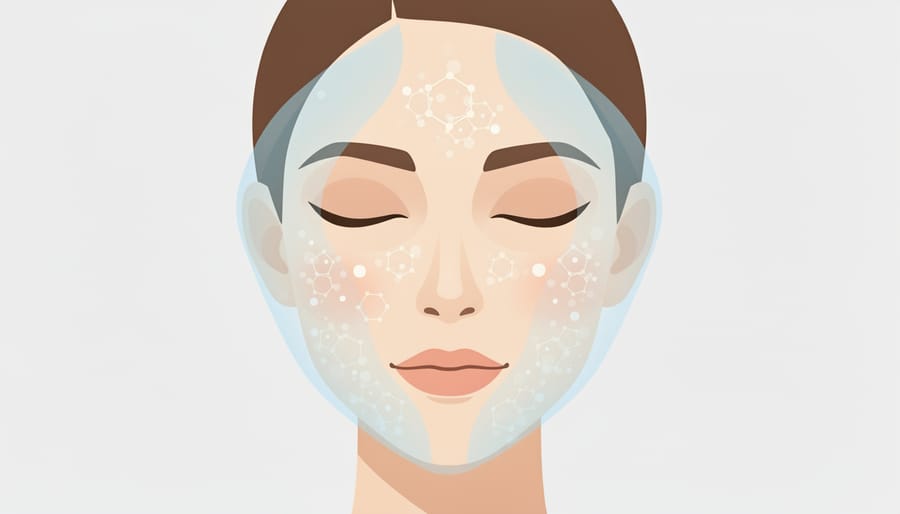
Ever wonder why your favorite lipstick suddenly lasts through coffee dates and dinner without constant touch-ups? Thank nano-encapsulation. This technology wraps pigment molecules in microscopic shells that release color gradually throughout the day, keeping your lips vibrant for hours without that dreaded feathering into fine lines around your mouth.
The nano-sized capsules create a flexible film that moves with your lips instead of cracking or flaking off. They also lock moisture-boosting ingredients like hyaluronic acid or vitamin E inside those same tiny spheres, so your lips stay hydrated while maintaining bold color. Traditional long-wear formulas often felt drying because they prioritized staying power over comfort, nanotech finally delivers both. You get the drama of a statement lip without sacrificing the soft, kissable texture you want.
Anti-Aging Makeup
The real magic happens when makeup stops being just a cover-up and starts actively improving your skin while you wear it. Anti-aging makeup with nano-delivery systems works like a dual-purpose treatment, concealing fine lines and dark spots on the surface while delivering active ingredients deeper into your skin throughout the day.
Think of it as skincare that moonlights as foundation. These formulas use nano-sized capsules to carry peptides, hyaluronic acid, and antioxidants past your skin’s outer barrier, releasing them gradually for continuous benefits. You’re essentially treating your skin while looking flawless, which is the kind of multitasking we can all get behind.
The coverage itself benefits from nanotechnology too, those tiny particles fill in fine lines and pores more effectively than traditional makeup, creating that smooth, “your skin but better” finish. And when brands combine innovations like CICA + nanotech you get formulas that calm inflammation and strengthen your skin barrier while delivering seamless coverage. It’s not about hiding aging, it’s about supporting your skin’s health while you go about your day.
What This Means for Your Skin and Beauty Routine
The practical benefits of nano-enhanced makeup show up every time you check your reflection. Your foundation doesn’t settle into fine lines the way it used to. Your lipstick stays put through lunch. That tinted moisturizer with SPF 30 doesn’t leave the chalky white cast you remember from older formulas. These aren’t marketing promises, they’re the tangible results of nanoparticles working with your skin rather than just sitting on top of it.
Beyond the immediate cosmetic wins, you’re getting skincare benefits that traditional makeup couldn’t deliver. Antioxidants reach deeper layers. Hydration ingredients stay active longer. Some women are pairing nano-enhanced products with genetic testing and AI beauty tech for a fully personalized approach to beauty that addresses their specific skin needs while providing coverage.
But honest conversations about nanotechnology also need to include what we don’t fully understand yet. Most studies on nanoparticles in cosmetics show they don’t penetrate healthy, intact skin in significant amounts, particularly when formulated in creams and powders rather than sprays. The FDA regulates these ingredients, and major beauty brands conduct safety testing. That said, long-term research is still ongoing, especially regarding cumulative exposure over decades of daily use.
Your best approach is informed choice, not anxiety. If you have compromised skin barriers, open wounds, or specific sensitivities, talk to a dermatologist about which nano-enhanced products suit your situation. Check ingredient lists if you prefer to avoid certain nanoparticles. Read brand transparency reports when available.
The technology isn’t something to fear, but it’s worth understanding what you’re putting on your face. That’s not being paranoid, it’s being the kind of informed consumer who takes charge of her beauty routine with confidence.
Common Questions About Nanotechnology in Makeup
Is nanotechnology in makeup as revolutionary as it sounds, or should you be concerned about those ultra-tiny particles? Here are the questions we hear most often, answered honestly, so you can make choices that feel right for you.
Is nanotechnology in makeup actually safe?
Current research shows that nano-particles in cosmetics are generally safe for topical use, especially since most don’t penetrate beyond the outer layers of healthy skin. Regulatory bodies like the FDA and EU have approved specific nanoparticles for cosmetic use, though they continue monitoring long-term effects as the technology evolves.
How can I tell if my makeup contains nanoparticles?
In the EU, brands must list “nano” in brackets after any nano-sized ingredient on labels, but US regulations don’t require this disclosure. Look for terms like “micronized” or “ultra-fine” in conjunction with zinc oxide, titanium dioxide, or iron oxides, these often indicate nano-formulations.
Does nano-enhanced makeup work for all skin types?
Yes, and it’s often better for sensitive skin since nano-formulations typically require fewer irritating fillers and binders. The smaller particle size means lighter textures that work beautifully on oily skin, while the enhanced delivery systems benefit dry skin by helping active ingredients penetrate more effectively.
Will nanoparticles clog my pores?
Nano-sized pigments and minerals are actually less likely to clog pores than traditional larger particles because they sit more evenly on skin’s surface rather than settling into pores. That said, the complete formulation matters more than particle size alone, so always check if a product is labeled non-comedogenic.
Is nano makeup more expensive?
Not necessarily, while the technology itself is sophisticated, economies of scale have made nano-enhanced cosmetics accessible across all price points. You’ll find nanotechnology in both luxury brands and drugstore favorites, so you’re not paying a premium just for the innovation.
Can I use nano makeup if I’m pregnant or nursing?
Most dermatologists consider topical nano-cosmetics safe during pregnancy since particles don’t typically enter the bloodstream through intact skin. However, every pregnancy is different, so discuss your specific products with your healthcare provider if you have concerns.
The beauty of living in 2026 is that technology keeps getting smarter about meeting individual needs. Nanotechnology in makeup is part of a broader shift toward personalized skincare and cosmetics that adapt to you, rather than asking you to adapt to them. Whether you’re excited to try the latest nano-formulations or prefer to stick with what you know works, the choice is entirely yours, and both approaches are valid.
Understanding nanotechnology in makeup isn’t about choosing sides or declaring yourself team innovation versus team natural. It’s about having the knowledge to make beauty choices that feel right for you and your skin. Whether you’re excited to try the latest nano-enhanced foundation or prefer to stick with formulas you’ve trusted for years, you’re making an empowered decision either way.
The beauty industry’s embrace of nanotechnology represents something bigger than just better coverage or longer wear. It’s part of an ongoing conversation about transparency, ingredient innovation, and what we deserve to know about the products we use every day. Some of you will love the performance benefits nano-makeup delivers. Others might decide the technology is too new, and that’s completely valid.
What matters most is that you’re asking questions, reading labels, and staying curious about what’s in your makeup bag. The world of beauty technology will keep evolving, but your right to make informed choices about your skin never changes. Keep learning, keep questioning, and keep celebrating the beauty routine that makes you feel confident, whatever that looks like for you.
You may also like
-
Your Digital Footprint: What It Is, How to Manage It, and Where to Get Support
-
What Is Native American Textile Art (and How Indigenous Techniques Are Being Revived)?
-
What Is This Renewable Resource Made from Rotting Plant Material? (And How It’s Transforming Fashion)
-
12 Ethical Fashion Examples Leading the Sustainable Style Revolution
-
How to Start a Furniture Upcycling Business That Turns Vintage Finds Into Style Gold