
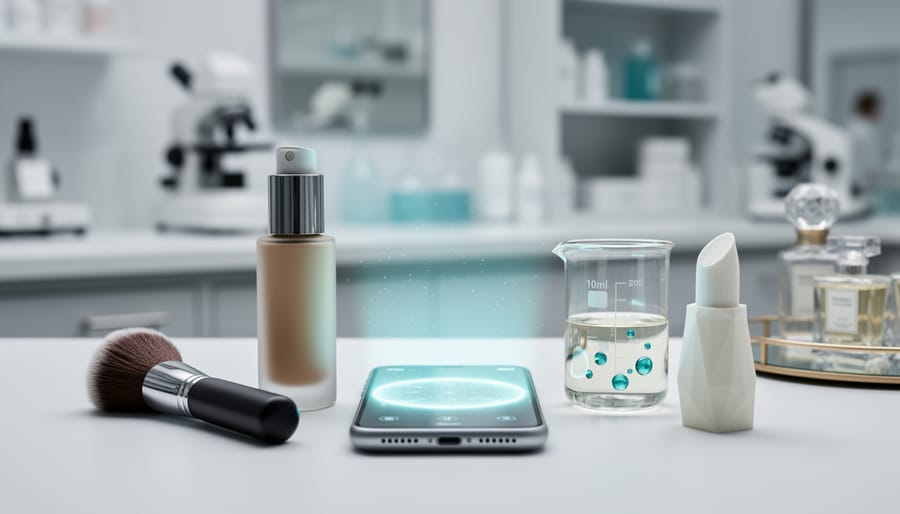
Innovation in beauty today means harnessing cutting-edge technology, science-backed formulations, and personalized solutions to transform how we care for our skin, style our look, and express our individual beauty. It’s the AI-powered app that analyzes your exact skin tone before you buy foundation, the biotech lab growing sustainable ingredients, and the 3D-printed lipstick shade mixed just for you.
Why does this matter right now? Because beauty innovation in 2026 isn’t reserved for luxury counters or celebrity makeup artists anymore. These breakthroughs are reshaping your morning routine, your shopping experience, and your relationship with the products you trust. From clean formulations born in labs to virtual try-ons that save you from another regrettable impulse buy, innovation puts real power in your hands.
Much like tech in fashion has revolutionized how we design and shop for clothes, beauty technology is rewriting the rules. You’re no longer guessing what works for your unique skin type or hair texture. You’re not settling for shades that almost match. Instead, you’re stepping into an era where beauty adapts to you.
This article breaks down exactly what’s driving these changes, the different types of innovation reshaping the industry, and how you can actually use them to feel more confident and empowered in your beauty choices. No jargon, no hype, just the practical knowledge you need to navigate this exciting new landscape.
What Beauty Innovation Really Means
Beauty innovation goes beyond launching a new shade of lipstick or tweaking a moisturizer’s scent. It’s about fundamentally rethinking how products are created, personalized, and experienced. In 2026, innovation in the beauty industry means harnessing technology, data, and scientific breakthroughs to deliver solutions that genuinely respond to individual needs rather than mass-market assumptions.
Think of it this way: a reformulated foundation with a new ingredient is an update. But a foundation created specifically for your skin tone, texture, and concerns, analyzed through AI and delivered in a custom formula, that’s innovation. It’s the difference between improvement and transformation.
This shift touches every stage of the beauty journey. Innovation encompasses the lab work behind biotech ingredients grown in controlled environments, the algorithms that learn your preferences and skin behavior over time, the AR apps letting you test products virtually, and even the sustainable packaging designed to eliminate waste. It’s product, process, and experience rolled into one.
- AI beauty tech
- Artificial intelligence systems that analyze skin conditions, recommend products, and predict results based on your unique data and millions of reference points.
- Personalization algorithms
- Software that learns from your preferences, skin response, and behavior to deliver increasingly tailored product and routine recommendations over time.
- Sustainable formulation
- The science of creating effective beauty products using eco-conscious methods like waterless formulas, biotechnology ingredients, and biodegradable components that reduce environmental impact.
- Smart beauty devices
- Connected tools like LED masks, app-controlled hair stylers, and diagnostic gadgets that bring professional-level technology into your home routine.
- Augmented reality beauty
- Digital overlays that let you virtually try on makeup, hair colors, and skincare routines through your phone or computer screen before buying.
What makes 2026 different is accessibility. These innovations aren’t confined to luxury counters or dermatologist offices anymore. They’re becoming everyday tools that put power back in your hands, letting you make informed, personalized choices that celebrate your individual beauty rather than chasing a narrow standard.
How Beauty Innovation Works Today
The Tech Behind the Magic
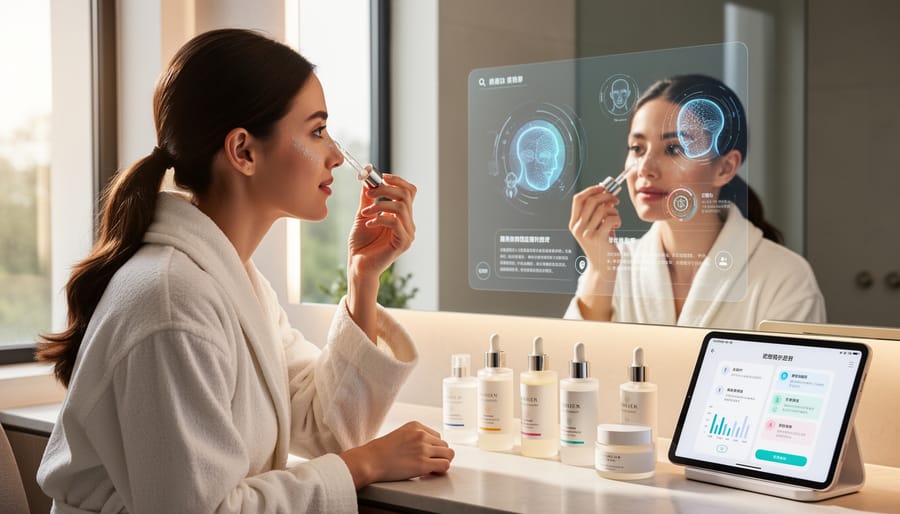
The tech driving today’s beauty innovations isn’t science fiction, it’s already on your phone and in stores. AI beauty tech now powers skin analysis apps that scan your face and identify concerns like dark spots, fine lines, or dehydration levels with impressive accuracy. Research on AI skin quality evaluation shows these tools can assess skin conditions objectively, helping you understand what your complexion actually needs rather than guessing.
Augmented reality has transformed how we shop for makeup. You can test dozens of lipstick shades, eyeshadow palettes, or hair colors in seconds without touching a single product. Studies confirm AR online shopping benefits include reduced purchase uncertainty and higher satisfaction, because you see how products look on you before buying.
Behind the scenes, 3D printing is creating custom foundation shades mixed on demand and personalized skincare applicators shaped for your facial contours. Some brands now print entire packaging components tailored to individual preferences.
App-based personalization pulls it all together. These platforms remember your skin type, track how products perform for you over time, and suggest new options based on real data from your beauty journey. The algorithms learn what works for your unique needs, making every recommendation smarter than the last.
From Lab to Your Vanity
Creating a groundbreaking beauty product isn’t as simple as mixing ingredients and slapping on a label. The journey from lab bench to your bathroom shelf involves months, sometimes years, of meticulous work.
It starts with identifying a gap or problem. Scientists and formulators develop prototypes, testing countless variations to nail the texture, efficacy, and stability. Early versions might separate, oxidize, or feel completely wrong on skin. Each iteration gets refined based on performance data and sensory feedback.
Then comes the real-world testing phase. Brands recruit diverse testers across skin types, tones, and concerns to use products for weeks or months. They’re looking for reactions, results, and honest impressions. Does it actually work? Does it irritate sensitive skin? Will people repurchase?
Here’s where things get interesting: consumer feedback has become instantaneous. Beta testers share experiences on social media. Influencers provide early reviews. Brands monitor comments, adjust formulations, and sometimes pivot entirely before launch. That TikTok video showing a foundation oxidizing? It might delay a release while chemists reformulate.
This collaborative approach means products hitting shelves in 2026 are more tested and refined than ever before. Your voice, through reviews, comments, and honest feedback, actively shapes what gets created next.
Categories of Beauty Innovation Reshaping the Industry
Personalized Beauty Solutions
Gone are the days when beauty meant choosing between “normal,” “dry,” or “oily” on a drugstore shelf. Today’s personalized beauty solutions use technology to analyze your unique skin needs and create formulas designed specifically for you.
Leading brands now offer services where you answer detailed questionnaires about your concerns, lifestyle, and goals, sometimes paired with selfie-based skin analysis. Advanced systems examine factors like texture, hydration levels, and environmental stressors your skin faces daily. Some companies have even introduced DNA testing kits that identify genetic predispositions, whether your skin tends toward early aging, sensitivity, or uneven tone.
The data feeds into algorithms that formulate custom serums, moisturizers, and foundations mixed on-demand. You’re not picking from preset options; you’re getting a product that didn’t exist until you requested it.
This shift means women with specific concerns, like combination skin that’s simultaneously dry and acne-prone, or melanin-rich skin needing targeted brightening, finally have solutions that address their reality instead of forcing them into generic categories. Personalization acknowledges what we’ve always known: your skin is as individual as you are, and your beauty routine should reflect that.
Smart Beauty Devices and Tools
Smart devices are bringing salon-level results into your bathroom. These aren’t gimmicks, they’re precision tools designed to deliver targeted treatments on your schedule.
LED face masks use specific light wavelengths to address skin concerns: red light boosts collagen production and reduces fine lines, while blue light targets acne-causing bacteria. Many connect to apps that track your sessions and adjust intensity based on your progress. You get professional phototherapy without the dermatologist appointment.
Smart cleansing brushes do more than vibrate. They analyze your skin’s needs in real time, adjusting pressure and speed across different zones of your face. Some sync with your phone to remind you when brush heads need replacing or suggest complementary products based on your skin’s condition.
App-controlled styling tools take guesswork out of heat damage. Smart flat irons and curling wands monitor hair moisture and adjust temperature accordingly, preventing that crispy, over-processed feeling. You set your hair type once, and the device protects your strands every time you style.
These tools learn your habits and preferences, becoming more effective the longer you use them.
Virtual and Augmented Reality Experiences
Virtual and augmented reality have turned beauty shopping from a guessing game into a confidence-building playground. With AR-powered apps, you can test dozens of lipstick shades, eyeshadow palettes, or hair colors in seconds, no commitment, no mess, no buyer’s remorse. These tools use your phone’s camera to map your facial features in real time, letting you see exactly how that bold red lip or smoky eye will look on your face, not a model’s.
Virtual makeovers go beyond simple filters. Advanced platforms now analyze your skin tone, undertones, and even lighting conditions to show accurate color matches. Some brands offer live virtual consultations with beauty advisors who can recommend products while you try them on screen together. Others use AI-powered digital advisors that learn your preferences and suggest new looks based on your style.
The real power? You can experiment fearlessly. Test that emerald eyeliner you’ve been curious about, try a dramatic contour, or preview a completely new AR makeup routine without touching a single product. It’s innovation that celebrates exploration and helps you discover what genuinely excites you, risk-free.
Sustainable and Clean Innovation
Waterless formulas are transforming beauty by concentrating active ingredients into powders, balms, and solid bars that you activate with water at home. This drastically reduces packaging weight, shipping emissions, and preservatives, all while delivering potent results. Brands like Lush and Ethique have pioneered shampoo and cleanser bars that last months longer than bottled versions.
Refillable packaging systems let you keep beautiful containers and simply swap in new product cartridges. Loop Beauty and Charlotte Tilbury now offer lipsticks, foundations, and skincare in sleek refillable compacts, cutting plastic waste by up to 70% while maintaining luxury aesthetics.
Biotechnology is creating lab-grown ingredients that replicate natural extracts without farming impact. Companies like Bolt Threads produce vegan collagen through fermentation, offering identical benefits to animal-derived versions without environmental strain.
Eco-conscious manufacturing goes beyond ingredients. Solar-powered facilities, carbon-neutral shipping, and closed-loop water systems are becoming standard among forward-thinking brands. Innovation here means your beauty choices can align with your values without compromising effectiveness, sustainability and performance finally work together rather than against each other.
How You Can Use Beauty Innovation in Your Routine
Finding Your Perfect Match
Gone are the days of buying foundation in store lighting only to realize at home it’s three shades too dark. AI-powered skin analysis tools have changed the game completely. Apps from brands like L’Oréal and Sephora now scan your face using your phone camera, identifying your exact undertone, matching you to products in their catalog, and even flagging potential concerns like dehydration or uneven texture.
Virtual try-on takes it further. You can test hundreds of lipstick shades in minutes, see how a smoky eye looks on your actual face shape, or preview different hair colors without commitment. The tech reads your features in real-time, adjusting for lighting and movement so you get a realistic preview.
What makes this genuinely useful? You eliminate expensive mistakes. Instead of a drawer full of wrong-shade concealers, you buy what actually works. Many apps also save your “skin profile,” recommending products based on your specific combination of concerns, say, oily t-zone with dry cheeks and sensitivity to fragrance. It’s like having a beauty consultant who actually remembers your skin.
Elevating Your At-Home Beauty Game
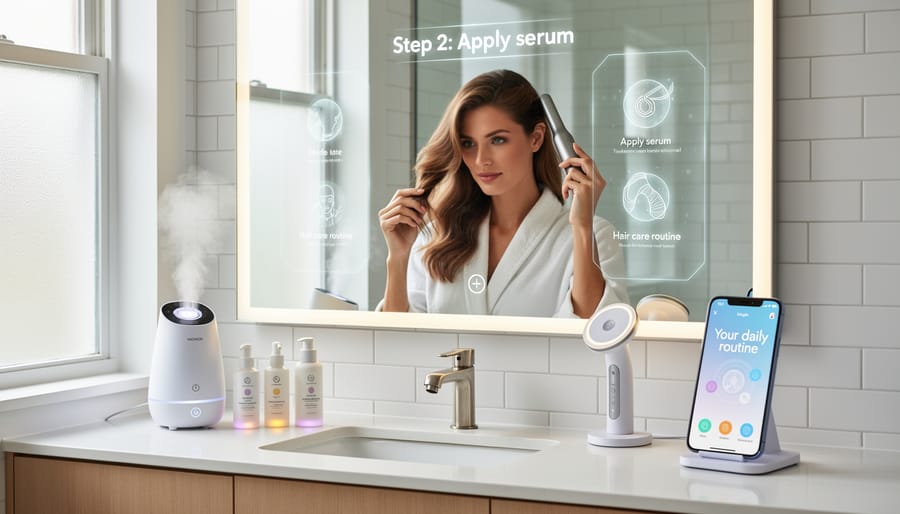
Smart devices and personalized formulas let you replicate salon-quality treatments at home, without the hefty price tag or scheduling hassle. LED light therapy masks target acne, fine lines, and hyperpigmentation with wavelengths dermatologists use in-office. At-home facial steamers with ionic technology deep-clean pores better than manual extractions. Hair tools with microchip temperature control prevent damage while delivering sleek, frizz-free styles that last.
Personalized serums and moisturizers formulated for your exact skin concerns, whether that’s sensitivity, uneven tone, or dehydration, work harder than generic options because they address your needs, not an imagined average customer. Combine these custom products with digital beauty products like app-connected cleansing brushes that track your routine and adjust intensity based on your skin’s daily condition.
The investment pays off quickly. A quality LED mask costs less than three professional facials but delivers ongoing benefits. Smart tools give you control, consistency, and professional-grade results whenever you want them, transforming your bathroom into a personal beauty studio that’s always open.
Making Sustainable Choices
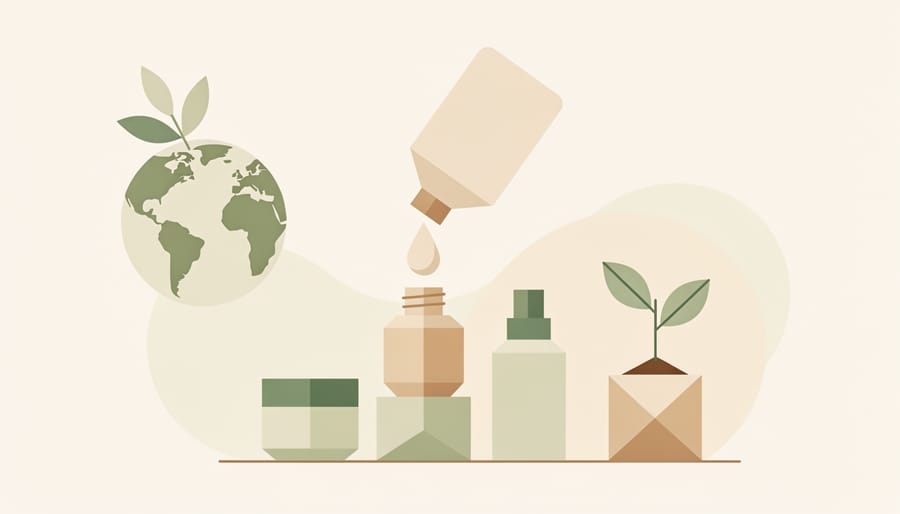
Looking for beauty that aligns with your values has never been easier, thanks to innovation that puts sustainability front and center. Start by checking for waterless formulas, concentrated serums, powder cleansers, and solid shampoo bars that skip unnecessary water content while dramatically reducing packaging weight and shipping emissions. Many brands now display carbon footprint metrics right on their websites, letting you compare environmental impact before you buy.
Seek out refillable systems where you purchase beautiful permanent containers once, then order affordable refills that arrive in minimal packaging. This approach cuts waste by up to 80% compared to traditional single-use bottles while keeping your vanity looking luxe.
Biotechnology ingredients, grown in labs rather than harvested from scarce natural sources, represent another innovation worth embracing. These lab-created actives like squalane, hyaluronic acid, and retinol alternatives deliver powerful results without depleting ecosystems or requiring harmful extraction methods.
Download apps that scan product barcodes and instantly reveal sustainability scores, ingredient sourcing, and brand ethics. These tools transform your phone into a conscious shopping companion, making values-aligned choices effortless even when you’re browsing in-store. Supporting innovative eco-brands sends a clear message: you want beauty that’s gorgeous for you and the planet.
Common Questions About Beauty Innovation
You’ve likely wondered whether all these new beauty technologies are really as groundbreaking as they claim, or if they’re just clever marketing dressed up in sleek packaging. These are smart questions to ask, especially when innovation sometimes feels overwhelming or exclusive. Let’s tackle the concerns that come up most when we talk about tech-enabled beauty.
Are smart beauty devices worth the investment?
It depends on your routine and goals. High-quality LED masks and microcurrent tools can deliver real results if used consistently, but they aren’t magic bullets. Consider whether you’ll actually use the device regularly before spending hundreds of dollars.
Is personalized skincare actually better than regular products?
For many people, yes, especially if you have specific concerns or hard-to-match skin tones. Personalized formulas address your unique needs rather than averaging across millions of users. That said, well-formulated standard products can still work beautifully for straightforward skin types.
How do I know if a beauty innovation is safe?
Look for products and devices that have undergone clinical testing and carry relevant certifications. Read reviews from real users, check ingredient lists against trusted databases, and consult a dermatologist if you have concerns about new technologies touching your skin.
Can I trust virtual try-on tools to show accurate results?
They’ve improved dramatically but aren’t perfect. Lighting and screen calibration affect how colours appear, so use AR tools as a helpful preview rather than an exact match. They’re excellent for narrowing down options before you commit.
The idea that innovative beauty is only for tech-savvy people is a myth worth busting. Most new beauty tools are designed to be intuitive, tap a button, follow an app prompt, upload a selfie. Companies know their audiences span all comfort levels with technology, so they build experiences that feel approachable. If you can use social media, you can navigate a virtual consultation or personalized quiz. The goal of innovation should be to make beauty more accessible, not to create another barrier. When a product or service feels needlessly complicated, that’s a sign the brand hasn’t finished their homework, not that you’re behind the curve.
Beauty innovation isn’t about chasing perfection or conforming to a single standard. It’s about giving you more ways to express exactly who you are. The technologies and products reshaping the industry in 2026 exist to expand your choices, not limit them. Whether you’re using an AI tool to find your ideal foundation shade, experimenting with a smart skincare device, or choosing a refillable product that aligns with your values, you’re taking control of your beauty journey.
The most exciting part? There’s no right or wrong way to engage with these innovations. Maybe you love virtual try-on because it lets you play without commitment. Maybe personalized formulas finally address concerns generic products couldn’t solve. Or perhaps sustainable innovations let you feel good about what you’re putting on your skin and putting back into the world. Each path is valid.
What matters is finding the innovations that resonate with your lifestyle, your priorities, and your vision of beauty. Technology in this space works best when it amplifies your individuality rather than dictating it. So explore what’s out there. Test what intrigues you. Keep what serves you, and don’t apologize for passing on the rest.
Your beauty routine should celebrate who you are today while giving you room to evolve tomorrow. Innovation makes that easier than ever.
You may also like
-
Your Digital Footprint: What It Is, How to Manage It, and Where to Get Support
-
What Is Native American Textile Art (and How Indigenous Techniques Are Being Revived)?
-
What Is This Renewable Resource Made from Rotting Plant Material? (And How It’s Transforming Fashion)
-
12 Ethical Fashion Examples Leading the Sustainable Style Revolution
-
How to Start a Furniture Upcycling Business That Turns Vintage Finds Into Style Gold