
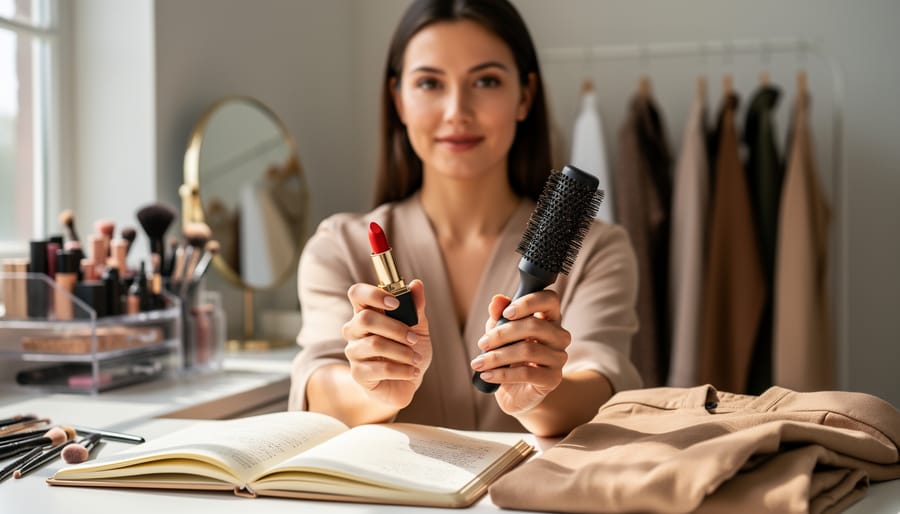
The Z decision-making model is a four-step problem-solving framework that guides you through gathering information, exploring possibilities, weighing logical consequences, and considering personal values before making a choice. This structured approach helps you balance objective facts with subjective feelings, ensuring decisions align with both your practical needs and authentic sense of self.
Most of us make dozens of style and beauty choices each week. Should you invest in that bold red lipstick? Is it time to cut your hair short? Will that statement blazer feel like you, or like you’re trying too hard? These decisions can feel overwhelming when you’re caught between trend cycles, conflicting advice, and your own evolving tastes. The Z model offers a clear path through that noise.
Originally developed from Myers-Briggs personality theory, the Z model walks you through four distinct thinking modes. You start by observing concrete facts (What do I actually have in my wardrobe? What’s my real budget?), then open up to creative possibilities (How could I style this? What new directions excite me?), analyze practical implications (Will this work for my lifestyle? What’s the upkeep?), and finally check in with your values (Does this feel true to who I am? Will I still love it in six months?).
This article breaks down each step of the Z model and shows you exactly how to apply it to your fashion and beauty decisions. You’ll learn to trust your choices because you’ve examined them from every angle, blending logic with intuition to make selections that genuinely empower you.
What the Z Model Means for Your Decisions
The Z decision making model is a structured approach to choices that moves your mind through four distinct perspectives, creating a zigzag, or “Z,” pattern when mapped visually. Born from Myers-Briggs personality theory, this framework acknowledges that solid decisions need more than gut reactions or pure logic. They need both.
Here’s what makes it powerful: the model guides you through four mental functions in a specific sequence, ensuring you consider every angle before committing to that investment coat or switching your entire skincare routine. The pattern starts with concrete facts, expands into possibilities, narrows through logical analysis, and finishes with a values check.
- Sensing
- The concrete, tangible facts you can see and touch, your actual wardrobe gaps, your real budget, the fabric quality in your hands. This grounds your decision in reality, not fantasy.
- Intuition
- The imaginative, future-focused exploration of what could be, envisioning how a piece fits into your evolving style, spotting emerging trends, connecting creative dots between inspiration and your closet.
- Thinking
- The logical, objective analysis that weighs practicality, cost-per-wear, quality standards, and versatility. This is where you consider the rational pros and cons without emotion clouding the picture.
- Feeling
- The personal values and emotional truth check, does this choice honor who you are, align with your authentic style identity, and make you feel genuinely confident? This ensures your decision reflects your inner compass.
Think of the Z model as your decision-making insurance policy. When you’re standing in a fitting room wondering if bold red leather pants are brilliant or bonkers, this framework helps you move past paralysis. Instead of trusting only your initial reaction or overthinking until the opportunity passes, you systematically tap into different ways of knowing, what you observe, what you imagine, what you reason, and what you feel.
How the Z Model Works: Your Four-Step Journey
Step 1: Gather the Facts (Sensing)
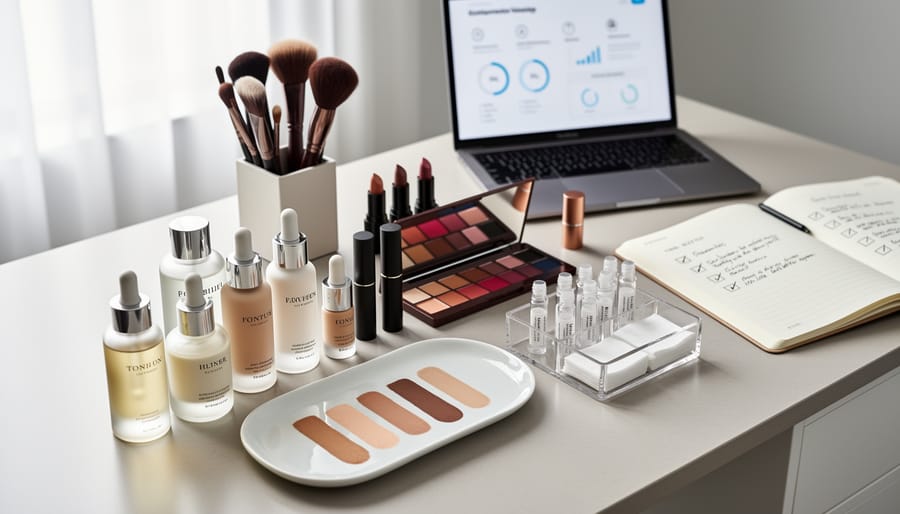
This first step grounds your decision in reality. Before you let your imagination run wild or analyze every angle, you start by simply noticing what is. What do you actually have in your closet right now? What’s your real budget, not the aspirational one? What specific occasions are coming up that require new pieces?
Sensing means gathering concrete, verifiable facts through your five senses. Open your wardrobe and take inventory. Touch the fabrics you already own. Notice which items you reach for repeatedly and which hang untouched. Check price tags, read ingredient lists, examine construction quality. This isn’t about possibilities yet, it’s about establishing your baseline truth.
For a foundation refresh, this might mean cataloging your current skincare products, noting expiration dates, and honestly assessing your skin’s current condition. The goal is creating a clear, factual foundation before moving forward. You cannot make empowered choices without first knowing where you truly stand.
Step 2: Explore Possibilities (Intuition)

After collecting your concrete facts, it’s time to let your imagination run wild. This is where intuition takes over, inviting you to explore possibilities beyond what currently exists in your closet or beauty routine.
Step two asks: What could be? Instead of limiting yourself to proven choices, you’re browsing Pinterest boards, scrolling through fashion week highlights, or noticing how that actress styled her hair in a completely unexpected way. You’re not committing to anything yet, you’re simply opening the door to fresh ideas and creative combinations you haven’t considered before.
Maybe you’ve always worn neutral tones, but suddenly you’re drawn to jewel colors. Perhaps you’ve never thought about curtain bangs, but now you’re curious. This phase thrives on possibility, not practicality. You’re gathering inspiration from street style, beauty influencers, vintage archives, or even art and nature.
The goal isn’t to make sense of everything right now. It’s to expand your vision of what’s available, creating a mental playground of options you’ll evaluate in the next steps.
Step 3: Think It Through (Thinking)

Now you shift into your analytical mind. After gathering facts and imagining possibilities, Step 3 asks you to think logically about what makes sense. This is where you weigh pros and cons without letting emotions cloud your judgment.
Consider practicality first. Will that stunning sequined blazer get worn beyond one event, or will it gather dust? Think about cost per wear, quality construction, and how it fits into your existing wardrobe. For beauty products, examine ingredients objectively. Does the packaging promise miracles the formula can’t deliver? Compare value honestly.
This step protects you from impulse purchases driven purely by excitement. It’s not about killing your joy, it’s about making sure your choice actually serves your life. Ask yourself: Does this work with my schedule, budget, and lifestyle? Is the quality worth the investment?
The key is removing yourself emotionally for just a moment to see clearly what’s practical and what’s wishful thinking.
Step 4: Check Your Heart (Feeling)
This final step asks you to tune into your emotional response and personal values. After gathering facts, exploring options, and thinking logically, pause and honestly ask: How does this choice make me feel? Does it align with who you are and who you’re becoming?
In fashion and beauty terms, this is where you assess whether that perfectly practical blazer actually lights you up when you put it on, or if it just checks boxes on paper. Maybe the numbers say yes, but your heart says it doesn’t feel like you. That disconnect matters.
This isn’t about being impractical or indulgent, it’s about ensuring your decisions honor your authentic style identity and values. A purchase might be logical and trendy, but if it doesn’t reflect your personality or make you feel confident and true to yourself, you’ll never reach for it. The Feeling step protects you from choices that look right but feel wrong, ensuring every decision supports the bold, authentic expression you deserve.
The Four Components That Make the Z Complete
The beauty of the Z model lies in how each component brings something irreplaceable to your decision. When all four work together, you make choices that are both smart and soul-satisfying. Here’s why each matters.
Sensing grounds you in reality. It stops you from buying a gorgeous silk blouse that needs dry cleaning when you’re a wash-and-wear person, or investing in trendy heels that pinch by lunchtime. This component ensures your decisions connect to the practical facts of your actual life, not the fantasy version. Skip it, and you’ll find yourself with a closet full of unworn pieces that looked perfect on the hanger but never made it into your real routine.
Intuition sparks possibility. It’s the voice that says “what if I tried something unexpected?” or “this could evolve my whole look.” Without it, you’re stuck in safe patterns, missing the trends and styles that could genuinely excite you. This component keeps your choices fresh and forward-thinking rather than repetitive. When you ignore intuition, your style stagnates and you miss opportunities to express new facets of yourself.
Thinking brings objectivity to the table. It evaluates quality, compares options logically, and considers long-term value without emotional clouding. This is the part that asks whether the coat will last three seasons, whether the skincare routine fits your budget, whether the statement piece works with what you already own. Without this analytical lens, you can make impulsive choices that seem right emotionally but crumble under practical scrutiny.
Feeling completes the circle by asking the question that ultimately determines whether you’ll actually wear and love your choice: does this feel like me? Research shows that shared decision-making reduces regret by honoring multiple perspectives, and the Feeling component brings your values and identity into the equation. It ensures your decisions align with who you are and how you want to show up in the world. Skip this step, and you’ll own perfectly practical pieces that somehow never feel right when you put them on.
Together, these four components create decisions you can trust completely.
When to Use the Z Model in Fashion and Beauty
The Z model isn’t meant for every tiny decision, choosing between two lipstick shades at the drugstore probably doesn’t need a four-step framework. But when the stakes feel higher, when you’re investing real money or reshaping your identity, this structured approach prevents impulse regrets and helps you choose with clarity.
Think of the Z model as your decision-making companion for moments that matter:
- Building a capsule wardrobe that actually works for your lifestyle and budget
- Investing in premium skincare or beauty devices you’ll use for years
- Developing a signature style that feels authentically yours
- Deciding whether to embrace a major trend or skip it entirely
- Switching up your beauty routine after what worked before stops delivering
These situations benefit from the Z’s complete picture. When you’re overhauling your beauty routine, maybe starting a 10-day beauty reset or committing to a midday glow reset the model helps you assess what’s not working (Sensing), explore new approaches (Intuition), evaluate product quality and cost-effectiveness (Thinking), and confirm the routine aligns with how you want to feel daily (Feeling).
Special occasion styling is another sweet spot. Planning what to wear to a wedding, job interview, or milestone celebration involves real facts (dress code, weather, existing pieces), creative possibilities (rental options, accessory combinations), practical thinking (comfort for hours of wear, photography considerations), and emotional resonance (will you feel like yourself, confident and beautiful?).
The Z model shines brightest when you’re making sustainable shopping choices. Fast fashion tempts with immediate gratification, but working through all four steps, examining your actual needs, imagining versatile uses, analyzing cost-per-wear and ethical impact, checking whether this purchase honors your values, leads to investments you’ll love long-term instead of donations you’ll regret next season.
Personal brand development, whether you’re building a professional image or cultivating your signature aesthetic, demands this balanced approach. You’re not just picking clothes; you’re making visual statements about who you are. The Z ensures those statements are grounded in reality, inspired by possibility, logically coherent, and emotionally true.
Your Questions About the Z Decision Making Model
How long does the Z model actually take?
The full four-step process typically takes 10-30 minutes for significant decisions like wardrobe investments, but you’ll move through it faster with practice. For smaller choices, you can run through all four steps in just a few minutes once the pattern becomes second nature.
Can I still make spontaneous decisions or does this kill my gut instinct?
The Z model complements your intuition rather than replacing it, your gut feelings show up in steps two and four. For truly time-sensitive moments, you’re simply running through the pattern mentally at speed, which still gives you more confidence than impulse alone.
Do I need to know my Myers-Briggs type to use this?
Not at all. The Z model works regardless of your personality type because it deliberately guides you through all four mental functions in sequence. Knowing your type might help you recognize which steps feel most natural versus which ones you tend to skip, but everyone benefits from the complete framework.
Can the Z model work for group styling decisions?
Absolutely, and it’s particularly effective when friends or stylists collaborate. Walking through each step together ensures everyone contributes their perspective, some will naturally lead the facts-gathering phase while others shine during the possibilities brainstorm, creating decisions the whole group feels good about.
How does this fit with other decision-making tools I already use?
The Z model provides the underlying structure while other techniques can support individual steps. Vision boards and mood boards enhance step two’s exploration phase, pro-con lists strengthen step three’s analysis, and values exercises deepen step four’s alignment check.
The beauty of this framework is its flexibility. You might breeze through all four steps in a boutique changing room when a piece just clicks on every level, or you might spread the process over several days for a major wardrobe shift. What matters is honoring each step rather than rushing to the finish line.
As you develop bold fashion confidence you’ll notice which steps you naturally favor and which ones require more conscious attention. If you’re highly intuitive, you might need to deliberately slow down at step one to gather concrete facts before jumping to creative possibilities. If you lead with logic, step four’s emotional check-in becomes your growth edge. The model works precisely because it asks you to stretch beyond your comfort zone while still playing to your strengths.
The Z decision making model isn’t about overthinking every outfit choice or second-guessing your beauty routine. It’s about giving yourself permission to make decisions that feel right on every level, logically sound, creatively inspiring, and emotionally authentic. When you honor all four steps, you’re not just choosing clothes or makeup. You’re choosing yourself.
This framework transforms decision making from a source of stress into an act of self-expression. It reminds you that your best choices emerge when you balance facts with imagination, analysis with intuition, and practical wisdom with what makes your heart say yes. Whether you’re building a capsule wardrobe, finding your signature scent, or planning a weekend self-care retreat the Z model supports decisions that truly reflect who you are.
Trust the process. Gather your facts, explore boldly, think critically, and always check in with your heart. Your most empowered choices, the ones that make you feel confident, beautiful, and unmistakably you, live right there at the intersection of logic and feeling.
You may also like
-
What Is Fashion Journalism (and How Does It Shape the Industry)?
-
What Is Innovation in the Beauty Industry (and How Is Technology Changing It)?
-
Your Digital Footprint: What It Is, How to Manage It, and Where to Get Support
-
What Is Native American Textile Art (and How Indigenous Techniques Are Being Revived)?
-
What Is This Renewable Resource Made from Rotting Plant Material? (And How It’s Transforming Fashion)