
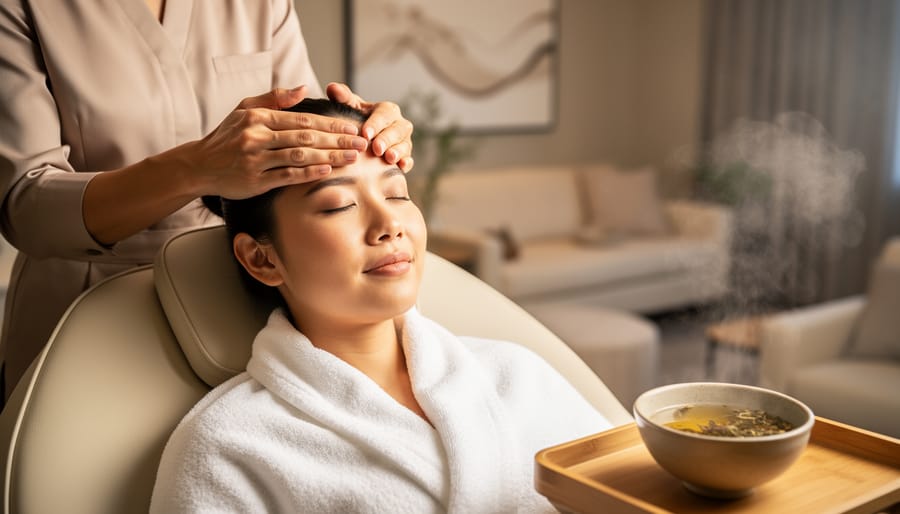
A Japanese head spa is a holistic scalp treatment that combines deep cleansing, massage, and sensory relaxation techniques rooted in traditional Japanese wellness philosophy. Unlike a quick shampoo at your local salon, this ritual transforms hair care into a therapeutic experience that addresses everything from product buildup and scalp health to stress relief and improved circulation.
If you’ve been following wellness trends, you’ve probably noticed this treatment taking over social media feeds and spa menus across the globe. The appeal goes beyond the obvious luxury factor. Japanese head spa rituals tap into the same mindfulness principles that make ancient self-care rituals so compelling, offering a rare opportunity to slow down and prioritize both your physical health and mental reset in a single session.
What makes these treatments distinctively Japanese is the meticulous attention to detail and the belief that scalp health is foundational to overall wellbeing. Each step follows a precise sequence designed to stimulate pressure points, remove impurities, and restore balance. The experience typically unfolds over 60 to 90 minutes and might include warm oil treatments, steam therapy, specialized massage techniques, and sometimes even shoulder and neck work.
This article walks you through exactly what happens during a japanese head spa in Auckland session, breaking down the specific components and techniques that set this practice apart. You’ll learn how each ritual element contributes to healthier hair and a calmer mind, plus discover what to expect if you’re ready to book your first appointment.
What a Japanese Head Spa Really Means
A Japanese head spa is a therapeutic scalp treatment that goes far beyond shampooing, it’s a comprehensive wellness ritual designed to cleanse, massage, and revitalize your scalp while creating a deeply meditative experience. Think of it as a facial for your head, where trained specialists use targeted techniques to remove buildup, boost circulation, and release tension you didn’t even know you were carrying. The practice draws from centuries-old Japanese traditions of holistic beauty, where caring for your scalp is considered essential to overall wellness, not just an add-on to your haircut.
- Head Spa
- A Japanese scalp treatment combining cleansing, massage, and therapeutic techniques to promote scalp health and deep relaxation. It treats the scalp as the foundation of beautiful hair rather than focusing solely on the strands.
- Scalp Detox
- The process of removing oil buildup, product residue, and environmental pollutants from the scalp using specialized cleansers and massage. This creates an optimal environment for healthy hair growth.
- Kaizen Beauty Philosophy
- The Japanese concept of continuous improvement applied to personal care, small, consistent rituals that create lasting results over time. Head spa treatments embody this principle through regular, intentional scalp care.
What sets Japanese head spas apart from typical Western salon treatments is the intention and philosophy behind every step. While a regular shampoo gets your hair clean, a head spa session is choreographed to engage multiple senses and address your scalp’s specific needs. The specialists don’t rush. They perform precise pressure point massages, adjust water temperatures thoughtfully, and incorporate aromatherapy elements that transform the treatment into a restorative ritual. It’s the difference between grabbing a quick shower and sinking into a warm bath with intention, both cleanse, but one nourishes something deeper.
How the Japanese Head Spa Experience Works
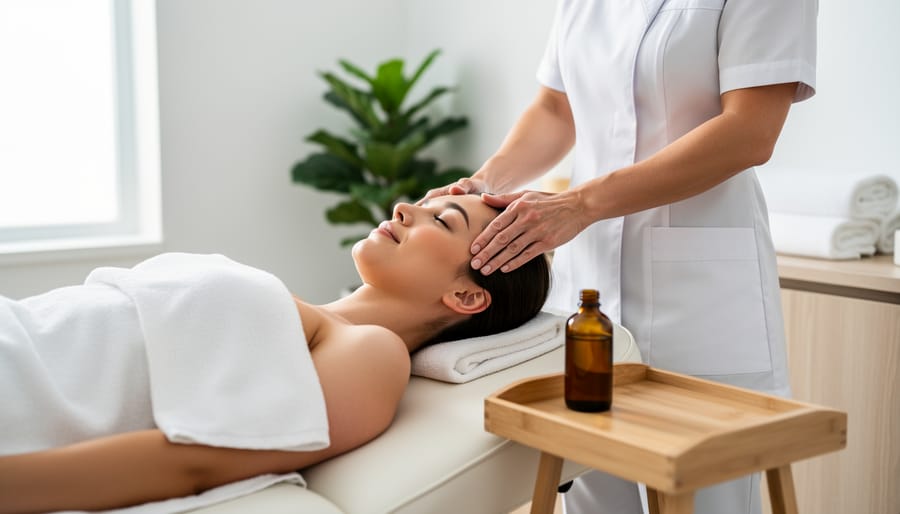
Walking into your first Japanese head spa appointment feels like entering a sanctuary. After a brief consultation where your therapist assesses your scalp condition, hair concerns, and stress levels, you’ll settle into a specialized reclining chair designed to cradle your head and neck comfortably. The session unfolds through a carefully orchestrated head spa step sequence that transforms scalp care into a full sensory ritual.
The experience typically begins with a gentle hair brushing to stimulate circulation and remove surface buildup. Your therapist then applies warm oil directly to your scalp, working it through sections with practiced precision. This pre-cleanse treatment sits for several minutes while you begin to relax, preparing your scalp for the deep cleanse ahead.
Next comes the first shampoo, but this isn’t your rushed morning routine. The therapist uses specialized techniques to massage the cleanser into every inch of your scalp, applying rhythmic pressure that melts tension from areas you didn’t realize were tight. Many sessions incorporate steam at this stage, opening pores and allowing treatments to penetrate more deeply. The warm mist envelops your head while aromatic essential oils fill the air, turning a functional cleansing step into something meditative.
The massage phase intensifies after rinsing. Your therapist’s fingers move across your scalp in deliberate patterns, targeting pressure points that correspond to tension areas throughout your body. You might feel fingertips working small circles at your temples, then broader sweeping motions across the crown, followed by focused attention along the base of your skull where stress accumulates. Some practitioners incorporate gentle stretching of the scalp tissue itself, a sensation that’s both unusual and deeply satisfying.
A second, more thorough shampoo follows, often with a treatment mask or scalp serum tailored to your needs. The final rinse might alternate between warm and cool water temperatures to stimulate circulation and seal hair cuticles.
The session concludes with a shoulder and neck massage while your hair is gently dried and styled. Most appointments last 60 to 90 minutes, leaving you with that rare feeling of having truly paused time for yourself.
The Signature Rituals and Techniques
Scalp Massage Methods
The scalp massage in a Japanese head spa stands apart from anything you’d experience at a typical salon. Trained practitioners use deliberate finger placement and pressure, not random rubbing, to target specific zones across your scalp. They’ll work along meridian lines borrowed from traditional Japanese healing practices, applying firm but controlled pressure with their fingertips in small circular motions that feel both precise and deeply relaxing.
You’ll notice a distinctive rhythm to the movements. Therapists often start at the temples and hairline, using what’s called the “tapping technique”, gentle, rapid fingertip percussion that awakens blood flow. From there, they move to longer, slower strokes that knead the entire scalp surface, alternating between firmer pressure points near the base of your skull and lighter touches across the crown. Many incorporate a lifting motion where they gently pull sections of hair at the roots to release tension at the follicle level.
The pressure point work concentrates on areas that correspond to stress relief and circulation, particularly around your temples, the occipital ridge at your neck’s base, and the vertex point at your head’s crown. These aren’t aggressive presses but sustained, focused pressure that releases tightness you didn’t know you were holding.
Cleansing and Detox Rituals
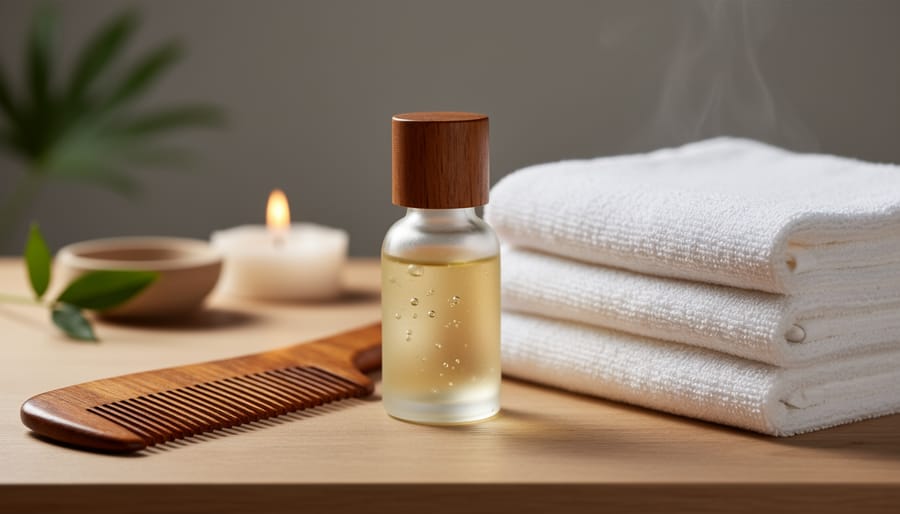
The cleansing ritual begins before water ever touches your hair. A therapist first applies warm botanical oils, often camellia, yuzu, or rice bran, directly to your scalp, working them in with slow, deliberate movements. This pre-cleanse softens buildup and preps your skin to absorb treatment.
Next comes the first shampoo, typically sulfate-free and formulated with charcoal or clay to draw out impurities. The therapist uses fingertips, not nails, creating small circular motions that lift debris without irritation. You’ll notice the lather feels different, lighter, less aggressive than Western products.
Between shampoos, many spas incorporate gentle exfoliation using fine bamboo powder or rice enzyme scrubs. This removes dead skin cells and product residue that regular washing misses. The technique involves light, rhythmic strokes across your entire scalp, never harsh scrubbing.
A second cleansing follows, often with a pH-balanced botanical shampoo containing ingredients like seaweed extract or green tea. This step focuses on nourishment rather than deep cleaning. The therapist rinses thoroughly with temperature-controlled water, alternating slightly warmer and cooler streams to close hair cuticles and stimulate blood flow.
Sensory and Aromatherapy Elements
The sensory dimension is what transforms a Japanese head spa from a simple scalp treatment into a deeply restorative ritual. Essential oils play a central role, therapists select botanical blends based on your needs, whether that’s lavender and chamomile for tension relief or peppermint and eucalyptus to invigorate circulation and clear mental fog. These aren’t just pleasant scents; the oils penetrate your scalp during massage, working alongside the physical techniques.
Steam serves multiple purposes throughout the session. Warm mist opens your pores and hair cuticles, allowing treatments to absorb more effectively while the humid warmth itself triggers your parasympathetic nervous system, your body’s natural relaxation response. Some spas alternate between warm steam and cool water mists, creating temperature contrasts that stimulate blood flow and leave your scalp feeling remarkably alive.
Temperature variations extend to the water used for rinsing and the warm towels applied between stages. This deliberate play of warmth and coolness keeps your senses engaged without overwhelming them, creating a meditative state that many clients describe as the most memorable part of their experience.
What These Rituals Do for You
The benefits of Japanese head spa rituals extend across multiple types of wellness making this practice far more than a beauty splurge. Regular treatments deliver noticeable improvements in hair health, starting with increased circulation to the scalp. Better blood flow means more nutrients reaching your hair follicles, which can lead to stronger, faster-growing hair and reduced shedding over time. The deep cleansing process removes product buildup and excess sebum that regular shampooing misses, creating an optimal environment for healthy hair growth.
The stress-relief component rivals the physical benefits. The scalp massage techniques used in these rituals stimulate pressure points connected to tension relief throughout your entire body. Many clients report feeling mental clarity and reduced anxiety that lasts for days after a session. The meditative quality of the experience, combined with aromatherapy elements, creates a reset for your nervous system that you’ll feel long after you leave the treatment room.
Beauty results show up quickly. You’ll notice shinier, softer hair immediately after your first session, thanks to the thorough cleansing and nourishing treatments. Your scalp will feel balanced rather than oily or dry. With consistent treatments (monthly is ideal for most people), you may see improvements in scalp conditions like flakiness or sensitivity.
Anyone dealing with stress, tension headaches, or hair concerns can benefit, regardless of hair type or texture. These rituals work beautifully for fine hair that needs volume, thick hair that needs moisture balance, and everything in between. You can bring head spa principles home by incorporating gentle scalp massage into your shower routine or creating your own self-care retreat with warm oil treatments before washing. Even five minutes of intentional scalp care makes a difference in how you feel and how your hair responds.
Finding Your Head Spa Experience
Looking for a quality head spa doesn’t have to feel overwhelming. Start by researching establishments that specialize in Japanese techniques rather than general spas that just added head treatments to the menu. In 2026, you’ll find dedicated head spa studios in most major cities, though traditional Japanese salons and high-end wellness centers also offer these services.
When evaluating your options, prioritize these quality indicators:
- Therapists trained specifically in Japanese scalp massage techniques, not just basic massage certification
- Use of premium, preferably Japanese-sourced products for cleansing and treatment oils
- Personalized consultations that address your specific scalp concerns and hair type
- Clean, calming treatment spaces designed for relaxation rather than rushed turnover
- Clear explanations of what each ritual step involves and why it matters
Expect sessions to run 60 to 90 minutes for a full experience. Pricing varies widely depending on location and establishment prestige, but most quality treatments range from $100 to $250 in 2026. Shorter intro sessions around 45 minutes sometimes cost less, though you’ll miss some of the deeper relaxation benefits.
Book your first appointment during a less busy weekday if possible. You’ll get more attention and feel less rushed. Arrive with clean, dry hair unless instructed otherwise, and plan nothing demanding afterward so you can fully enjoy that post-treatment glow.
Not ready to commit to a professional session yet? Try basic elements at home first. Warm a tablespoon of jojoba or camellia oil between your palms, then massage your scalp with slow, circular motions using your fingertips for five to ten minutes before shampooing. Focus on breathing deeply and moving deliberately rather than rushing through. While you won’t replicate the full ritual, you’ll get a genuine taste of how intentional scalp care transforms an ordinary routine into a restorative practice. If it resonates with you, a professional treatment will take that foundation much deeper.
Your Head Spa Questions Answered
Curious whether a Japanese head spa is right for you? These questions come up constantly, and the answers might surprise you with how accessible this practice really is.
How often should I book a head spa treatment?
Most people see the best results with monthly sessions, though you can go every two weeks if you’re dealing with specific scalp concerns or high stress levels. Think of it like a facial for your scalp, regular treatments build on each other.
Does it work for all hair types and textures?
Absolutely. The techniques adapt beautifully to curly, coily, straight, fine, and thick hair alike. Your therapist will adjust pressure, products, and methods based on your specific needs and scalp condition.
What should I wear to my appointment?
Wear something comfortable with a neckline that won’t get in the way when you’re reclining. Most spas provide a cape or towel wrap, and you’ll stay fully clothed throughout the session.
How long do the results last?
The immediate relaxation and soft, clean feeling lasts several days, while improvements in scalp health and hair texture build over time with consistent treatments. Many people notice reduced tension headaches for up to two weeks after a session.
If you have a sensitive scalp, don’t let that hold you back. Skilled therapists work with sensitivities all the time, adjusting pressure and choosing gentler products. Just mention your concerns during the consultation so they can customize your experience.
After your treatment, your scalp might feel slightly tingly or more aware than usual, that’s increased circulation doing its job. Avoid harsh styling or heat tools for the rest of the day to let your hair and scalp soak up all those benefits. Some people experience mild detox effects like slight flaking the next day as impurities surface, which is completely normal and actually a sign the treatment is working.
The beauty of Japanese head spa rituals is that there’s no wrong way to start. Whether you commit to monthly sessions or try it once to see how you feel, you’re giving yourself permission to prioritize wellness in a way that honors both beauty and self-care.
A Japanese head spa is more than a treatment you cross off your beauty to-do list. It’s a reminder that taking care of yourself can be a ritual, something slow and intentional in a world that rarely slows down. Whether you book a full session at a specialized spa or recreate parts of the experience at home with a scalp massager and your favorite essential oil, you’re claiming time that belongs to you.
The beauty benefits are real, healthier scalp, shinier hair, less tension headache-inducing stress. But the real gift is giving yourself permission to rest, to be cared for, to try something new just because it sounds wonderful. That’s not indulgence. That’s honoring yourself.
So go ahead. Book that appointment. Light that candle. Massage your scalp with intention. Let this be one more way you explore what makes you feel beautiful, confident, and fully present in your own life. Your wellness journey is yours to design, and a Japanese head spa might just be the ritual that reminds you how good it feels to prioritize yourself.
You may also like
-
Natural Soap vs. Anti-Dandruff Shampoo: What Your Scalp Really Needs
-
Guide to Hair Salons in Winter Garden, Florida: Top Picks, Services, and Local Tips
-
How to Achieve a Flawless Look with Minimal Makeup
-
How to Use Aromatherapy Apparel to Relieve Stress Daily
-
15 Mother’s Day 2026 Fashion & Gift Ideas for the Stylish Mom