
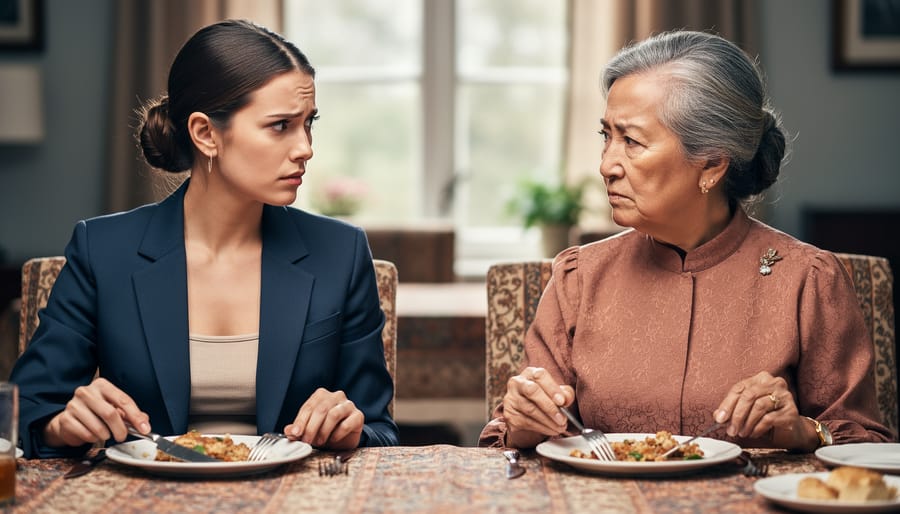
Intergenerational cultural dissonance is the tension that arises when different generations hold conflicting values, aesthetics, or social norms rooted in their distinct formative experiences. In fashion, this shows up as arguments over hemlines at family dinners, raised eyebrows over crop tops in professional settings, or dismissive comments about “kids these days” wearing things deemed too revealing, too conservative, too experimental, or simply too different from what felt normal a generation ago.
This friction isn’t trivial. Fashion choices signal identity, values, and belonging. When those signals clash across generational lines, the conflict becomes about more than clothes. It touches autonomy, respect, and whose vision of “appropriate” gets to win. For young women navigating these tensions, the stakes feel personal: defending your right to dress how you want while maintaining relationships with family members or colleagues who genuinely believe they’re protecting you.
Understanding why these conflicts happen transforms them from exhausting battles into opportunities for connection. Generational differences in fashion stem from vastly different cultural landscapes. What felt rebellious or empowering in one era registers as outdated or overly cautious in another. The reverse is equally true: what feels like self-expression to one generation can read as shocking or disrespectful to another, not out of malice but because the cultural grammar has shifted.
This article breaks down the mechanics of intergenerational fashion dissonance, identifies where it shows up most often, and equips you with frameworks to navigate these moments without sacrificing your style or your relationships.
What Intergenerational Cultural Dissonance Means in Fashion
Intergenerational cultural dissonance in fashion describes the tension that emerges when different age groups hold conflicting beliefs about what looks good, what’s appropriate to wear, and what fashion choices communicate about a person. It’s the friction you feel when your grandmother questions your cropped tops, or when you can’t understand why your mother insists on matching handbags to shoes. This dissonance isn’t just about taste differences, it reflects fundamentally different style worldviews shaped by each generation’s unique cultural moment.
Each generation develops its fashion identity during formative years, roughly between ages 15 and 25, when cultural experiences leave the deepest imprint. The music you heard, the economic realities you faced, the beauty standards you absorbed, and the social movements you witnessed during this window create lasting fashion preferences that feel inherently “right” to you. These preferences become so ingrained that other generations’ choices can seem baffling or even wrong, even though they’re equally rooted in lived experience.
Understanding how culture shapes fashion helps decode these tensions. A woman who came of age during the corporate power-dressing era of the 1980s absorbed entirely different messages about femininity, professionalism, and beauty than someone who grew up with Instagram influencers and body-positive movements. Neither perspective is wrong, they’re products of different cultural contexts.
- Generational Style Identity
- The collective fashion preferences and aesthetic markers that define a particular age cohort, formed during their formative years and often maintained throughout life.
- Fashion Values Clash
- Conflicts arising when generations prioritize different aspects of dress, one valuing modesty and polish, another prizing self-expression and comfort, for example.
- Aesthetic Disconnect
- The inability to appreciate or understand another generation’s style choices because they conflict with your own internalized beauty standards and fashion references.
- Cultural Reference Points
- The shared experiences, icons, and media moments that shape a generation’s fashion vocabulary and create common ground within age groups while sometimes excluding others.
This dissonance shows up everywhere: family dinners where outfit choices spark commentary, workplaces where dress codes reflect older norms, social media where different generations debate what’s flattering. The gap isn’t about one generation being right and another outdated, it’s about genuinely different fashion languages developed in different cultural climates.
How Fashion Dissonance Between Generations Works
Cultural Touchstones and Fashion Memory
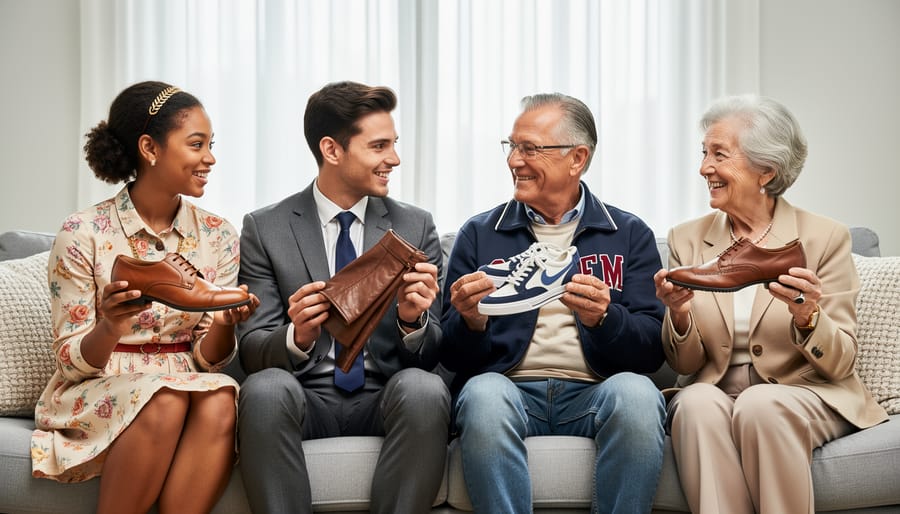
Every generation carries a wardrobe of memories tied to the cultural moments that shaped their coming-of-age years. A Baby Boomer who discovered herself through 1960s counterculture may forever associate flowing maxi dresses and natural fabrics with freedom and authenticity, while that same aesthetic might read as costume-y or outdated to someone who grew up scrolling Instagram. These aren’t just different tastes. They’re fundamentally different emotional associations with the same garments.
The music you listened to during your formative years, the political movements that felt urgent and transformative, the technology that first connected you to the wider world, these experiences create lasting templates for what feels stylish, meaningful, or appropriate. Gen X’s grunge-era skepticism produced a different fashion vocabulary than Millennials’ optimistic early-internet experimentation or Gen Z’s algorithmic trend cycles. When a grandmother wrinkles her nose at ripped jeans, she’s not critiquing the garment itself. She’s responding from a framework where torn clothing signaled poverty, not rebellion or aesthetic choice. Understanding these divergent fashion memories helps you recognize that generational friction often stems from incompatible reference points, not incompatible values.
Access and Consumption Patterns
How we discover, evaluate, and buy clothing shapes our fashion worldview more than we often realize. If you grew up flipping through Vogue in the ’80s, you learned to save for statement pieces and trust editors’ seasonal directives. If you came of age scrolling TikTok in the 2020s, you absorbed trend cycles that shift weekly and discovered brands through influencer hauls, not department store displays.
These contrasting consumption patterns create genuine friction. Older generations often view frequent purchases as wasteful and prioritize quality over quantity, having learned fashion through curated magazine spreads and in-person shopping where tactile assessment mattered. They invested in fewer, better pieces because that’s what their access points taught them. Younger women navigate an entirely different landscape, algorithm-driven feeds, direct-to-consumer brands, ultra-fast trend adoption enabled by social media style culture. A Gen Z woman might own fifty trend pieces acquired through rapid online ordering, while her mother owns twenty carefully selected items purchased over years of in-store browsing.
Neither approach is inherently superior. The tension emerges because these different systems taught us to value different things: timelessness versus trend participation, investment versus experimentation, editorial authority versus peer influence. Understanding that your grandmother’s “buy once, wear forever” philosophy and your SHEIN-haul habit stem from fundamentally different fashion ecosystems helps defuse judgment on both sides.
Common Forms of Fashion Dissonance Across Generations
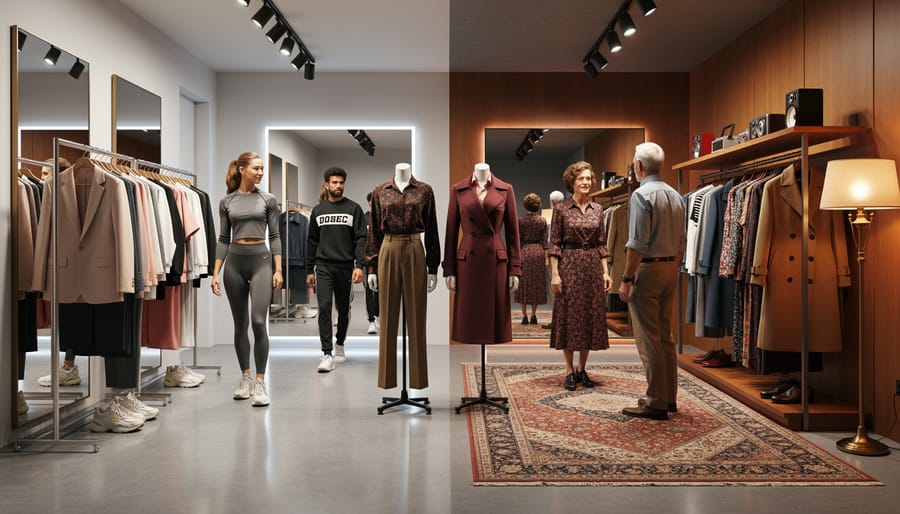
Fashion friction between generations shows up in predictable patterns that nearly every woman encounters. Recognizing these common categories helps you understand when you’re experiencing cultural dissonance rather than personal criticism, and that awareness changes everything.
The most visible tensions typically cluster around a few key areas:
- Beauty standards, makeup intensity, “natural” versus polished looks, anti-aging approaches versus age celebration
- Modesty and expression, hemlines, necklines, body-conscious silhouettes, revealing versus conservative cuts
- Trend participation, fast fashion cycles versus timeless pieces, logomania versus quiet luxury, statement items versus classic basics
- Brand loyalty, heritage labels versus emerging designers, department stores versus direct-to-consumer brands
- Sustainability values, investment buying versus accessible fashion, secondhand shopping, greenwashing awareness
- Professional presentation, workplace formality levels, “power dressing” interpretations, visible tattoos and piercings
Beauty standards create perhaps the sharpest divides. Older generations often learned that visible makeup application signals effort and polish, while younger women increasingly view heavy makeup as artificial or performative. The “no-makeup makeup” aesthetic that dominates social media bewilders those who grew up believing foundation and lipstick showed respect for occasions and people. Meanwhile, Gen Z’s enthusiastic embrace of bold graphic eyeliner or experimental blush placement can read as unfinished or excessive to Boomers who mastered a different beauty vocabulary entirely.
The modesty conversation carries particularly charged emotional weight. What counts as “appropriate” coverage shifts dramatically across generations, shaped by each cohort’s battles for bodily autonomy and self-expression. A crop top that feels empowering and normal to a twenty-five-year-old might trigger genuine concern from a grandmother who fought different respectability standards. Neither perspective is wrong, they’re products of different cultural moments around women’s bodies and agency.
Sustainability creates unexpected friction too. Younger generations increasingly prioritize ethical production and style and social change viewing fashion choices as political statements. Older women might see this as judgmental or impractical, having developed relationships with brands and shopping habits long before transparency became standard. The accusation of wastefulness cuts both ways, fast fashion overconsumption versus decades of dry-cleaning and replacing perfectly functional items to stay current.
Professional dress codes reveal generational assumptions about authority and credibility. What signals “serious professional” varies wildly: structured suits and closed-toe shoes for some, sleek minimalism and designer sneakers for others. These aren’t just aesthetic preferences, they’re deeply held beliefs about how respect, competence, and leadership should look. Navigating workplace fashion dissonance requires understanding these coded messages while developing inclusive style approaches that honor multiple generational perspectives.
Recognizing these patterns doesn’t resolve the tension, but it depersonalizes it. You’re not fighting your mother’s outdated views or your daughter’s reckless choices, you’re witnessing different cultural frameworks colliding.
Where You’ll Encounter Intergenerational Fashion Dialogues
Family and Personal Relationships
Family gatherings often become unexpected fashion forums where generational style philosophies collide. Your mother questions why you’d spend money on vintage pieces when “new is always better,” while you can’t understand her attachment to coordinated separates. Your grandmother raises an eyebrow at your cropped tops, remembering when showing midriff meant something entirely different about a woman’s character.
These moments sting because they come from people whose opinions matter deeply. A daughter interprets her mother’s concern about visible bra straps as judgment of her choices, not recognizing it stems from an era when “proper dressing” was tied to social acceptance and opportunity. The mother sees rejection of her advice as dismissal of her experience, missing that her daughter is building a style vocabulary for a different cultural moment.
The breakthrough happens when you shift from defending your choices to exploring the “why” behind each perspective. Ask your grandmother what she loved wearing at your age, what felt rebellious or beautiful to her then. Share what your style choices mean to you, not what you’re wearing, but what it represents about autonomy, creativity, or identity. These conversations transform criticism into storytelling, revealing that every generation has used fashion to claim their place in the world.
Professional and Social Spaces
Professional settings amplify generational fashion tensions because dress codes often reflect the values of whoever holds institutional power. A Gen X supervisor might perceive your oversized blazer and sneakers as insufficiently polished, while you see her tailored pantsuit as unnecessarily rigid. Networking events become style minefields where younger professionals balance authentic self-expression against older attendees’ expectations of “appropriate business attire.”
The disconnect intensifies at industry conferences and social occasions where multiple generations gather. What reads as confident individuality to you, visible tattoos, bold colors, statement accessories inspired by pop culture icons might signal lack of seriousness to someone whose career required decades of conservative dressing. Meanwhile, their classic approach feels dated or inaccessible to you.
Navigate these spaces by identifying the specific context. Client-facing presentations call for different choices than internal team meetings. Read the room without abandoning your style: pair your favorite chunky jewelry with a structured blazer, or wear classic silhouettes in contemporary cuts. The goal isn’t code-switching or capitulation, but strategic styling that communicates competence across generational expectations while staying true to your aesthetic voice. When you demonstrate respect for the context without erasing yourself, you create space for others to do the same.
Turning Fashion Dissonance Into Creative Dialogue
Understanding that fashion dissonance exists doesn’t mean accepting it as a permanent divide. The most exciting style innovations often happen when generations talk with each other rather than past each other.
Start by approaching generational fashion differences with genuine curiosity instead of defensiveness. When your mother questions your vintage oversized blazer or your grandmother raises an eyebrow at your cropped top, ask what their concern really reflects. Often, these reactions stem from different fashion memories and experiences, not criticism of your taste. That blazer might remind your mother of unflattering 1980s office wear she worked hard to move past, while your grandmother’s modesty concerns connect to entirely different social contexts she navigated. Understanding the “why” behind their perspective creates space for meaningful exchange.
Create opportunities for reciprocal style sharing. Ask older relatives about their most daring fashion moments or the trends they loved that shocked their own parents. You’ll discover that every generation has pushed boundaries and faced criticism. Your grandmother’s mini skirt was probably as controversial in 1967 as your micro bag is today. These stories build bridges and reveal that fashion rebellion is a shared tradition across generations.
Invite cross-generational styling sessions that celebrate both perspectives. Let your mother show you her approach to tailoring and quality fabrics while you introduce her to styling tricks from contemporary fashion creators. This mutual teaching reinforces that fashion wisdom flows both directions. She might teach you how to spot well-constructed garments, while you show her fresh ways to wear classic pieces she’s owned for years.
Most importantly, own your style choices with confidence while remaining open to insight. You don’t need permission from older generations to dress how you want, but you can still appreciate their lived experience. Fashion at its best honours heritage while making space for evolution. Your personal style can draw from multiple generations without compromising your authentic expression.
Frequently Asked Questions
How do I handle unsolicited fashion advice from older relatives?
Listen for the underlying concern (professionalism, respect, appropriateness) rather than the specific critique, then address that concern in your own way. You might say, “I appreciate you wanting me to make a good impression, I’ve thought about that too, and here’s my approach.” This validates their care while maintaining your autonomy.
Do generational fashion rules still apply today?
Some principles (fit, occasion-appropriateness, quality over quantity) remain valuable across generations, while arbitrary rules (no white after Labor Day, age-based hemlines) have rightly evolved. The skill is discerning timeless wisdom from outdated restrictions that no longer serve you.
How can I appreciate vintage trends without appropriating another generation’s experience?
Wear vintage-inspired pieces with genuine interest in their history rather than as mere costume. Learning the cultural context behind a trend (the social movements, the designers, the wearers) transforms borrowing into respectful homage.
What’s the best way to bridge style gaps with different age groups?
Find shared values beneath surface differences, you might both appreciate craftsmanship, self-expression, or dressing for confidence, even if your aesthetic choices look different. Asking “What does this piece mean to you?” opens richer conversations than debating whether something is fashionable.
When should I honor generational fashion norms versus challenging them?
Honor them when they reflect respect for specific contexts (a grandmother’s religious ceremony, a formal workplace with clear expectations), but challenge them when they limit your authentic self-expression in spaces where you have agency. The distinction is about reading the room and choosing your moments, not blanket compliance or rebellion.
These questions reflect the real tensions many women face when their personal style intersects with family expectations and generational assumptions. The goal isn’t to erase differences or always defer to older perspectives, but to communicate across them with clarity and respect. Sometimes that means explaining your choices, sometimes it means setting boundaries, and sometimes it means genuinely reconsidering whether an older generation’s caution holds wisdom you hadn’t noticed. The conversation itself, approached with curiosity rather than defensiveness, becomes the bridge.
Intergenerational fashion dissonance isn’t something to resolve or eliminate, it’s a creative tension worth celebrating. When your grandmother raises an eyebrow at your oversized blazer or questions your platform sneakers, she’s not attacking your style. She’s revealing how differently your generations experienced the world, and that difference holds value.
The most exciting fashion moments happen when generations collide rather than retreat to their corners. A Gen Z daughter’s thrifted vintage finds might spark her mother’s memories of wearing similar pieces new in the 1990s, creating unexpected connections. A millennial’s bold makeup choices could inspire an older colleague to reconsider beauty rules she’d internalized decades ago. These exchanges don’t require anyone to abandon their perspective, they simply ask for curiosity.
Your personal style journey becomes richer when you engage with fashion dialogues across age groups. Listen to why certain hemlines or silhouettes matter to older relatives. Share what sustainability or self-expression means to your generation. You’ll discover that timeless elegance and contemporary innovation aren’t opposing forces. They’re both part of fashion’s ongoing conversation, and you get to participate with confidence, drawing wisdom from the past while boldly shaping what comes next.
You may also like
-
What Is Fashion Journalism (and How Does It Shape the Industry)?
-
What Is Innovation in the Beauty Industry (and How Is Technology Changing It)?
-
Your Digital Footprint: What It Is, How to Manage It, and Where to Get Support
-
What Is Native American Textile Art (and How Indigenous Techniques Are Being Revived)?
-
What Is This Renewable Resource Made from Rotting Plant Material? (And How It’s Transforming Fashion)