
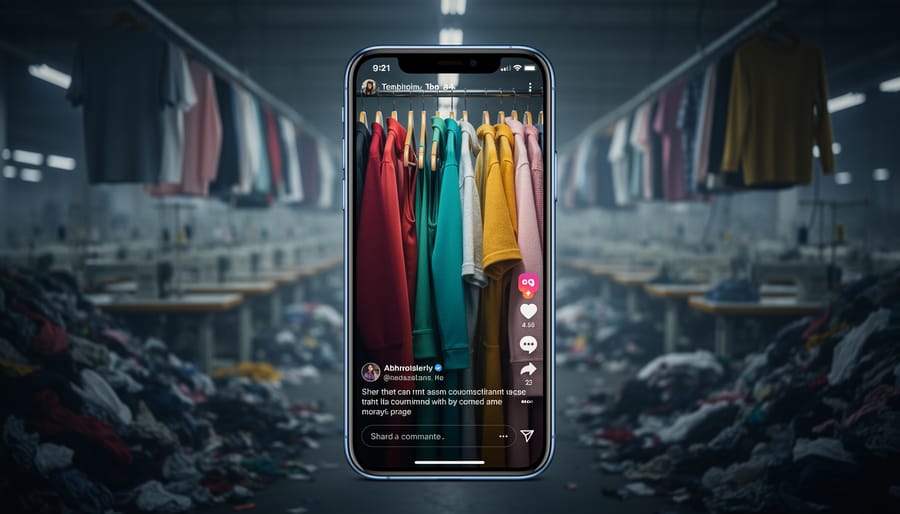
Social media and fast fashion describe the circular relationship between digital platforms and the rapid production and consumption of inexpensive, trend-driven clothing. Scroll through Instagram or TikTok for five minutes and you’ll see it: influencers unveiling haul after haul, algorithmic feeds pushing micro-trends that vanish within weeks, and targeted ads for $8 tops that look eerily similar to what a celebrity wore yesterday.
This isn’t accidental. Social media has fundamentally restructured how we discover, desire, and discard fashion. Platforms built on constant content creation need endless novelty, while fast fashion brands need perpetual demand. Together, they’ve created a feedback loop where a dress can trend on Thursday and end up in a landfill by Sunday.
For those of us who love fashion, this presents a genuine tension. We’re drawn to the creativity and self-expression these platforms celebrate, yet we’re also beginning to recognize the environmental toll and exploitative labor practices hidden behind those perfectly curated grids. The average person now buys 60% more clothing than they did 15 years ago and keeps each item half as long.
Understanding how this system operates isn’t about shame or giving up your personal style. It’s about seeing the machinery clearly so you can make choices that actually reflect your values. This article breaks down the mechanics of social media’s influence on fast fashion, the different ways it shows up in your feed, and most importantly, how a growing movement of conscious consumers and activists are rewriting the rules.
What Social Media-Driven Fast Fashion Really Means
Social media-driven fast fashion is the phenomenon where platforms like TikTok, Instagram, and Pinterest collapse the traditional fashion cycle into a matter of days or even hours. A dress appears on a celebrity’s feed one morning, gets reposted thousands of times by lunchtime, and by evening, fast fashion brands have already started production on their version, sometimes available for purchase within 48 hours.
This speed represents a fundamental shift in how trends work. Traditional fashion operated on seasonal cycles, with trends emerging from runway shows months before reaching stores. Now, a single viral video can create demand for a specific style faster than most brands can manufacture it, turning social media into a real-time trend engine that never sleeps.
The mechanics rely on constant content consumption. You scroll through your feed, see the same aesthetic repeated across multiple posts, and suddenly it feels like everyone owns that exact pair of jeans except you. This manufactured urgency is by design, algorithms prioritize content similar to what you’ve already engaged with, creating echo chambers where certain styles appear unavoidable.
- Haul Culture
- The practice of purchasing large quantities of inexpensive clothing and showcasing them in video format, normalizing excessive consumption as entertainment.
- Micro-Trends
- Extremely short-lived fashion moments that gain popularity for weeks rather than seasons, often dying out before items even arrive in the mail.
- Algorithm Fashion
- Styles that gain traction not through genuine popularity but because platform algorithms amplify them, creating artificial demand through repeated exposure.
- Influencer Drops
- Limited-edition collaborations between social media personalities and fast fashion brands, designed to create urgency and drive immediate purchases.
- Fast Fashion Cycle
- The compressed timeline from trend identification to mass production, now measured in days rather than the traditional months-long development process.
What makes this particularly powerful is the seamless integration of discovery and purchase. You don’t just see a trending outfit, you can click through to buy it without ever leaving the app. The friction between wanting something and owning it has nearly disappeared, and brands have built their entire production models around exploiting that instant gratification.
How Social Media Accelerates the Fast Fashion Machine
The 24-Hour Trend Cycle
A decade ago, a fashion trend might take months to move from runway to retail. Now, the timeline has collapsed to hours. When a celebrity steps out in a distinctive outfit or a TikTok creator posts a styling hack that resonates, fast fashion brands can detect the surge in engagement almost immediately. Social media enables fast shifts in consumer demand that brands monitor in real time through hashtag volume, comment sentiment, and share velocity.
The mechanics are startlingly efficient. A video showing how to style a specific cut of cargo pants accumulates two million views overnight. By morning, design teams at major fast fashion retailers have screenshots in their inboxes. By afternoon, they’ve sourced similar fabric and adjusted existing patterns. Within 72 hours, a near-identical version appears on the website, marketed with the same aesthetic language that made the original post viral. The product sells out in days, sometimes hours.
This isn’t hypothetical. When Bella Hadid wore a particular style of ballet flat in early 2023, multiple fast fashion brands had their versions online within a week. The strawberry dress that went viral in 2020 spawned dozens of knockoffs before most people even knew why everyone was talking about strawberries. The speed isn’t just impressive, it’s designed to capitalize on the narrow window when a trend feels urgent, before the algorithm moves on to the next thing.
From Inspiration to Purchase in One Scroll
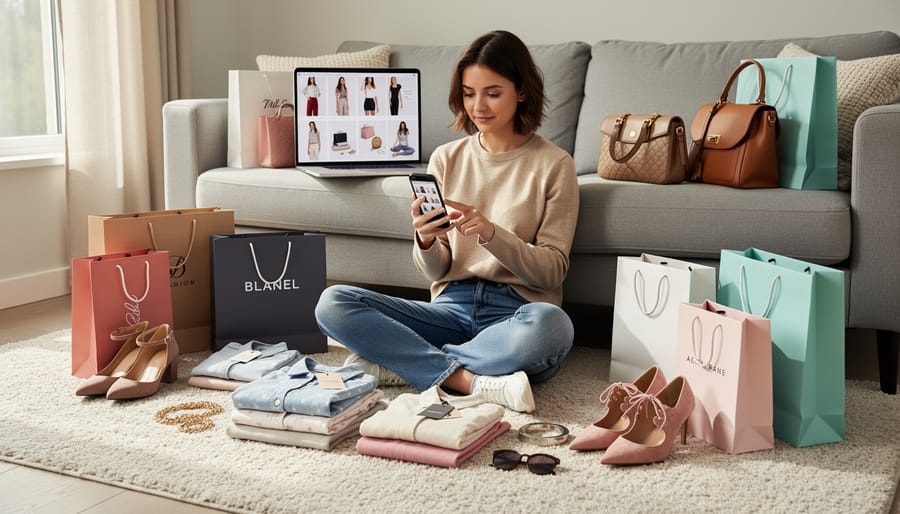
The distance between seeing a dress on your feed and owning it has collapsed to a single tap. Shoppable posts on Instagram and TikTok let you click a tagged item and land directly on a product page without ever leaving the app. That coat a micro-influencer wore in a 15-second video? Click the tag, select your size, Apple Pay, done. The entire transaction happens before you’ve had time to question whether you actually need it.
Affiliate links have turned every casual mention into a potential sale. When a creator shares their “everyday favorites” or “Amazon finds,” those linked items come with embedded tracking codes that reward the poster for each purchase. The content looks like genuine recommendation, but it’s built on a commission structure that financially incentivizes constant product promotion. You’re not just browsing inspiration, you’re inside a curated storefront designed to convert.
Fast fashion brands have perfected this frictionless path. They feed platform algorithms with thousands of product variations, A/B test images in real time, and adjust inventory based on which posts gain traction in the first hour. By the time a style reaches your For You page, the brand has already analyzed its viral potential, optimized the checkout flow, and prepared fulfillment. The scroll that started as inspiration ends in a purchase confirmation before you’ve finished your coffee, and the brand knew you’d buy it before you did.
Different Forms of Social Media Fashion Influence
Platform-Specific Trends
Each social media platform fuels fast fashion in its own distinct way, creating different patterns of consumption.
TikTok operates on lightning-fast micro-trends that can emerge and die within weeks. A random video showcasing a specific top or accessory can trigger hundreds of dupes flooding the market within days. The platform’s “For You” algorithm pushes trends to millions simultaneously, creating sudden spikes in demand that fast fashion brands exploit with rapid production cycles. You’ll see the same item repeated across dozens of accounts, then vanish just as quickly.
Instagram drives aesthetic-driven purchases tied to curated feeds and aspirational lifestyles. The pressure to maintain a cohesive visual identity pushes users toward seasonal wardrobe overhauls and outfit-of-the-day culture. Story features and Reels blend inspiration with immediate shopping links, making the leap from admiration to checkout seamless.
Pinterest functions as the long-game planner, influencing seasonal purchases months in advance. Users create boards for upcoming events or seasons, and fast fashion brands study these patterns to predict what will sell, producing inventory before demand fully materializes.
YouTube’s haul culture normalizes buying in bulk. Videos showcasing massive shopping trips from budget retailers celebrate quantity over quality, turning overconsumption into entertainment while generating affiliate revenue.
Influencer-Led vs. Algorithm-Led Consumption
Two distinct forces drive your fast fashion purchases on social media, often working simultaneously without you noticing.
When an influencer posts their latest outfit haul, you’re seeing deliberate content creation. They’ve chosen those pieces, styled them for maximum appeal, and presented them with a compelling narrative. This creates aspirational desire, you want to emulate someone whose taste you admire. Influencer-driven trends typically last longer because they’re tied to a person’s ongoing brand. When someone you follow consistently wears oversized blazers or vintage denim, you gradually internalize that aesthetic as desirable.
Algorithm-led consumption operates invisibly. The platform’s AI notices you paused on a video featuring wide-leg trousers, then floods your feed with similar content from accounts you’ve never followed. You’re not choosing to seek this trend, it’s being amplified around you until it feels ubiquitous and necessary. These algorithm-pushed trends burn faster and hotter, creating urgent FOMO that drives impulse purchases.
The distinction matters because each requires different resistance strategies. Unfollow influencers who promote overconsumption; follow sustainable style warriors instead. Actively search for upcycled fashion content to retrain your algorithm. Both forces lose power when you recognize them operating.
How Social Media Fast Fashion Shapes Our Lives and Choices
The Personal Cost of Constant Newness
That daily scroll can quietly drain your bank account. The average person influenced by social media trends spends 30-40% more on clothing than they did five years ago, yet wears each item fewer times. When a micro-trend peaks on Tuesday and feels outdated by Friday, those $15 impulse buys accumulate into hundreds of dollars monthly, money that could fund quality pieces built to last.
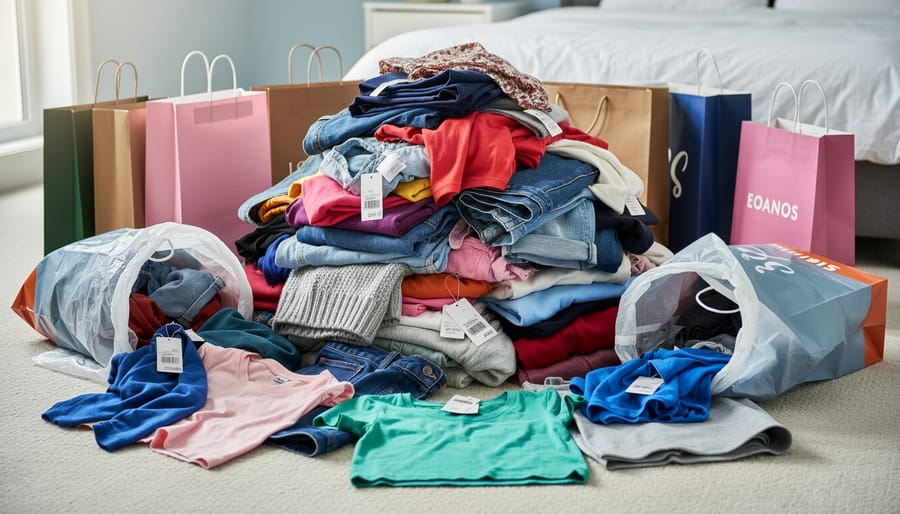
Your closet tells the story: tags still attached, barely-worn items shoved to the back, seasonal hauls that never quite worked. This turnover creates physical waste, but it also represents wasted potential, both financially and creatively. Fast fashion’s promise of constant newness actually narrows our style, training us to replace rather than remix.
The psychological toll runs deeper than regret over purchases. There’s the anxiety of missing out when everyone’s wearing the viral Amazon find, the pressure to document new outfits for your own feed, the exhausting sense that your wardrobe expires weekly. This cycle keeps you consuming but rarely satisfied, chasing a moving target of relevance instead of developing personal style rooted in age-old craftsmanship or genuine self-expression.
When Activism Meets the Algorithm
The same platforms that fuel overconsumption have become powerful tools for fashion activism. Creators like Venetia La Manna and Aja Barber have built audiences of millions by exposing labor exploitation and environmental damage, turning Instagram stories into mini-documentaries that trace a shirt’s journey from factory to landfill. Their content spreads faster than brand marketing because it carries emotional weight, real factory workers speaking to camera, satellite images of textile waste in Ghana, side-by-side comparisons of a garment’s true cost versus its price tag.
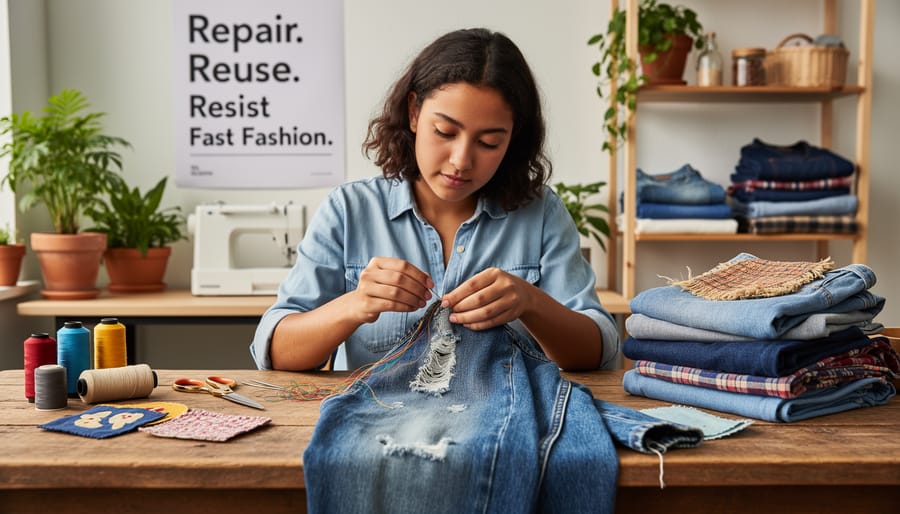
The #WhoMadeMyClothes movement transformed from a hashtag into accountability pressure, with thousands tagging brands and demanding transparency. When a post about a factory collapse gets 500,000 shares, brands notice. TikTok’s repair and alteration tutorials, showing how to fix a broken zipper or transform an old dress, rack up millions of views, making thrifting and mending aspirational rather than shameful.
Sustainable brands leverage these same algorithms differently. They share behind-the-scenes footage of ethical production, introduce the people who made your clothes, and create content around longevity rather than newness. Fashion Revolution’s annual week of action floods feeds with educational content, turning passive scrollers into active questioners.
The algorithm doesn’t distinguish between a haul video and a “shop your closet” challenge, it simply amplifies engagement. Activists have learned to speak that language, packaging systemic critique in scroll-stopping formats that compete for the same attention span fast fashion once monopolized.
Finding Your Balance in the Scroll
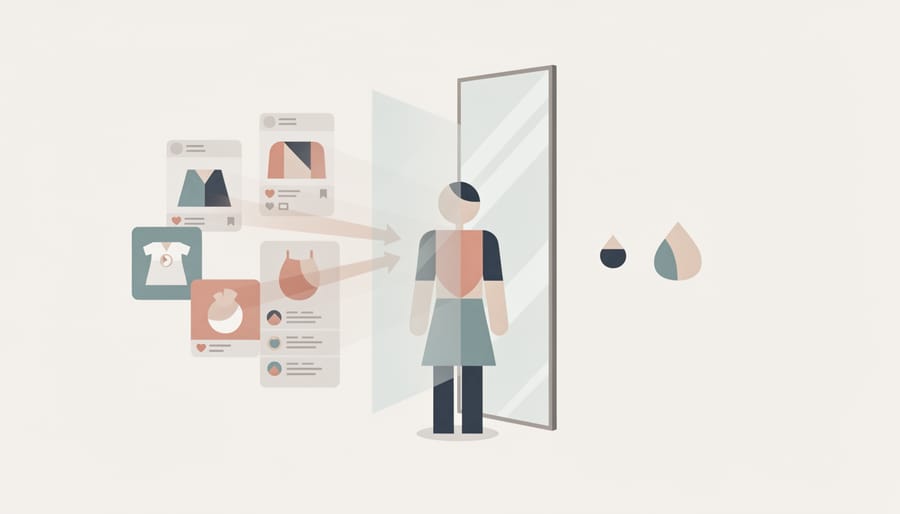
You don’t have to quit social media to quit overconsumption. Start by unfollowing accounts that make every post feel like a shopping emergency. Replace them with creators who show outfit repeating, styling what you own, or promoting secondhand finds. Turn off shopping notifications and remove saved payment methods from apps, adding friction between scroll and purchase gives you time to think.
Create a 48-hour rule: screenshot items you’re tempted to buy, then revisit the folder two days later. Most lose their urgency. Follow repair tutorials and sustainability activists who frame fashion as creativity instead of constant newness. Use Pinterest for outfit combinations from your existing wardrobe rather than wishlists of new pieces.
When you do shop, search hashtags like #SecondhandFirst or #SlowFashion to find alternatives to fast fashion trends. Your feed shapes your desires, so make it work for mindful choices instead of mindless buying.
Your Questions About Social Media and Fast Fashion, Answered
How can I enjoy fashion trends without supporting fast fashion?
Follow trends selectively by choosing one or two pieces you genuinely love rather than buying everything that goes viral. Shop secondhand first, rent special occasion items, and challenge yourself to style what you already own in new ways inspired by trends you see online.
Are social media influencers responsible for overconsumption?
Influencers play a role, but the responsibility is shared between platforms that reward constant content, brands that exploit viral moments, and our own engagement patterns. Many influencers are now using their platforms to promote sustainable choices and challenge the endless-buying cycle.
Can social media actually help sustainable fashion?
Absolutely. The same virality that spreads fast fashion trends also amplifies repair tutorials, thrift flips, clothing swap communities, and transparency campaigns that hold brands accountable. Platforms give sustainable activists unprecedented reach to shift culture.
How do I know if a brand is truly ethical?
Look beyond marketing claims to certifications like Fair Trade or B Corp status, check if they publish supply chain information, and follow activist accounts that investigate and expose greenwashing. Good Fashion Guide and Remake have databases rating brand practices.
The hardest part isn’t getting answers to these questions, it’s applying them when your feed serves up something irresistible at 11pm. Remember that every brand claiming to be sustainable isn’t automatically trustworthy, and every purchase you skip is a choice that matters. Your questions reveal you’re already thinking critically, which means you’re halfway to changing your relationship with social media fashion content.
Start small rather than overhauling everything at once. Unfollow accounts that make you feel inadequate or constantly want new things. Replace them with creators who show creative styling, mending skills, or secondhand finds. The algorithm will adjust to what you engage with, turning your feed into a tool for inspiration rather than a shopping channel that never closes.
How The Connection Between Social Media and Fast Works
The connection works through a three-part loop that feeds on itself and accelerates with each cycle.
First, content creators post outfit photos, haul videos, or styling clips. Platforms like TikTok and Instagram amplify posts that generate quick engagement, likes, shares, saves. The algorithm doesn’t care if you’re showing a timeless piece or disposable trend; it cares about watch time and interaction. Fast fashion thrives here because newness sparks curiosity. A £12 dress gets more immediate reactions than a £200 investment piece worn three different ways.
Second, brands monitor this activity in real time. They track which styles go viral, which colours dominate search terms, which silhouettes appear in top-performing posts. Within 48 hours, design teams can greenlight production. They’re not creating fashion anymore, they’re manufacturing responses to data signals. Some companies even use virtual fashion tech to test designs digitally before committing to physical samples, shaving days off an already compressed timeline.
Third, the algorithm serves those new products back to users who engaged with the original trend. You watched a styling video, so now ads for similar items flood your feed. You buy, you post, others see, the cycle restarts. Each rotation happens faster than the last, compressing what used to be seasonal fashion cycles into weekly or even daily micro-trends that create constant purchase pressure.
You’re not powerless in this system. Every scroll is a choice, every follow is a vote for the kind of fashion world you want to see. The same platforms that fuel overconsumption can amplify voices demanding fair wages, transparent supply chains, and clothes built to last. You can curate your feed to inspire thoughtful choices instead of impulsive purchases, support creators challenging the status quo, and share what you’ve learned with your own community.
Your wardrobe has always been more than fabric. It’s self-expression, yes, but it can also be your stance on labor rights, environmental responsibility, and the pace of consumption you’re willing to accept. The algorithm responds to what you engage with. Make it count. Choose what you see, question what you buy, and use your platform to push fashion toward something better. That’s activism in action.
You may also like
-
Your Digital Footprint: What It Is, How to Manage It, and Where to Get Support
-
What Is Native American Textile Art (and How Indigenous Techniques Are Being Revived)?
-
What Is This Renewable Resource Made from Rotting Plant Material? (And How It’s Transforming Fashion)
-
12 Ethical Fashion Examples Leading the Sustainable Style Revolution
-
How to Start a Furniture Upcycling Business That Turns Vintage Finds Into Style Gold